You’re scrolling through language apps at 11 PM, cursor hovering between Spanish, Japanese, and Mandarin. And you keep asking yourself, “Which language should I learn?”
The answer to this is not as direct. Your choice of language depends on your current life, interests, career goals, and even travel plans in 2026.
And as language apps get better, you have an opportunity to connect with more people globally. Here’s a guide and a quick quiz to help you narrow down your options.
Why Should You Learn a New Language?
Let’s start with the big picture. Why bother at all?
Well, for starters, science doesn’t lie.
Learning a second (or third) language changes your brain. Recent studies have found that bilingualism can enhance cognitive abilities such as memory, attention, and flexibility, even in adulthood.
But beyond the brain benefits, language learning is increasingly practical. Already, at least 50% of the global population is bilingual, and this makes language a bridge for shared humanity.
This is how you navigate airports without panic and access work or school opportunities that never get posted in English.
The Best Language for Your Goals

Now that you’re sold on learning a language, here’s where most people mess up. They pick based on difficulty rankings.
A quick check on the internet will give you articles proclaiming “Spanish is easy!” or “Arabic takes forever!”
But here’s what those lists miss. Motivation and consistency beat difficulty every single time.
If you’re learning Japanese because you’re obsessed with anime and want to watch without subtitles, you might learn faster than someone memorizing word lists in an “easier” language.
There’s no one-size-fits-all answer. You just need to pick a goal from these:
- Career advancement
- Travel immersion
- Cultural connection
- Cognitive sharpening
The “right” language isn’t the easiest one. It’s the one you won’t quit once the levels become challenging.
Quick Picks by Goal (2026)
Best for travel: Spanish
Best for business: Mandarin
Best EU careers: German
Best diplomacy & NGOs: French
Best Middle East markets: Arabic
Best culture + tech: Japanese
The Top Languages to Learn in 2026 (And Who They’re For)
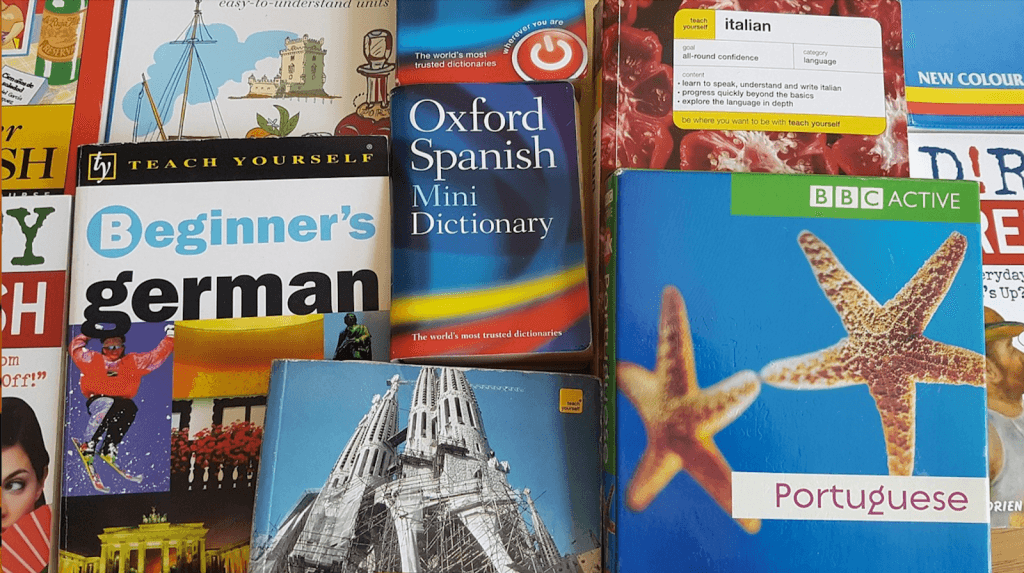
Let’s get practical. Here are six strategic choices:
Spanish
You can’t go wrong with Spanish. It’s the fourth-most-widely spoken language globally and the second-most-common in the U.S. You know what that means. Spanish fluency opens doors in business and travel. Perfect for those remote jobs and frequent travelers.
Mandarin Chinese
The ultimate business bet.
China’s massive economic growth means more opportunities. With over 1.18 billion Mandarin Chinese speakers globally, and the Asia-Pacific business market continuing to expand in 2026, this is the language to pick up if you’re working towards tech partnerships, manufacturing relationships, and Asian market access.
Yes, the tones are challenging, but it opens more doors.
French
Yes, you want to go to Paris and see the Eiffel Tower. But what you might not know is that French is also the language of international diplomacy. If you are eying that lucrative job in the NGO world, this is the perfect language to learn.
And it doesn’t work only in Europe, French is spoken in multiple African countries and emerging economies.
German
With the right German language app, you can learn German fast. Yes, it’s the language of business and science, but it’s also your ticket to easy navigation if you plan to travel to Germany for its rich cultural history and art.
If you’re in research and innovation, this is the right language for targeting the EU market.
Arabic
Don’t underestimate the opportunity that Arabic presents.
Twenty-two countries in the Middle East speak Arabic. Imagine how many valuable career moves you could make in the region. Yes, the language may be one of the most challenging for English speakers. But if you are interested in international development or the energy sector, this would be an adventure.
Japanese
Are you into pop culture or precise manufacturing?
Japanese should be on your list. What makes it so cool as a language? You can watch anime or manga on Netflix and understand. What’s more, it’s the perfect language for high-level business meetings with investors.
Take This Quiz: Which Language Matches Your Lifestyle?
Answer these five questions honestly before you start learning:
What’s driving you?
Career opportunity, upcoming travel, family connections, or pure interest? Your motivation determines your staying power. If it’s “I should learn something,” pick the language you’re genuinely curious about.
How much time can you realistically commit?
Be honest. Thirty minutes daily, consistently, beats two hours on weekends. Languages with similar alphabets, such as Spanish, French, and German, let you read faster. Yes, this matters if time’s tight.
Where do you see yourself in the next years?
Working remotely from Southeast Asia and want to learn an Asian language? Managing Latin American partnerships? With companies in 2026 increasingly hiring cross-cultural, multilingual teams, languages like Spanish, French, and German give you a major edge for remote and international roles. This is important. Keep in mind that language learning takes 500-2,200 hours, depending on the language (it will take more for difficult languages). Choose one that fits your actual trajectory.
What’s your learning style?
Love structured grammar? Some languages have clear rules. Prefer immersive chaos? Spanish TV shows or German comedy offer entertaining practice. Enjoy writing? Chinese characters become meditative. Need audio focus? Try podcasts.
What’s your budget?
Premium apps and immersion programs vary wildly. Some languages have abundant free resources, while others require more investment. Pick accordingly.
Final Takeaway
Most learners make the mistake of choosing a language because it’s popular or “easy.” That may not always work out. You need to pick a language that fits your goals or lights up your brain whenever you take a class.
Once you’ve made a choice, there are AI apps like Jolii.ai to create personalized learning paths that adapt to your schedule and interests. If you stay the course, soon you’ll be fluent and unlocking new global opportunities.
FAQs
Which language should I learn after English?
Simple. The one you’ll actually use. Spanish if you’re staying in the Americas, or if you want something widely spoken. Mandarin for global markets. French for international work. Don’t overthink it. Pick what fits your life.
Which language should I learn: French or Spanish?
Want fast progress and tons of speakers? Spanish. French only wins if you’re specifically targeting diplomacy, luxury brands, or global influence. Even better, learn one first, then tackle the other.
What’s the best language to learn for jobs?
Check your industry’s job postings right now. Mandarin for business. Spanish for customer-facing roles. German for Engineering. Middle East business? Arabic. The “best” language is the one that shows up in opportunities you actually want.