First published: November 2025. Last Updated: May 2026.
This year, I traveled to France for the first time. After years of learning French, I was so excited to go. I had pictured myself talking and laughing with the locals, asking for directions without needing to consult my translator, and ordering all my meals in French. I was confident in myself. After all, I had spent a long time reading French textbooks, doing French Speaking Practice, and listening to French podcasts (although I could only understand half of what was being said).
On my first morning in Paris, I marched down to the dining room, humming the tune of ‘La vie en rose,’ a song by Edith Piaf that I loved.
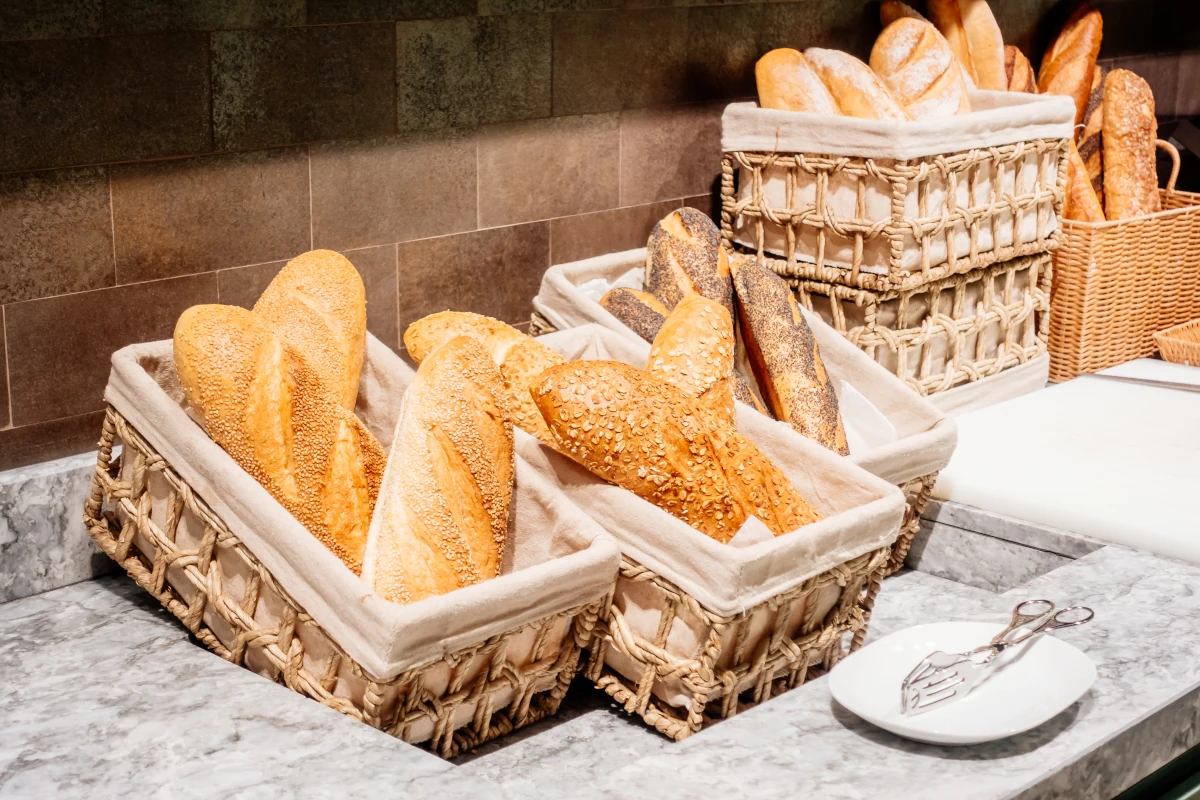
I was greeted by an appealing array of baked baguettes, and I definitely wanted a bite.
So, I rehearsed my first French sentence in my head and spoke to the server, ‘Bonjour, un croissant, s’il vous plaît.”, I said in one breath.
The server smiled, pointed at one of the baguettes, and said something in French, but she spoke so fast, I had no idea what she had said.
I suspected she asked if I wanted that one, so I stuttered and responded, ‘Oui… Thanks.’
My hands were sweaty as she handed me the croissant, and I walked to my seat. I had just realized that speaking French wouldn’t be half as easy as I thought it would be.
That was just the beginning of my lessons. In the next 3 days, I realized that I didn’t know how to speak French naturally, despite having studied for years.
It was a humbling experience, but at the end of my trip, I was better off for it. I finally knew how to learn French fast.
Real Conversations Help You Learn French Fast
In the evening of the same day, I learned my first lesson: the best way to learn French is through conversations.
A friend and I took a stroll through the Latin Quarter, and we found a lot of students reading, discussing philosophy, and just having some lighthearted conversations.
As we stopped to listen to them, I discovered two things:
First, they didn’t speak with emphasis like I had learned from my language teacher. Their words flowed into each other effortlessly.
Second, they used a lot of words that were never in the textbooks I read or on the flashcards I practiced. Words like
- ‘Ça marche’
- ‘Boulot’
- ‘On va bouffer.’
These words were new to me, despite my long hours of memorizing grammar and reading textbooks.
The more we moved about, the more I learned that conversations in France were quite different from what I had expected.
I saw little kids speak and respond to French, and I wondered how they could already know so much when I, an adult, still struggled. I would eventually understand that learning by immersion and participation is one of the fastest ways to learn French. The kids had it, growing up in and around the language, but I didn’t.
By the time I returned to my hotel room, I had picked up a long list of words from the street that were never in my professional study materials.
The next morning, I stepped out, hoping to put my new knowledge to use. I practiced, and that was my second lesson.
Every interaction is a French Speaking Practice
I was challenged by my previous day’s experience, and I decided to engage in conversations and listen for new words wherever I went.
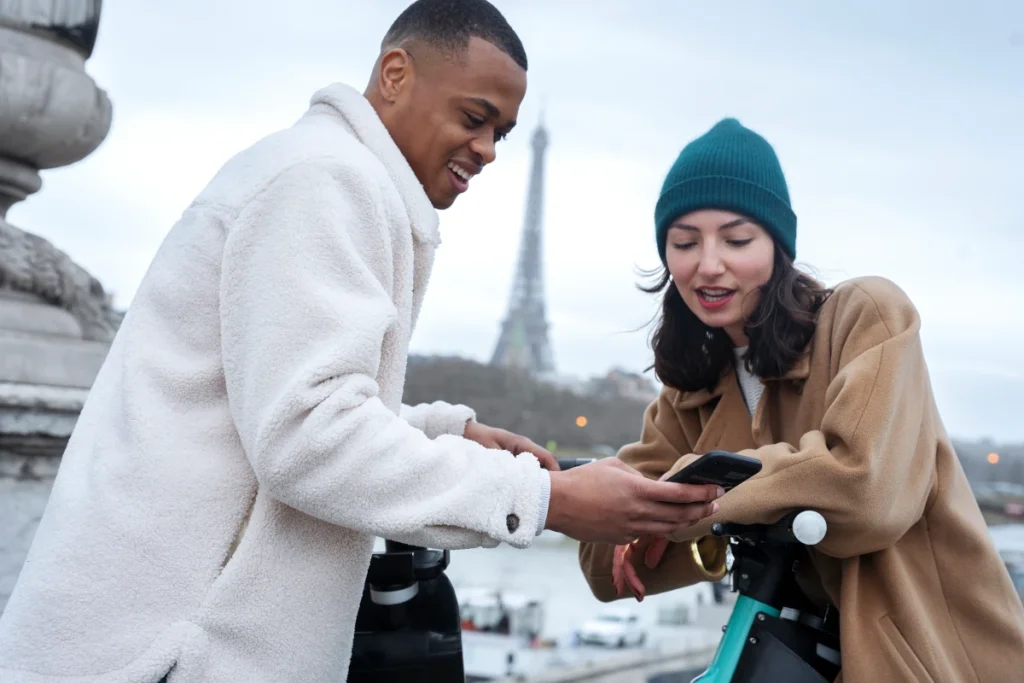
Along the Seine, I struck up a conversation about flavors with the gelato vendor. I ordered a croque-monsieur in French. I asked for directions on my way back to the hotel in French.
Did I stutter? A lot! I laughed at myself and corrected myself as I spoke. I met kind people who corrected my statements with a smile.
At the end of the day, I had real-life lessons, not just scripted lessons. I returned to my hotel with yet another French Speaking Practice Tip:
Short, natural conversations in French improve your speaking more than long hours of studying.
To me, 10 minutes of conversation with a real person in French is worth more than 100 minutes spent reading a textbook.
When Speaking French, Confidence Comes Before Fluency
On my third day, I was more confident. This time, I was heading out to shop for souvenirs, and I decided again not to hold back out of fear. I started a conversation with the boutique seller in French, and it just flowed from there.
At the end of my shopping session, we had joked about the words I mixed up, I had learned a few sentences, and we had both agreed that it would always be surprising how words like “boutique,” “restaurant,” “couture,” “façade,” “connoisseur,” and “lingerie” ended up being used in the English language.
As we bade each other farewell, the boutique owner said, ‘Vous parlez bien.’ I was so glad when I responded, ‘Merci beaucoup.’
I knew she was being kind, because I had made some blunders, but she was also telling the truth. I felt comfortable speaking with her, and it made me more confident. The more confident I was, the more fluent I sounded.
This is something you need to internalize:
- A confident speaker becomes a fluent speaker, and not the other way around.
- Don’t wait to become fluent before becoming confident. It might never happen.
Once you stop feeling bad about making mistakes, speaking becomes easier, your words flow faster, and your sentences become more accurate.
There are French words in books, and there are French words people actually use
Just as I observed from the students, I learned everywhere I went that there were several words the French used in conversations that I hadn’t come across before in my books.
By the end of my trip, I had nearly filled up a notebook with some of these words I picked up from listening to conversations.
Words like
- Ma bagnole: meaning my car
- Je vais au taf: meaning I’m going to work
- Ma boite: meaning the company I work at
- Mec & Meuf: meaning male and female
- Chelou: meaning strange
- Pote: meaning friend
I also learned about a manner of speaking referred to as ‘Verlan.’ It is a form of French slang, common in everyday Parisian speech, that reverses the syllables of a word to create a new one. For instance, ‘meuf’ comes from reversing the syllables of ‘femme.’
Learning these words made me realize the fun in speaking French and opened me up to newer ways of speaking French that sounded more natural than what I had learned.
When I got back from France, I continued to study and speak French, but I did everything differently now.
My French Speaking Practice Tips After France
One thing I embraced after France is immersion. I immersed myself in the language so much. Not from textbooks this time, but from resources that taught me what I actually needed to learn.
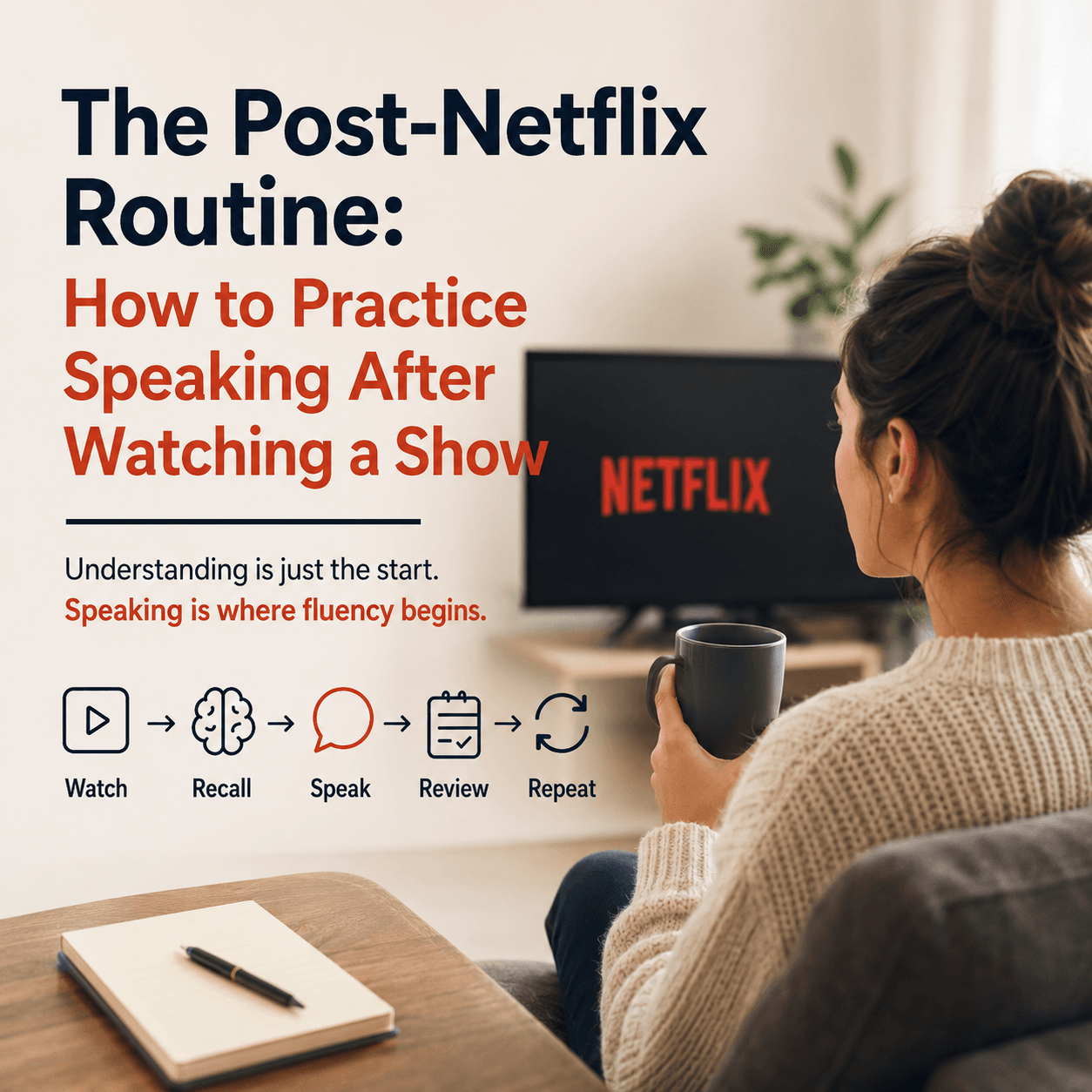
- I started watching French videos with subtitles in French rather than English — the same approach I’d stumbled into on the streets of Paris, connecting sound to meaning through context.
- I recorded a narration about my day a few times a week.
- I used an AI conversation tool to simulate the kind of short, unscripted exchanges I’d had in Paris — without needing a native speaker on hand.
- I watched French reality TV shows.
My French speaking skills have transformed since Paris. If I had to name one thing that made the difference, it was treating every interaction — real or simulated — as practice rather than performance. Jolii helped me recreate that pressure after I got home, with AI conversation practice built around real French content. But honestly, the mindset shift happened in Paris.
The lesson from Paris wasn’t that textbooks are useless — it’s that they’re incomplete. They teach you French. The street teaches you how French actually sounds, moves, and breathes. Find ways to close that gap before you board the plane.