First published: November 2025. Last updated: June 2026

Spanish is among the most popular languages, with more than 400 million speakers. Many who want to learn it wonder about Latin American Spanish compared to European Spanish (also known as Castilian Spanish). Each type of Spanish has its own special features, has benefits, and is important for culture. We’ll explain the major differences so you can choose which Spanish style fits your needs.
This article focuses on helping you make the practical decision — which variety to learn and why, based on your goals. For a detailed breakdown of the specific linguistic differences between the two varieties, including pronunciation tables, vocabulary comparisons, and slang examples, the Mexican Spanish vs Spain Spanish guide covers those in depth. This article is the decision framework; that one is the reference.
The Basics of Spain Spanish vs Latin Spanish
Spanish is viewed as one language, but there are regional variations because of history, local traditions, and how it’s used by the people who speak it. The primary difference exists between the Spanish that people speak in Spain, which is called Castilian Spanish, and the types that are found throughout all Latin American regions.
One practical tip: pick one variant and stick with it at the beginning. Mixing accents and vocabulary early on slows progress. You can expand your exposure later once the foundation is solid.
European Spanish vs Latin Spanish: Key Differences at a Glance
- Pronunciation: In Spanish from Spain, what is called “distinction” changes the way to say “c” before “i” or “e”, and “z”, sounding more similar to “the”, like in “think”. For words like “cielo” and “zapato”, you notice this right away. If you listen to Spanish in Latin America, most people do “seseo”, so they pronounce those letters mostly just like “s”. The Castilian accent is broken down in detail in the Valle Salvaje scene analysis — a Spanish period drama that demonstrates ceceo and vosotros in authentic dramatic dialogue.
- Grammar and formality: In Spain, they have “tú” for when you speak informally, and “usted” for more formal situations. A lot of places in Latin America, like Colombia, use “usted” even when speaking informally, and in some countries they use “vos” in place of “tú”.
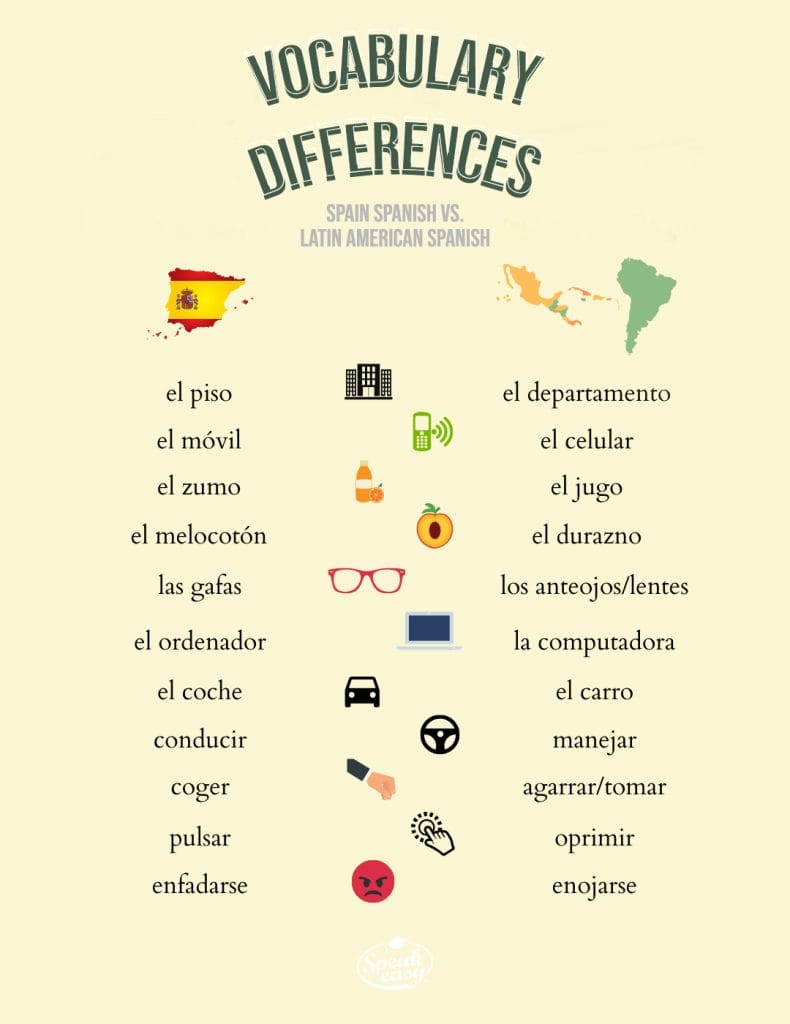
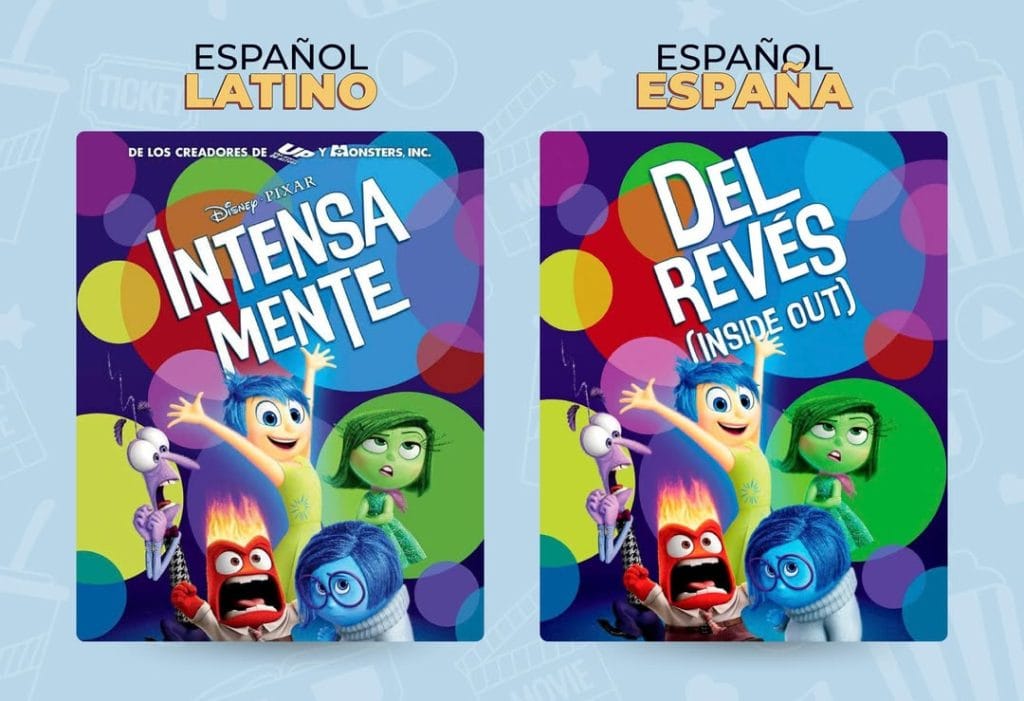
- Vocabulary: There are alternate names for things, and individual words can mean different things depending on where you are.
- Culture details: Spanish spoken in Spain, in most cases, is seen as more formal. Spanish from Latin America seems more relaxed, but each country is unique. Spanish slang words are also different in every country.
Why Learning Latin American Spanish Is Beneficial
- More People Use It: Latin American Spanish is the one you can hear in around 20 countries (and more!).
- More intuitive pronunciation for English speakers: The absence of the ceceo distinction — the th-sound used for c and z in Castilian Spanish — makes Latin American pronunciation feel more natural to English speakers, since that sound doesn’t exist in everyday English speech.
- Used Often: Latin American Spanish is more common and is easier for learners from many places to absorb.
Why Choose European Spanish over Latin Spanish?
- Historical and literary depth: Castilian Spanish is the variety closest to the language’s literary and historical roots — Cervantes, Golden Age theatre, and the Real Academia Española. For learners interested in Spanish literature, classical texts, or European professional contexts, Castilian is the more natural starting point.
- Cultural Experience: If you want to deal with living, working, or just experience a European way of life, Castilian Spanish is more helpful in understanding its real culture.
- Sound Like a Local: To speak in a real Spain accent, this variant is the one you should pick.

How To Choose the Right Variant: Castilian Spanish or Latin Spanish?
- Consider Your Goals: Where will you mostly use Spanish? Traveling or working in Latin America? Spain? Surrounding yourself in the regional culture you want influences your choice.
- Think About Pronunciation and Accent: Some learners find the “seseo” (Latin American pronunciation) easier than Spain’s “distinction.”
- Balance Exposure: While you might choose one variant to master, exposure to the other can improve your comprehension. Spanish speakers understand each other!
- Focus on Practical Application: Whether it’s business or media consumption, analyze which regions you interact with most.
Summary Table: Latin American Spanish vs European Spanish
| Aspect | Latin American Spanish | Spain Spanish |
| Countries | 20+ countries | Spain, plus Andorra, Gibraltar |
| Pronunciation | Seseo (“s” sound for “c” and “z”) | Distinction (“th” sound for “c” and “z”) |
| Formality | More frequent use of “usted” and “vos” | More formal use of “usted” |
| Vocabulary | Uses different words for common objects (carro, auto) | Uses regional words (coche) |
| Ease | Generally easier due to phonetics and grammar | Slightly more complex pronunciation |
| Cultural immersion | Varied cultures across Americas | Deep Spanish cultural roots |
For a deeper look at the specific differences between these two varieties in action, Mexican Spanish vs Spain Spanish covers pronunciation, grammar, vocabulary, and slang with real examples from both sides.
FAQs
What is “Spain Spanish versus Latin American Spanish”?
We talk about how people speak Spanish in Spain, which is regularly known as Castilian, and how it doesn’t always sound the same as the Spanish you hear in Latin America because of local dialects, which can differ. For examples of Latin American Spanish in action, the Bad Bunny DTMF breakdown covers Puerto Rican Spanish and the Calle 13 Latinoamérica analysis covers pan-Latin American vocabulary and culture.
Is it true that Spanish from Latin America is simpler to learn?
Some say Spanish from Latin America is less complicated in terms of how words are said. Getting used to it is easier sometimes, with “seseo” being one example; in some cases, grammar is lighter.
If I learn just one type of Spanish, will every Spanish-speaking person understand me?
Of course! You will communicate with Spanish speakers anywhere, even when you are using a different accent or the words are not always a match. You might only have trouble understanding Spanish slang, as it is different in every country.
What should I think about when picking which Spanish variety to study?
Consider where you plan on using Spanish, whether you have a shot at being around it, and what kind of culture draws you in.
Whichever variety you choose, Jolii lets you learn from authentic Spanish content — YouTube videos and Netflix shows in the variety that matches your goals, with AI speaking practice built around what you’re already watching.