Is it really hard to learn Spanish or is Spanish one of the easiest languages to learn?
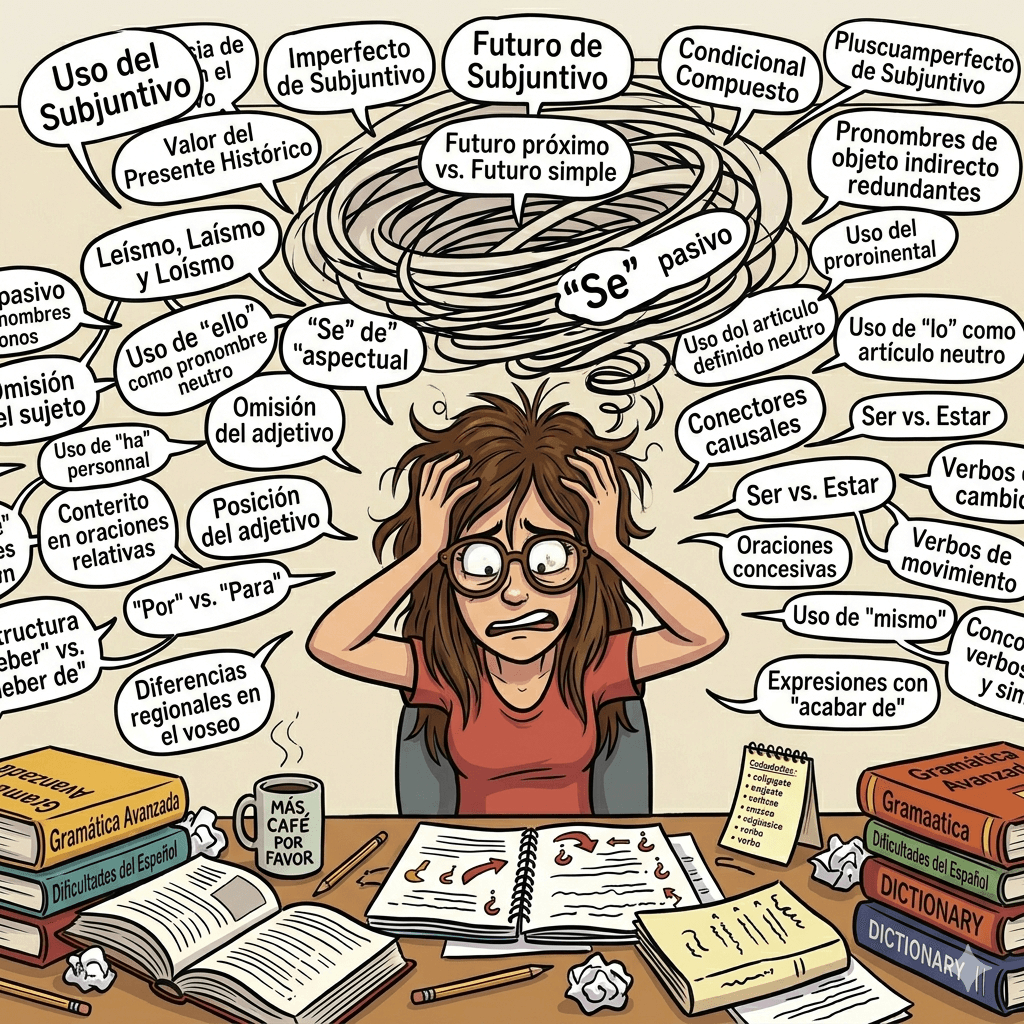
The web shows mixed opinions on this topic. While some people find Spanish easier than other languages, we also find comments on communities like Reddit saying:
“ it just feels harder and harder the more I learn.”
So, how do we know whether Spanish is truly hard to learn or not?
If you are also here to take inspiration or motivation to learn the language, let’s walk you through some myths about Spanish language learning.
The good thing about this article is it debunks some myths about the language plus it will give you some tips to understand the language learning process.
Let’s begin.
Why Do People Ask, “How Hard Is It To Learn Spanish?”
As a polyglot, my experience with learning Spanish and its difficulties is basically the unending grammar rules, especially the conjugations.
Spanish has a broader landscape; around 20 countries speak Spanish with a little change in the accent or with slight differences in vocabulary.
There is even a funny song about how hard it is to learn Spanish:

If you are curious to discover why Spanish is different in Spanish-speaking countries, find out the details here on how and why Mainland Spanish differs from Spanish spoken in other countries.
Is Spanish Hard? Debunking Myths and Comparing Language Difficulties
Is Spanish hard?
Let’s debunk the myths or bring the realities to words.
Factors Influencing Language Learning Difficulty
Here are some key factors that influence Spanish and make it difficult to learn.
Age Matters: As a child, it is easier to learn a language. With each passing year, your learning ability can decrease.
Your native Language: The language you speak (mother language) has a strong influence on the second language you learn, so languages are closely knit together so learning them is easier because there are words that are similar.
The Exposure: Personal factors include the motivation to learn a language, if there is a strong desire to learn a language you will learn it, no matter whatever circumstances. Make your motivations stay strong
Vocabulary: It depends on how quickly you are learning the vocabulary, if you have the right vocabulary to use at the right time you are in good shape.
Word Structure: Sometimes the word structure of some languages is simple while others have complex patterns, understanding these word structures affects learning a language.
Sentence Structure: A sentence has a concrete structure in each language; you only need to understand the related sentence structure of each language. Voila!
Semantic Study: If you pay close attention to how words and their meaning make a flow in any language, it makes you semantically strong for that language.
Phonetics: How sounds for a language (words, alphabets) are spoken or perceived comes under phonetics. It deeply affects learning a language.
Comparing Spanish to Other Languages
Spanish is relatively easier for an English speaker because both of these languages are related to each other. If people think Spanish is a hard language to learn, they must want to find actual hard languages in the world.
If you find Spanish difficult, try learning Mandarin, Arabic, and Russian.
Spanish is easier because it is a phonetic language meaning Spanish words are pronounced as they are written.
Why Spanish Feels Easier At Start
Initially, it feels easier just because of the phonetics but with time you find Spanish verb tenses and conjugations which are often considered the most difficult thing to learn in Spanish.
What Makes Spanish Easy to Learn
Phonetic Nature and Pronunciation
Spanish is highly phonetic, meaning that words are mostly pronounced as they are written. With a few pronunciation rules, you can learn its pronunciation pretty quickly and be able to read any word. Here are some aspects of Spanish pronunciation.

Spanish Vowels
In English, vowels can take different pronunciations, think, for example, how the letter “I” is pronounced differently in the words “bit” and “bite”. Spanish has 5 vowels, each with a consistent pronunciation.
| Vowel | Pronunciation | Example |
| A | Like ‘a’ in “father” | America (America) |
| E | Like ‘e’ in “bed” | Elefante (Elephant) |
| I | Like ‘ee’ in “see” | Italia (Italy) |
| O | Like ‘o’ in “more” without the ‘r’ sound | Oso (bear) |
| U | Like ‘oo’ in “boot” | Uno (one) |
Spanish Consonants
Most Spanish consonants are similar to the English ones, with a few exceptions.
| Consonant | Pronunciation | Example |
| C | Before ‘e’ or ‘i’: like ‘s’ in “see” | cena (dinner), cine (cinema) |
| Before ‘a’, ‘o’, or ‘u’: like ‘k’ in “kick” | casa (house), comer (to eat), cuatro (four) | |
| Before ‘h’: like ‘ch’ in “church” | chico (boy), leche (milk) | |
| G | Before ‘e’ or ‘i’: like ‘h’ in “hello” | gente (people), girar (to turn) |
| Otherwise: like ‘g’ in “go” | gato (cat), goma (eraser) | |
| H | Silent | hola (hello) |
| J | Like ‘h’ in “hello” | jardín (garden) |
| LL | Like ‘y’ in “yellow”. Regional variations include ‘j’ in “jungle”, ‘sh’ in “shoe”, or ‘ly’ sound | llama (flame), calle (street) |
| Ñ | Like ‘ny’ in “canyon” | niño (child) |
| R | Single ‘r’: flipped | pero (but) |
| Double ‘rr’: trilled | perro (dog) |
Knowing these few rules is fundamental for pronouncing Spanish words correctly. While at the beginning you are not expected to have a native-like pronunciation, mispronouncing words could lead to ambiguity and hinder communication. With Jolii, you can get instant feedback on your pronunciation and tips on how to improve. Are you ready to start? Download Jolii today!
Straightforward Grammar Basics
Spanish has an easy and flexible sentence structure and two grammatical genders —masculine and feminine— where articles and adjectives must agree with the noun’s gender (and number). Although this can sound challenging at first, once you understand the basics, it becomes straightforward.
Spanish Articles
Many Spanish nouns ending in -a are feminine and those ending in -o are masculine. Numerous exceptions mean that each noun’s gender must often be learned individually.
To read more about Spanish articles and their usage.
| Noun (Gender) | Singular | Plural |
| libro (m) | el libro (the book) | los libros (the books) |
| casa (f) | la casa (the house) | las casas (the houses) |

Noun-Adjective Agreement
In Spanish, adjectives must agree with the nouns they describe. However, there are two kinds of adjectives, those who agree in both noun and gender (Type 1), and those only in number (Type 2).
| Adjective Type | Singular | Plural |
| Type 1: Ends in -o | rojo / roja (red) | rojos / rojas (red) |
| Type 2: Ends in -e or consonant | grande (big) | grandes (big) |
Examples:
| Adjective Type | Singular | Plural |
| Type 1: Ends in -o | el libro rojo / la casa roja | los libros rojos / las casas rojas |
| Type 2: Ends in -e or consonant | el libro grande / la casa grande | los libros grandes / las casas grandes |
Abundance of Learning Resources
Spanish ranks 4th worldwide as the most studied foreign language – following English, French, and Chinese -and is the top foreign language in the United States.
The web is full of Spanish content, including courses and language apps, making it easy to immerse yourself in Spanish. Additionally, depending on your location, it could be easy to find a language partner or community to practice with.
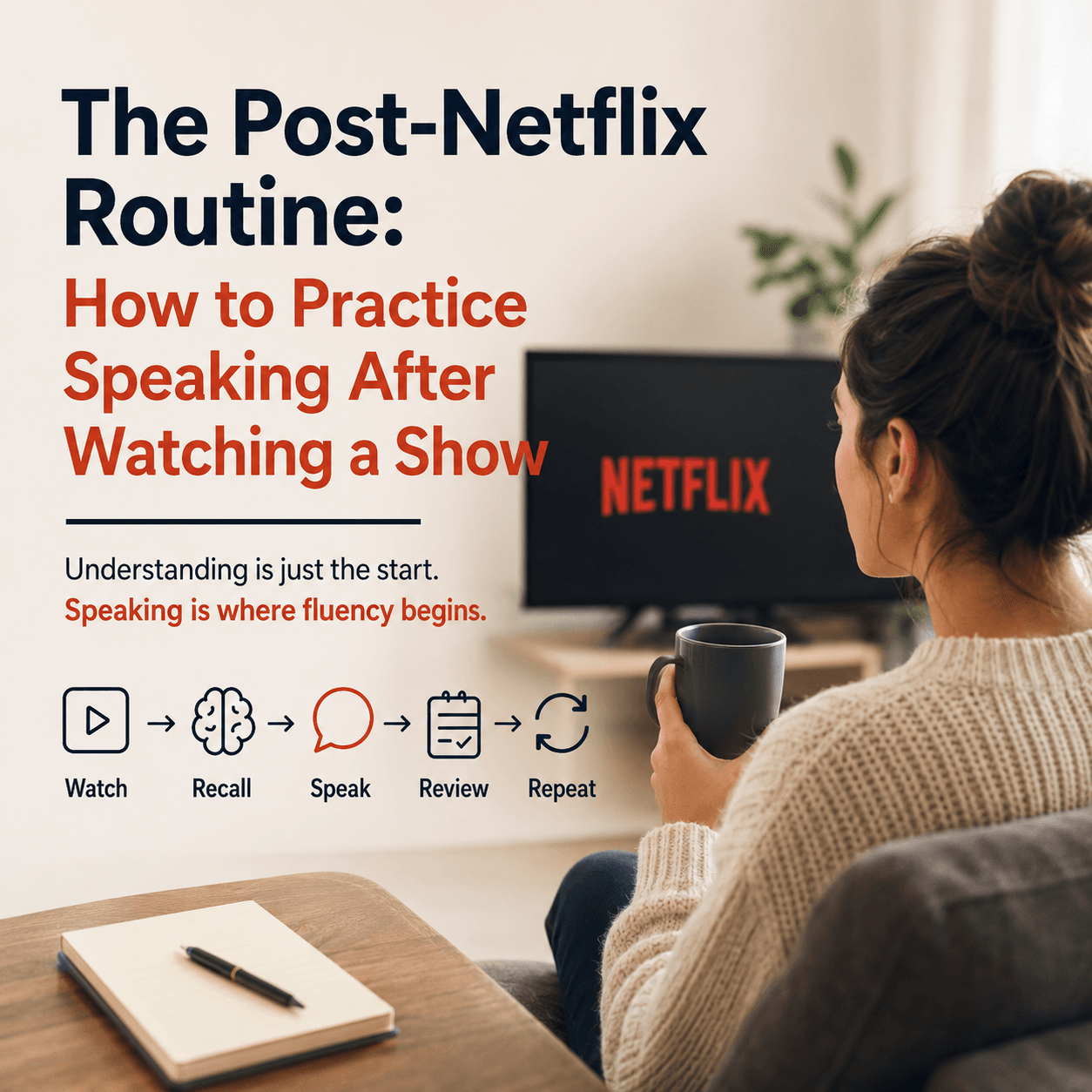
Learning Spanish is no longer about accessing resources; the real difficulty is about choosing the right ones. With Jolii, you can select any video that you like on YouTube and Netflix and import it into the App.
AI analyzes your content in real-time and transforms it into an interactive language lesson, with custom exercises tailored to your language goals, vocabulary level, and learning style. This way, you can develop various skills all within one app.
Challenges in Learning Spanish: What Makes It Difficult
Verb Conjugations and Irregularities
Spanish has a total 16 Spanish tenses (10 in the indicative mood, 6 in the subjunctive mood) plus the imperative mood. Learning verb conjugations and endings can be quite time-consuming. Plus, there are exceptions like stem-changing verbs, reflexive verbs, and other irregularities.

Mastering verbs is not a mere memorization exercise. To learn the nuanced uses of moods like the subjunctive, which lacks a direct English equivalent, you need to immerse yourself in the language and experience it in real-life scenarios.
YouTube and Netflix videos are an excellent way to expose yourself to Spanish no matter where you are, and with Jolii, you can now make a language lesson out of them. This way, you can naturally absorb verbs while enjoying your favorite videos!
Regional Variations and Dialects
The Spanish language is geographically widespread, leading to considerable differences between the language in Spain and Latin America. Even within South America, significant variations exist from one country to another.
These differences are mainly in vocabulary, pronunciation rules, but also in verb usage. Learn a few regional differences of vocabulary in a detailed post here.

Vocabulary Pitfalls and False Cognates
Spanish has many words that are similar to English, but there are also some tricky false cognates that you need to be aware of to avoid “embarrassing” situations. Speaking of embarrassing, did you know?
The Spanish word “embaraza” actually means “pregnant”, not “embarrassed”! If you want to learn most about false cognates, consider checking our article about English Vs. Spanish words.

Effective Strategies to Learn Spanish
Immersive Learning Techniques
Immersion literally means “ the act of dipping something in a substance so it covers completely”. For language learning context the immersive learning technique refers us to breathing in that language.
Be with the people who speak, travel to places where the language is widely spoken or understood, consume social media or print media in that specific language, and join communities (online or offline both works) who speak in the language you want to learn
Structured Courses vs. Self-Study
You can take advantage of many structured courses designed to teach, and plenty are available online. These courses often require payment. If you do not want to spend any money you can even self-study but by dedicating your time and energy to it you can succeed.
Utilizing Technology and Apps
When you go for the self-study option, you can access a number of apps for language learning. The internet is full of such apps, but you have to find what works for you when learning a language.
As we discussed immersion and the wise use of artificial intelligence in learning a language, we will introduce you to the Jolii language learning app. Jolii uses the new artificial intelligence technology and gives you quick responses as if it is a personal tutor.
Conclusion
Learning Spanish is hard if you do not take the clear route of learning the language. Initially, Spanish feels easier to learn because of its phonetic nature but when you actually start learning the grammar and conjugation rules becomes harder.
You can get the hang of this grammar and conjugation in Spanish when you include immersive language learning. Jolii takes your Netflix or YouTube time to introduce you to language learning.
Try Jolii today to learn Spanish, and stop asking questions if it is really hard to learn.
FAQs
Q1: How can I learn Spanish by myself?
A: You need to immerse yourself in the language as much as possible and make it a daily habit. Remember to combine a variety of resources and methods that target all language skills: speaking, listening, reading, and writing.
Q2: Is Spanish easy to learn?
A: Spanish might be easier to learn than other languages, but it still requires constant commitment and a good studying approach.
Q3: How long does it take to become fluent in Spanish?
It depends on your previous language learning experiences and your learning method. On average, 600-750 class hours are required to reach professional proficiency.
Q4: What level of Spanish is considered fluent?
A: C1 level is considered fluent. At this level, you can understand and express yourself in a wide variety of topics at an advanced level.
Q5: What is the easiest language for English speakers to learn?
A: The easiest languages to learn are the closest to English, such as Spanish, Dutch, or German.. However, how easy it will be for you ultimately depends on your motivation!
Q6: How hard is it to learn Spanish as a beginner?
A: With the right learning approach, mastering Spanish can become easy!