Learning a language, whether it’s Spanish or any other, has always been both a demanding and rewarding journey. But in 2025, everything has clearly changed, and it’s only continuing to evolve at a rapid pace. Artificial intelligence is no longer just a helpful add-on: it has become the true driving force behind language learning. Today, smart applications can understand your rhythm, accent, and mistakes, adapting each lesson in real time. Others integrate natural voices, interactive conversations, and instant feedback that almost make you feel like you’re speaking with a real teacher.
In this article, we’ll take a deep dive into how AI is redefining the way we learn Spanish, compare leading platforms like Duolingo and Babbel, and explore new innovative solutions like Jolii.ai, which promise to make mastering the language more intuitive, faster, and more natural than ever.
What Is Spanish AI?
In 2025, Spanish AI refers to the use of artificial intelligence technologies, like natural language processing (NLP), voice recognition, and adaptive learning algorithms, to help users learn Spanish faster and more effectively. Unlike traditional software that follows static grammar lessons, AI-powered tools “learn” from your behavior. They analyze your pronunciation, vocabulary progress, and even your mistakes to adapt lessons in real time.
For example, platforms such as FluentU and Jolii.ai use machine learning to detect which words or grammatical patterns you struggle with, then automatically adjust your next exercises to focus on those weak spots. Some tools even include speech synthesis that mimics native Spanish intonation, allowing learners to hear and reproduce authentic accents.
What makes Spanish AI unique is its ability to make learning deeply personal. Whether you’re a beginner or an advanced learner, these systems can deliver the right level of challenge, and encouragement, at every step. In short, Spanish AI isn’t just a program that teaches Spanish; it’s a responsive companion that evolves with you.
Is There an AI That Speaks Spanish Naturally?
Yes, and in 2025, these AIs sound more human than ever.
Modern Spanish-speaking AIs use advanced speech synthesis and recognition technologies capable of understanding tone, rhythm, and even emotional nuances. Tools like Jolii.ai, Google Bard, and Duolingo Max integrate AI voices trained on thousands of hours of authentic Spanish conversation, allowing learners to practice in realistic, two-way dialogues.
These systems don’t just repeat pre-recorded phrases. They analyze your pronunciation in real time, point out subtle accent errors, and offer corrections with native-level precision. For instance, when a learner mispronounces “desarrollar” or rolls the “r” too softly, AI speech engines now detect it and respond with tailored feedback, something traditional apps could never do.
Beyond accuracy, Spanish-speaking AIs have also become culturally aware. Many can switch seamlessly between Mexican, Argentine, or Peninsular Spanish, reflecting how the language truly varies across regions. This makes conversations feel far more authentic and less robotic, a major leap toward natural, immersive learning experiences.
Top AI-Powered Apps for Learning Spanish in 2025
With so many tools claiming to be “AI-powered,” it’s not always easy to know which ones truly make a difference. In 2025, a few standout Spanish-learning apps have proven their value by combining intelligent design, real-time feedback, and authentic cultural immersion. Here are the best options for learning Spanish through AI today:
1. Duolingo Max (GPT Integration)
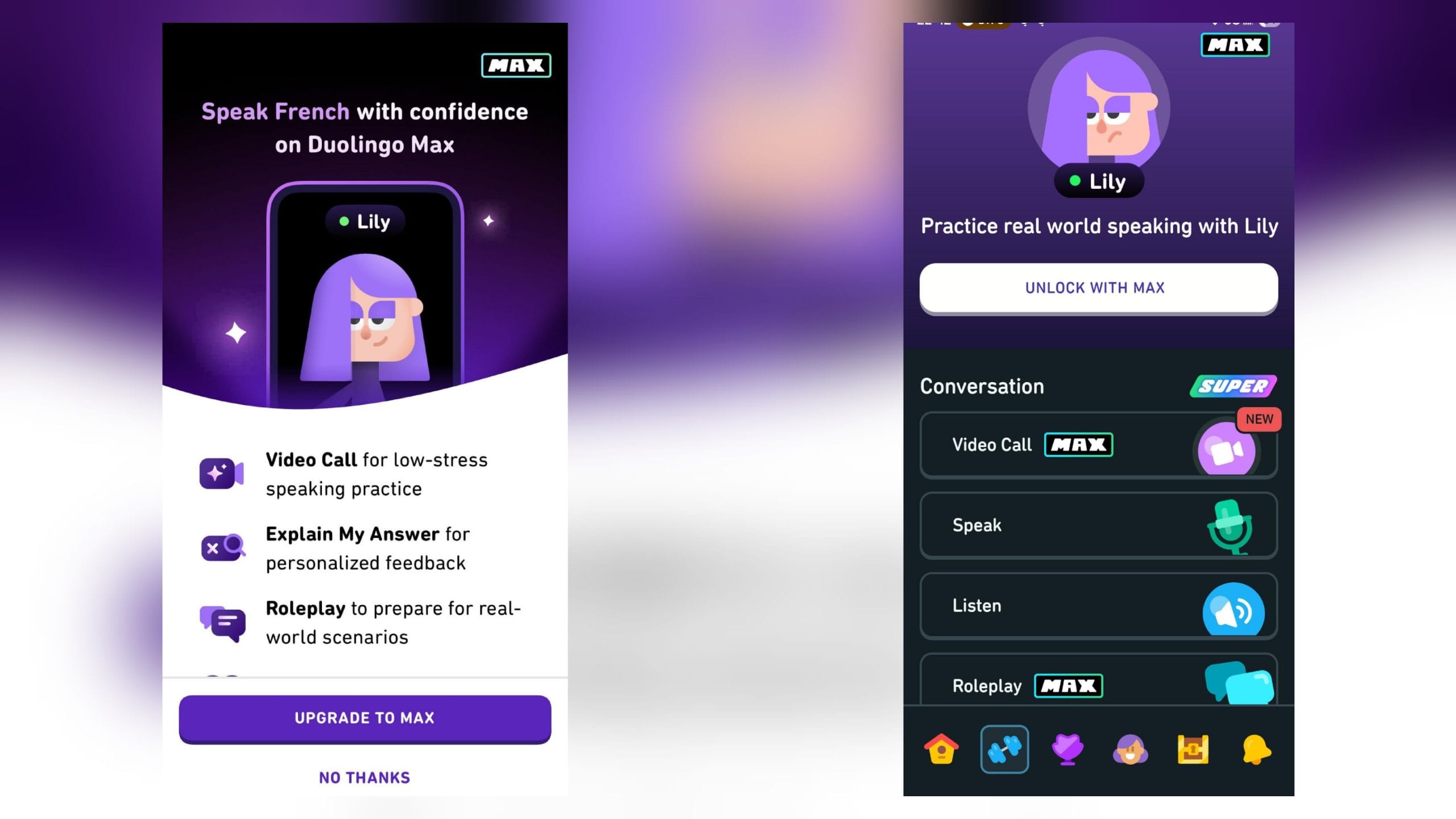
Duolingo took a big leap with its Max version, powered by GPT-4. The app now offers “Explain My Answer” and “Roleplay” features, letting learners ask why a response is wrong and practice real conversations with a smart AI tutor. This feature has made Duolingo feel more alive, less like a quiz and more like a mini Spanish coach that reacts to your mistakes. Its gamified structure and streak-based motivation system still make it ideal for quick, everyday practice. However, learners who prefer in-depth grammar might find Duolingo more playful than academic, which is both its strength and limitation.
2. Babbel Live
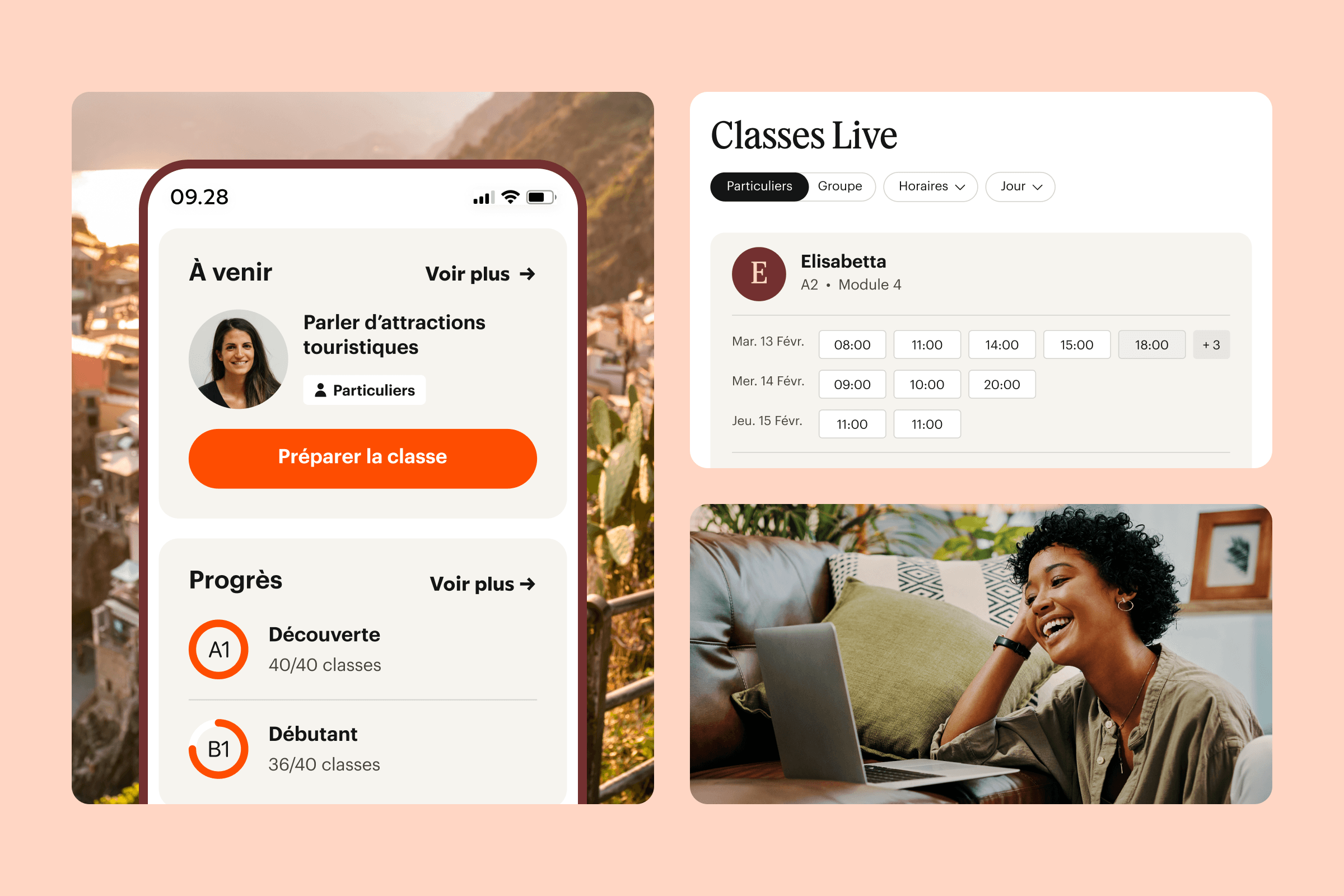
Babbel Live adds a human touch with real teachers supported by AI. The platform uses adaptive lesson plans that analyze your grammar progress and adjust future sessions accordingly. Reviewers often highlight how its speech recognition engine has improved pronunciation feedback, making it more accurate than previous years. It’s perfect for structured learners who like guided learning paths and want both AI precision and real human interaction.
3. FluentU
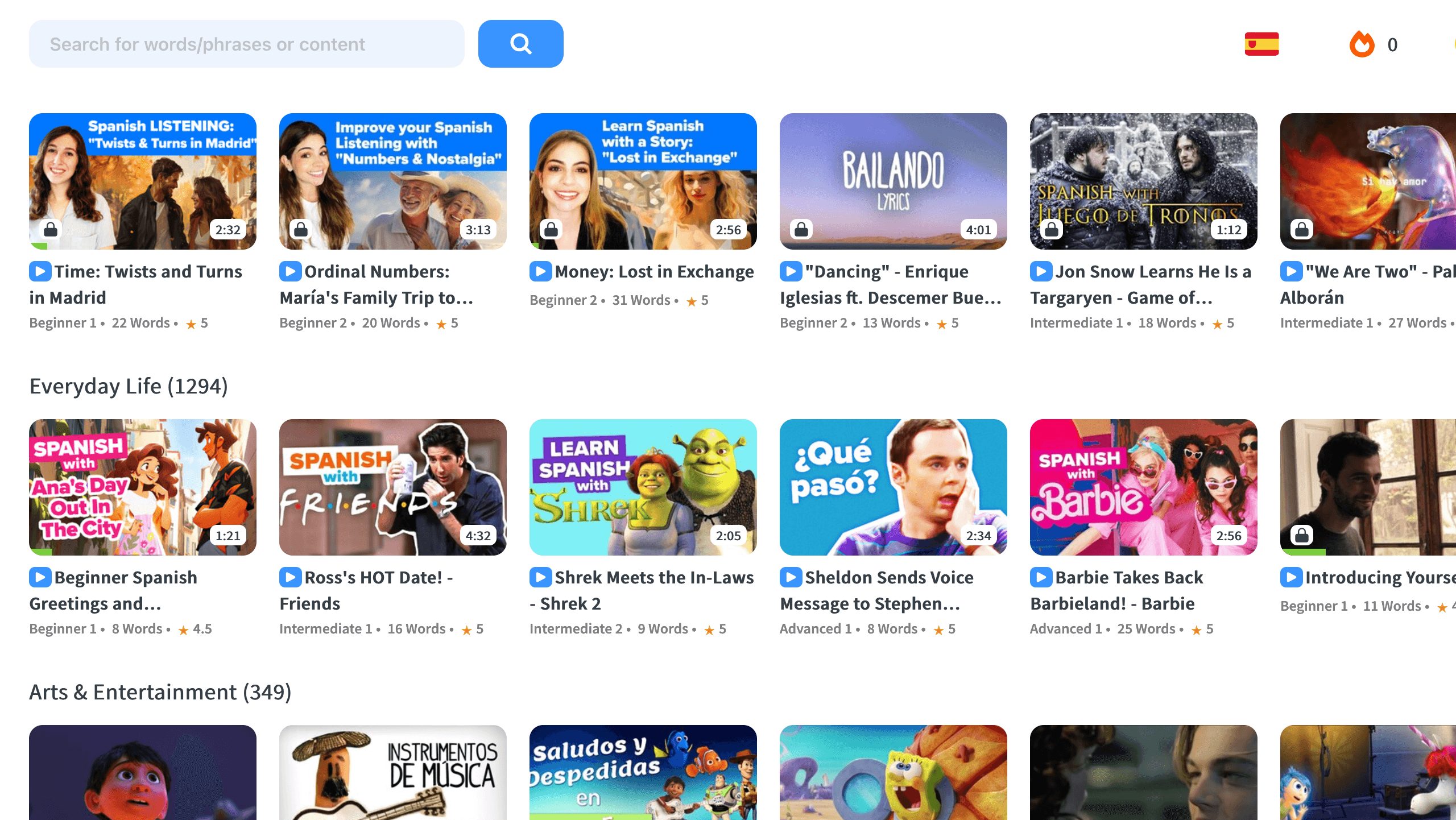
FluentU focuses on contextual learning using authentic Spanish media from YouTube clips and movie trailers to music videos. It’s particularly strong for improving listening skills, accent recognition, and cultural fluency, areas where many traditional apps still fall short.
4. Jolii.ai
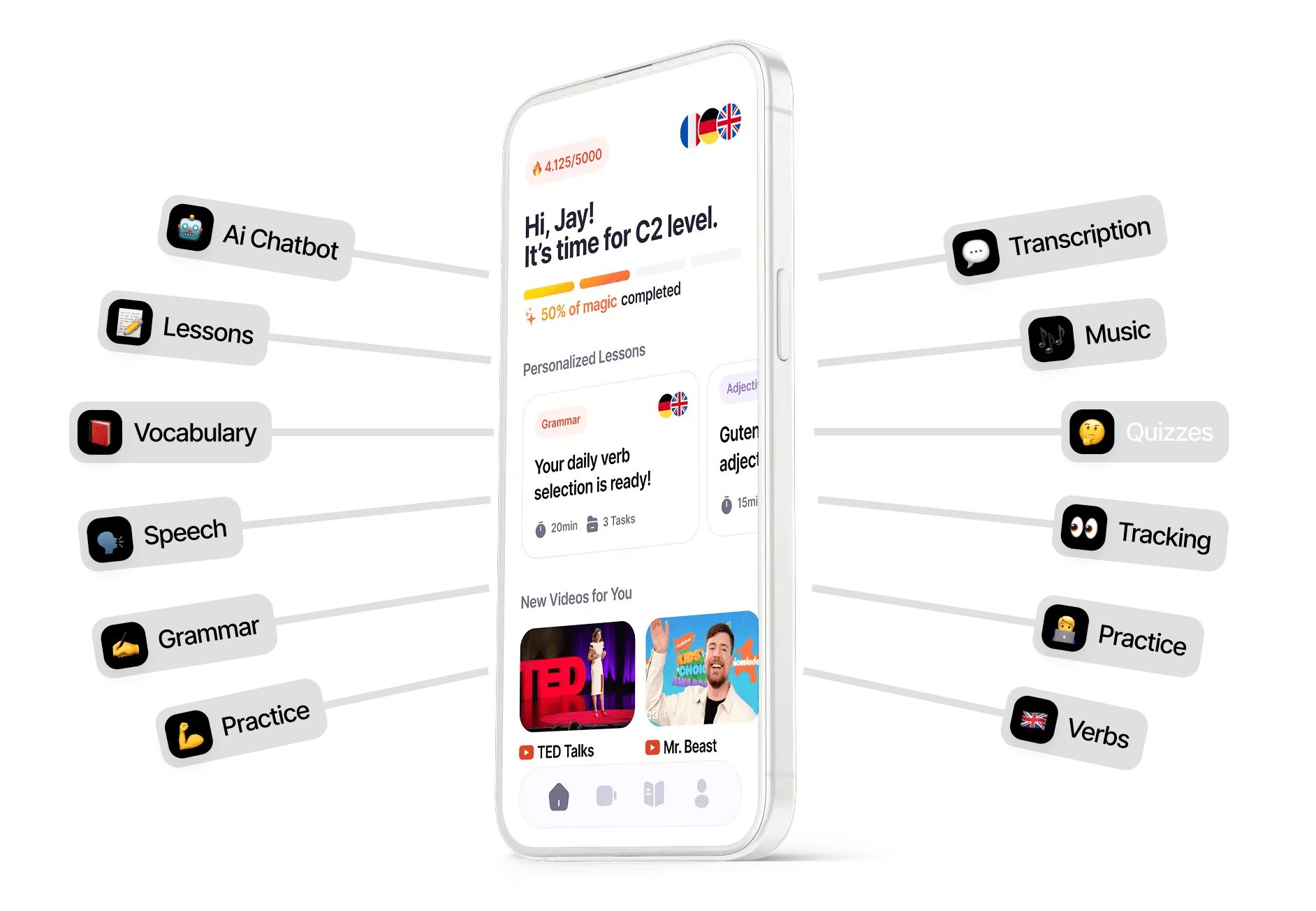
Finally, Jolii.ai is redefining Spanish learning with a purely AI-driven approach. With Jolii, you can watch YouTube and Netflix videos and the app creates personalized, voice-interactive lessons based on the content you watch. The result is a natural learning curve that feels like entertainment rather than study. Jolii provides the closest experience to having a native tutor available 24/7.
Is Babbel Better Than Duolingo?
Both Babbel and Duolingo have integrated artificial intelligence into their platforms, but they serve different types of learners.
While Duolingo Max focuses on engagement through gamification and conversational AI, Babbel Live aims for structured learning and long-term fluency. Duolingo keeps users motivated with short, colorful exercises and GPT-powered “Explain My Answer” sessions, while Babbel combines AI analytics with live teacher feedback for a more academic feel.
Here’s a quick comparison of how the two stack up in the age of AI:
| Feature | Duolingo Max | Babbel Live |
| AI Integration | GPT-4 “Explain My Answer” + “Roleplay” | Adaptive grammar correction + personalized lesson planning |
| Learning Style | Fun, gamified, bite-sized lessons | Structured, teacher-guided sessions |
| Feedback | Automated corrections, instant feedback | Human + AI feedback, pronunciation analysis |
| Best For | Beginners or casual learners | Intermediate to advanced learners |
| Weakness | Lighter on grammar depth | Less playful, more academic |
How AI Adapts to Spanish Variants (Mexican, Argentine, Colombian, Peninsular)
One of the biggest challenges in learning Spanish is that it’s not a single language, it’s a whole constellation of accents, expressions, and regional grammar nuances. Until recently, most learning platforms ignored this diversity. But AI has started to change that.
Modern tools like Babbel, Duolingo Max, and Jolii.ai now train their AI models on data from different Spanish-speaking regions. When you choose “Mexican Spanish” in Babbel, the AI adapts not only vocabulary (“carro” vs. “coche”) but also pronunciation and idiomatic use. Duolingo Max applies this logic through its GPT-powered “Roleplay” sessions, where conversations reflect regional tone and context, for example, distinguishing between “vos” (Argentina) and “tú” (Spain or Mexico).
Meanwhile, FluentU goes one step further by letting users interact with real media, YouTube videos, songs, and movie clips, labeled by country. Its AI then analyzes your listening performance to fine-tune exercises according to the accent you’re most comfortable with.
Emerging platforms like Jolii.ai take this adaptability further by using voice recognition: if you consistently struggle with Colombian intonation or Andalusian rhythm, the AI automatically slows down and introduces vocabulary specific to your region of interest.
The result: learners no longer study “generic” Spanish, but a living, breathing language shaped by culture and geography, and that’s what makes AI so revolutionary in language education.
The Future of AI in Spanish Learning: What’s Next for 2025 and Beyond
Artificial Intelligence is no longer just an “add-on” in language learning, it’s becoming the engine that powers the entire experience. In 2025 and beyond, Spanish learners can expect AI tools to become more context-aware, emotionally intelligent, and globally connected.
The next evolution is real-time speech tutoring. Platforms like Jolii.ai are already experimenting with AI that not only corrects pronunciation but adjusts its tone, rhythm, and difficulty based on your voice stress and confidence level. Imagine having a digital tutor that can “hear” when you’re unsure and reformulate sentences to help you regain fluency.
Another major development will be AI-driven cultural immersion. Instead of teaching language in isolation, apps will integrate news clips, podcasts, and even AR (augmented reality) experiences from Latin America or Spain, letting learners “live” the language they study. This shift transforms Spanish from a subject into a world you interact with daily.
Finally, expect cross-platform personalization: your AI learning profile will travel with you. Whether you switch from Babbel to Duolingo or use FluentU for listening, your AI assistant will remember your progress, accent, and preferences, building a continuous, personalized learning journey.
The future of AI in Spanish learning isn’t about replacing teachers, it’s about creating an ecosystem where technology adapts to you, not the other way around.
FAQ – Spanish Learning and Artificial Intelligence (2025)
1. What’s the main difference between today’s Spanish learning apps and those of 2025?
In 2025, learning apps don’t just offer fixed lessons anymore, they learn from you. AI automatically adapts the difficulty, vocabulary, and tone based on your accent, level, and even your learning pace.
2. Can AI correct Spanish pronunciation as accurately as a real teacher?
Absolutely. Modern AIs use voice recognition and speech synthesis to detect accent or rhythm errors and offer instant corrections. Some, like Jolii.ai or Duolingo Max, can even reproduce different accents (Mexican, Spanish, Argentinian…) to help you get used to the many regional variations.
3. Is AI-assisted learning as effective as lessons with a teacher?
Both approaches complement each other really well. AI enables daily, personalized practice with no time or schedule constraints, while a human teacher brings emotional and cultural context. Many platforms now combine both to offer the best of both worlds.
4. Does AI understand the differences between Spanish variants?
Yes. Modern AIs are trained on datasets from multiple Spanish-speaking countries. They recognize vocabulary and intonation differences between Spain, Mexico, Colombia, or Argentina, making practice feel far more realistic.
5. Which AI app is the most promising for learning Spanish in 2025?
Jolii.ai stands out as one of the most advanced platforms. Fully powered by AI, it creates interactive and video-based lessons tailored to each user, gradually adapting to their progress and linguistic needs.
Final Thoughts: Discover Jolii.ai
The way we learn Spanish is evolving faster than ever, and artificial intelligence is undeniably at the heart of this transformation. From real-time pronunciation correction to immersive cultural experiences, technology has made learning Spanish more lively, interactive, and personal than ever before. Whether you’re learning your first phrases or trying to perfect your accent, what really matters is consistency and personalization. And that’s exactly where Jolii.ai makes all the difference. Its AI-powered conversational tutor carefully adapts to your pace, remembers your mistakes, and helps you express yourself naturally, without sounding like a robot (sort of).
Rather than forcing you to follow a rigid program, Jolii.ai learns directly from you. Each session becomes smarter, smoother, and closer to a real human interaction.
If you want to discover how AI can make learning Spanish more natural, almost human, and intuitive, it’s time for you to try Jolii.ai, where learning a language no longer feels like a boring class you want to escape from, but rather like a genuine connection.