First published: October 2024. Last updated: June 2026
Spanish has more native speakers than almost any other language on earth, and a significant share of them are on YouTube. That makes YouTube uniquely well-suited for Spanish learners: the sheer volume of native content — vlogs, interviews, comedy, cooking, news — means you can find authentic Spanish at every level, on almost any topic, for free. The challenge is not finding content. It is using it deliberately enough to actually improve.
This guide covers how to set up a study plan, which channels to use at each level, how to get more from immersive content, and how to turn passive watching into active language production.
Section 1: Getting Started with YouTube to Learn Spanish
Tips For Setting Goals and Creating a Study Plan
Get clear with your goals: Before you dive into the ocean of YouTube content, make your goals very clear. Why do you want to learn Spanish? Is it for travel, work, or personal enrichment? Defining your focus will keep you focused and driven.
Break down your goal: Now, when you look at your goal, it probably seems too big and impossible to accomplish. The trick is to break it into stages. That way you can keep track of what is done and what is left rather than moving from one concept to another in no apparent pattern. For example, you can start with learning basic greetings in the first month, and then move to sentence construction in the second month.
Create a weekly schedule: Consistency is key, so get a schedule that ensures you are studying daily. For busy people, even 15-30 minutes of studying will go a long way.
How To Find Credible and Effective Channels to Learn Spanish on YouTube
With the countless number of YouTube channels, finding the right one can be overwhelming. Start by searching for channels that are highly recommended and have lots of positive reviews. Look for channels with clear, well-organized content and regular videos.
Check if the tutors are native speakers or experienced learners. This matters as they impact the quality of the content. Also, check for the presence of subtitles or transcripts that will help you follow the content.
Recommended Channels for Beginners
Spanish with Paul — structured lessons with clear grammar explanations, ideal for complete beginners. Paul’s approach avoids overwhelming learners with too much at once, building confidence through repetition and short focused videos.
Spanishland School — conversational Spanish taught through storytelling and real-life scenarios. Particularly good for learners who want to move beyond textbook phrases into natural speech patterns.
These channels are great as a starting point for anyone new to Spanish. And when you are done with these, you will know what to move on to.
Section 2: Learning Tools and Techniques to Learn Spanish with YouTube.
You have started your Spanish learning journey. To get the most out of your learning, here are some ways you can get better with very little hassle:
Listening and Comprehension
The most effective way to improve listening comprehension is through regular, deliberate exposure to natural speech — not just instructional content. Spanish vlogs, interviews, and shows expose you to the rhythm, pace, and variation of the language as it is actually spoken.
A practical technique: watch a short clip (two to three minutes) without subtitles first. Note what you catch and what you miss. Then watch again with Spanish subtitles — not your native language — to fill the gaps. Finally, rewatch without subtitles. This three-pass method builds comprehension faster than passive watching because it forces your brain to actively process what it hears rather than relying on translation as a crutch.
Channels like, “Spanishland School” and “Why Not Spanish?” offer engaging content that is informative and fun.
Speaking and Pronunciation
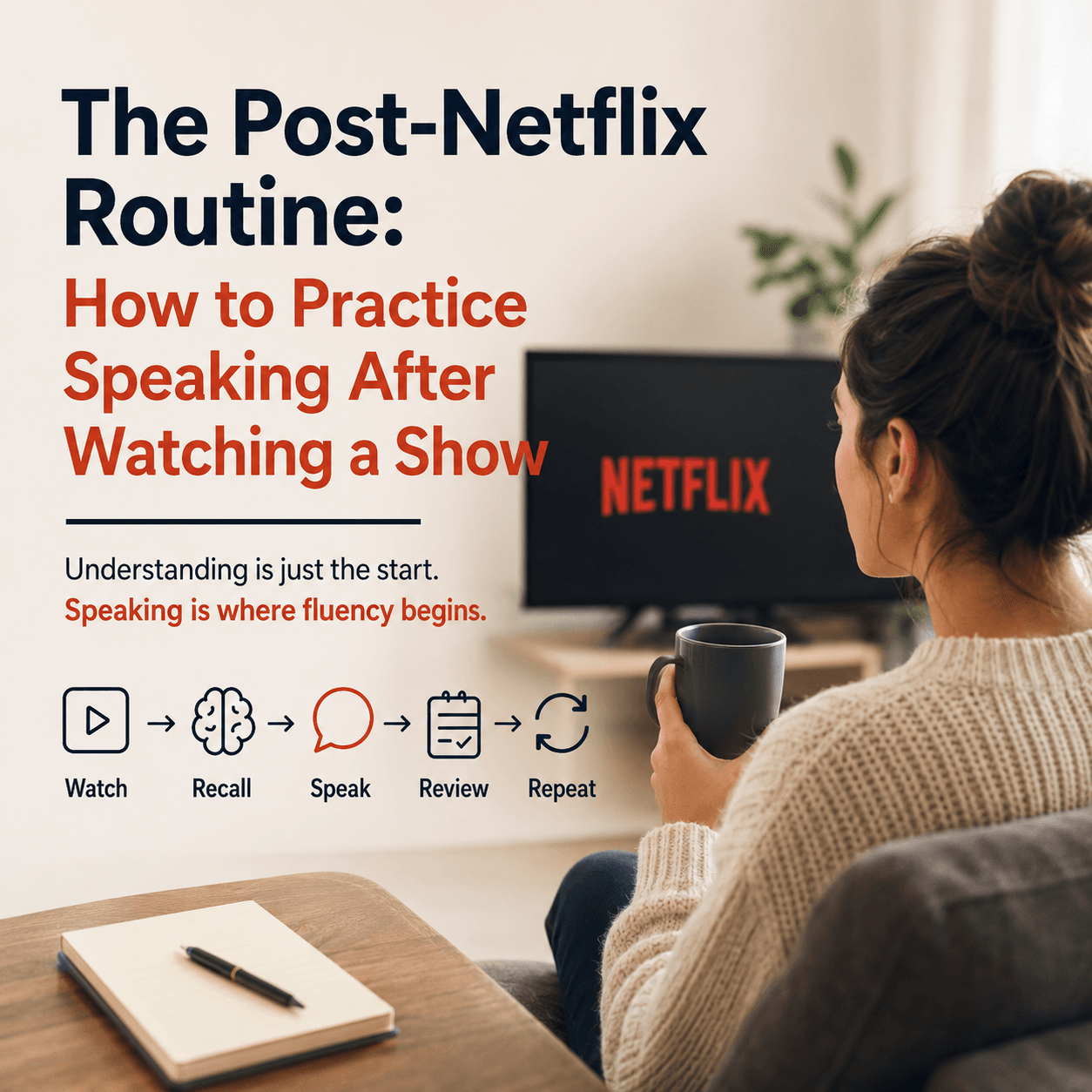
Pronunciation improves through output, not just input. The most effective technique available on YouTube is shadowing: play a short clip, pause it, and immediately repeat what you heard — matching the speaker’s pace, rhythm, and intonation as closely as possible. Start with 30–60 second segments. The goal is not perfect accuracy from the start; it is physical familiarity with how Spanish sounds coming out of your mouth.
Channels such as “Practise Spanish with Paul” and “The Spanish Dude” are good starting points. These channels offer you exercises that prompt you to repeat phrases, engage in mock conversations, and practice your pronunciation in a structured way.
For a more interactive practice, look for channels that offer you speaking practice and may include pause-and-repeat exercises which will help you with learning native pronunciation.
Grammar and Vocabulary
Building a vast vocabulary and learning grammar is essential for learning any new language. Fortunately, YouTube is home to several channels that will help you with this. Tío Spanish — grammar and vocabulary explained with humor and memorable examples. Strong for intermediate learners who need help with verb conjugation, subjunctive, and sentence structure. They offer step-by-step explanations of grammar rules, accompanied by plenty of examples and practical practice.
By combining these tools and channels, you can get a well-rounded learning experience.
Section 3: Engaging Content for Immersive Learning
How to use music videos, movie shows, and cooking shows to immerse yourself in the language.
Immersing yourself in the Spanish language is an important part of learning. It makes learning less of a chore and more like a hobby. Music videos, movies, and cooking shows are excellent for this.
Music videos expose you to the rhythm and flow of the language, especially fast-paced singing. You also get exposed to accents.
Movies will emulate real-life conversations, and you get nuances, dialects, and accents exposed to you. Watching movies allows you to pick up on the tone and body language used by real people.
Cooking shows such as the ones on “Comiendo Rico” will introduce you to vocabulary related to shopping, cooking, and recipes. What’s more, you might pick up a few delicious recipes along the way.
Benefits Of Watching Content for Natives Versus Learners
Content created for natives is complicated and intimidating at first. But they expose you to real-life concepts such as nuances, accents, colloquialisms, and slang. They will help build your authentic speaking and listening skills.
Content for learners focuses on breaking down complex concepts of grammar and language. For a complete beginner, this is the best place to start. However, the most effective way is to combine both these types of content if you want to get fluent quickly and effectively.
If you are looking for immersive content, consider channels such as Easy Spanish and Superholly. They are created for easy, understandable, and creative content.
For deeper scene-by-scene analysis of specific Spanish shows and songs — with slang breakdowns, grammar notes, and practice exercises — the Spanish TV show analyses and music articles on this site apply the same active learning method to individual episodes and tracks.
Section 4: Interactive Learning and Community Engagement
Engaging With YouTube Community Features
One of the standout features of YouTube is its vibrant community. Engaging with comments and chats is a valuable resource for feedback and practical advice. When watching videos don’t hesitate to dive into the comment section. Here you can engage with other learners, ask questions, or even volunteer answers to questions.
Live sessions are also a good way to engage with other people. Channels like SpanishPod101 host live sessions where you can ask for advice or practice your speaking.
Joining Online Spanish Groups
Beyond YouTube, you can join online communities where you can engage with fellow learners. You can ask questions, offer help to others, or practice your new language skills. Online groups such as “r/Spanish” on Reddit or Facebook groups dedicated to Spanish learners are a useful resource to immerse yourself into the language, you will also have a source of encouragement when things get hard for you.
Section 5: Creating a Personalized Learning Experience
One of the most obvious features of YouTube is the ability to curate content you want to see. YouTube is created to recommend options that are related to content you have previously interacted with. To prevent random content that doesn’t serve you, you can curate your content by using the “Add to Queue” feature. You can organize the videos in whichever way you prefer and for as long as you would like. You can add as many videos as you want and have them focused on one concept or have a different one. As you can see, it is up to you.
You can take the time to do all this. YouTube’s recommendation algorithm is useful but imprecise — it optimises for watch time, not language acquisition. Jolii takes a different approach: import any Spanish YouTube video directly into the app and it generates interactive exercises, vocabulary review, and AI speaking practice built around that specific content. Instead of passively watching a SpanishPod101 lesson or a Tío Spanish grammar video, you’re actively producing the language from it. That’s the difference between YouTube as entertainment and YouTube as a learning engine.
Final Words on YouTube to Learn Spanish
YouTube is one of the most accessible Spanish learning resources available — free, varied, and constantly updated. The channels above give you structured input at every level. The method that makes them effective is the same across all of them: active engagement over passive consumption. Watch with intention, repeat what you hear, note what you learn, and use tools like Jolii to turn what you watch into language you can actually produce. That’s how YouTube moves from entertainment to fluency.