Learning a new language, particularly English, opens up a world of possibilities because it is a widely spoken international language. However, many students find it difficult to master English. This article tries to provide a complete reference to the best ways for effectively learning English, ensuring that the content is useful, engaging, and relevant to readers wishing to enhance their English language skills.
Immerse yourself in the language.
Immersion is a highly efficient method of learning English. Immersion entails incorporating the language into your daily life to the greatest extent possible. This can be accomplished through:
Listening
Listening to English music, podcasts, and audiobooks is an engaging and effective method for improving language skills. This approach assists learners in several ways, including expanding vocabulary, enhancing listening skills, and improving pronunciation and intonation. Each medium presents unique benefits and learning opportunities:
Music
Vocabulary and terms: Song lyrics frequently include slang, idioms, and terms not found in traditional language learning materials. This exposure helps students grasp and use modern, daily language. To learn English using songs – Music also gives context to words and phrases, making it simpler to remember their meaning and application.
Pronunciation and Rhythm: Listening to music helps students hear the language’s natural rhythm, stress patterns, and intonation. This can help them better emulate normal English speaking patterns in their pronunciation.
Cultural Insights: Songs frequently reflect cultural themes, social challenges, and stories that can help learners gain a better knowledge of the English-speaking world, boosting both cultural competency and language abilities.
Ready to learn through entertainment?
Download the app now and start improving your skills!
7 Days FREE TrialPodcasts
Podcasts span a wide range of issues, including science and history, pop culture, and personal development. This variety guarantees that learners can find content that is relevant to their interests, which is critical for retaining engagement and motivation.
Authentic Language Use: Podcasts include natural conversations, interviews, and tales that expose listeners to the language as it is spoken. This real-life experience can help enhance comprehension skills over time.
Improving Listening Skills: Regularly listening to podcasts can significantly improve a person’s ability to understand spoken English. It teaches the listener how to analyze and comprehend multiple languages, speech rates, and colloquial language.
Audiobooks
Audiobooks offer extended exposure to spoken English, facilitating immersive language acquisition. This extended listening improves concentration and listening stamina, which are important abilities for language acquisition.
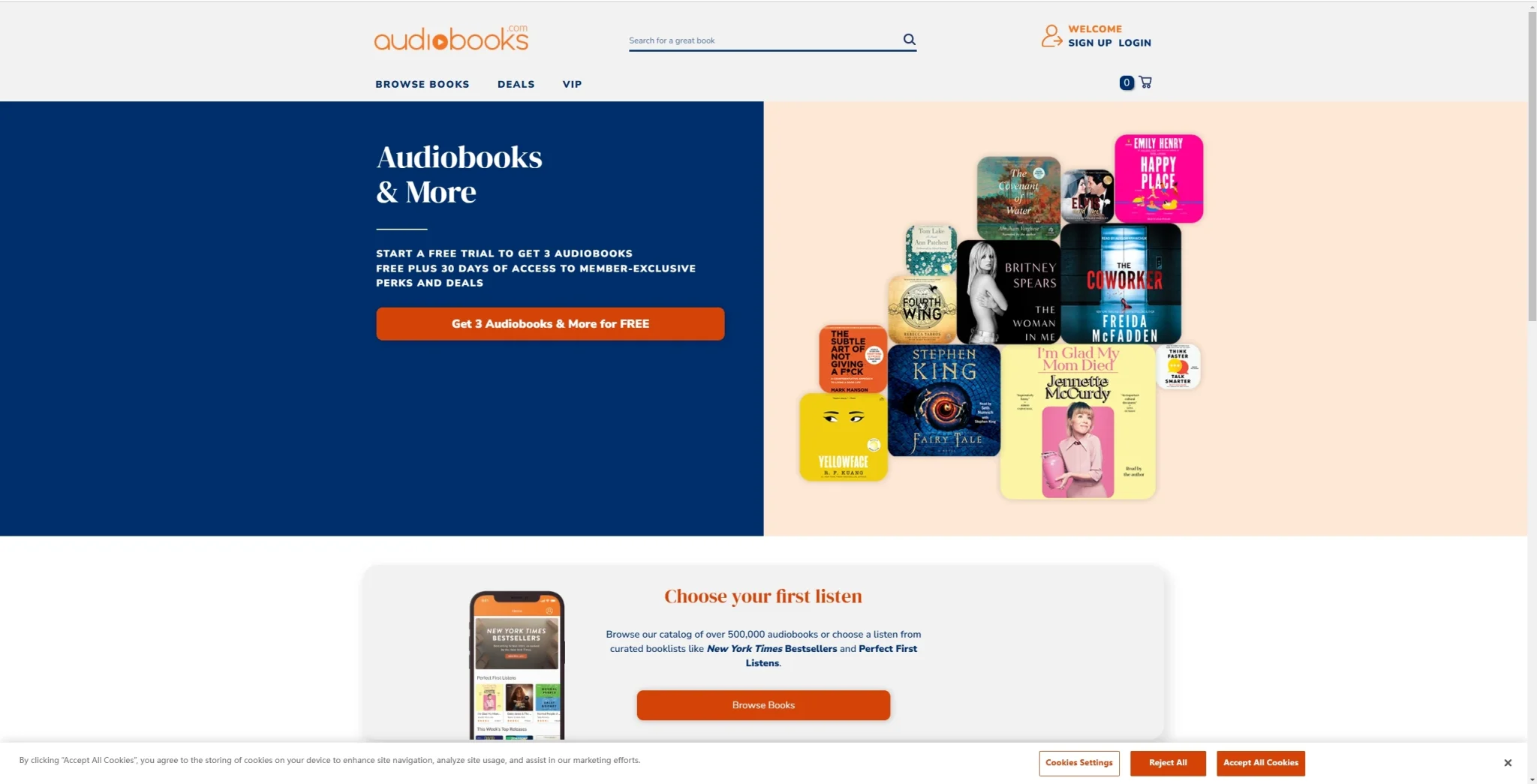
Narrative Context: Stories have a beginning, middle, and end, which helps listeners understand language nuances. The narrative context of audiobooks promotes vocabulary retention and comprehension of difficult sentence patterns.
Pronunciation Guide: Hearing books read aloud by expert speakers exposes students to correct pronunciation, assisting in the development of a more natural accent and improved pronunciation abilities.
Reading
Reading English newspapers, magazines, and books is a fundamental strategy for enhancing your English language proficiency. This approach caters to developing a broad range of linguistic skills, from expanding vocabulary and understanding grammar to appreciating nuanced expressions and cultural context. Here’s how to effectively engage with these materials at different stages of learning:
Begin with level-appropriate materials.
Identify your level: Start by assessing your current level of English understanding. If you’re just starting out, try children’s books, basic news items, or teen magazines. These sites often employ basic language and shorter sentences.
Utilize Bilingual Resources: For beginners, start with items that include translations. This could assist you comprehend the context without having to continuously consult a dictionary.
Choose Topics of Interest: Engagement is essential for learning. Choose books, periodicals, or newspapers that are relevant to your interests. Reading about topics that interest you, whether they be sports, fashion, technology, or politics, can make the learning process more pleasurable and productive.
Gradually increasing complexity.
Set Progressive Goals: As you get more comfortable, increase the complexity of the materials. Go from children’s books to young adult fiction, then adult novels. Similarly, move from simple news reports to in-depth essays and critiques.
Incorporate Diverse Genres: Exploring diverse genres exposes you to a wide range of writing styles and vocabulary. For example, fiction novels strengthen your imaginative vocabulary and phrases, whereas nonfiction books improve your academic or technical vocabulary.
Highlight and Note New Words: Keep a notepad or digital document in which you can jot down new words and phrases. Try incorporating these into your daily talks or writing to reinforce your learning.
Challenge Yourself with Complex Texts
Tackle More Difficult Literature: As your understanding improves, begin reading classic literature or professional journals in your field of interest or career. These writings contain difficult vocabulary and complicated sentence patterns, challenging you to improve your language skills even more.
Engage with Critical Reviews and Analyses: Reading criticisms or debates about books you’ve read can also help you comprehend them better, providing insights into details you may have missed.
Join English Reading Groups: Participating in book clubs or online forums can push you to share your ideas on what you’ve read, giving you practice in writing more complex sentences and concepts.
Integrating Reading into Daily Practice
Daily Reading Habit: Set aside a certain period each day for reading. Consistency is essential for steady advancement.
Utilize technology: Use apps and internet resources to obtain English reading materials. Many libraries and platforms provide free access to newspapers, magazines, and ebooks in English.
To reinforce your learning, combine reading with listening (audiobooks or podcasts on the same subject) and speaking (discussion of the information with others).
Enroll in Online Courses and Classes
Enrolling in online courses and classes is an excellent way to structure your English learning journey systematically. These courses often provide a comprehensive curriculum that covers various aspects of the language, including grammar, vocabulary, reading comprehension, speaking, and writing skills. Here’s how to make the most out of online English courses:
Choosing the Right Platform.
Start by researching major online learning platforms like Coursera, EdX, Udemy, and Duolingo. Each platform has distinct strengths, course options, and teaching methods.
Check for Accreditation: Look for courses provided by accredited colleges or recognized language teaching organizations. Accreditation assures that the course fulfills specific quality requirements and that your learning efforts are recognized.
Consider Course Levels: Choose courses that correspond to your current proficiency level. Most systems provide a placement test to assist you in determining an appropriate beginning point.
Engage with Course Content
Select courses that include interactive components. Quizzes, assignments, and interactive videos can all improve your learning experience by allowing you to practice what you’ve learned in a structured setting.
Participate in Forums: Many online courses provide discussion forums or community boards where you can interact with other students and teachers. Participating in these forums can help you comprehend more, provide extra perspective, and allow you to improve your writing and communication abilities.
Feedback and Correction: Look for classes that provide individualized feedback, particularly for writing and speaking projects. Constructive feedback is really useful for understanding your faults and learning how to fix them.
Maximizing learning outcomes.
Certification and Credentials: Completing a course that includes a certification option not only gives you a sense of accomplishment, but it also adds value to your résumé or academic portfolio, especially if you’re studying English for professional or academic purposes.
Repeat and Review: Don’t be afraid to revisit lessons or activities that were particularly difficult. Repetition is an essential component of language learning.
Extend Learning Beyond the Course: Apply what you’ve learned in your daily life. To reinforce your new skills, try reading, writing, speaking, and listening to English in as many real-world scenarios as possible. Learn from your common mistakes, and don’t be afraid to make them!
Engage in Cultural Exchange
Engaging in cultural exchange is a great way to deepen your understanding of the English language, as it is intrinsically linked to the cultures of the people who speak it. Cultural insights can provide context to language usage, idiomatic expressions, and the nuances that dictionaries often can’t convey. Here’s how you can immerse yourself in English-speaking cultures:
Experience the Cuisine
Food is a central part of any culture. Try cooking traditional dishes from English-speaking countries. Look for recipes and cooking videos in English to practice your language skills while learning about the cuisine.
Read Literature
Delve into English literature, starting with simplified versions of classics if you’re at a beginner level. As your proficiency increases, you can progress to more complex texts, which will give you insights into cultural norms, values, and historical contexts.
Learn About History and Traditions
Study the history of English-speaking countries to understand how the language and culture have evolved. Learning about traditions and holidays can also help explain certain phrases and references used in English.
Participate in Cultural Festivals and Events
If possible, attend cultural festivals or events in your local community or online. These can be a great way to experience the culture firsthand and practice your English.
Language Exchange Partners
Find a language exchange partner who is a native English speaker interested in learning about your culture and language. This exchange is mutually beneficial and allows for a deeper cultural understanding.
Join Online Communities
Engage in forums and social media groups focused on cultural exchange. Reddit, for example, has communities for nearly every interest and aspect of English-speaking cultures.
Travel Virtually or Physically
While not accessible to everyone, traveling immerses you in the language and culture in the most direct way. If traveling isn’t possible, virtual tours and experiences can be an alternative.
Wrap up
Learning English effectively requires a multifaceted approach, combining immersion, practical application, structured learning, and a healthy dose of patience and persistence. By incorporating these strategies into your learning routine, you’ll not only improve your English but also enjoy the process along the way. Remember, the journey to language proficiency is as rewarding as the destination. With dedication and the right approach, mastering English is well within your reach.