The IELTS and TOEFL exams are two of the most common English language tests out there for learners, and are a great means of measuring how proficient you have become. Thousands of students take the tests each year for this reason, and because they can open doors to top universities and global job opportunities. For many learners, these exams represent not just a goal but a pathway to new opportunities.
If you are one of these students preparing to take one of these exams, you might be feeling anxious or overwhelmed. Fear not; here are some tips and strategies you can use today to learn English fast and prepare for exams.
1. Create a study plan
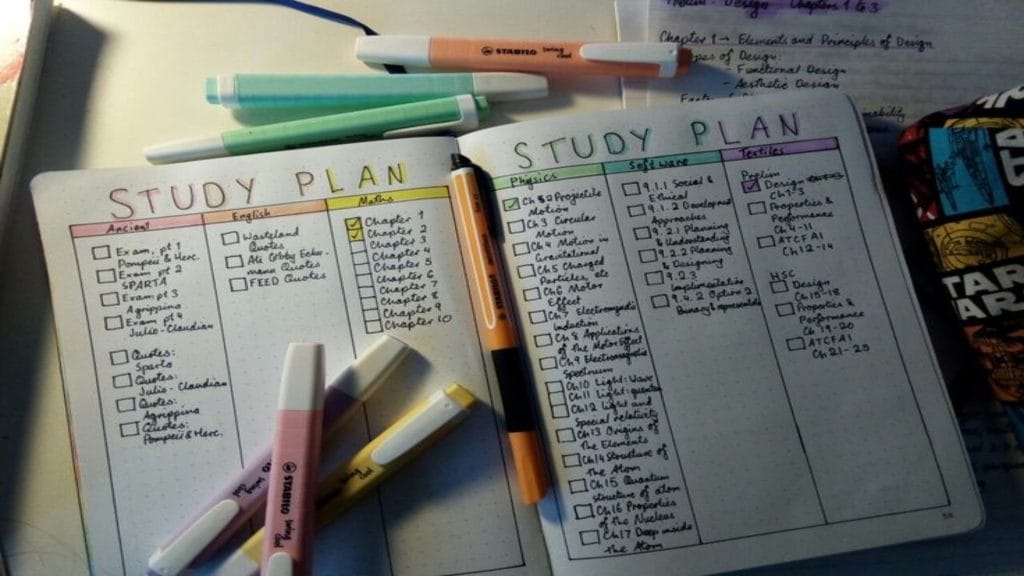
To begin with, practice makes perfect. So, you will need to organise your time to make sure you are spending enough time on each skill required to ace the exams.
Learning a language is not just about all the hours you put in, but also about using those hours efficiently to get the most out of your sessions.
For example, on Mondays from 5-6.00 pm, practice speaking for one hour with a partner or using digital AI tools. On Tuesdays, dedicate your hour to reading or writing. Do what works for you, but make sure you stick to it.
The earlier you start your study sessions, the better, so that you give yourself more time to build fluency in the English language. Take a look at these strategies backed by science to help you learn fast and incorporate them into your sessions.
2. Prepare using practice exams and revising the exam structure

The first thing you need to do in your study preparation is to take a look at previous exams to better understand how the tests work and how you are expected to answer questions in the correct format.
The IELTS and TOEFL both follow a clear structure, as follows:
- They are divided into four sections: Listening, Reading, Writing and Speaking.
- You can take the IELTS in person, on a computer or on paper. Alternatively, you may also take it remotely under online supervision. The TOEFL can be taken at an authorised testing centre or online remotely.
- Both tests will have between 30 – 60 minutes to complete each section, except for the speaking test, in which you will have between 11-17 minutes to answer.
- IELTS is scored between 0-9, with a passing score of at least 6.0 – 7.0
- TOEFL is scored from 0-120 (generally, a score of at least 80 is needed to pass).
Using the official TOEFL site, you can find sample tests and purchase resources like study planners and test preparation guides. You can find their resource library here.
Likewise, you can find resources for study preparation on the IELTS official webpage. Take a look at some sample questions here.
Reviewing mark schemes and answer practice exams will help you to understand how examiners want you to answer their questions and will help you achieve an excellent result on the test.
3. Develop strategies to practice each language skill that you will be tested on.
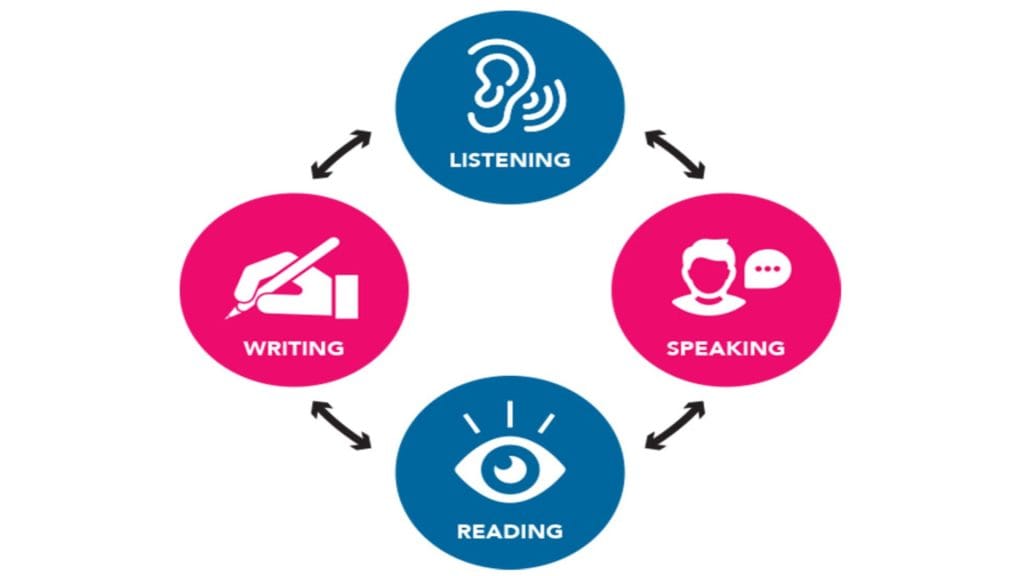
Listening, reading, speaking and writing are the four skills you will be tested on. You can break down your exam preparation based on each skill set to make your study prep more manageable and organised.
Experiment with different learning strategies to figure out which works best for you.
Let’s break down each skill one by one with suggested learning strategies you can use to help learn English fast and ace this exam.
Listening:
- Start by taking online listening practice tests to get used to the exam format. As you listen, focus on context clues to predict meaning—if you hear “dog,” for example, the topic might involve pets.
- In addition, listen to English podcasts, news, or audiobooks daily. Gradually remove subtitles when watching movies or shows and write down unfamiliar words. Over time, your ear will adapt to different accents and speeds.
Speaking
- Practice speaking English aloud with a partner; this is a great confidence-building exercise. If you don’t have a partner, use an English Language Conversation Exchange app or online tool to practice with native-speakers.
- Record yourself responding to sample questions; listen to the recording and review your pronunciation with a tutor or a friend
Writing
- Revise and practice writing tasks: IELTS Task 1 requires describing charts and graphs. Task 2 focuses on essay writing. The TOEFL writing task will be independent and integrated writing. You may have to read and listen to a lecture and write a response to a question that asks about the relationship between the information you have read. You can find mock writing tests here.
- Use AI tools, like ChatGPT, to review your work for any errors. You can also submit it to your tutor for feedback.
Reading
- The IELTS reading section will present passages sourced from books, journals, magazines, newspapers, and online materials.
- The TOEFL reading section focuses on academic reading skills with multiple-choice and “insert sentence” questions.
- To prepare, practice your reading and comprehension skills every day by reading in English. Focus on subjects you are interested in to stay motivated and build your vocabulary and understanding of English grammar.
4. Get a good night’s sleep before your exam.
Remember to get a full night’s sleep the night before your exam date. You will want to function at your best to ensure your brain is alert and ready. If you get nervous before an exam and struggle to sleep, then try some gentle yoga before bedtime, deep breathing exercises or meditation. You could also try reading before bed to switch your brain off from thinking about the exam before sleep.
Final Thoughts
Use these strategies and see what works for you. Make sure to devote enough practice time to each skill to ensure that you can pass each section of the exam. Complete practice papers at home under time restrictions to simulate actual test conditions and build your confidence. Preparation is key. With focus, persistence, and the right study plan, you’ll not only pass your exam — you’ll build a skill that opens global opportunities for life. Start today, and your future self will thank you.