You’ve probably heard it before. “If you don’t start learning a language when you’re young, you’ll never catch up.” Or maybe someone has told you that adults can’t learn English as fast.
But here’s the truth. That’s one of the myths in learning English quickly. In fact, science shows the opposite. A study comparing adults and children shows that grown-ups outperform younger learners during the early stages of immersion.
Why, you may ask. Adults can use their conscious tactics and life experiences. You already know some grammar rules or sentence patterns that work in your first language. Your brain then uses this knowledge to understand new words and phrases in English.
Let’s look at what’s happening inside your brain when you start learning a new language, and why some methods work better than others.
How Your Brain Actually Learns a New Language
Your brain isn’t meant to store English words and language rules. It’s built to recognize patterns.
Multiple studies show that bilingual individuals have better cognitive flexibility and demonstrate stronger creative abilities and problem-solving skills.
This means every time you practice English, you are literally rewiring your brain. You are creating new connections in a process called neuroplasticity. However, there’s a catch. These connections need reinforcement; you need to speak and listen consistently; otherwise, they will fade away.
Memorizing English word lists isn’t enough; you need to have conversations in a meeting or with a friend to make it stick.
English Learning Techniques That Work
Let’s focus on what science actually proves works.
Repetition is Your Secret Weapon
According to psychologist Hermann Ebbinghaus, over 80% of people easily forget what they have learned within a day, unless they consciously review it.
So, here’s what works. You should review new words constantly. Having an interval approach strengthens neural pathways each time you successfully recall a word.
For instance, if you tried learning 50 new business English terms in one sitting before a presentation. Two days later, you might not even remember 10. A good practice is to review 10 words daily and expand the intervals to improve your retention.
You can also study for 20-30 minutes a day.
Learning Through Media

You need to consume English content that’s challenging enough to push you but not so difficult that you get lost. Here’s what to do:
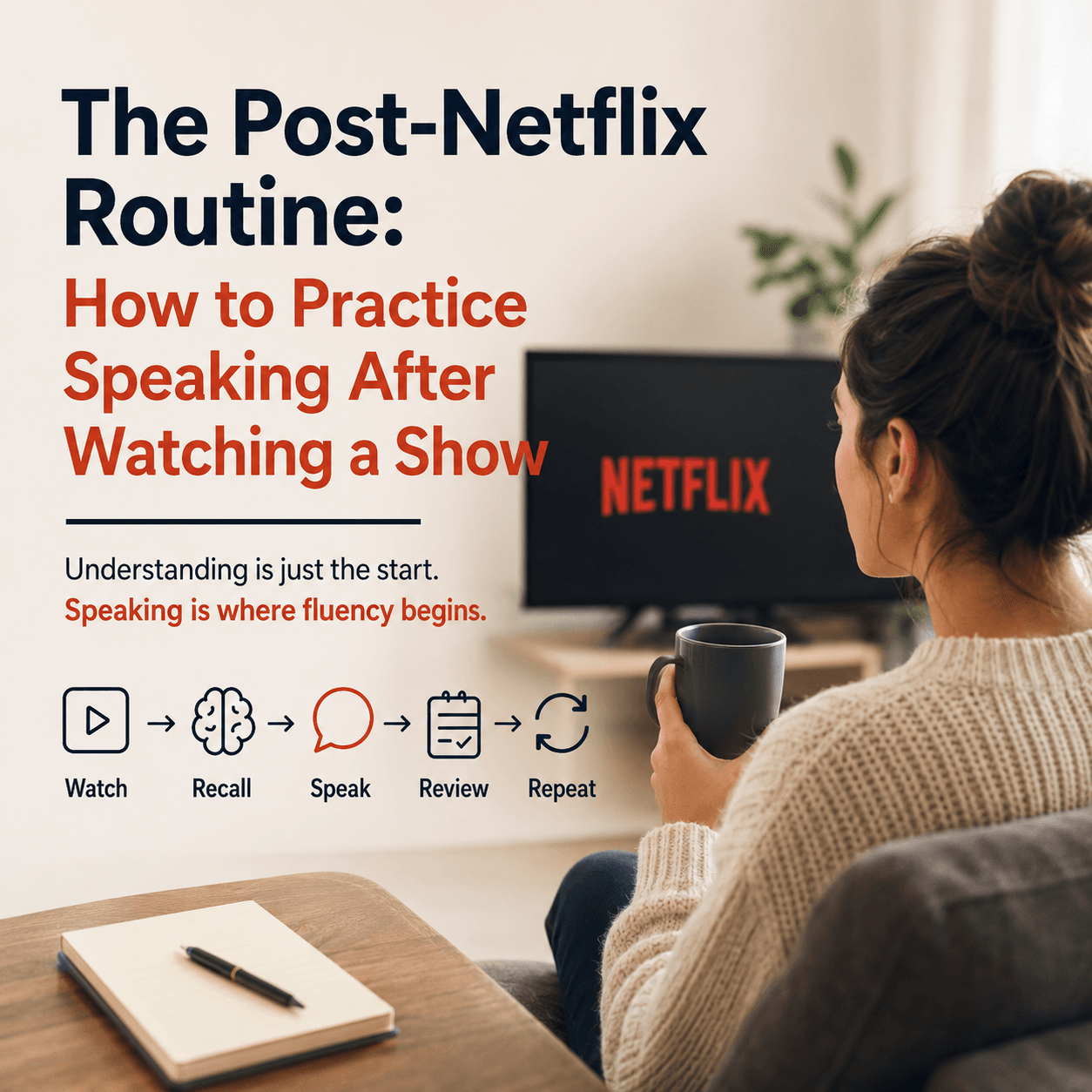
- You can learn English on Netflix as you watch your favorite shows. Turning on English subtitles gives your brain extra context, allowing you to make sense of the language.
- Start reading English articles to keep you in an optimal learning zone.
Speaking Often
If you made a mistake pronouncing words at a meeting last week, you might be feeling embarrassed to speak up again. But this shouldn’t stop you.
Mistakes are part of the process, and your brain will keep adjusting as you actively speak new English words you’ve learnt.
Use Technology
If you’re feeling stuck, you should consider AI language apps like Jolii.ai that personalize your learning.
This tool analyzes your speech and provides instant feedback. You can import your video content from Netflix and YouTube to improve your pronunciation. You can also record yourself and speak with an AI chatbot.
The more you practice with the platform, the more your brain adapts.
Popular Learning Methods That Don’t Work
Here are some things that are slowing down your learning progress:
Studying Grammar Translation Without Context
Memorizing grammar rules in isolation is a huge mistake. You need context. You need to see how native speakers actually use these structures in real conversations.
Let’s say you just learnt the phrase, “I’m going to”. In a longer sentence like, “I’m going to travel next week”, it can mean future plans, while “I’m going to call her now” is an immediate intent.
Without context, learners miss the nuance.
Perfectionism
Maybe you said “He go to work” instead of “He goes to work.” That small mistake shouldn’t stop you from progressing. It takes a while to understand some English grammar rules, such as the simple past and present perfect tenses.
Don’t be afraid to practice speaking, even if your pronunciation is still not perfect. You can:
- Start practicing speech with a friend
- Use AI language tutors that listen to your words and correct your mistakes
No Clear Plan

How long do you have to learn English?
If you don’t have a plan, you’ll burn out and feel frustrated when you hit a plateau.
Create a checklist and assign activities with clear information on when you practice speaking, grammar, writing, and reading. This way, you can train your brain to retain information.
Final Takeaway
There’s no magic timeline for fluency.
The science is clear; your brain can learn English quickly, but only if you work with it through consistent practice.
Immersing yourself in the process and creating daily habits will get you there faster. And when you need a boost, you can integrate Jolii.ai into your fluency plan and start building those neural pathways.
FAQs
What is the scientifically proven method to learn English?
Research consistently shows that a mix of immersion and repetition works best. Instead of cramming words, you can review what you’ve learnt regularly. You should also incorporate fun learning methods, such as English movies, songs, and other video content, to strengthen your memory and language comprehension.
What is the best way to learn a language by yourself?
You can surround yourself with anything English-related. Use AI apps like Jolii to give you feedback on pronunciation and grammar. Combine this with habit stacking, such as listening to an English podcast while cooking or commuting.
How can I start learning English quickly?
To learn English fast, focus on active learning. This involves speaking, listening, and thinking in English as often as possible. Don’t aim for perfection; speak even when you make mistakes.