Thirty days doesn’t sound like much. But I’ve seen people make incredible progress in that time when they commit to practicing every single day.
Maybe you got a new job and need English fluency fast. Or you’re relocating soon and panicking a bit. The big question is whether one month gives you enough time.
Short answer? Yes. You need the right approach though. With a clear structure, you’ll stop feeling stuck and actually start speaking with real confidence. Remember that character from your favorite show who sounds so natural when they talk? That can be you.
Let me show you exactly how to do this. First though, we need to talk about why planning matters.
Why Do You Need a 30-Day English Fluency Plan?
Going to the gym without a plan doesn’t work. You show up, do random stuff, and wonder why you’re not getting stronger. English is similar. Consistency beats everything. When you follow a clear plan and practice regularly, your listening gets sharper and pronunciation improves way faster.
A concrete goal changes how you approach learning. No more feeling lost or wondering what to study next. Each week has a focus.
Say you’re flying to London or New York next month. Learn the basics first. Real phrases like “Excuse me,” “Can you help me?” and “I’d like to order this.” Master those and build up from there.
The frustrating part about learning? You work hard but still struggle with basic stuff. This plan solves that problem. Choose one skill. Focus on it for 30 days. By the end, you’ll feel ready to actually use English when traveling or working.
Your Step-by-Step 30-Day English Learning Plan
Breaking this into weekly chunks makes learning English fast manageable. No overwhelm, just steady progress.
Week 1: Build Your Foundation
Keep things simple. This week is about pronunciation basics and essential grammar. Your daily routine looks like this:
Watch 10 or 15 minutes of beginner YouTube lessons. Find channels that don’t bore you to tears.
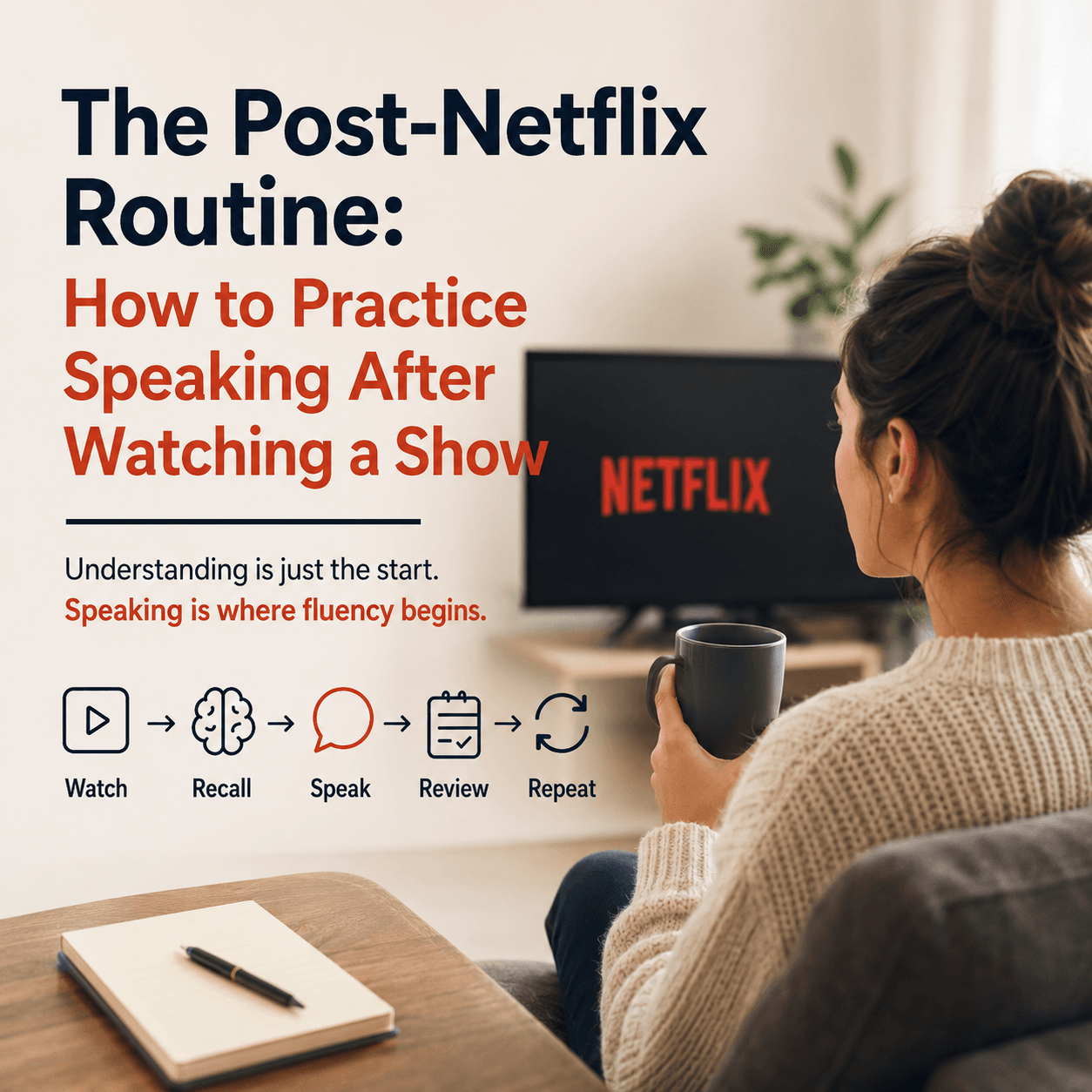
Turn on English subtitles while watching Netflix. You’re watching anyway, might as well learn.
Write three sentences about your day before bed. Short ones count.
Nothing complicated. Just consistency.
Week 2: Boost Your Listening and Speaking Skills
Time to use what you’ve learned and engage in active learning. Speaking more helps you catch mistakes and build confidence faster.
Real conversations matter now:
- Listen to podcasts or interviews with native speakers. Then repeat what they said out loud. Yes, it feels strange at first. It works though.
- Record yourself reading or describing your day. Listen back later. You’ll notice what sounds natural and what needs fixing.
- Practice with someone. A friend works. Language partners work. Anyone willing to speak English with you.
AI language tools help a lot here. They give instant feedback without making you feel judged. Pretty valuable when you’re still nervous about speaking.
Week 3: Expand Your Vocabulary and Real-Life Usage
Learning English for work? Vocabulary makes conversations flow better. You’ll chat with colleagues easier and know when to sound professional versus casual.
Making new words stick:
Learn 10 to 15 new words daily. Pick themes like food, hobbies, or work jargon. Grouping by topic helps memory.
Read English articles or blogs. Then summarize them in your own words.
Use the words you learn. Memorizing isn’t enough. Learn “commute”? Say it: “I commute to work by train every morning.” Say it multiple times out loud.
Practice speaking these words regularly. Describing things around you or sharing opinions gets easier. You won’t freeze mid-conversation searching for the right word.
Week 4: Practice Through Immersion

Immersion means surrounding yourself with English constantly. Your brain eventually starts thinking in English automatically. Sounds intense but it’s actually fun.
What to do:
- Spend an hour daily doing something in English. Read. Watch shows. Journal. Think to yourself in English.
- Narrate your actions out loud. “I’m making coffee.” “Checking emails now.” “Planning my weekend.” Silly? Maybe. Effective? Definitely.
- Listen to music in English. Actually focus on the lyrics. You pick up more than you’d expect.
- Record short videos of yourself speaking. Nothing fancy. Just talk about your day or weekend plans.
Express yourself even when you mess up. Mistakes teach you faster than perfection.
Tools like Jolii.ai work great this week. Connect them to Netflix or YouTube. Practice with content you actually enjoy.
Tips to Stay Consistent During the 30 Days
Education First (EF) found that learning speed depends on your starting level and practice habits. Staying motivated matters:
- Set a routine. Study at the same time daily. Your brain adapts and it stops feeling like a chore.
- Track progress visually. Mark days on a calendar or use an app. Watching those checkmarks pile up keeps you going.
- Switch things up. Bored with flashcards? Watch a movie instead. Play a language game. Variety prevents burnout.
Final Thoughts
Learning English on a deadline stresses people out. I get it. But showing up daily and following a routine builds confidence quicker than you think.
Creating a plan is easy. Sticking to it separates people who improve from people who give up. Practice English in real situations as much as possible. The more you do it, the more natural it feels.
Want to speed things up? Try Jolii. Soon you’ll have conversations without second-guessing every word. You can do this.
FAQs
Can I really improve my English fluency in 30 days?
Yes. Daily practice with speaking, listening, and new vocabulary creates noticeable progress. Perfect English in 30 days? No. Confident enough to communicate? Absolutely.
How much time should I spend each day on this plan?
Around 20 to 30 minutes works. Long cramming sessions don’t beat short daily practice. Consistency matters most.