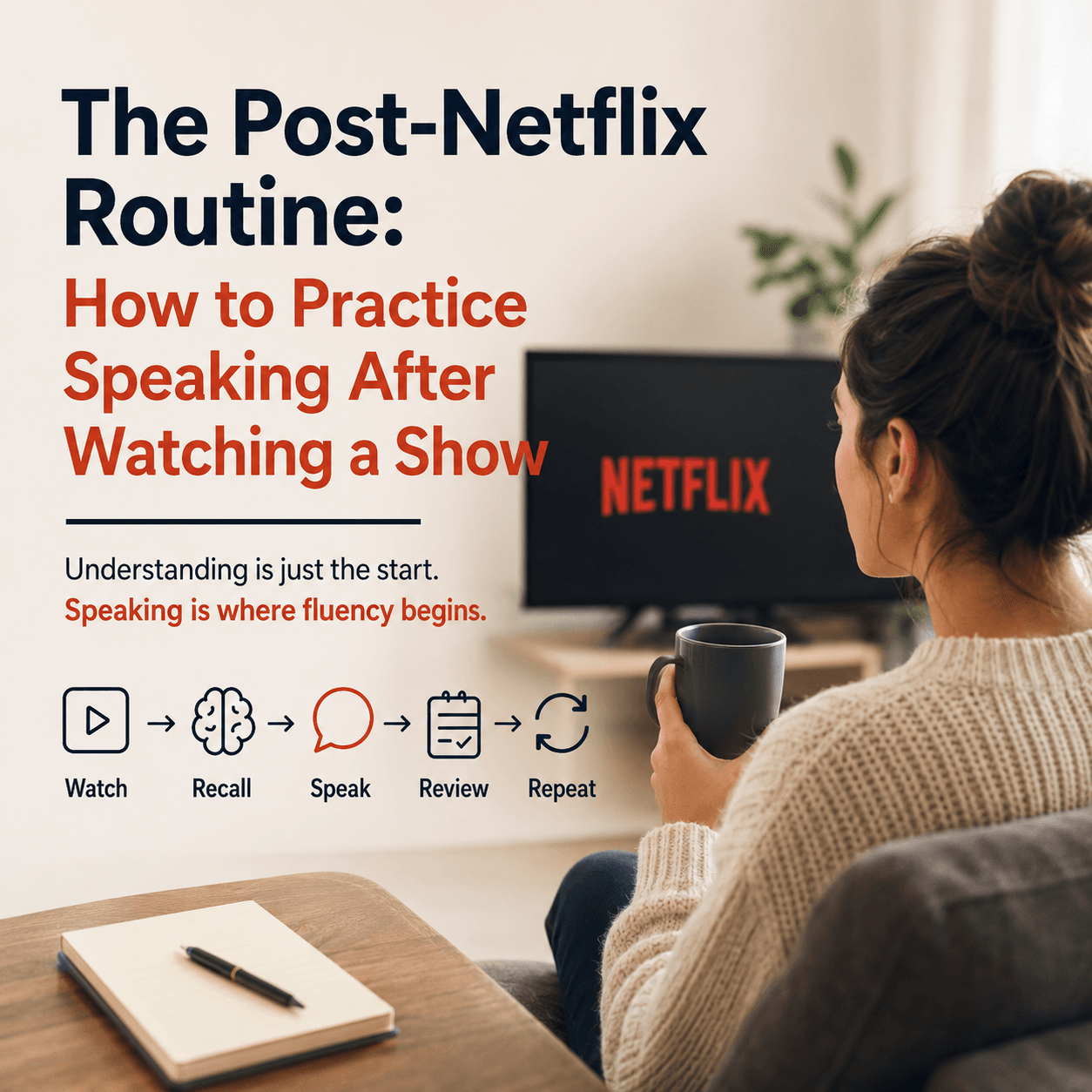
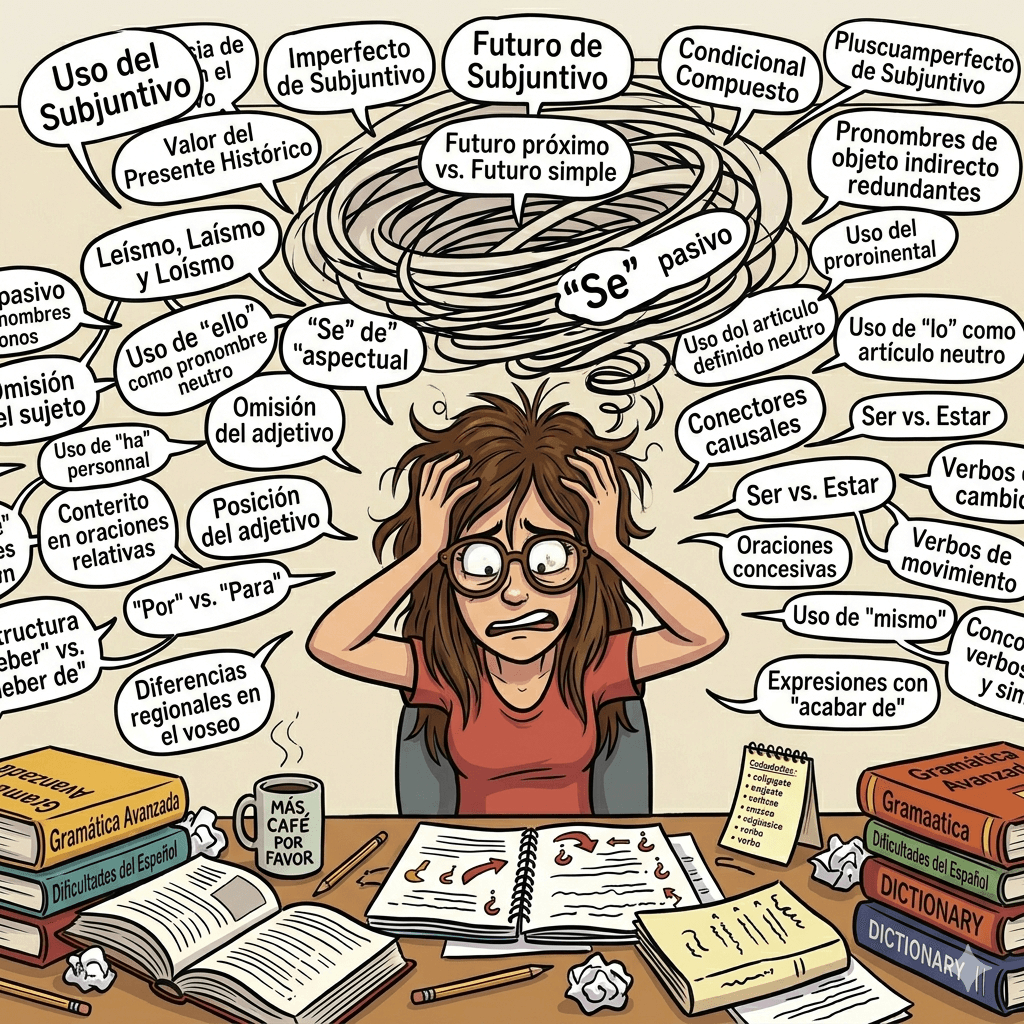
Many language learners delay speaking because they want to “listen first.” But how much listening is enough before you start speaking? I’ve seen students sit back rather than get involved in a conversation in the language they’re learning. In second-language acquisition, this is framed as comprehensible input vs. output timing. But is it even a good idea to wait? In this article, you’ll learn how listening supports speaking, when to start talking, and how to balance both without stalling progress. The outcome: a clear, realistic strategy you can apply immediately to any language.
Listening Lays the Foundation
Feature: Listening exposes you to real speech patterns.
How it works: When you listen to content that you mostly understand, your brain absorbs grammar, rhythm, and common phrases even before you speak them.
Outcome: You build a mental map of the language that makes speaking easier.
- Listening to real sentences → subconscious pattern recognition → natural phrasing later.
- Listening to native pronunciation → phonetic mapping → better speaking clarity.
Research shows that comprehensible listening input expands vocabulary and builds grammar awareness before a learner produces language themselves. In my own classes, I often see beginners stay silent for the first two or three weeks — even when they clearly understand what’s being said. Those who start speaking early (even with short, imperfect sentences) almost always gain confidence faster than students who wait until they “feel ready.” Even though it may not look like it, these are some of the most important weeks in their language development as they adapt to this new environment and learn to mimic those around them.
Start improving your listening with comprehensible content — try graded audio or beginner videos.
Speaking Turns Listening into a Skill
Speaking is where listening turns into a usable skill.
How it works: Producing language forces your brain to find words, test grammar, and retrieve patterns you’ve heard.
Outcome: You notice what you don’t yet know and strengthen your memory through practice.
- Trying to speak → retrieval from memory → stronger long-term retention.
- Getting feedback when speaking → noticing errors → faster improvement.
According to the Output Hypothesis, using language (even imperfectly) helps learners see gaps between their understanding and ability to communicate. So, although it might feel awkward at first, it’s much better to start speaking from the outset of learning a new language.
Even simple speaking practice (like self-talk or shadowing) pushes your skills forward.

How Much Listening Before Speaking?
A useful rule of thumb:
If you can follow the main idea of beginner audio or video without translating every sentence, you are ready to start speaking.
You don’t need full comprehension. You need recognition of patterns: common verbs, sentence rhythm, and predictable structures.
The only time it makes sense to delay speaking is when a learner is completely overwhelmed by sound and cannot yet follow the basic meaning of beginner input — in that case, a short listening-only phase helps reduce cognitive overload.
Feature: Balanced listening + speaking beats “just listening forever.”
How it works: Listen enough to understand most of what you hear, then begin speaking in low-stress ways (like memorised sentences, shadowing, or language exchange).
Outcome: Your fluency grows faster and more naturally when you start early than if you wait too long.
- Listening to understand → foundation built → ready to produce.
- Early speaking practice → confidence + notice gaps → stronger output skills.
Language researchers emphasise an integrated approach — blending listening and speaking from early stages improves overall proficiency.
This means you don’t need perfect listening first — you need enough listening to support early, consistent speaking practice.
In other words, don’t wait! Start speaking immediately. That’s how you will learn.
For a deeper dive into how listening works in language learning, read What Is Comprehensible Input in Language Learning?.
FAQs (Quick Answers)
Do I need to understand every word before I speak?
No — aim to understand most of what you hear, then speak anyway. Waiting for perfect understanding slows progress.
How long should I listen before speaking?
There’s no fixed number of hours. Instead, listen until you feel comfortable with patterns, then start speaking with low-pressure activities like shadowing or memorised dialogues.
Can I start speaking if I can’t make full sentences?
Yes! Even phrase-level speaking (e.g., greetings, set responses) builds confidence and vocabulary.
If you’re not sure when to start speaking, do this:
- Listen to beginner content until you understand the main idea
- Start speaking with memorised phrases or short responses
- Use low-pressure methods like shadowing or self-talk
- Increase speaking gradually instead of waiting for confidence
- Remember to enjoy the process and embrace your mistakes!
Final Takeaway
Don’t delay speaking until you “feel ready.” Use listening to build your foundation, but begin speaking early and often. Speak up more often if you are in a language exchange group or find a one-to-one tutor. It’s okay to make mistakes. This is how you learn and get the most practical use out of your new language skills.
Ready to balance listening and speaking? Explore more language learning strategies on Jolii.ai