I am an ESL teacher based in Panama, where I have been helping students learn English for over 5 years. One of the most frequently asked questions by my students is, “How long will it take to become fluent?”
The answer, of course, depends on the person.
However, there are proven techniques you can use to learn the English language quickly and train your brain to think directly in English, rather than relying on translation.
So keep reading if you want to learn some techniques you can easily use every day in your language learning journey. The following tips have helped many of my students learn English fast by changing how they think.
1. Build Word Associations
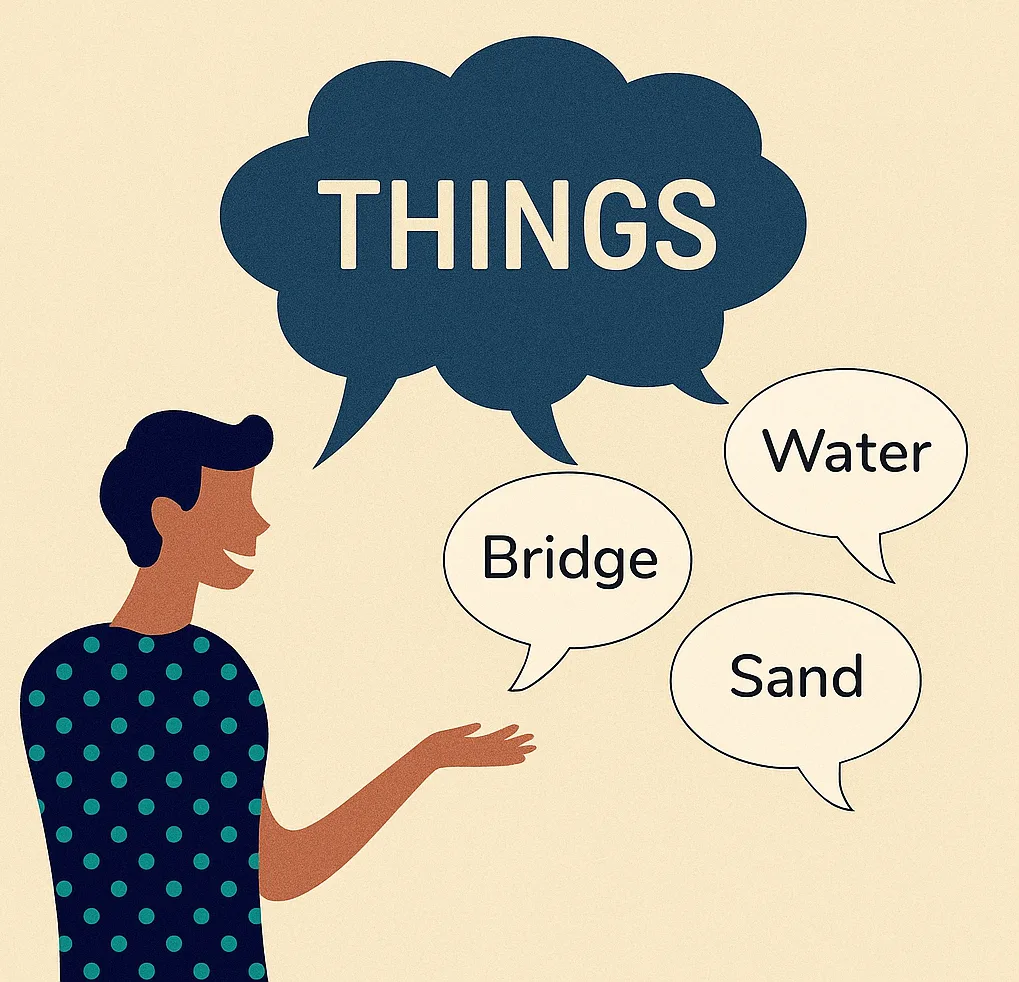
When learning a new language, it’s easy to feel overwhelmed by the amount of new vocabulary. So remember, learning a new language is not about learning long lists of words. Word associations can help you remember and use new words much faster.
Here’s how you can use word associations to help you think more in English:
- Firstly, you can connect words and phrases with real-life actions. For example, when learning verbs, act out the action as you say it. If the verb is to run, then run on the spot. If the verb is to smile, then flash someone a smile! The words will stick in no time.
- Use visual aids. Flashcards, pictures, or real objects make it easier for your brain to connect meaning and spelling. When you see a photo of a dog next to the word dog, your brain creates a stronger connection.
- Name objects around you in English. This might seem silly, but simply by pointing at things in your environment — the door, the table, the tree — and saying their names in English is a great technique for learning new vocabulary. This simple habit helps you start to think in English naturally.
Tip: If you forget a word in a conversation with a native speaker, use descriptive language . For example, I was trying to explain to my cleaner where I had left my house keys for her to find. I told her in broken Spanish that the keys were “under the thing that sits next to the door, that sits on top of the floor.” Even though I couldn’t remember the exact word for doormat in Spanish, the cleaner knew what I meant based on my not-so-perfect description. Remember, your listener will understand you when talking in context. So use descriptive language to help you stay confident and keep thinking in English. You don’t always need a translator.
2. Change Your Device Settings to English
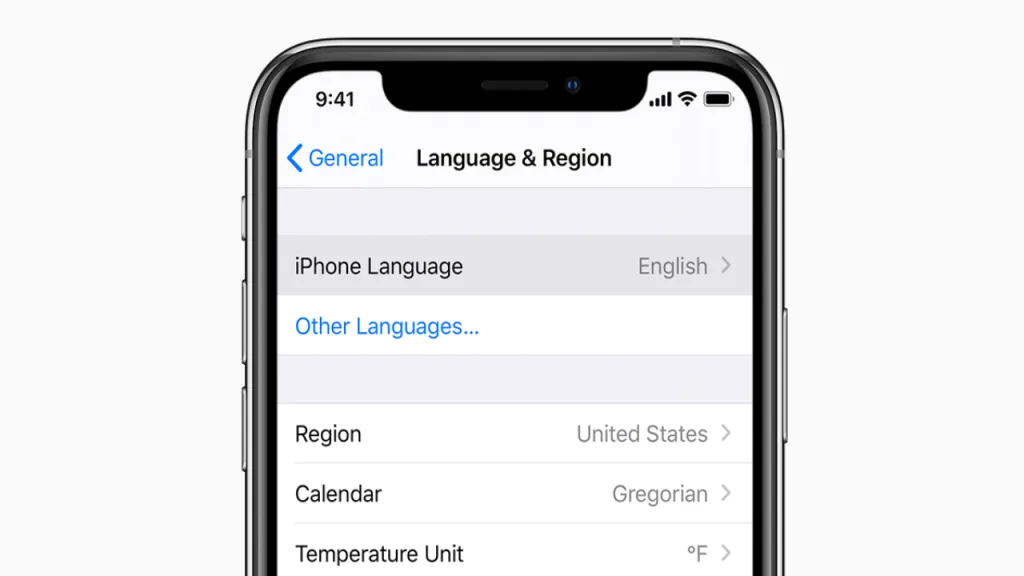
A quick and easy way to start thinking in English and learn the language fast is by surrounding yourself with English every day – starting with your phone or computer.
Globally, the average time adults spend on screens is 6 hours and 45 minutes, including their phones and computers. So something as simple as changing your device settings to English will familiarize your brain with the language and build pattern recognition.
Start by changing your smartphone’s default language settings to English. This way, you’ll constantly see words like settings, messages, camera, and clock. Over time, you’ll recognize these words instantly and even remember their spelling.
I used this trick when I started learning French, and I would become frustrated by my inability to remember the word for clock every time I wanted to set my alarm. Eventually, it became second nature, and I think it’s now practically impossible for me to forget the word horloge (French for clock).
This simple change immerses you in English without extra effort — helping you think in English faster. Before long, you will automatically type clock into your phone’s search bar whenever you need to set that early morning alarm.
3. Listen to English Music

Listening to music in English is one of the easiest and most enjoyable ways to learn English fast, and studies have shown it to also be very effective.
Catchy songs from your favorite artists get stuck in your head and replay throughout the day – helping you remember vocabulary and pronunciation effortlessly.
To make the most of it:
- Search for the lyrics and read along while listening. Most streaming services have this option built in, so you can listen and sing along. Not only will the words become ingrained, but you can also learn the spellings too.
- Look up the meaning of new words to understand what you’re singing.
- Try memorizing your favorite songs – it’s a fun way to practice pronunciation and impress your friends at karaoke!
Music helps you to internalize native pronunciation, slang, and everyday expressions – key elements for thinking naturally in English.
My students love to learn English through music. Popular songs from worldwide recognized artists like the Jackson 5, Bruno Mars, Queen, etc., are particularly popular for their catchiness, relatable themes, and clearly spoken lyrics. Using Jolii, you can import any YouTube song and practice with the lyrics. Take a look at some strategies on how music can help you learn here.
Final Thoughts
Try any one of these simple tricks today to begin your journey towards thinking in English in your day-to-day life. Once you have incorporated some, if not all these techniques into your daily routine, you will quickly notice the difference in your speaking ability.
Fluency comes from consistency and exposure, so the more you train your brain to think in English, the faster you will reach your language goals.
Keep practicing, keep speaking, and before you know it, you’ll even be dreaming in English!