As we all know, time flies, especially when you have a big trip coming up! It might feel like you don’t have enough time to learn English before your trip to England, Australia, or the United States, but don’t panic. With just a few tips and tricks and a bit of planning, you can learn English fast for traveling.
How Can You Learn English Fast Before a Trip?
Let’s face it: unless you have years to study, you won’t be able to learn the entirety of the English language before your trip. But that doesn’t mean that you can’t learn enough to get around! Here are some tips for learning English fast for traveling.
Immerse Yourself
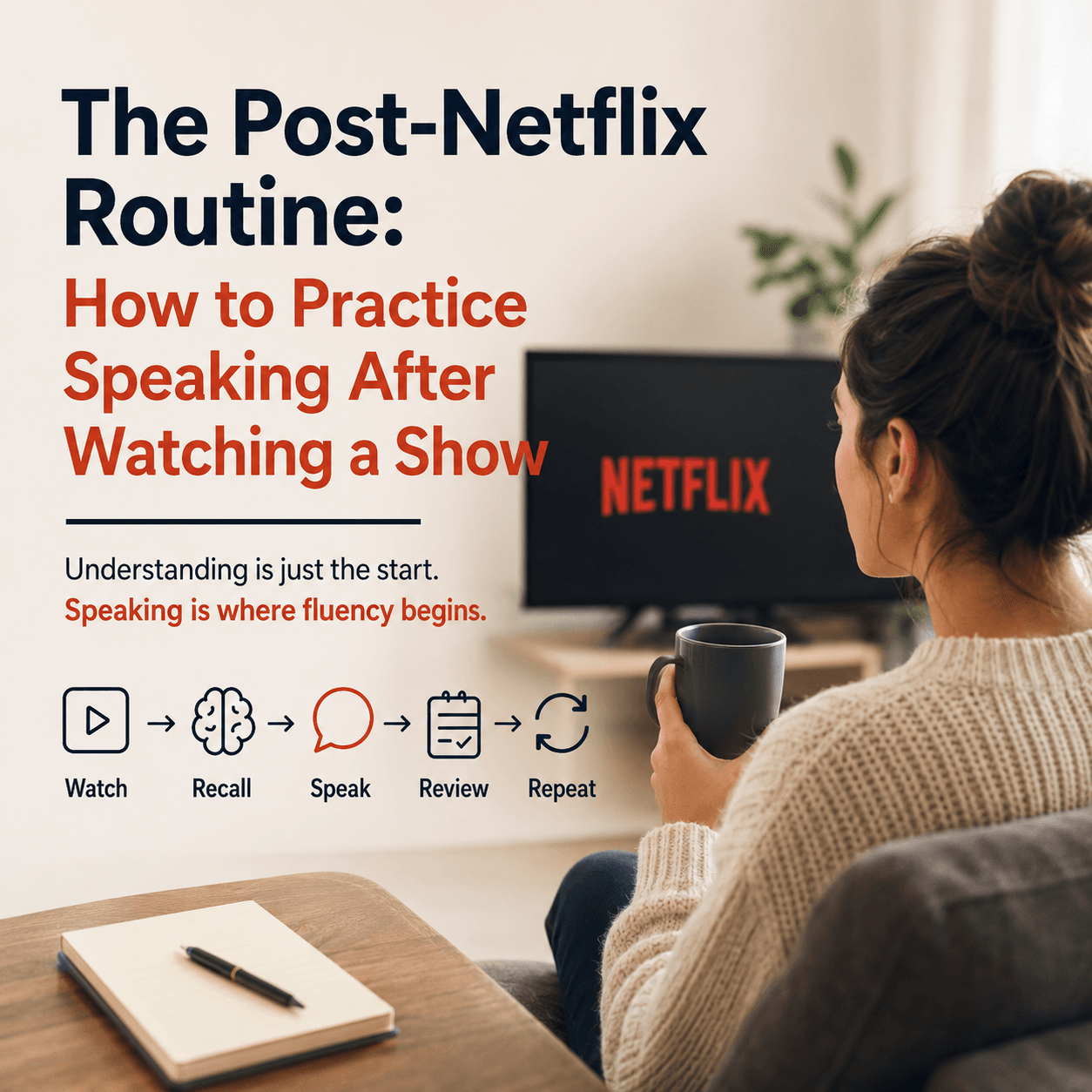
Surround yourself with English. Watch shows and movies in English (use subtitles if needed). Switch your phone’s language and your Google search results to English. Read news articles in English. Listen to music in English and learn from the lyrics. And hey, even try to think in English if you can! Being surrounded by English gets your brain trained to understand and use it better.
Speak English as Much as You Can
According to a recent article from Cork English College, speaking is the most important part of learning a language, even if it is also the most challenging. Speaking English daily is a great way to improve your English skills fast. You can talk to English-speaking friends you already have, or make new ones with online language exchange programs like MyLanguageExchange.com.
In the meantime, you can even talk to your dog, or to yourself! It doesn’t have to be perfectly correct: the point is just to practice as often as possible.
Make Learning English Fun
Using entertaining games and apps like Jolii.ai can help you to learn English fast because it makes learning less formal and more fun. According to TopUniversities.com, one of the keys to learning any language quickly and effectively is to find a way to stay motivated and engaged. Reading grammar books is useful, but it can be dull. Find a way to practice that keeps you interested and excited.
Takeaway: The best way to learn English fast is to use it on a daily basis, and to use it in a way that is fun, interesting, and useful to you.
Are you looking to learn English for work? We have a dedicated article providing insights on how to learn English quickly for professionals.

How Can You Learn English Faster While Traveling?
As a frequent traveler myself, I can tell you from personal experience that you can learn a language much more quickly if you actually use it. It is easy to “cheat” when you’re abroad and ask cashiers and waiters if they speak your language, but you should resist the urge to do this!
Instead, speak in English literally every time you interact with another person – and find ways to do so as often as possible. Thank the person in the ticket booth at the train station in English, or ask for a book at a bookstore in English. Try saying hi to fellow travelers too.
Don’t be shy: this is what you have been training for! The more you speak, the more you learn. Mistakes will happen, but you’ll learn from them and keep that memory much longer than you would if you just read a phrase in a book.
Takeaway: When traveling, use English as often as you can, with as many people as you can, so that you make strong memories to keep the language with you.
Which English Phrases Should Every Traveler Know?
There is a lot of English to learn, but if you’re looking to learn just a few simple phrases to get you on your way, the following words and expressions are a must.
| English Word or Phrase | How/When to Use | Example Sentence |
| Hello, Hi | A greeting; what you say when you meet someone. | “Hello, my name is Sam.” |
| Excuse me | A polite way to ask for attention (when you need to ask a question, for example) | “Excuse me, do you know where the library is?” |
| Do you speak ___? | If you want to see if someone can speak your native language instead of English, you can ask this, inserting your language at the end. | “Do you speak Italian?” |
| Please | Add this to the end of requests to sound more polite. | “May I have some more soup, please?” |
| Thank you | Used to show gratitude when someone has helped you, given you something, etc. | – “Here is your ticket.” – “Thank you!” |
| Help! | Used to get attention in an emergency | “Help! I am being robbed!” |
| Can you help me? | A polite way to start when asking for directions or assistance. | “Can you help me? I am looking for Fleet Street.” |
| How much does ___ cost? | Ask this to find out how much you need to pay for a certain item at a store or shop. | “How much does this magnet cost?” |
| I’m allergic to ___. | If you have a food allergy, you can say this (inserting the food you are allergic to in the blank) to make sure that you don’t eat anything that will give you a reaction. | “Please make sure there is no crab on my plate. I’m allergic to shellfish.” |
| Where is__? (for singular things), Where are___? (for plural things) | Use these when you are looking for something, but need to ask someone its location. | “Where is the gate?” “Where are the tickets?” |
| Yes | An affirmative response | – “Do you want a coffee?” – “Yes.” |
| No | A negative response | – “Do you want more pasta?” – “No.” |
| Goodbye, Bye | Used when leaving; the opposite of “hello” | “I will see you next time. Goodbye.” |
You should also be sure to look up words for transportation specific to your trip, like “train,” “car,” “taxi,” “bus,” “plane,” and “metro.”
“Luggage,” “bag,” and “suitcase” are also important words for talking about your belongings.
Takeaway: Knowing the most basic phrases can help you get around much more easily in English-speaking countries and help you to find help when you need it.

FAQ
What’s the best way to learn English fast and efficiently?
The best way to learn English fast for traveling or working is to find a way to work it into your daily routine. Speak in English often, watch videos, movies, and films in English, and use apps like Jolii.ai or Duolingo to keep things fun and engaging.
How long does it take to learn English?
How long it takes someone to learn English depends on many factors like their native language, their predisposition toward language learning, their age, and the time they dedicate to it. However, according to sources like Bridge Education Group, beginners can get to intermediate levels in English in around 500 hours of dedicated study, and become fluent in 1000+. That sounds like a lot, but remember: you can learn enough English to get around in just a fraction of that time. It all depends on your goals.
How hard is English to learn?
English has a reputation for being tricky because there are a lot of irregular verbs and exceptions to rules. That being said, learning English is a very achievable goal due to the sheer amount of resources that are available. There are tons of English books, movies, and shows to check out, so there is no shortage of materials to study. In the end, everything depends on how hard you work.
Final Thoughts
While the English language can seem intimidating, it is absolutely possible to learn English fast for traveling by using it often and immersing yourself in the language. If you are looking for a fun, entertaining, and useful way to practice your English, check out Jolii.ai today.