You’re chatting with your Mexican friend when they say, “¿Qué onda wey?”
Fast forward, you travel to Buenos Aires, and someone greets you with “¿Qué onda, boludo?” If you learnt Spanish in school, you will be just as lost.
Here’s the truth. Textbook Spanish only gets you so far. Spanish slang is where real connection happens. This slang varies wildly across the 21 countries where it’s spoken by approximately 7.5% of the global population.
That’s a lot of linguistic diversity. What sounds perfectly normal in Mexico City might earn you blank stares in Madrid or confused looks in Buenos Aires.
This guide breaks down the most essential slang from Mexico, Argentina, Colombia, and Spain.
Why Spanish Slang Changes So Much From Country to Country
Spanish slang shifts dramatically depending on where you are. And it’s not random.
Geography, history, and pop culture all play a role in shaping how people actually talk. Here’s why:
Cultural Influence
Mexican slang didn’t develop in a vacuum. It’s layered with words from Nahuatl, the Aztec language, which is why you get terms like cuate and órale that sound nothing like “standard” Spanish.
Meanwhile, Argentina’s slang tells a completely different story. Lunfardo emerged in Buenos Aires immigrant neighborhoods, heavily shaped by Italian immigration.
Media and Music
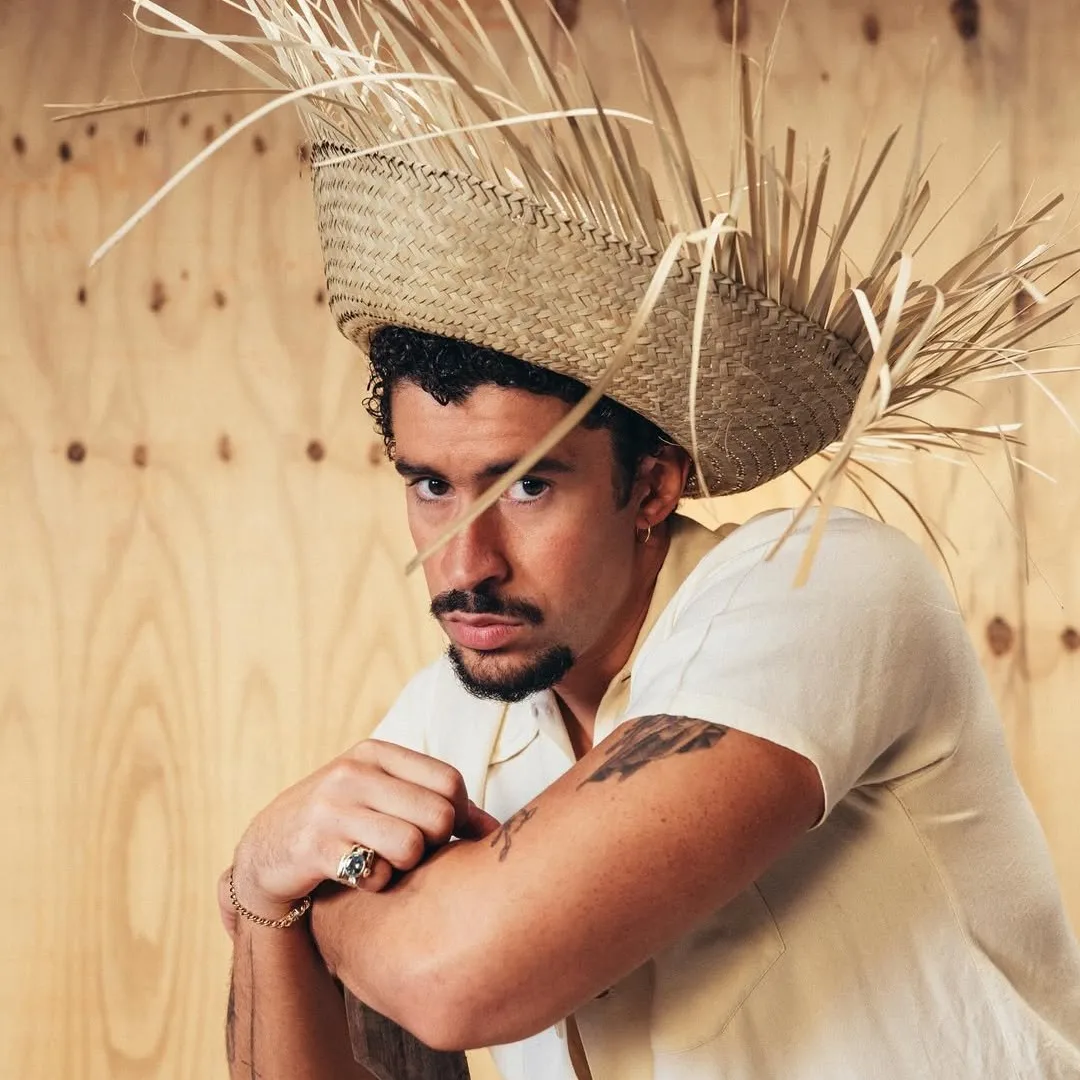
Reggaeton, trap, telenovelas, YouTube, and TikTok are pushing slang across borders faster than ever before. A phrase that starts in a Bad Bunny song can spread from Puerto Rico to Spain to Mexico in weeks.
Mexican telenovelas have been doing this for decades, which is why so many people across Latin America understand Mexican slang even if they’ve never been to Mexico.
Identity and Community
Slang matters because it’s a code. When an Argentine says che, they’re not just saying “hey”, they’re signaling identity.
The same goes for a Mexican saying órale or a Colombian asking ¿Qué más?
It marks you as part of a community, a city, a generation. That’s why it changes so much from place to place, because every Spanish-speaking country has its own story to tell.
Mexican Slang Every Learner Should Know
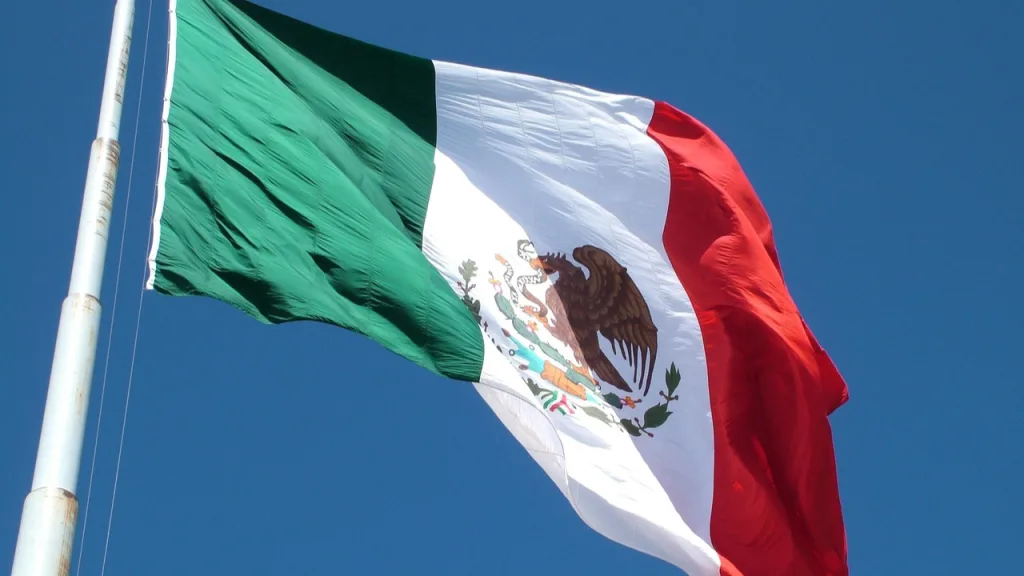
Mexican slang is the most recognizable Spanish variety globally, and there’s good reason for it. With 130 million Spanish speakers in Mexico, Mexican Spanish dominates media, music, and pop culture across the Americas.
The uniqueness of Mexican slang comes from layers of linguistic influence. Then there’s the US border influence. The decades of cultural exchange have created a distinct flavor.
Here’s your essential Mexican slang starter pack:
| Word | English Translation | Usage |
| Güey or wey | Dude or buddy | Used among friends |
| No manches | No way, or you’re kidding | Expresses disbelief |
| Chido | Cool | Express that something is awesome |
| Órale | Okay / wow / hurry / let’s go | Meaning changes depending on context |
| Chamba | Work or job | Asking about your employment situation |
| Padre | Cool | While it means father, in Mexican slang, it means cool |
Argentinian Slang Every Learner Should Know
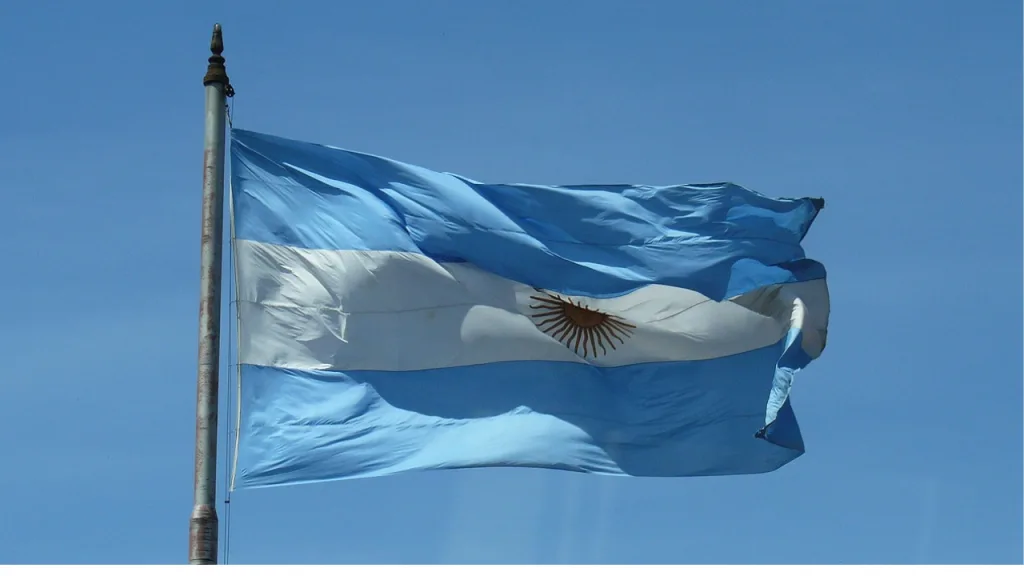
Argentinian slang is definitely the most distinctive. Step into Buenos Aires, and you’ll immediately notice something different about how locals speak. It’s almost musical, with Italian-like intonation and unique pronunciation.
This distinctiveness comes from lunfardo, a slang dialect born in Buenos Aires’s immigrant neighborhoods in the late 1800s.
Here’s your Argentinian slang survival guide:
| Word | English Translation | Usage |
| Che | Hey or Dude | Used to get someone’s attention |
| Boludu | Dude or bro | Means “idiot” but is used among friends as an affectionate word |
| Quilombo | Messy or chaotic | To describe chaotic scenes like traffic jams |
| Laburo | Work | Describe employment |
| Chamuyar | Sweet talk or flirt | Used in romantic contexts |
| Pibe/Piba | Young man/young woman | To describe a young or immature person |
Other Spanish Slang Worth Knowing
Colombian Slang
Colombian Spanish is often referred to as the “clearest” for learners. It’s melodic and easy on the ears. But Colombians still have their own vocabulary that sets them apart.
| Word | English Translation | Usage |
| Parce/Parcero | Buddy or friend | Casual way to address friends |
| Chévere | Cool or great | Express approval or excitement |
| Rumbear | To party | Colombians take their rumba seriously |
| ¿Qué más? | What’s up? | Colombia’s signature greeting |
Spanish Slang from Spain (Peninsular Spanish)
Cross the Atlantic, and you’ll find Spain’s slang has a distinctly European flavor. The big difference? They use vosotros (you all) while Latin Americans use ustedes, which has different verb conjugations. Here are some examples:
| Word | English Translation | Usage |
| Tio/Tía | Dude or girl | Literally means uncle/aunt |
| Guay | Cool | Express approval |
| Vale | Okay or alright | Universal agreement word |
| Flipar | To be amazed | When something blows your mind |
How to Learn Spanish Slang the Right Way
Let’s be honest. Nothing sounds worse than forcing slang you don’t understand. Here’s how to fix that:
- You can watch media from a specific country: Watch Mexican or Argentine YouTube channels and movies with Spanish subtitles. You’ll start associating slang with facial expressions and different contexts.
- Listen before speaking: You should listen to how natives use slang. Who says it to whom, in what situations, with what tone?
- Start with one country’s slang: Don’t try to master Mexican slang and Argentinian slang simultaneously. You’ll mix them up and sound confused.
Final Takeaway
The real magic happens when you use slang naturally and connect with native speakers.
Start with the phrases from this guide and consume authentic media to get your pronunciation right. And to transform your slang, use language apps like Jolii.ai as conversational partners.
Jolii’s immersive lessons are built around real conversations, shows, and music. This way, you can start sounding natural much faster and have fun while learning Spanish.
FAQs
What’s the fastest way to learn Spanish slang from different countries?
You can start by exposing yourself to real language. Watch local shows, vlogs, and follow creators online who use this Slang. You can then use tools like Jolii to practice your skills much further.
How can beginners use Spanish slang without sounding rude?
Start with neutral terms. When in doubt, ask a native speaker. Most people love explaining their slang and will tell you if something might sound disrespectful. The key? Don’t force it. Use slang only when you genuinely understand the context, not just because it sounds cool.