English pronunciation can feel frustrating, even for advanced learners. You might know the grammar, have a wide vocabulary, and understand native speakers…after spending hours practicing in English language classes, yet still feel misunderstood when you speak.
I’ve had students ask me to teach them British English or American English, and what they were really asking for was for me to teach them how to speak with a US or UK accent. Well, this was not only a challenge for them but also for me, considering I’m actually Irish!
The good news? Clear English pronunciation is not about sounding “British” or “American.” It’s about clarity, rhythm, and stress. In this guide, you’ll learn how English pronunciation really works, with simple explanations and real-life examples you can use immediately.
Why English Pronunciation Is Difficult (And What Actually Matters)
English pronunciation is challenging because it is generally not considered to be a phonetic language (unlike Spanish). This means that many English words are not pronounced as they are spelt. For example, many words have silent letters, like knife (k), debt (b), and answer (w). Letter combinations like “oo” also significantly vary in pronunciation depending on the word, for example, blood (blud) and wood (would). Unfortunately, there is no consistent rule, and these words need to be memorised individually, which can make learning difficult.
Other factors that make pronunciation difficult include:
- Many sounds don’t exist in other languages
- Stress changes meaning
- Native speakers connect words when speaking
But here’s the key point:
You don’t need perfect pronunciation. You need understandable pronunciation.
That means focusing on:
- Clear sounds
- Word stress
- Sentence stress and rhythm
1. Clear Sounds: The Foundation of Pronunciation
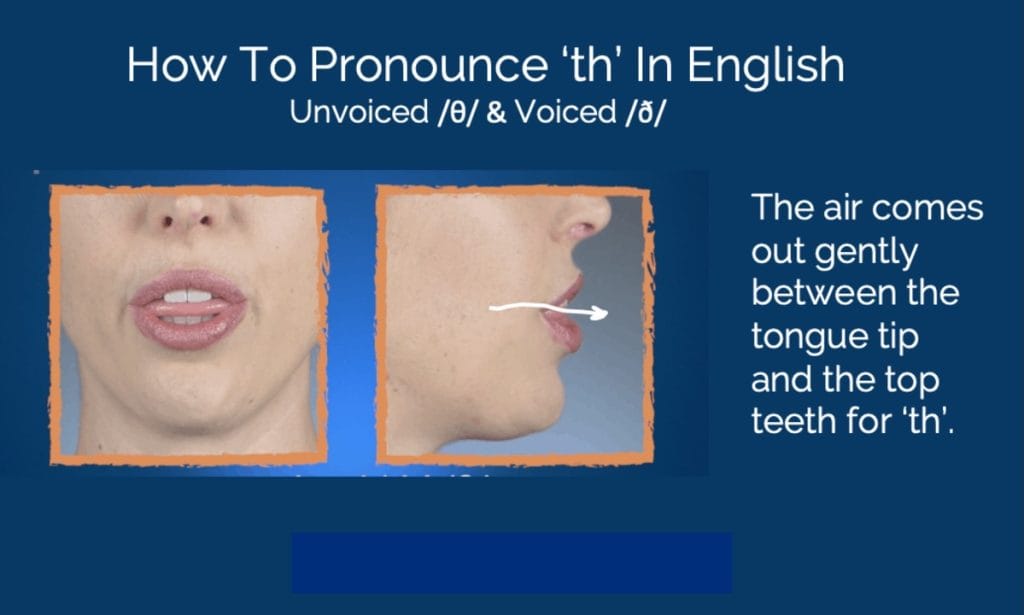
Common Problem Sounds
Common problem sounds will vary from person to person and are highly influenced by sounds in our native languages. Here are some common problem sounds I have identified with my students in Panama.
- TH sounds: think/this
- V vs B: very/berry
- Short vs long vowels: ship/sheep
- Final sounds: worked/world
English sounds like these cause problems for learners worldwide. Improving just a few of them can make a huge difference.
Tip: Record yourself when practising sounds. This can help you identify what you are mispronouncing. And remember: English pronunciation is physical, so the position of your tongue and lips matters.
2. Word Stress
English words usually have one stressed syllable. Stressing the wrong syllable can confuse listeners, even if all sounds are correct.
For example: Same Word, Different Stress
- REcord (noun) → I bought a record.
- reCORD (verb) → Please record the meeting.
Word stress matters because native speakers listen for stress patterns, not individual sounds. Correct stress makes your speech easier to understand instantly.
General Rule (Not always the case, but often enough to help.)
- Nouns → stress earlier
- Verbs → stress later
To learn more about word stress and access a more comprehensive list of words, see here.
3. Sentence Stress: How English Really Sounds
English is a stress-timed language. That means we stress important words and reduce the rest.
Stressed words:
- Nouns
- Main verbs
- Adjectives
- Adverbs
Unstressed words:
- Articles (a, the)
- Prepositions (to, for)
- Auxiliary verbs (do, have)
- Pronouns
Example: I WANT to GO to the SHOP later.
The small words are shorter and quieter. This creates the natural rhythm of English.
Recently, I watched a Shrek in Spanish, and it was fascinating to compare it to the English version in terms of the difference in rhythm between the two languages. I recommend watching movies in English to get a feel for the rhythm of the language.
4. Connected Speech: Why Native Speakers Sound “Fast”
Native speakers don’t pronounce every word separately. They connect sounds, which can confuse learners.
Common Features of Connected Speech
1. Linking Go on → go-won
2. Sound Reduction Can → cən
3. Disappearing Sounds Next please → nex please
A common problem word for many of my students is the word comfortable. It might be tempting to want to pronounce all the syllables of this word, but it should sound more like this: I’m COMF-tə-bəl rather than I am comfortable. (all words equal stress).
Another common phrase that native speakers often pronounce using connected speech is the question: What do you want to do? Typically, natives pronounce this phrase like Whaddaya wanna do?
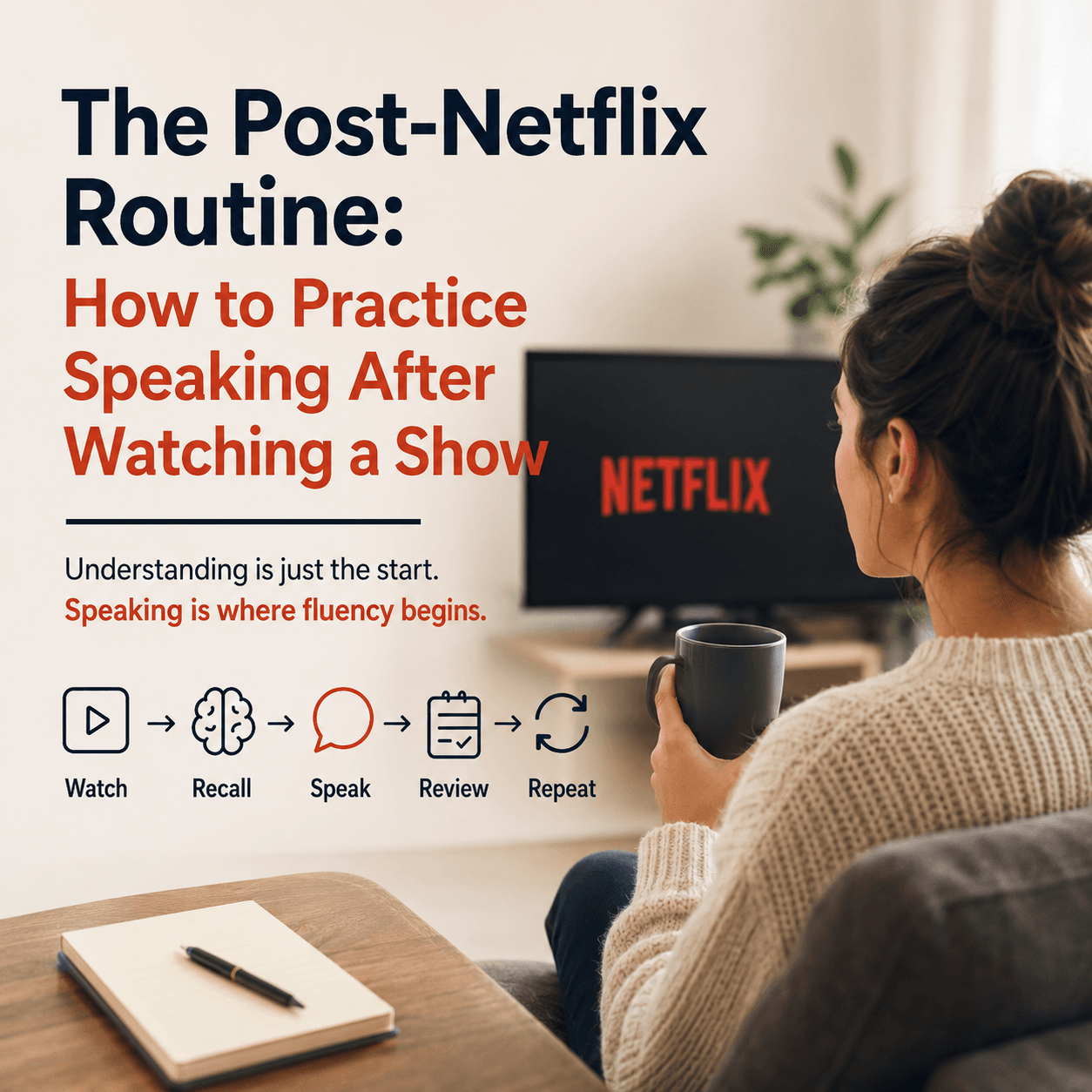
Tip: Listening practice will be very effective in helping you learn connected speech and native English pronunciation. Try podcasts, TV shows, or films with subtitles.
Conclusion
Improving English pronunciation isn’t about losing your accent. It’s about:
- Being understood
- Speaking with confidence
- Communicating naturally
When learners focus too much on their accents, they lose confidence and worry too much about what native speakers think of them. When you focus on clear sounds, correct stress, and real spoken English, you will see improvements in listening, speaking, and even fluency. Record yourself, shadow native speakers and practice often, and you are guaranteed to meet your goals and improve your pronunciation.