I began learning Korean for one simple reason: I loved K-pop. But before anything else, I had to learn how to say hello in Korean, because greetings are the first step in any real conversation. Wanting to understand the language behind the songs I loved, I slowly realized that even a simple “hello” carries effort, respect, and intention in Korean culture.
Like many beginners searching for how to say hello in Korean or in other languages, this was where my journey truly started. Learning those first greetings felt small at the time, but it became a daily habit—one small action repeated again and again. That simple beginning taught me that language learning isn’t about rushing forward, but about showing up consistently, one word at a time.
What “Hi” Means in Korean Culture (Why Greetings Matter)
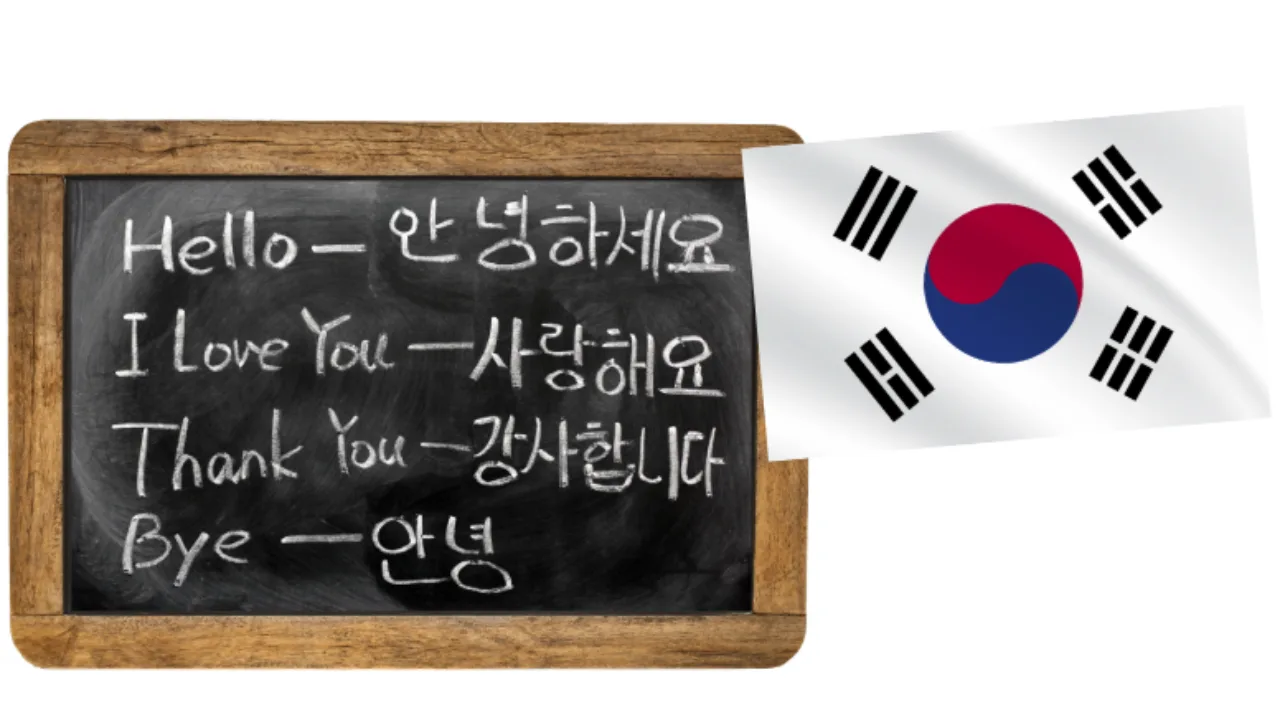
When you learn a new language, the first lesson is almost always how to greet people. In English textbooks, we’re taught phrases like “good morning” or “good evening,” but in real conversations, most people simply say “hi.”
Korean greetings work differently. Instead of changing with the time of day, they change with the level of respect you need to show.
- The casual “hi” is 안녕 (annyeong).
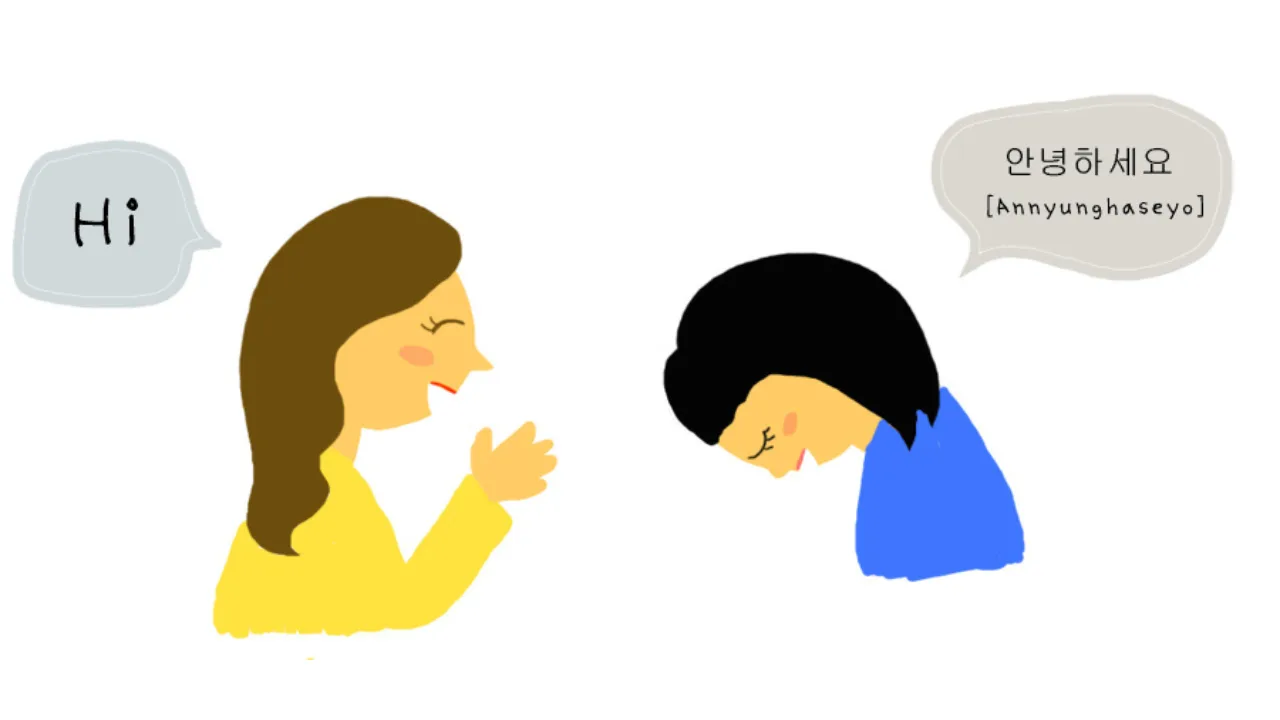
- The polite greeting is 안녕하세요 (annyeonghaseyo).
- The formal version is 안녕하십니까 (annyeonghasimnikka).
Each expression reflects age, hierarchy, and social relationships — something deeply rooted in Korean culture.
Understanding Formality Before Learning How to Say Hello in Korean
Before diving into each greeting, it helps to understand one key idea: Korean greetings are shaped by formality. Korean society places a strong emphasis on hierarchy and respect, and this shows up immediately in the way people say “hello.” Unlike English, where greetings often shift with time of day, Korean greetings shift depending on who you’re speaking to—and how close you are.
This is the foundation of the distinction between formal speech (존댓말) and casual speech (반말). Once you understand that system, how to say hello in Korean becomes much clearer: 안녕, 안녕하세요, and 안녕하십니까 aren’t just different words—they’re different levels of respect.
1. Casual “Hi” – 안녕 (annyeong)
One of the first words many learners pick up is 안녕, a friendly and informal way to say “hi.” You’ll hear Korean students greet each other like this in schools, cafés, or the dorms in K-dramas. It’s warm, it’s simple, and it feels wonderfully close—but only when used with the right people.
In Korean culture, age and relationship matter.
안녕 should only be used with:
- Close friends
- Younger people
- Siblings or cousins
- Classmates of the same age
It’s similar to saying “hi” in English—comfortable, but not appropriate in professional or serious contexts.

Real Example: When I Accidentally Used 안녕 Incorrectly
I greeted an older coworker with “안녕,” thinking it was simply the Korean equivalent of “hi.” They gave me a polite smile, but there was a slight frown that followed—just enough for me to realize I had probably said something wrong. Their reaction told me immediately that I had crossed a line without meaning to. That small but awkward second taught me more than any textbook: greetings in Korean aren’t just words — they carry respect.
When ‘안녕’ Feels Natural
So, in everyday situations, the only times ‘안녕’ truly feel natural are moments like these:
- Saying hi to your Korean friend online (only if they’re already a close friend)
- Greeting younger kids at your homestay
- A casual wave between close friends
Avoid using it with teachers, store employees, elders, coworkers, or new acquaintances.
A small note about using 안녕 with family
There is one exception where 안녕 can be used with someone older: close family members. For example, saying “엄마, 안녕” (“Mom, hi”) is natural in many households.
However, this depends on the family. Some use 안녕 casually, while others expect the polite, 안녕하세요, especially with grandparents.
So it’s best to follow the tone your family uses.
2. Polite Ways to Say Hello in Korean – 안녕하세요 (annyeonghaseyo)
If there is one Korean phrase you will use every single day, it’s 안녕하세요. It’s polite but not overly formal, friendly but still respectful, and suitable for almost every situation.
One thing I learned while living in Korea is that tone matters. Koreans often lift their intonation slightly at the end—almost like adding a smile to the sentence. It creates a warm, approachable feeling, even with strangers.
You should use 안녕하세요 when speaking with:
- Coworkers
- Teachers
- Strangers
- Anyone older
- Customer-service staff
- New acquaintances
Examples of Natural Usage:
Since it’s the most versatile and widely accepted greeting, ‘안녕하세요’ fits naturally into almost any polite or everyday situation, such as:
- Greeting your Korean coworker in the morning
- Saying hello when entering a shop or café
- Meeting your friend’s family for the first time
- Introducing yourself at a class, event, or community meetup
- Starting a conversation with someone you don’t know well
Pro Insight: Why 안녕하세요 Is the Safest Choice
Because of its balance between friendliness and respect, ‘안녕하세요’ is the safest choice in nearly all situations where you’re unsure which greeting level to use.
3. Formal Ways to Say Hello in Korean – 안녕하십니까 (annyeonghasimnikka)
The most formal version of “hello” in Korean is 안녕하십니까, and although learners don’t use it daily, you’ll definitely hear it in certain settings. It carries a strong sense of respect, making it suitable for professional, military, or ceremonial environments.
I first heard it in a Korean news broadcast—the anchor bowed slightly and said the phrase with a calm, steady tone. Later, I noticed police officers, security guards, and government employees often use it as well. It isn’t cold; it’s simply professional.
You’ll hear it from:
- Superiors
- Government officials
- Corporate representatives
- Elders at formal events
- Audiences in official presentations
- Interviewers during job interviews
Use it when addressing:
- A security guard greeting visitors
- A presenter opening a formal ceremony or event
- A news anchor starting a broadcast
- Military personnel addressing superiors
- Official public announcements
- Customer-facing staff in highly formal settings (banks, embassies, government counters)

Bonus: How to Say Hello in Korean on the Phone – 여보세요
One thing I discovered later is that Korean has a completely separate greeting used only on the phone. 여보세요 is neutral and universal—used regardless of age, closeness, or setting.
Use 여보세요 when:
- Answering a friend’s call
- Picking up a professional call
- Speaking to delivery drivers
- Calling customer service
How Korean Greetings Quietly Taught Me More Than Just Language
As I learned more about how to say hello in Korean, I realized greetings reflect far more than just words. When I first began familiarizing myself with the language, one thing that genuinely surprised me was how deeply Korean greetings reflect Korean social values. A simple “hello” carries far more meaning than I expected—it shows awareness, respect, hierarchy, and warmth.
According to the National Institute of Korean Language, speech levels change depending on age, hierarchy, and closeness. Politeness is not just grammar; it’s cultural harmony.
FAQs About How to Say Hello in Korean
1. Can I use 안녕 with someone older?
Generally, no. 안녕 is casual and may sound disrespectful. Use 안녕하세요 unless you’re truly close.
2. Do Koreans say, “good morning” or “good night”?
Not as greetings. Instead:
- 좋은 아침이에요 = good morning
- 잘 자요 / 잘 자 = good night
- 안녕히 주무세요 = formal good night for elders
3. Is 여보세요 polite?
Yes. 여보세요 is neutral and used universally on the phone, even in formal situations.
Summary :
- Korean greetings change based on respect, not time of day.
- 안녕 = casual, only for close or younger people.
- 안녕하세요 = polite, universal, and the safest option.
- 안녕하십니까 = formal, professional, ceremonial.
- 여보세요 = used only on the phone.
- Choosing the right greeting helps you build better relationships in Korean culture.
What Korean Greetings Quietly Taught Me
Learning how to say hello in Korean became much more than memorizing a few phrases—it helped me understand the values that shape Korean communication. Every greeting carries warmth, respect, and awareness of the person in front of you. From the friendly 안녕 to the everyday 안녕하세요 and the formal 안녕하십니까, each one gently reminded me to slow down and read the relationship, not just the words.
That’s why Korean greetings feel so meaningful: they aren’t only language, they’re cultural signals. Lately, I’ve been using Jolii AI to practice with daily mini-drills, and it’s helped me stay consistent even on busy days. Little steps add up—just like the first “hello” you learn.