“Gute Nacht” seems simple enough. Two words. Basic translation. What could go wrong?
Everything, actually.
You might be thinking. Is that too formal for your language partner, whom you’ve been chatting with for months? Or should you add the casual “Schlaf gut”?
If you’ve been there, you’re in good company.
The “good night” German language expressions seem straightforward until you’re actually using them in real situations. That’s when you realize there’s a whole big difference between the formal farewell and what German friends say to each other.
This guide breaks it all down in plain terms. The standard ways. The casual alternatives. And more so, pronunciation tips.
Let’s get you saying “good night” in German with confidence.
The Standard Way to Say “Good Night” in German
The most common way to say good night in German is “Gute Nacht”.
Pronunciation: goo-teh nakht
Yes, the pronunciation may be tricky at first. That “ch” sound in “Nacht” is a soft, throaty sound made at the back of your mouth. Think of it as gently clearing your throat while saying “kh.”
“Gute Nacht” is the go-to phrase for wishing someone a peaceful night.
You can say:
Gute Nacht, Mama! — Good night, Mom!
What makes it different? Unlike English, where “good night” can sometimes be used as a general evening farewell, Gute Nacht in German culture is specifically reserved for bedtime.
And you already know. Germans are specific with their greetings depending on the time of day.
The good thing is you can use Gute Nacht with anyone. Use “Gute Nacht” when someone is going to sleep, regardless of formality. Suitable for friends, colleagues, hotel staff, parents, and strangers. It works across all formality levels.
Pro tip: Just remember to only say it when someone is genuinely going to sleep, not just leaving a party at 10 PM.
Other Ways To Say “Good Night” in German

So, once you start interacting with German speakers, you might hear different variations of Gute Nacht. Don’t be confused. Here are some of them:
- Nacht or Nachti: It’s shortened and affectionate. So that means it can be used with close friends or family members. It’s just like saying “night!” or “nighty-night” in English. Quick and perfectly acceptable when you’re texting your German roommate or saying goodbye to your language exchange buddy.
- Schlaf gut: Do you have your German vocabulary mastered? “Schlaf” is sleep, and “Gut” translates to good. So “sleep well”. Works beautifully in any casual context.
- Schlaf schön: Also translates to “sleep well” or “sleep tight.” You’ll often hear parents say this to their children, or partners to each other. The umlaut in “schön” creates an “er” sound.
- Träum was Schönes: Want to use a sweet expression? “Dream something beautiful” is that phrase. Perfect for close relationships and shows genuine care.
- Süße Träume: Another way to say “Sweet dreams”.
Formal and Regional Variations of Good Night in German
So, what should you say at business dinners or formal events? Simple, stick with the straightforward “Gute Nacht” when departing late in the evening.
But, if you’re leaving earlier, say, around 8 or 9 PM, “Schönen Abend noch” (a nice evening still) is more appropriate.
This phrase acknowledges that the person’s evening isn’t over yet.
German has over 95 million speakers. What does this mean? It’s the most widely spoken native language in the European Union. That’s why you’ll hear it in Switzerland, Austria, Luxembourg, Belgium, and even Liechtenstein.
And with all these countries come different language variations.
- Switzerland: You’ll hear “Guet Nacht” or “Guet Nacht mitenand” with a distinctly Swiss pronunciation.
- Austria: “Guade Nocht” (Bavarian dialect), which may be replaced by “G’sund bleibn,” which means “stay healthy.”
- Northern Germany: Most people stick to “Gute Nacht” or “Nacht” in semi-formal situations.
Essential German Night Vocabulary Words
Want to learn German vocabulary fast? You need to learn some useful nighttime words and phrases, beyond saying “good night.”
| German | English Translation |
| das Bett | The bed |
| der Traum | The dream |
| die Nacht | The night |
| müde | Tired |
| schlafen | To sleep |
| aufwachen | To wake up |
| der Wecker | The alarm clock |
| der Pyjama | The pajamas |
| die Schlafenszeit | bedtime |
| das Schlafzimmer | The bedroom |
| das Kissen | Pillow |
| Ich kann nicht schlafen | I can’t sleep |
| Ich gehe schlafen | I’m going to get some sleep |
| die Gute-Nacht-Geschichte | The bedtime story |
| Ich bin müde und gehe ins Bett | I’m tired and going to bed |
| Ich habe einen schönen Traum gehabt | I had a beautiful dream |
Pro tip: Practice using these words in full sentences. The result? You integrate vocabulary into real contexts much faster.
Final Takeaway
Now you have the cheat code. Next time you meet your German-speaking friends or colleagues, you know how to say “good night” in German. Add those variations and build your vocabulary.
Once you are ready to practice longer German sentences, Jolii.ai is there to help. The more you practice, the faster you learn German.
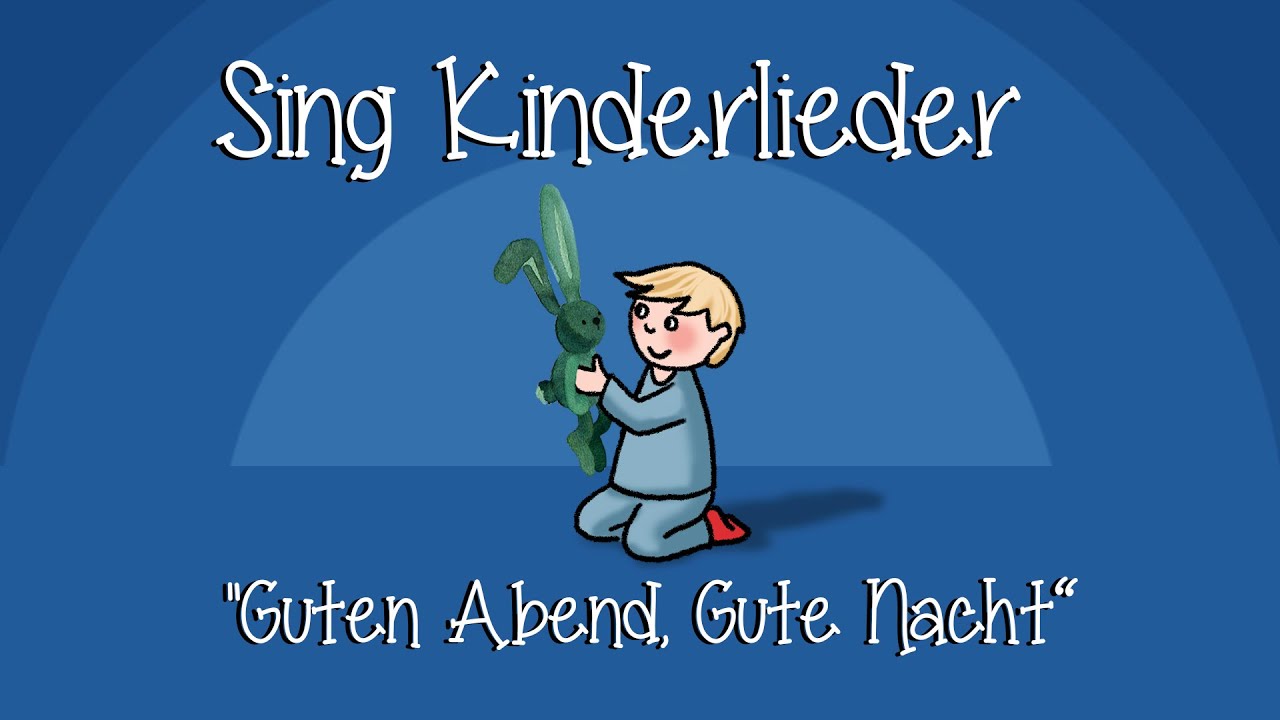
Listening Practice with “Guten Abend, Gute Nacht” (Brahms’ Lullaby)
Want to improve your German listening skills? You could listen to “Guten Abend, Gute Nacht” by Brahms. This famous lullaby is sung but many German parents to their babies before bedtime. The lyrics include blessings for a peaceful night and sweet dreams. It starts with:
German: Guten Abend, gute Nacht, mit Rosen bedacht…
Meaning: Good evening, good night, covered in roses…
FAQs
When should I say “Gute Nacht”?
Not to be confused with “Guten Abend”, “Gute Nacht” is specifically for saying goodbye when someone is going to bed. Pay attention to the time. “Guten Abend” works as a greeting when meeting someone in the evening.
Can I say “Nacht” instead of “Gute Nacht” to anyone?
Not quite. “Nacht” is a casual shortened form that works with friends, family, roommates, and close colleagues you’re friendly with. For bosses, clients, or strangers, stick with the full “Gute Nacht” to show proper respect.
How do you pronounce “Gute Nacht” correctly?
Break it down into two parts. “Gute” sounds like “goo-teh” with a short “t” sound. “Nacht” is pronounced “Nakht” with that distinctively German “ch” sound at the end. Practice makes perfect.