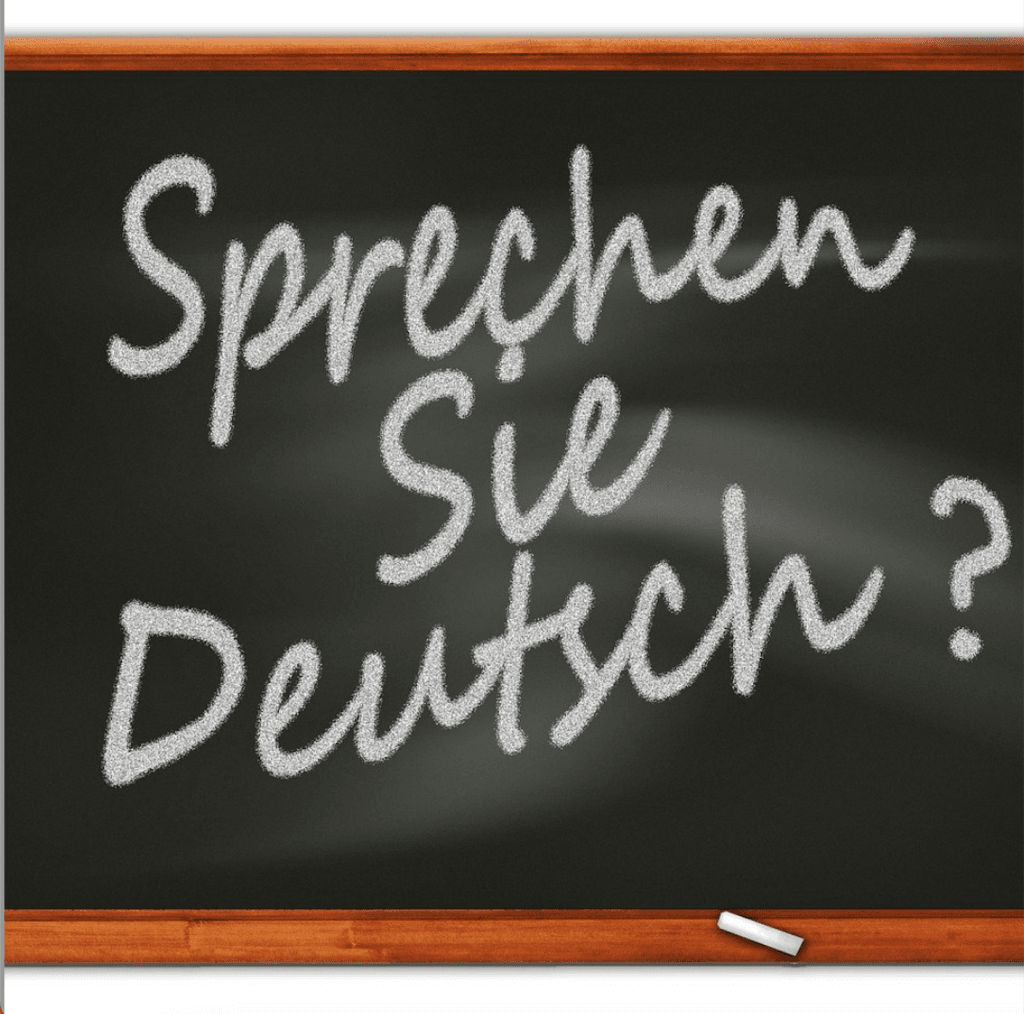
Most English speakers don’t realize how much we lean on the word “hello.” Morning coffee run? Hello. Bumping into your boss at 3 PM? Still hello. Evening dinner party at 8? You guessed it; hello again.
But in German, that’s where things get interesting. Greetings shift through the day. Germans move between “Guten Morgen,” “Guten Tag,” and “Guten Abend” without even thinking about it. Say “Guten Tag” at 8 PM, you’ll probably get a polite “Guten Abend” back. Basically, you missed the time cue.
Here’s the thing. Understanding those small timing details can make you sound more natural and culturally aware.
The good news? It’s actually pretty straightforward once you get the hang of it.
So let’s break it down. When exactly should you say good morning, good afternoon, and good evening in German? And more importantly, how do you avoid those awkward greeting mix-ups?
How to Say Good Evening in German (Quick Answer)
- The standard way to say good evening in German is Guten Abend.
- Pronunciation: /ˈɡuːtən ˈaːbn̩t/ → GOO-ten AH-bent
- Use it from around 6 PM until late evening when greeting someone.
- Do not use it as a farewell—that’s Gute Nacht or Tschüss.
Essential German Greetings for Different Times of Day
Mastering German greetings is easier than you might think. Here’s your cheat sheet:
- Guten Morgen from sunrise until around 10 or 11 AM. Think of it as your breakfast-time greeting. Once lunch rolls around, it’s time to switch gears.
- Guten Tag is your safe bet for the middle of the day. From late morning through the afternoon, roughly 11 AM to 6 PM, this greeting has you covered. It literally translates to “good day” and works in almost any formal or semi-formal setting.
- Guten Abend typically kicks in around 6 PM and carries you through the evening hours. This is your dinner-time greeting and everything after.
- Gute Nacht is the odd one out because it’s not really a greeting at all. You only use this when you’re saying goodbye to someone before bed, never when you’re arriving or meeting someone. Think of it as “sleep well” rather than “good evening.”
Here’s something many German learners miss. Germans actually care about using the correct greeting for the time of day. It’s about showing you understand how their culture works.
In fact, cultural experts at the Goethe-Institut explain that greetings in German-speaking countries are deeply rooted in showing respect and acknowledging another person’s presence.
How to Say Good Evening in the German Language
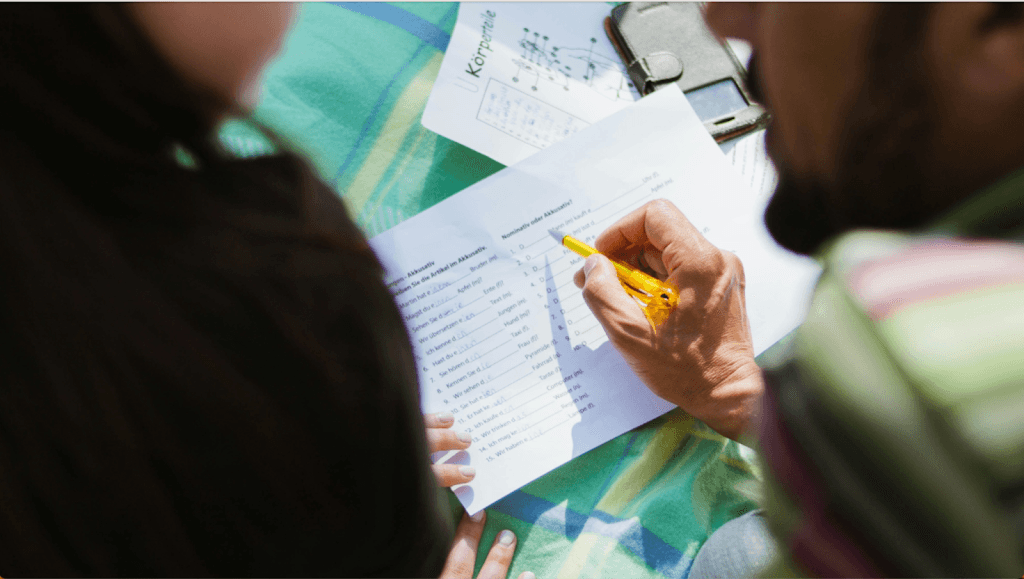
Let’s talk about Guten Abend. This is how you say good evening in the German language.
Here are some pro tips:
The 6 PM Rule
Most Germans naturally switch to “Guten Abend” around 6 PM. But here’s the thing. It’s not some rigid law. In winter months when darkness falls earlier, you might hear it as early as 5 PM. During bright summer evenings, some people stick with “Guten Tag” until 7 PM.
The cultural logic? “Abend” relates to evening activities like dinner and winding down. Not strictly to clock time.
Formality Matters
“Guten Abend” sits comfortably in the formal-to-neutral range. Use it with colleagues, shop owners, restaurant staff, and people you don’t know well. It’s polite without being stiff, as well as professional without being cold.
Common Mistakes
Don’t use “Guten Abend” when leaving. That’s when you’d say “Auf Wiedersehen” (goodbye, until we see each other again) or “Tschüss” (bye). And definitely don’t mix it up with “Gute Nacht.” You only use this when heading to bed.
Real-world Scenarios
When would you actually use “Guten Abend?” Simple. When entering an evening yoga class, greeting dinner guests at your door, checking into a hotel after work hours, or starting an evening Zoom call with German colleagues.
It’s the equivalent of that warm “good evening” you’d use in English, acknowledging the time of day while being friendly.
Casual Alternatives to Say Good Evening in German
Once you’re comfortable with the standard greeting, here’s where it gets fun. Germans love shortening their greetings in casual settings.
Knowing these alternatives makes you sound natural:
- Nabend: You’ll hear this in informal settings. Think greeting friends, chatting with your regular barista, or saying hi to neighbors.
- Hallo is your universal backup: It fits almost any situation that isn’t super formal. Young Germans, in particular, prefer “Hallo”. When in doubt, use this.
Regional Variations of Good Evening in German

Here’s something that surprises many German learners. There isn’t just one way to greet people across German-speaking countries. Regional variations add flavor and sometimes confusion.
- Grüß Gott dominates Southern Germany and Austria. It works from morning through evening. It’s simply the cultural norm in these regions.
- Servus is another Southern gem, common in Bavaria and Austria. This one’s interesting because it works both as a greeting and a goodbye. You can say “Servus” when you arrive and when you leave.
- Grüezi is the Swiss German signature greeting. If you’re visiting Zurich or Bern, you’ll hear this instead of “Guten Tag.”
- Moin will confuse you at first. You can use it all day. Just say “Moin” and you’ll fit right in with the Northern Germany crowd.
Tips to Learn German Fast
Want to learn German fast [link] beyond just mastering greetings? Here’s what actually works:
- Use immersion: Watch German TV shows with subtitles and listen to German podcasts during your commute.
- Practice with AI tools: Apps like Jolii.ai let you practice real conversations. This is the best time to workshop those German jokes without the pressure of talking to native speakers.
Final Takeaway
Start practicing these greetings in your daily life, even if you’re not in Germany yet. You can start saying good evening in German as you speak to your friends and build it from there. The pronunciation will feel strange at first, but with practice, you’ll gain confidence.
Jolii.ai comes in handy for such practice sessions. You get real-time feedback to improve your German pronunciation.
FAQs
What time do Germans say Guten Abend?
Germans typically start saying “Guten Abend” around 6 PM. It can also shift earlier in winter to around 5 PM or slightly later in summer, up to 7 PM.
Can I just say “Hallo” instead of Guten Abend?
Absolutely! “Hallo” works at any time of day and is widely accepted. That said, “Guten Abend” sounds more appropriate in formal settings.