Learning Spanish is a fun experience that sometimes brings unexpected vocabulary: regional slang, sayings, and even insults. You know, the usual when it comes to the nature of language. What’s rich about insults is that when used in the right circumstances, they make communication with native speakers easier, show your knowledge of cultural backgrounds, and make you sound more natural. Ever wondered about Spanish insults? Well, we’ll show you how some of them can be used, along with audio recordings, to master their pronunciation.
Why Learn Local Insults in Spanish?
As we know, language learning covers more than just grammar or new vocabulary words. There are also fiery, emotional sayings and insults that locals use all the time. Scientific work argues that knowing the slang, including the ruder language, helps people remember vocabulary for longer and also helps students get familiar with culture and joking during talks. Language acquisition journals explain that exposure to native expressions makes learning more personal, leads to better word retention, and helps students understand social cues.
Did you know? In recent years, researchers have found that integrating local slang and colloquialisms leads to strong sociolinguistic skills and emotional interest. In 2021, exposure to regional language showed that learners can understand culture and words better, and experts from the University of Texas found that casual speech helps learners converse more fluently. They also discovered that vocabulary charged with feelings, like insults, gets remembered and used more often.
Regional Variations in Spanish Insults
Keep in mind, Spanish insults totally flip in meaning depending on the country you’re in. Some words that just sound silly or harmless in Spain are actually pretty harsh for folks from Mexico or Argentina. Spanish speakers come up with all sorts of terms for cursing or throwing shade, so you’ve really got to adjust yourself each time. One of the best and most practical examples is the verb “coger”: Spain uses it simply for “to take,” but in Mexico and Argentina, you’re slinging some intense sexual slang. It’s vital to spot these country-to-country differences, so you don’t accidentally offend anyone.
How a Spanish Insult Can Change with Regional Differences
In case you’re wondering if insults are the same everywhere, the answer is: Not exactly. Spanish insults change from place to place. For example, Spain uses “Gilipollas,” a word that means “idiot” or “jerk” and gets used when someone’s bugged, for example, “¡Qué gilipollas eres por no escucharme!” (Which translates to “What an idiot you are for not listening to me!”). Meanwhile, you’ll hear “Pendejo” getting thrown around way more in Mexico and parts of Latin America, where it stands in for “idiot” or “jerk”; for instance, “Ese pendejo me robó el asiento” (“That jerk stole my seat”). Then in Argentina, “Boludo” might sound chill and mean “buddy,” or it could turn sharp to call someone an “idiot,” all depending on the vibe. So insults rely a lot on where you are. Stay sharp!
Navigating Tone and Context with Spanish Insults
If you’re thinking that memorizing Spanish insults is enough, that won’t cut it; when and how you use them really matters. The same insult could end up just being a bunch of friends joking, or it might sting like crazy if said at the wrong moment or in the wrong way. Spain and each Latin American country have their own mashup of slang words. This allows people to make insults sound lighter or really sharp by tweaking the way they speak or tossing in some extra words. So stay on top of things and figure out these differences to save yourself from slip-ups and carry a conversation that actually fits the moment.

Common Spanish Insults with Audio Clips
Ready to learn? Here are 25 Spanish insults that don’t use swearing words, usable in many places where Spanish is spoken. They are separated into groups, which can help with your memorization. As an extra, there is an audio attached for every phrase to aid you with its proper pronunciation.
| Insult in Spanish | Translation | Meaning |
| Santurrón, Santurrona | Sanctimonious | Priggish |
| Mamarracho, Mamarracha | Messy | Clumsy-looking person or thing |
| Zángano, Zángana | Lazybones | Slacker |
| Caradura | Hardface | Shameless, brazen |
| Payaso, Payasa | Clown | Fool, show-off |
| Soso, Sosa | Bland | Boring, dull |
| Más falso que un billete de 3 euros | Faker than a 3-euro bill | Two-faced |
| Mentecato, Mentecata | Dumb | Foolish, lacking judgment or reason |
| Patán | Jerk | A rude, coarse person with bad manners/intentions |
| Baboso, Babosa | Slimy | Idiot, creep |
| Arrastrado, Arrastrada | Groveling | Servile, someone who humiliates themselves for personal gain |
| Judas | Judas | Traitor |
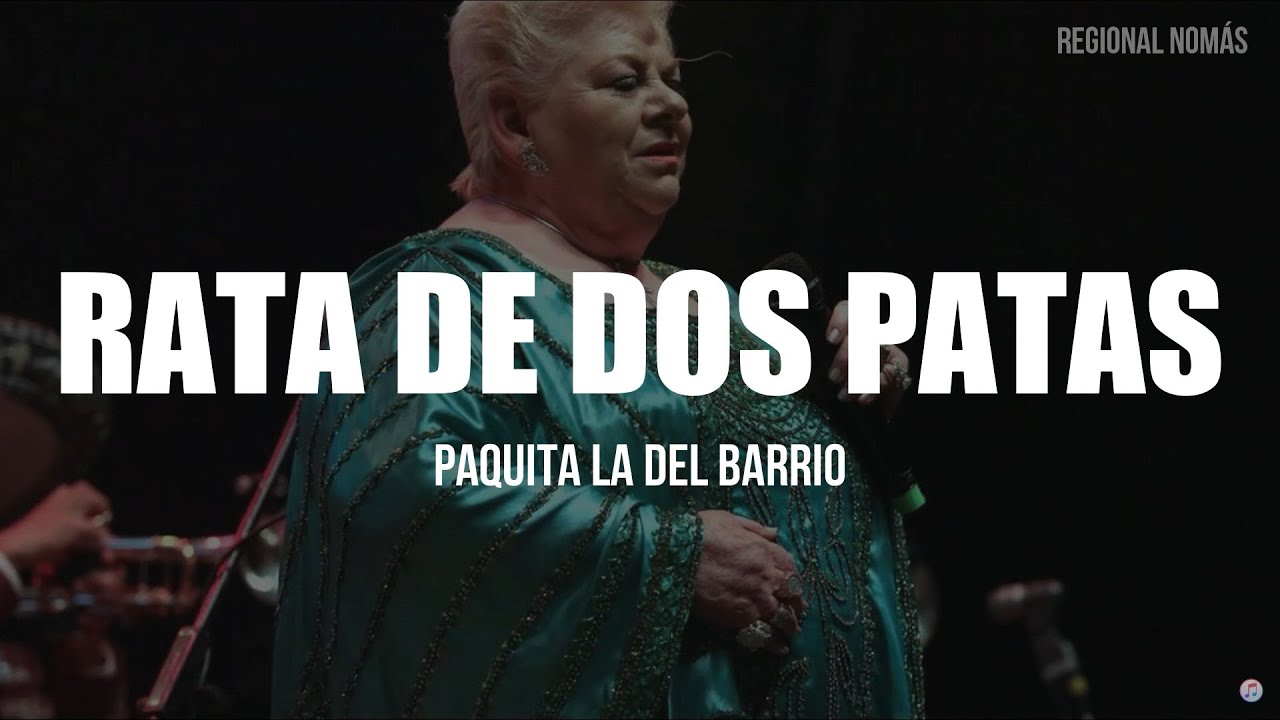
| Rata de dos patas | Two-legged rat | Evil, mean, and treacherous |
| Cabeza de chorlito | Muddleheaded | Forgetful, distracted, foolish |
| Metiche | Meddlesome | Nosy |
| Bocazas | Mouthy | Big mouth, indiscreet |
| Aguafiestas | Spoilsport | Party pooper, killjoy |
| Pusilánime | Pusillanimous | Coward |
| Fanfarrón, Fanfarrona | Braggart | Cocky, boaster |
| Agarrado, Agarrada | Stuck to | Cheapskate |
| Cizañero, Cizañera | Troublemaker | Who sows discord, causes fights |
| Sanguijuela | Leech | Parasite |
| Comeflor | Hippie | Naive, clueless |
| Ratero, ratera | Pickpocket | Thief |
| Renacuajo | Tadpole | Insignificant person |
FAQs
What is the reason to learn insults when you study Spanish?
If you learn insults and regional expressions, it will make you feel more involved socially and emotionally with Spanish. By knowing these sayings, you will understand funny speech, informal vocabulary, and also attitudes found in the culture. It makes learning the language much more real and full.
Are these kinds of insults okay for usage?
A lot of these are strong or can be offensive, but they don’t use swear words. It’s smart to use them sensitively and depending on the situation. Many times, it’s fine to try them out with friends or when joking. You really don’t want to use harsh swearing in serious or unfamiliar groups.
Do insults differ depending on country or area?
For sure. Insults are different in Mexican Spanish compared with Spanish from either Argentina or Spain. Certain sayings might be normal in one place yet seen as forbidden in another location.
How can I practice these insults safely?
Listening to native people in films, language platforms, or TV is helpful, of course. Try also talking with friends who know the topic, or a tutor, so you avoid embarrassing mess-ups.
Getting very familiar with these Spanish insults and local sayings is an impressive approach for improving language abilities and gaining better cultural knowledge. Listening to the audio parts lets you correct pronunciation and grow more confident in using them correctly. To get tailored help with languages with an advanced AI technology that matches your own preferences, try Jolii.AI, which gives you specialized topics, such as slang or other common phrases, so Spanish learning becomes more useful and enjoyable. Want to speak like locals? Start now!