Learning how to express feelings in Spanish doesn’t just improve your vocabulary. It helps you connect with people on a deeper, more emotional level. Whether you’re talking to friends, family, or someone special, knowing how to describe your emotions authentically brings warmth and confidence to your conversations.
Below, you’ll learn key Spanish emotion phrases, grammar patterns, and cultural tips, plus a few real-life examples to make your Spanish sound natural.
Why Expressing Emotions Matters in Spanish
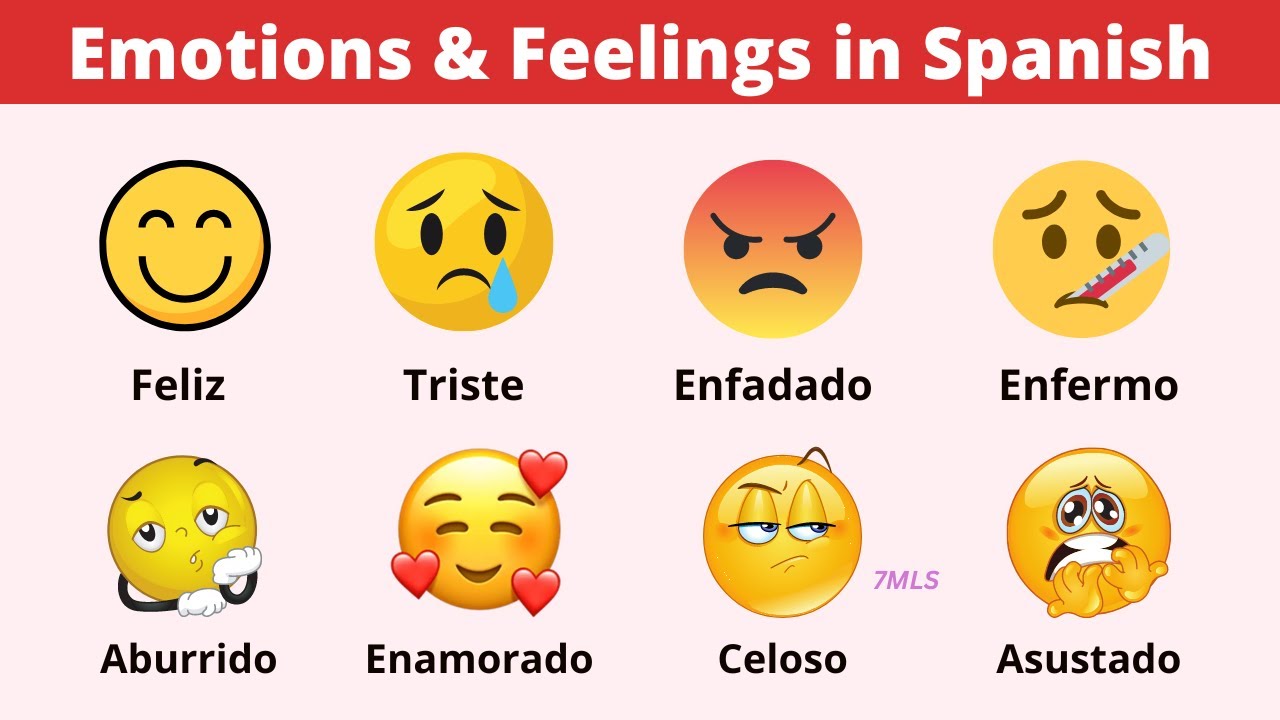
Spanish speakers tend to communicate with emotion and warmth. Using the right words for how you feel shows empathy and builds genuine relationships. For example, instead of saying just “Estoy bien” (“I’m fine”), you might say “Me siento feliz hoy” (“I feel happy today”) — small difference, big impact.
Developing emotional vocabulary also helps avoid misunderstandings. Saying “Estoy enojado” (I’m angry) versus “Estoy frustrado” (I’m frustrated) changes the tone of a conversation completely.
Key Spanish Patterns for Expressing Feelings
Here are the basic structures native speakers use every day:
| Pattern | Meaning | Example |
|---|---|---|
| Estar + adjective | Temporary state | Estoy triste. – I’m sad. |
| Sentirse + adjective | How you feel inside | Me siento nervioso. – I feel nervous. |
| Tener + noun | State of being | Tengo miedo. – I’m afraid. |
| Me da + noun | Something causes an emotion | Me da alegría verte. – It makes me happy to see you. |
| Me pone + adjective | Something makes you feel a certain way | Me pone feliz escucharte. – It makes me happy to hear from you. |
👉 Quick tip:
Use estar for short-term emotions and ser for personality traits.
Example: Estoy cansado (I’m tired now) vs. Soy tranquilo (I’m a calm person).
Expressing Love and Affection

Spanish is one of the most romantic languages in the world. Here are a few essential ways to express love naturally:
| Emotion | Spanish Expression | Translation |
|---|---|---|
| Love | Te quiero / Te amo | I love you (close / romantic) |
| Affection | Mi amor, cariño, corazón | My love, darling, sweetheart |
| Appreciation | Eres increíble | You’re amazing |
| Gratitude | Gracias por estar conmigo | Thanks for being with me |
Cultural tip:
Te quiero is often used among friends and family, while Te amo is reserved for deeper romantic feelings. If you are looking for ways to show affection to members of the family in Spanish, you should definitely take a look at our articles about mother quotes in Spanish and father quotes in Spanish.
Mini-dialogue:
— ¿Sabes que te quiero mucho?
— Yo también, eres muy especial para mí.
(Do you know I love you a lot? – Me too, you’re very special to me.)
Expressing Joy and Happiness

There are many ways to express joy in Spanish. You can say:
- Estoy feliz. – I’m happy.
- Me siento emocionado/a. – I’m excited.
- Qué alegría verte. – So nice to see you.
- ¡Qué buena noticia! – What great news!
Depending on the region, you’ll hear Spanish slang like ¡Qué chévere! (cool, Latin America) or ¡Qué guay! (cool, Spain). Learning funny sentences and jokes in Spanish is also a great way to make friends and enjoying the language.
Expressing Sadness or Disappointment
Knowing how to express sadness helps you communicate empathy and vulnerability.
- Estoy triste. – I’m sad.
- Me siento decepcionado/a. – I feel disappointed.
- Lo siento mucho. – I’m so sorry.
- Necesito apoyo. – I need support.
To comfort someone, say “Estoy aquí para ti” (I’m here for you) or “No estás solo/a” (You’re not alone).
Expressing Anger and Frustration
Emotions aren’t always positive! Here’s how to express frustration respectfully:
- Estoy enojado/a. – I’m angry.
- Estoy frustrado/a. – I’m frustrated.
- No estoy de acuerdo. – I disagree.
- Me molesta eso. – That bothers me.
- Vamos a hablarlo. – Let’s talk it out.
In Spain, you might hear “Estoy enfadado.” Both enojado and enfadado mean “angry,” depending on the country.
Expressing Fear and Worry

When something makes you anxious or scared, try these phrases:
- Tengo miedo. – I’m afraid.
- Me preocupa que… – I’m worried that…
- Estoy preocupado/a por ti. – I’m worried about you.
- No te preocupes. – Don’t worry.
Example:
Me preocupa que no llegues a tiempo. – I’m worried you won’t arrive on time.
Expressing Surprise and Amazement
Spanish speakers love dramatic expressions! Here are a few ways to show surprise:
| Emotion | Spanish | Translation |
|---|---|---|
| Surprise | ¡Qué sorpresa! | What a surprise! |
| Amazement | ¡Es increíble! | That’s incredible! |
| Shock | ¡No puedo creerlo! | I can’t believe it! |
You might also say “¡Qué barbaridad!” (That’s crazy!) in Spain or “¡No manches!” in Mexico — both express disbelief or shock.
Expressing Gratitude

Gratitude goes far beyond gracias. Try these instead:
- Muchas gracias por todo. – Thanks for everything.
- Estoy muy agradecido/a. – I’m very grateful.
- Te debo una. – I owe you one.
- Mil gracias. – Thanks a thousand times.
Example:
¡Mil gracias por tu ayuda! Me salvaste el día.
(Thanks so much for your help! You saved my day.)
Quick Recap
- Use estar / sentirse / tener to express feelings naturally.
- Learn a few idioms (robar el corazón, estar hasta las narices, me da pena).
- Adjust your expressions by region (Spain vs. Latin America).
- Practice real-life phrases daily to sound authentic.
Practice with the Jolii App
Want to practice emotional Spanish in real contexts? The Jolii app helps you learn through songs, movie scenes, and interactive dialogues, so you can feel the emotion behind every word.
Start expressing your feelings like a native today with Jolii’s guided lessons and fun exercises.
Final Thoughts
Expressing emotions in Spanish is about more than grammar, it’s about connection. Whether you’re sharing happiness, comfort, or love, using the right words lets others feel your heart through your Spanish.
Start with small phrases like Me siento feliz or Estoy agradecido, and build from there. With practice (and maybe a little help from Jolii ), you’ll soon speak from the corazón.
FAQ
What are some basic Spanish phrases to express emotions?
Some basic phrases include “Estoy feliz” (I’m happy), “Estoy triste” (I’m sad), “Me siento enfadado” (I’m feeling angry), and “Estoy emocionado” (I’m excited).
How do I express love and affection in Spanish?
You can use terms like “Te quiero” (I love you), “Te amo” (I love you deeply), and affectionate phrases like “mi amor” (my love) or “cariño” (darling).
What’s the difference between “estar” and “sentirse” when expressing emotions?
“Estar” is used for temporary emotional states (e.g., “Estoy triste“), while “sentirse” is used for more subjective or deeper feelings (e.g., “Me siento mal por ti” – I feel bad for you).
How can I express gratitude in Spanish beyond saying “gracias”?
You can say “Muchas gracias” (thank you very much), “Estoy muy agradecido” (I’m very grateful), or “Te debo una” (I owe you one) to express deeper gratitude.
Are there regional variations in expressing emotions in Spanish?
Yes, different Spanish-speaking countries and regions have their unique expressions, idioms, and ways of conveying emotions, such as using different slang or metaphors.
Can you recommend resources for practicing emotional Spanish?
The Jolii language learning app is a great resource, offering tools to import Spanish songs and movie scenes with emotional content, and create personalized exercises to practice emotional vocabulary.
How can I practice expressing emotions in real-life scenarios?
You can start conversations about feelings, role-play different emotional scenarios, and use the Jolii app to simulate real-life conversations and practice emotional expression.
Are there any tips for avoiding misunderstandings when expressing emotions in Spanish?
Being aware of cultural differences, using the right vocabulary for the context, and understanding the nuances of “estar” vs. “sentirse” can help avoid misunderstandings.