First published: November 2024. Last updated: June 2026
You don’t need a plane ticket to immerse yourself in French. As someone who has learned multiple languages and worked with hundreds of adult language learners, I’ve noticed that many people assume immersion only happens when you move abroad. In reality, most learners spend only a small fraction of their day actively using the language, even when they live in the target country. Some of my students have made more progress creating structured language immersion at home than others who spent months in France relying mostly on English-speaking friends and tourist activities.
This article breaks down seven practical approaches, from switching your devices to French to finding native speakers online, that work regardless of where you are.
Quick Answer: The best way to immerse yourself in French without traveling is to combine daily French input (TV, podcasts, reading) with regular French output (speaking and writing). Real immersion comes from using French every day, not from being physically located in France.
Which French Immersion Activities Work Best?
| Activity | Impact on Fluency | Difficulty |
|---|---|---|
| Speaking with native speakers | Very High | High |
| Watching French TV shows daily | High | Low |
| Reading French content | High | Medium |
| Listening to podcasts | Medium-High | Low |
| Writing in French | Medium-High | Medium |
| Language learning apps | Medium | Low |
| Changing device language | Low-Medium | Very Low |
Key takeaway: If your goal is fluency, focus first on speaking, listening, and reading. Changing your phone language helps create exposure, but it should support—not replace—real interaction with French.

1. Turn Your Devices into French Teachers
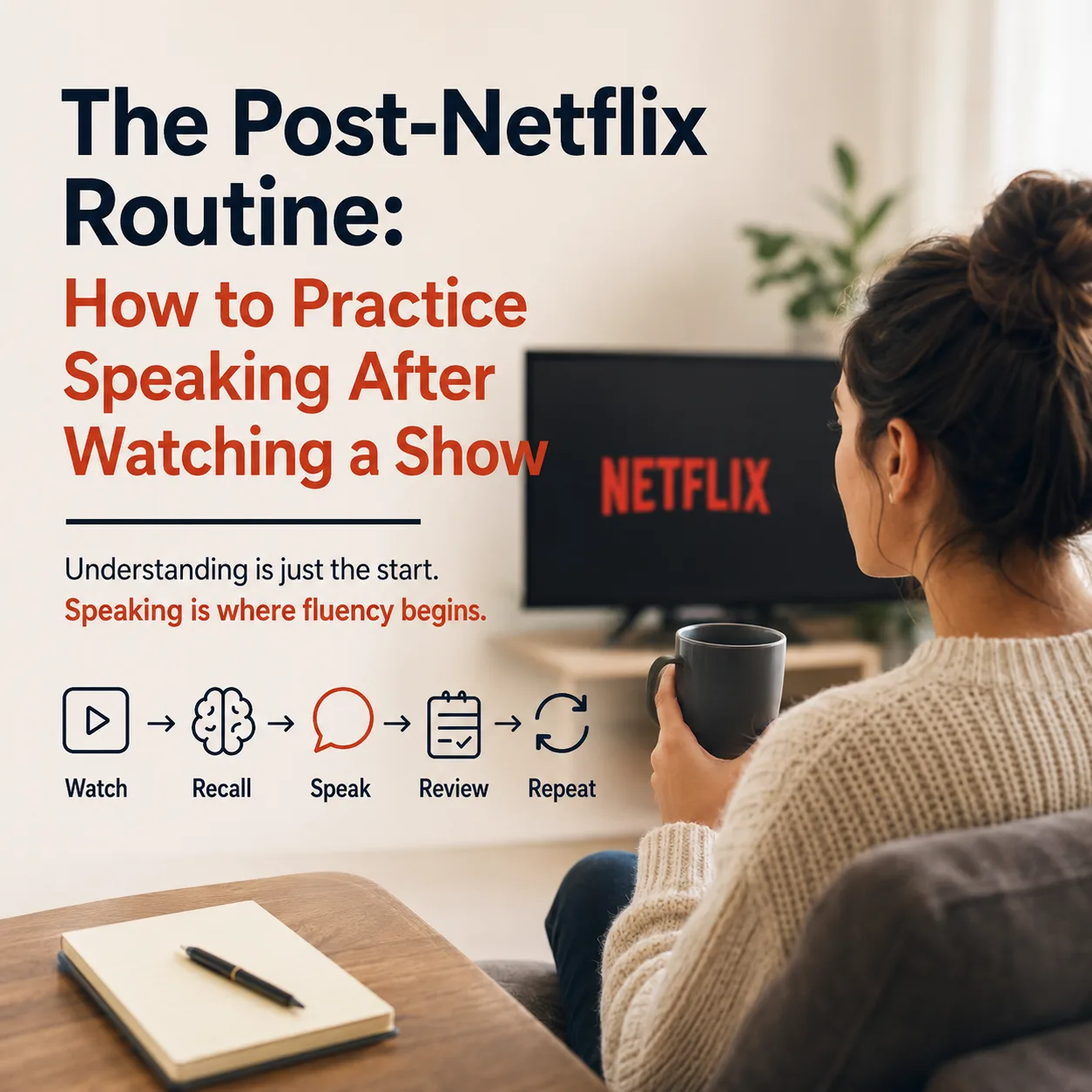
Technology has become an integral part of our lives, and using it to your advantage can provide constant, passive exposure to the French language. If you’ve ever felt fluent while watching a show but frozen when speaking, this article explains exactly why — and what to do about it.
One of the most efficient and effortless ways to start immersing yourself in French is by changing the language settings on your electronic devices. By setting your phone, computer and even your social media accounts to French, you’ll encounter new vocabulary regularly, from system commands to app notifications. This constant exposure to everyday terms helps you get comfortable with words you may not even find in language textbooks.
Switching to French on devices also forces your brain to associate daily tasks with the new language, helping you to think in French instead of your native language.
How to Change Device Language
- Smartphones: Go to the settings menu, find the language and input section and select French. Make sure this also applies to your keyboard settings.
- Laptops/PCs: On most systems, go to your control panel or settings, find the language section and select French.
- Social Media: Platforms like Facebook, Instagram and Twitter also allow you to change the language under account settings.
Pro Tip: Start with just one device, like your phone and expand gradually. At first, it might feel overwhelming, but as you get used to the vocabulary, you’ll find that it becomes second nature.
2. Watch French Movies, Shows, and YouTube Channels
French cinema and TV shows offer an incredibly immersive way to practice your listening skills and pick up on the nuances of spoken French. Thanks to streaming platforms like Netflix, Amazon Prime and YouTube, access to French-language media has never been easier. Watching French shows not only helps with your listening comprehension but also gives you a taste of French culture, humour, and societal norms.
Start by choosing French shows or movies that are appropriate for your level. If you’re a beginner, try watching with English subtitles first to follow along. As your skills improve, challenge yourself by switching to French subtitles and eventually, no subtitles at all.
Some great French TV shows to get you started include:
- “Lupin“ (a modern detective series)
- “Call My Agent!“ (Dix Pour Cent, a comedy-drama about talent agents)
- “Les Revenants” (a mystery drama for intermediate learners)
For more casual learning, YouTube is another excellent resource. There are countless channels focused on teaching French in a fun, accessible way, like Français Authentique and Learn French with Alexa, which provide lessons for all levels.
Pro Tip: Re-watch the same episodes or movies several times to catch words and expressions you missed the first time. Watching familiar content repetitively strengthens your comprehension.
For a full guide to which French shows work best at each level, see our French TV Shows guide.
3. Listen to French Music, Podcasts, and Audiobooks
Another simple yet effective way to immerse yourself in the language and learn French faster is by listening to French-language media throughout the day. Whether it’s during your morning commute or while you’re cooking dinner, make it a habit to listen to French music, podcasts, and audiobooks.
French music, from pop to rap to classic chanson, offers an engaging way to connect with the language through melody and rhythm. You can create a playlist of your favorite French songs and play them on repeat to help familiarize yourself with the pronunciation and flow of the language. Artists like Stromae, Indila, and Zaz are popular choices for learners.
Podcasts, on the other hand, can give you more structured language lessons or expose you to natural conversations. Beginner-friendly podcasts like Coffee Break French break down sentences and expressions in a clear way, while intermediate learners can enjoy programs like InnerFrench, where conversations are conducted entirely in French on everyday topics.
Pro Tip: Try listening to French radio stations like RFI or France Inter to expose yourself to real-time, unscripted French conversations.
4. Engage with French-Speaking Communities
While technology can provide plenty of language exposure, real-life interaction is key to making significant progress. Luckily, there are many ways to connect with French speakers even if you’re not in a Francophone country. Engaging with native speakers helps you practice conversational French and improve your fluency in a way that classroom learning often can’t match.
Online Language Exchange Platforms
Language exchange apps like Tandem, HelloTalk and Speaky connect you with French-speaking language partners for text and voice conversations. These platforms allow you to chat with native speakers who are often also interested in learning your native language, making it a mutually beneficial experience.
Local Language Groups
If you prefer in-person interaction, check platforms like Meetup.com for French language groups in your area. Many cities have communities where French learners and native speakers come together for casual conversation sessions over coffee or at language-focused events.
Social Media Groups
Online communities can also be a fantastic resource. Facebook groups like “Learn French Together” or subreddits like r/French provide spaces to ask questions, find conversation partners and stay motivated by connecting with others who are learning French.
Pro Tip: Don’t be afraid to make mistakes when speaking. The more you practice, the faster you’ll improve. Native speakers often appreciate your effort and will be more than happy to help you along the way.
5. Read in French Every Day
Reading is an essential skill for any language learner and incorporating it into your daily routine can dramatically improve your vocabulary and understanding of grammar. Start by reading content that matches your level like children’s books, short stories and even comic books can be a great entry point for beginners. As you progress, move on to news articles, blogs and eventually novels.
Some good starting points include:
- Le Petit Nicolas: A classic French children’s book with simple vocabulary.
- News Websites: Check out Le Monde or Le Figaro for news articles in French. These help you stay up-to-date with current events while practicing your reading comprehension.
- French Blogs: Find blogs on topics you’re interested in, whether it’s travel, food, or lifestyle, to keep your reading engaging.
Pro Tip: Use browser extensions like LingQ or Readlang that allow you to translate unknown words directly as you read online articles, helping you understand context without stopping too often.
6. Write in French
Daily writing practice is another powerful tool for language acquisition. Even if you’re just jotting down a few sentences in a journal or sending a quick message to a friend, writing helps reinforce grammar rules and expands your vocabulary. The act of producing sentences in French forces you to think critically about word choice and sentence structure, speeding up your learning process.
Start by keeping a short journal in French where you document your daily activities or write about your thoughts. If you prefer more structured practice, try using platforms like LangCorrect or italki, where native speakers can review and correct your writing.
Pro Tip: Focus on simple topics that you’re familiar with at first, such as describing your day or hobbies. As your skills improve, challenge yourself by writing more complex pieces, like short stories or essays.
7. Use French Learning Apps for Consistent Practice
Incorporating French into your daily life is crucial, and language learning apps can help you stay consistent. Apps like Duolingo and Babbel offer bite-sized grammar and vocabulary lessons that fit into short daily windows. For learners who want to combine video immersion with structured speaking practice, Jolii lets you import French YouTube videos and Netflix episodes and turn them into interactive lessons — vocabulary review, pronunciation feedback, and AI speaking practice built around content you’re already watching.
Pro Tip: Make it a goal to spend at least 10–15 minutes a day on structured practice. This little bit of daily work adds up significantly over time.
Conclusion
Immersing yourself in the French language without traveling to France is not only possible, but it can be an enjoyable and rewarding experience with the right mind-set and tools. By surrounding yourself with French through your devices, media, conversation, and daily habits, you’ll be on the path to fluency in no time. Remember, consistency is key. You don’t need eight hours a day of French — you need French woven into the hours you already have. Change one device, watch one show, read one article. Then do it again tomorrow.