Did you know? Reading stories is one of the best ways to learn any language. Stories help us memorize new vocabulary, learn syntax, context, and get completely immersed in a language. I didn’t know this right off the bat, but once I discovered it, my life changed!
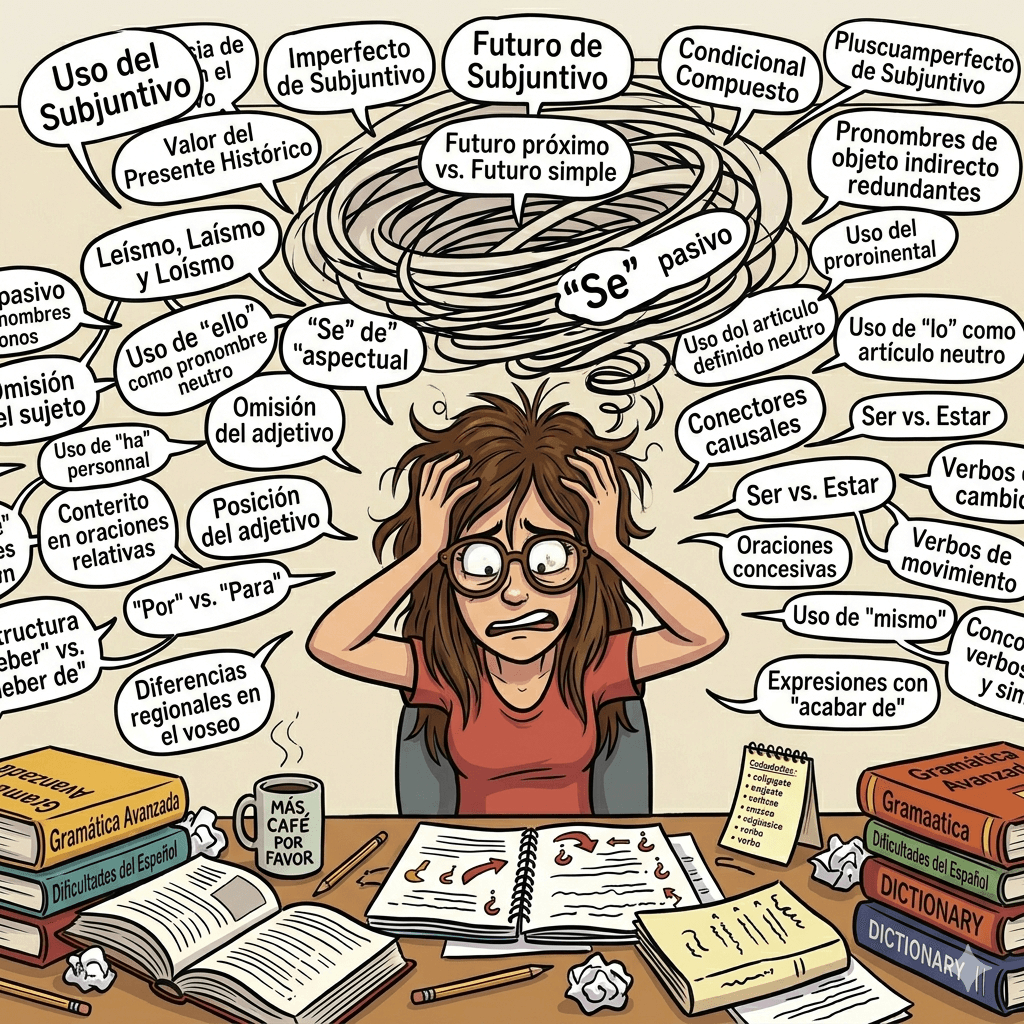
English is my second language, but I wanted to learn how to speak it like the natives. So, I buried by head into all the textbooks from language school and memorized tons of grammar rules, but nothing quite worked until I discovered how to learn English through story.
This is a story of my English language learning experience from textbooks to stories. How I went from stumbling and struggling with the English language to understanding and speaking the English language fluently. This is a proven strategy to learn English.
My English Textbook Dilemma
When I decided to improve my English language skills, I signed up at a language learning school in my city and purchased all the recommended textbooks.
I was excited. I was participating in class. I read chapters of my textbook and took some exercises at the end of the chapters, but that was when my major shock happened.
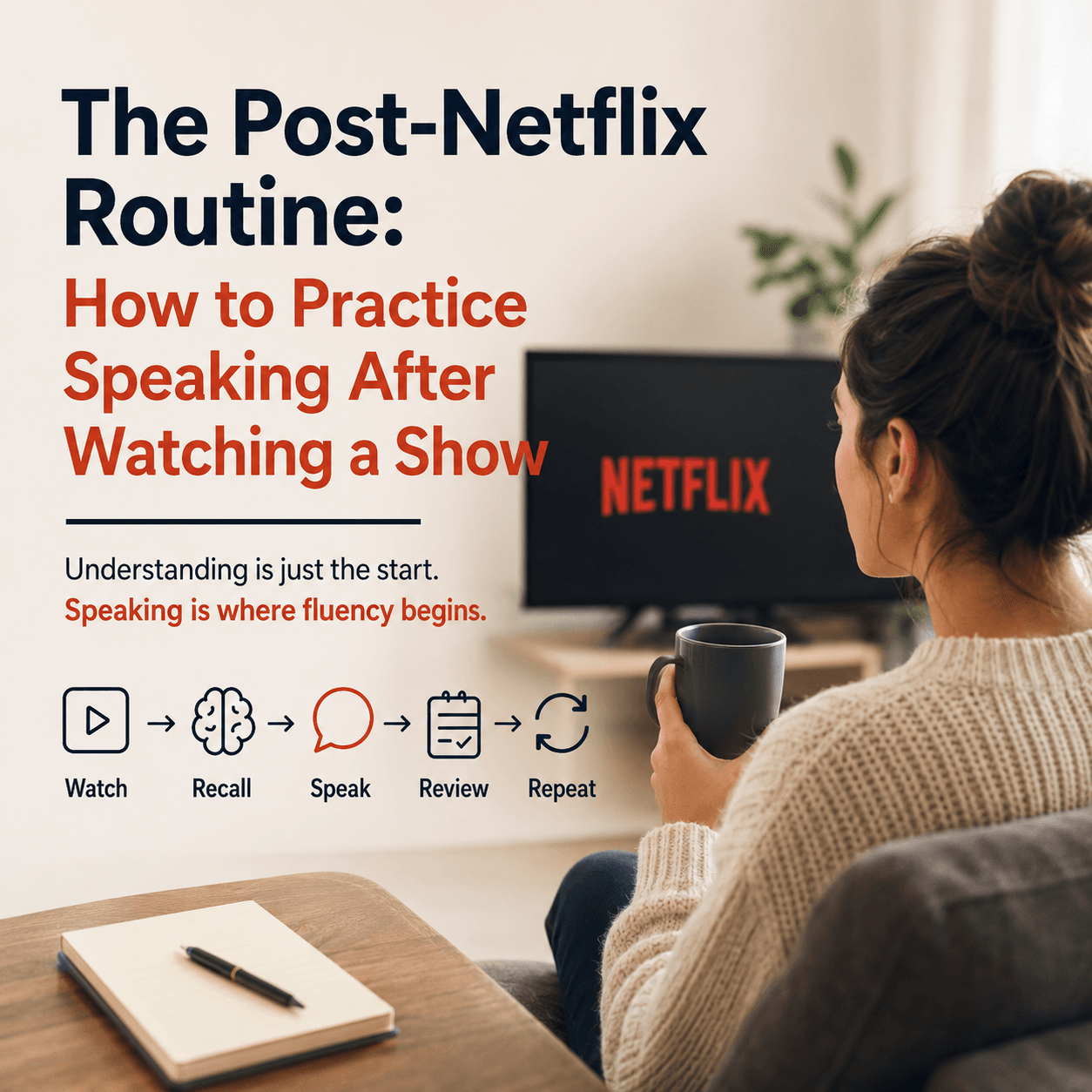
One weekend, I watched an English movie and realized that I couldn’t follow the conversations. Although I read an entire grammar unit earlier in the day, I still struggled to follow the movie.
In the coming weeks, I wondered how come I knew so many English language rules, but failed to understand conversations. Before long, I saw studying textbooks as a task. I simply studied to pass tests, but I never felt like I learned communication.
One day, my language teacher mentioned reading stories in English and recommended some stories. That was how I began my journey to learning English through stories.
Charlotte’s Web: The Story That Changed My English Language Learning
I returned home after one of my weekend language classes,with chapters of texts to read, but I lacked motivation. So, I ran a quick online search and found one of the recommended English story books, ‘Charlotte’s Web.’
The title was intriguing. Was Charlotte a spider? That would explain the reason she has a web. I started reading the book out of curiosity and a few pages later, I was shocked. I could read smoothly, without having to mentally translate each word. The storyline was captivating, and I felt the emotions behind the words I read.
When I finished reading the story, I had learned new words and their meanings, and a lot about English vocabulary. Most importantly, I enjoyed the reading process, and not just endured it.
I later discovered that my experience wasn’t unique. There are tons of research-backed findings about learning through stories and how effective it is to learn English through story. I’ll share my findings with you before the end of this post.
Learning English Through Stories
After reading Charlotte’s web, I decided to explore learning English through stories, even if it meant doing everything on my own. I discovered 3 things from this new approach:
- Stories replace pressure with curiosity
Instead of feeling pressured to finish a textbook chapter, I was curious about reading more chapters and discovering more of the story, even as I learned.
- I gained an understand of the emotions behind words through stories
I found the rhythm in grammar and the meaning behind word choices. I understood adjectives better through stories, and learned the power of emotive verbs. When I read words like ‘she sobbed’ or ‘he guffawed’, I didn’t just learn the words, but also became conversant with the emotions they conveyed.
- I could ‘read’ and ‘hear’ at the same time
This might be hard to explain, but as I read stories, I actually felt like I could hear the conversations and voice tones in my head. So, I was reading and hearing at the same time.

List of Stories that Taught Me English Better than Textbooks
Of course, when I decided to learn English through story, I didn’t stop at Charlotte’s Web or even ‘The Gift of the Magi,’ the second short story I read. I scoured the internet for short stories and even children’s books that could help me learn English.
Here are some stories that shaped my English language journey and what I learned from them:
- Grade Readers
At my beginner level, I read lots of grade readers. They use simplified language and grammar and highly engaging stories. I built vocabulary and comprehension through these grade readers while keeping reading pleasurable.
- The Alchemist by Paulo Coelho
Somewhere between my beginner and intermediate levels, a friend recommended ‘The Alchemist’ to me, and I gave it a try. Thanks to the simple writing structure and storytelling, I enjoyed it. I learned the philosophical use of words.
- The Little Prince by Antoine de Saint-Exupéry
When I moved on to the intermediate level, I enjoyed reading The Little Prince. It was a little taxing, but I learned about metaphors and understand rhetorical questions.
- Harry Potter and the Philosopher’s Stone by J. K. Rowling
I love the Harry Potter series, so when I came across this book, I was excited to read it. However, it wasn’t a walk in the park. It was one of the most advanced books I read at the time. I was often confused by magical words I couldn’t seem to find in the dictionary. Overall, I enjoyed the dialogue and expressions as they helped me learn English through story.
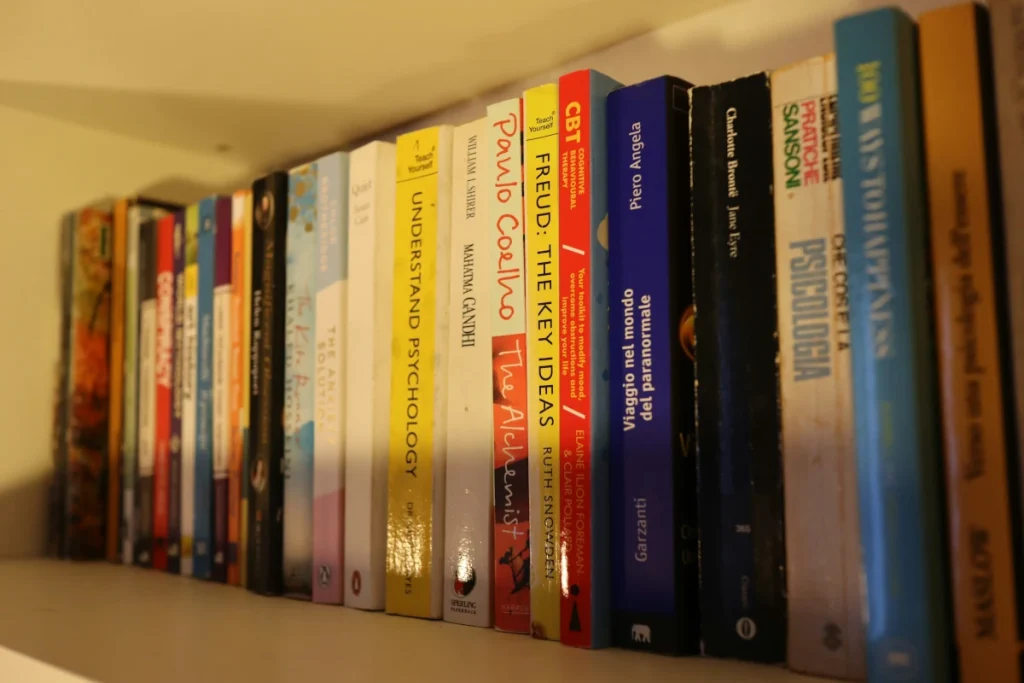
Here’s a more detailed list of recommended English storybooks for beginners, all available for PDF download.
The Facts: Why Learning English Through Story Works When Textbooks Fail
The more I enjoyed story-based learning, the more I became curious about why it worked for me when textbooks didn’t. After all, they’re both text-based. Here’s what I found out.
- Research proves that stories activate various areas of the brain
This includes the areas responsible for sensory experiences and language processing. So, when you read descriptions in stories, your brain processes what is described, supporting deep memory.
- Stories support retention more than isolated texts
According to Neuroscientific research, the brain retains information better when it is presented in a narrative format rather than as an isolated fact.
- Stories improve memory and remembrance
Several studies show that the brain learns and accepts information faster when it is anchored to a story. The brain also remembers these facts for longer because of their association with stories.
There are more facts where those came from, but they all point to the following things:
- Stories support deep learning in context above textbooks.
- Stories support cultural awareness more than textbooks.
- The human brain is wired to learn through stories rather than random facts.
- Stories stimulate empathy more than textbooks.
- Stories support multi-sensory learning compared to textbooks.
You’re a Story Away from Learning English
I am completely in love with stories. From reading short stories and full-length novels to watching video-based stories on platforms like Jolii.ai, I can boldly say I learned English through stories.
If you’re learning English right now, pick up a story and discover English sentence by sentence and dialogue by dialogue. Reinvent your studying, one story at a time.