Why Learning to Say “Happy Birthday” in Spanish Is Richer Than It Seems
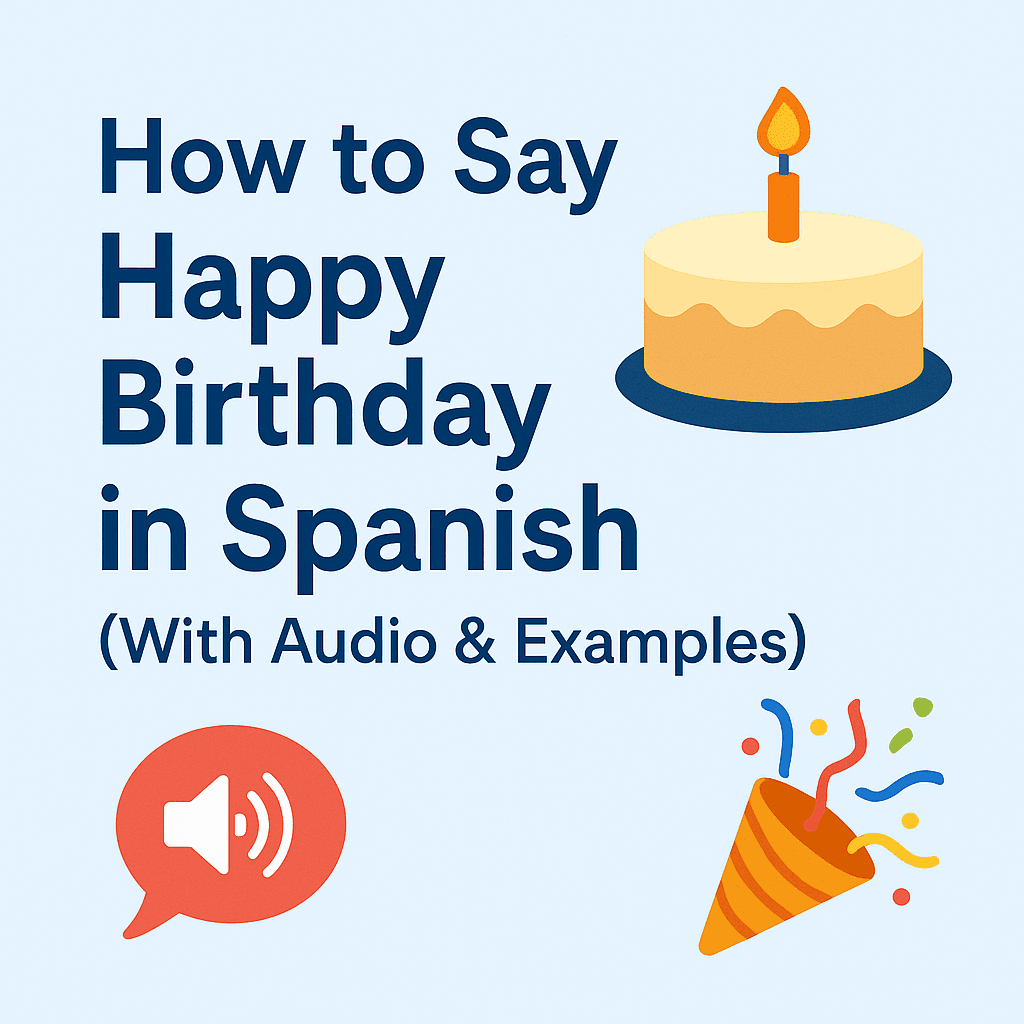
“Happy birthday” in Spanish isn’t just a polite phrase. It’s a small cultural gesture that opens a wide door to the warmth and emotional richness of the Spanish-speaking world. Saying “Feliz cumpleaños” might sound easy, but behind those words lies a universe of traditions, music, and linguistic nuances unique to each Spanish-speaking country.
In most Hispanic cultures, a birthday isn’t just a day to celebrate, it’s a true social event. Birthday wishes often come with songs, jokes, hugs, and, above all, emotion. In Spain, Mexico, Colombia, or Argentina, each Spanish-speaking region has its own way of wishing someone well, sometimes with idiomatic expressions or popular songs sung together in joyful chorus.
Beyond the party, learning how to say “happy birthday” in Spanish is also an opportunity to practice a musical and heartwarming language. Every message, from the simple “Feliz cumple” to the affectionate “Que todos tus deseos se hagan realidad” (“May all your wishes come true”), reflects a distinctly Hispanic way of thinking and feeling. Between you and me, if you’re learning Spanish, mastering these expressions not only helps you make people smile, but also build genuine connections, whatever the reason. It’s a sign of care that shows you understand both their culture and their heart.
So, what are you waiting for? Let’s dive in and discover how to say “Happy Birthday in Spanish” like a native.
The Different Ways to Say “Happy Birthday in Spanish” (Phrases, Tones, and Contexts)
Saying “Happy Birthday” in Spanish might sound simple… until you realize the cultural richness behind it. Depending on the country, tone, and relationship, the words change slightly, but the goal stays the same: to express warmth, affection, and joy.
Here are the main ways to say Happy Birthday in Spanish, with their nuances and when to use them.
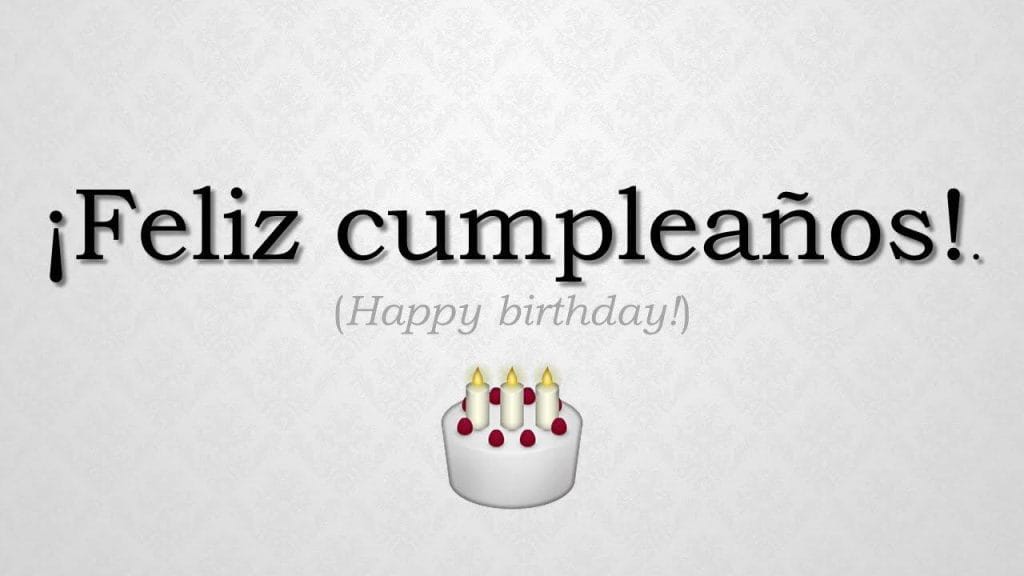
1. “Feliz cumpleaños” – the universal version
The most standard and widely understood form across the Spanish-speaking world. Literally means “Happy Birthday” and works both in writing and conversation.
Example:
¡Feliz cumpleaños, María! Espero que tengas un día increíble.
(Happy birthday, María! I hope you have an amazing day.)
When to use: In all situations, formal, friendly, or family.
It’s neutral, polite, and always appropriate.
2. “Feliz día” – warmer and more personal
Very popular in Latin America, especially in Mexico, Colombia, and Argentina. It means “Happy day,” but it implies “Happy birthday.”
Example:
¡Feliz día, mi amor!
(Happy day, my love!)
When to use: Between close friends, couples, or relatives.
It’s tender and intimate, less formal than the classic version.
3. “Felicidades” – the all-purpose word
Felicidades means “congratulations,” but in birthdays, it often replaces Feliz cumpleaños. It’s short, cheerful, and natural, the favorite of native speakers.
Example:
¡Felicidades! Que cumplas muchos más.
(Congrats! Hope you celebrate many more.)
When to use: In texts, on social media, or among friends. It’s quick, familiar, and full of good vibes.
4. “Que cumplas muchos más” – the song phrase
Commonly heard during the Spanish birthday song: Cumpleaños feliz… Que los cumplas feliz… Means “May you celebrate many more birthdays.”
Example:
¡Feliz cumpleaños! ¡Que cumplas muchos más!
(Happy birthday! May you have many more to come!)
When to use: During or after singing the birthday song, joyful and festive.
5. “Te deseo un feliz cumpleaños” – formal and elegant
A complete, polished way to wish someone well. Literally: “I wish you a happy birthday.”
Example:
Te deseo un feliz cumpleaños y un año lleno de éxitos.
(I wish you a happy birthday and a year full of success.)
When to use: In professional emails, cards, or polite messages.
6. Regional and creative expressions
Each Hispanic country adds its own flavor to birthday wishes:
| Country | Expression | Translate/Tone |
| Mexico | ¡Feliz cumple! | Friendly, shortened version |
| Colombia | ¡Que Dios te bendiga en tu día! | “May God bless you on your day” – spiritual tone |
| Spain | ¡A pasarlo genial en tu cumple! | “Have a great time on your birthday!” – casual |
| Argentina | ¡Felicidades en tu cumple! | Warm and relaxed blend |
7. Little affectionate touches
Spanish speakers love adding emotion and personality to their wishes:
¡Feliz cumple, guapa! (Happy birthday, beautiful!)
¡Felicidades, campeón! (Congrats, champ!)
¡Te mando un abrazo enorme! (Sending you a huge hug!)
These small details make messages lively and heartfelt, just like Hispanic culture itself.
You can also say ¡Feliz Cumple Mamá! (Happy Birthday Mum!) or ¡Feliz Cumple Papá! (Happy Birthday Dad!) and many other family and love quotes and greetings.
Birthday Songs in Spanish, “Happy Birthday in Spanish Song”

Saying “Happy Birthday” in Spanish is pretty good… but singing it for someone is even better. Music opens the door to culture, pronunciation, and shared joy. In the Spanish-speaking world, the birthday song is not just a formality, it’s a moment of emotion, humor, and genuine connection. Let’s explore the most popular versions of the “Happy Birthday in Spanish song”, their origins, and how to sing them the right way.
1. “Cumpleaños feliz” – The Most Universal Version
This is the direct Spanish translation of “Happy Birthday to You,” sung in almost every Spanish-speaking country. The rhythm is identical to the English version, making it easy to learn and sing.
Lyrics:
Cumpleaños feliz,
Cumpleaños feliz,
Te deseamos todos,
Cumpleaños feliz.
Translation:
Happy birthday to you,
Happy birthday to you,
We all wish you,
A happy birthday.
When to use it:
During classic birthday celebrations, whether in Spain or Latin America. It’s the neutral, international version, always appropriate and well-known.
2. “Las Mañanitas” – The Traditional Mexican Song
This is the most iconic Mexican birthday song, often performed with guitars or mariachi bands. It doesn’t literally say “Feliz cumpleaños,” but it expresses the same emotion, celebrating someone you care about.
Lyrics (short version):
Estas son las mañanitas
que cantaba el Rey David,
hoy por ser tu cumpleaños
te las cantamos a ti.
Translation:
These are the little mornings
that King David once sang,
today, because it’s your birthday,
we sing them to you.
Cultural context:
“Las Mañanitas” is often sung early in the morning, sometimes as a surprise, with flowers or breakfast. It’s a deeply rooted Mexican tradition, made famous by artists like Pedro Infante and Vicente Fernández.
3. “Feliz, feliz en tu día” – The Latin American Version
This song is popular in several South American countries (Chile, Colombia, Peru, Argentina). It has a lighter, more playful tone, perfect for children’s birthdays.
Translation:
Happy, happy on your day,
little friend, may God bless you,
may peace reign in your life,
and may you have many more birthdays.
When to use it:
Ideal for children’s parties, family gatherings, or schools. It’s a tender and positive version that everyone enjoys singing.
4. Other Variations by Country
| Country | Popular Version | Special Feature |
| Colombia | “Feliz cumpleaños, amiguito” | Faster, upbeat rhythm |
| Spain | “Cumpleaños feliz” (with improvisations) | Often ends with the person’s name: “¡Cumpleaños feliz, Juan!” |
| Chile | “Cumpleaños feliz” + rhythmic clapping | More festive and danceable atmosphere |
| Venezuela | “Ay, que noche tan preciosa” | A romantic, gentle song for loved ones |
5. The Birthday Song and Hispanic Culture
In Spanish-speaking countries, a birthday party is a real social event. It’s not just about the cake, it’s about music, dancing, laughter, and sometimes a touch of spirituality.
Cultural example:
In Mexico or Colombia, “Las Mañanitas” is often sung during the Quinceañera, the celebration of a girl’s 15th birthday, a symbolic passage into adulthood.
In Spain, friends gather in homes or bars, guitar in hand, to sing “Cumpleaños feliz” with humor and improvisation.
6. How to Practice the Song to Improve Your Spanish
Learning the Spanish birthday song is also a complete linguistic exercise:
- You train your pronunciation with clear, open Spanish sounds.
- You reinforce auditory memory through rhythm and repetition.
- You discover cultural expressions not found in standard textbooks.
Use Jolii AI to listen to native recordings, repeat after them, and get instant feedback on your accent and intonation. In just a few tries, you’ll sound almost like a native singer.
The Best Birthday Messages and Wishes in Spanish (“Happy Birthday Message in Spanish”)

A gesture of affection, respect, or humor, depending on your relationship with the person, that’s what means “happy birthday” in Spanish. In Hispanic culture, the words you choose matter as much as your tone: a warm, sincere, or funny message can mean much more than a simple “Feliz cumpleaños.” Let’s see the best ways to wish someone a happy birthday in Spanish, depending on the situation and the bond you share.
1. Classic and Universal Wishes
These are the most neutral expressions, the ones you can use with anyone: friends, coworkers, classmates, or acquaintances.
Examples:
- ¡Feliz cumpleaños! → Happy birthday!
- Te deseo un año lleno de felicidad y éxito. → I wish you a year full of happiness and success.
- Espero que tengas un día maravilloso. → I hope you have a wonderful day.
Spanish speakers tend to use warm and positive language, even in simple greetings. The focus is always on joy, gratitude, and well-wishing.
2. Wishes for Close Friends and Family
In Spanish-speaking countries, family and friendship bonds are very strong. Messages are often full of warmth and emotion, with words like cariño (affection), abrazo (hug), or alegría (joy).
Examples:
- ¡Feliz cumpleaños, hermano/hermana del alma! → Happy birthday, my soul brother/sister!
- Gracias por existir en mi vida, te quiero mucho. → Thank you for being in my life, I love you so much.
- Que la vida te regale tantos momentos felices como estrellas hay en el cielo. → May life give you as many happy moments as there are stars in the sky.
- Te mando un abrazo enorme lleno de amor. → Sending you a huge hug full of love.
Perfect for Instagram captions, WhatsApp messages, or handwritten cards. They express sincerity without sounding too formal.
3. Funny or Playful Messages
Humor is a key part of communication in Spanish. In a birthday message, a touch of playful affection or light-hearted teasing is always appreciated.
Examples:
- ¡Feliz cumpleaños! No te preocupes, las arrugas son solo líneas de experiencia. → Happy birthday! Don’t worry, wrinkles are just lines of experience.
- Ya no estás viejo, estás vintage. → You’re not old, you’re vintage.
- Felicidades por sobrevivir un año más. → Congratulations on surviving another year!
4. Romantic Birthday Messages
Wishing a happy birthday to someone you love is an art. In Spanish, romantic words are melodic, sincere, and poetic. They express both passion and tenderness.
Examples:
- Cada año a tu lado es un motivo más para sonreír. → Every year by your side is another reason to smile.
- Hoy celebro tu vida, y doy gracias por tenerte en la mía. → Today I celebrate your life and give thanks for having you in mine.
- Te amo más que ayer, pero menos que mañana. → I love you more than yesterday, but less than tomorrow.
These messages are ideal for couples, but also for romantic posts or personalized cards.
5. Cultural Variations Across Spanish-Speaking Countries
Don’t get wrong. Each country has its own way of expressing birthday wishes. Here are some cultural nuances you can use to make your message more authentic:
Spain : “¡Que cumplas muchos más!” → “Hope you celebrate many more!”
Mexico : “¡Que Dios te bendiga hoy y siempre!” → “May God bless you today and always.”
Colombia : “¡Te deseo un día lleno de amor, música y alegría!” → “Wishing you a day full of love, music, and joy.”
Argentina : “¡Pasala bomba en tu cumple!” → “Have an amazing time on your birthday!”
Chile : “¡Que tengas un día bacán!” → “Hope you have an awesome day!” (casual and fun)
6. Write Your Own Birthday Message with Jolii AI
Jolii AI doesn’t just correct your grammar, it helps you create a natural, unique birthday message that fits your tone and personality. You can say something like:
“Jolii, help me write a funny birthday message in Spanish for a friend.”
And it will give you several versions:
- formal,
- poetic,
- humorous,
- or romantic.
You can even ask Jolii to add emojis, translate your text into authentic Spanish, or help you pronounce it perfectly. It’s like having your own linguistic and emotional coach (fun, right?). You learn Spanish by expressing real feelings, not just textbook phrases.
Birthday Traditions in Spanish-Speaking Countries

Birthdays in the Spanish-speaking world are more than just blowing out candles, they’re emotional, social, and full of color. Each country adds its own flavor, turning a simple “Happy Birthday” into a real celebration of life and connection.
Mexico : The famous “Las Mañanitas”
In Mexico, the day begins with the traditional song “Las Mañanitas,” often sung early in the morning or when bringing the cake. Family and friends gather, sometimes even with a mariachi band! It’s common for the birthday person to take the first bite of cake, sometimes with their face pushed into it as a joke.
Spain : Cheek kisses and good wishes
In Spain, birthdays tend to be more relaxed but very social. People celebrate with friends at home or in a bar, and it’s the birthday person who often pays for the drinks. Instead of gifts, heartfelt messages and a warm “¡Felicidades!” mean the most.
Colombia and Venezuela : Music and blessings
Celebrations are full of dancing, laughter, and food. Families sing, pray, and give blessings like “Que Dios te bendiga en tu día” (“May God bless you on your day”), mixing faith and festivity.
Argentina and Chile : Party until late
Latin passion shows through all night dancing, shared meals, and toasts. It’s common to hear “¡A disfrutar tu día!” (“Enjoy your day!”) as everyone celebrates together.
Across all these traditions, one thing stays the same, birthdays in Hispanic cultures are not just personal milestones, they’re moments to connect, share love, and celebrate life with intensity and joy.
FAQ: Common Questions About Saying “Happy Birthday” in Spanish
1. What’s the most common way to say “Happy Birthday” in Spanish?
The most universal phrase is “Feliz cumpleaños.” It’s polite, simple, and works in any Spanish-speaking country or situation, whether you’re writing a message or speaking face to face.
2. Can I just say “Felicidades”?
Yes! It’s shorter, cheerful, and very common among native speakers. You’ll often see “¡Felicidades!” in texts, social media posts, and birthday cards.
3. What’s the difference between “Feliz cumple” and “Feliz cumpleaños”?
“Feliz cumple” is the casual, friendly version, used among friends, couples, or young people. “Feliz cumpleaños” is more formal and can be used in any setting.
4. How do I make my birthday message sound more natural?
Add a short, emotional phrase after it. For example:
“¡Feliz cumpleaños! Que todos tus sueños se hagan realidad.”
(“Happy birthday! May all your dreams come true.”)
5. How can I practice saying and using these expressions effectively with Jolii AI?
With Jolii AI, you can practice pronunciation, build personalized message lists, and simulate real birthday conversations. It corrects your grammar, offers emotional context, and helps you sound natural, just like a native speaker. Perfect for learners who want to master cultural nuance and spontaneity.
6. How do you pronounce “Feliz cumpleaños” correctly?
It’s pronounced [fe-LEES koom-pleh-A-nyos]. The z in feliz sounds like an s in Latin America, but more like th (“feleeth”) in Spain. The ñ in cumpleaños sounds like the ny in “canyon.”
7. Are there audio references to practice pronunciation?
Yes, most language apps, including Jolii AI, offer native audio clips and repetition exercises. You can listen, repeat, and record yourself to compare pronunciation. Focus on rhythm and natural intonation, Spanish birthday wishes are usually warm and melodic.
8. What’s the best trick to sound more natural when saying “Feliz cumpleaños”?
Smile when you say it. In Spanish, emotion affects tone. Keep it smooth and cheerful, and slightly stretch “cumpleaños” when you sing or celebrate. Jolii AI can guide your tone and give instant feedback on pronunciation.
Conclusion: Celebrate Like a Native Speaker
Learning how to say “Happy Birthday” in Spanish is an invitation into a culture that values warmth, music, and deep connection. From “Feliz cumpleaños” to “¡Que cumplas muchos más!”, each expression carries joy and emotion.
When you take the time to personalize your message, you show respect and affection, two pillars of Hispanic communication. And thanks to modern tools like Jolii AI, you can now practice with ease, emotion, and authenticity.
Takeaway
Every “¡Feliz cumpleaños!” is an opportunity to connect, learn, and express kindness. Master the words, and the heart behind them, and your Spanish will come alive.
So, ready to bring your Spanish to life? Then, try Jolii AI now and start practicing real conversations that inspire confidence, emotion, and connection, one “Feliz cumpleaños” at a time. Go on.