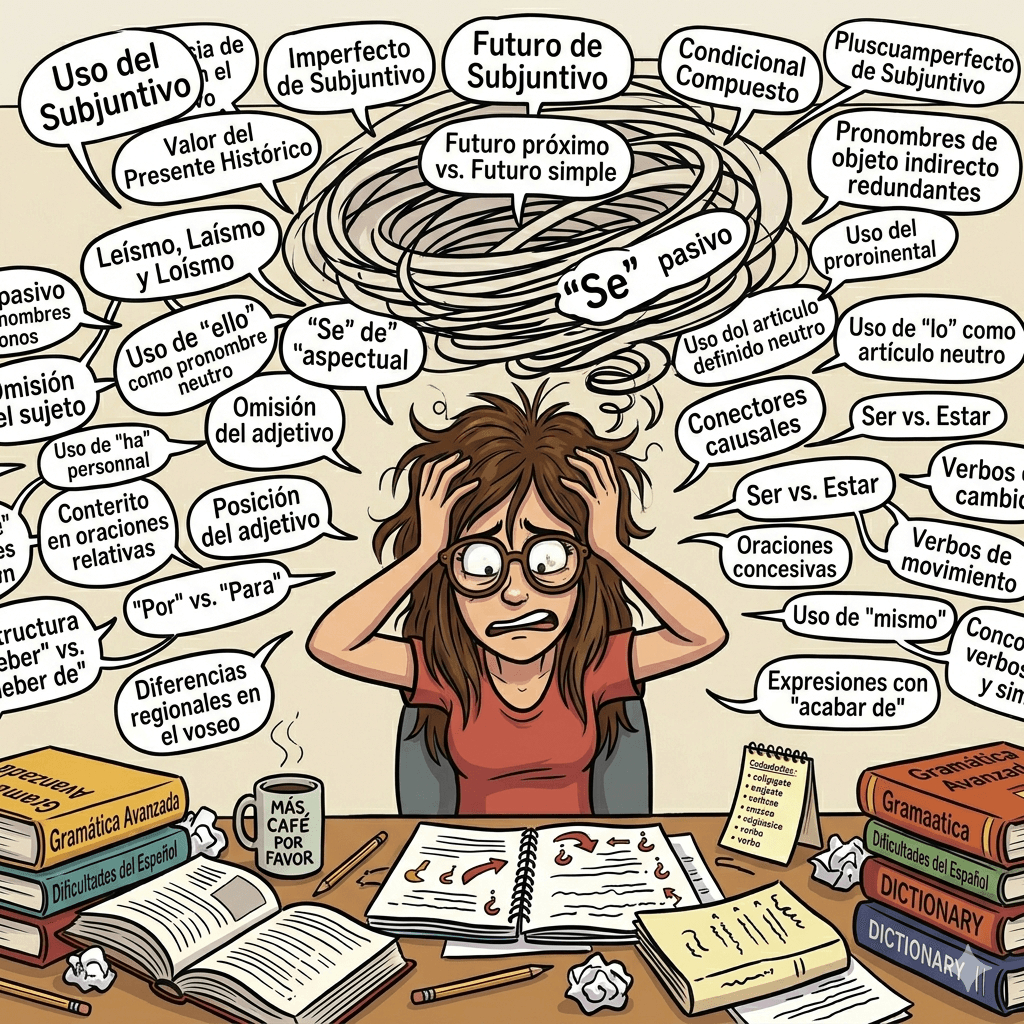
Have you ever tried telling a joke in Spanish and felt super silly?
You’ve probably figured out that jokes aren’t just the words. You need the right mood, perfect timing, some slang, and the way you tell it!
Forget the tourist phrasebook!
We’re going to teach you the authentic way to connect with native speakers and tell jokes that get real laughs.
Let’s dive in!
Why Humor Is Different in Spanish?
When you try to translate a Spanish joke, it rarely works. In fact, it’s usually a complete disaster.
Why? Because funny Spanish jokes rely on:
- Double meanings
- Sound-based wordplay
- Cultural references
- Exaggerated delivery
Instead of “sarcasm with a straight face,” aim for maximal reaction for maximal laugh.
Why it works: Spanish humor is used for social bonding. When you can joke comfortably, people instantly see you as part of the group.
Think Funny en Español: Mindset Shifts
You want to be funny in Spanish? Then think like a Spanish speaker.
That means:
- Learn idioms, not textbook lines
- Match the tone of the situation
- Deliver the punchline with confidence
In Spanish, humor equals performance.
No mumbling. No apologizing. No disclaimers like:
“Sorry, I don’t know if this will be funny…”
Commit to the bit.
Why it works: Spanish speakers judge charm and “buena onda” (good vibes) through delivery. Grammar perfection doesn’t really matter.
Types of Jokes in Spanish
Spanish humor thrives on wordplay, irony, and cultural quirks. Some famous joke types are:
1. Chistes cortos (short jokes)
This one is super simple, and super sharable.
¿Qué hace un pez? Nada.
What does a fish do? Nothing or it swims.
2. Juegos de palabras (puns)
Spanish phonetics provides unlimited pun energy.
¿Te sabes el chiste del papel? No importa, es muy suave.
(Soft = “suave,” like toilet paper.)
3. Doble sentido (double meaning)
Spanish speakers love these playful twists.
Warning: Not safe for every audience.
4. Modern meme humor
Memes thrive on local culture and regional slang. They often feature references to local politicians, news events, regional accents, or historical figures that only Spanish speakers
Why it works: These formats mirror the real Spanish humor content that learners encounter daily. They are fun, current, and rooted in sound-driven wordplay.
Must-Know Funny Phrases and Expressions
React like a native with these:
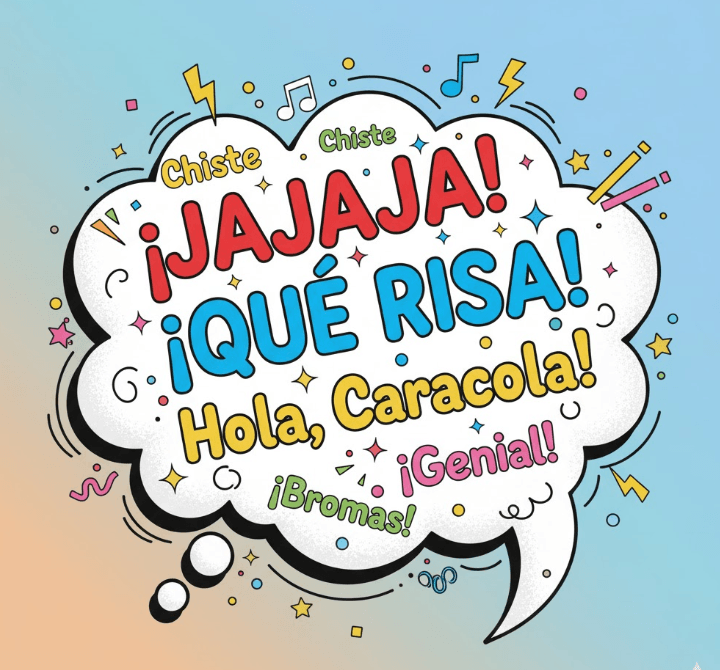
- ¡Qué risa! — That’s hilarious
- Me parto de risa — I’m cracking up
- Estás de broma — You’re joking
- No tiene gracia — That’s not funny (cold but useful)
Why it works: Knowing reaction phrases proves you got the joke — a major win for social fluency.
Body Language & Delivery Tips
Humor equals 1 part joke plus 4 parts delivery.
Follow these performance rules:
- Pause right before the punchline
- Use eyebrows and eyes (they do 60% of the job)
- Lean in when dropping the twist
- Use hand gestures strategically, not like a malfunctioning windmill
NEW INSIGHT: Spanish humor relies on exaggerated expressions. A quick eyebrow raise or temple tap (“está loco”) signals that something is funny, even if you miss a word.
Real-Life Examples of Jokes in Spanish
Use these safe-for-work classics:
Joke #1
¿Cómo se llama un boomerang que no vuelve? Un palo.
What do you call a boomerang that doesn’t come back? A stick.
Joke #2
¿Qué le dice una pared a otra? Te veo en la esquina.
One wall to another: See you at the corner.
Joke #3
¿Cuál es el colmo de un electricista? Que no le dé corriente nada.
Worst thing for an electrician? Nothing gives him current / excitement.
Pro Tip: Test these with Jolii’s AI conversations first if you fear public embarrassment.
Humor in Different Spanish-Speaking Countries
Your cultural compass for smooth communication:
- Mexico: Sarcasm + dark humor (playful, never cruel)
- Spain: Dry irony — blink or you’ll miss it
- Colombia: Friendly teasing and slapstick moments
- Argentina: Clever wordplay + confident roasting
NEW INSIGHT: Regional humor styles are not interchangeable. Dry Spanish irony in Colombia can land like a brick.
Jokes to Avoid or Be Careful With
Remember to skip anything related to:
- Politics
- Religion
- Gender/sexual humor
- Accent-mocking jokes (don’t)
These topics often cause discomfort, especially for non-natives. Keep humor uplifting and universal.
Pro Insight: Practice Humor With AI
Forget the books!
The pulse of current Spanish humor is found in online memes and AI platforms.
A research study found that AI jokes equaled human ones in laughter length and loudness during live tests.
AI-powered tools (like Jolii) help you:
- Test jokes privately
- Improve Spanish pronunciation for punchlines
- Learn trending slang from real content
- Get feedback on tone and timing
Modern Spanish Slang and Funny Expressions (2025 Context)
Slang evolves fast with digital culture, but many classic funny phrases stay popular.
Modern Slang:
- Hacer un next (move on), trol de fango (mud troll), and the borrowed fail are current favorites.
Funny Idioms:
- Ser la leche – can mean great or terrible, context decides.
- Echar agua al mar – doing something pointless.
- Estar como una cabra – acting crazy.
- No ver tres en un burro – can’t see a thing.
Note: Some phrases, like Tener la negra (“to have bad luck”), sound odd in English but are harmless in Spanish.
FAQs
Q. How do I tell jokes in Spanish as a beginner?
Use chistes cortos with simple puns. Keep it clean.
Q. Can I translate English jokes into Spanish?
Rarely. Punchlines rely on Spanish-specific sound patterns.
Q. Is Spanish humor the same everywhere?
No. Regional delivery matters more than language.
Q. What if nobody laughs?
Smile, say “No tiene gracia,” and pretend it was an experiment.
Final Word
To be funny in Spanish, you must know the word games and common expressions. ou also need cultural knowledge to know when to laugh.
Always say your jokes with confidence.
Recap:
- Jokes need timing and delivery.
- Humor builds social connections.
- Delivery is more important than grammar.
- Wordplay, puns, and culture are key.
- AI practice reduces social risk.
Want to practice without bombing in front of strangers?
Try jokes in Spanish with Jolii.ai and get instant feedback while learning with real videos and conversations.
Jolii makes being funny en español way less scary, and a lot more fun.