I’ve come across a lot of conversations in the past years centered around French language learning difficulty. A lot of people ask the question “Is French difficult to learn? They often get answers in the negative, so they shy away from it. But I say ‘No, French is not one of the most difficult languages to learn.. I’ll tell you why I hold that opinion based on my experiences.
I was introduced to the French language when I was a kid. I took French classes in elementary school, and I fell in love with the language. As a kid, I remember learning words like “Bonjour”, “Bonsoir”, “Merci”, “Je m’appelle”, and “la table”.
As I grew up, my French knowledge slowly faded. So, I decided to learn French again.. and to do it fast. I have now attained B2 fluency. Based on my experience, I’ll now proceed to answer the question many people have been asking.
Is French a Hard Language to Learn?
No, it isn’t. At least, it isn’t more difficult than some other languages we’re currently learning and doing fine at.
According to the Foreign Service Institute, French is a Category 1 language. This means that it takes about 24 weeks of study, or 600 hours, to gain professional working proficiency in French (B2 level). This is not bad when compared to other languages.
French sits on the same level as other moderately difficult languages like Italian, Spanish, and Portuguese. In fact, an English speaker will find it easier to learn French than Chinese, Japanese, or Arabic.
However, your background and goals might impact how long it takes you to become proficient in the language.
Complete beginners might struggle to grasp nouns and pronunciations in the beginning, but it becomes easier once they practice often.
Despite pronunciation challenges, English speakers will find it more manageable than non-English speakers because of shared language roots between English and French.
Learners who speak other Romance languages like Italian, Romanian, Spanish, and Portuguese often learn French faster due to similar vocabulary.
Self-learners will need a lot of resources, coupled with regular French speaking practices to catch up.
Your learning goal also influences how quickly you learn French. For instance, casual learners will reach their goal long before those aiming for advanced proficiency.
| A1 | Discovery level | 80-100 hours |
| A2 | Survival level | Up to 200 hours |
| B1 | Independent level | 350-400 hours |
| B2 | Upper intermediary level | Up to 650 hours |
| C1 | Advanced level | 800-950 hours |
| C2 | Mastery level | Up to 1200 hours |
Why Do People Struggle with French?
Every language has its challenging aspects, and so does French. These are some challenging aspects of learning the French language that scare people away.
- Gendered Nouns
This one is often a shocker for many people. Why do nouns need to be assigned a gender? Especially when we’re dealing with objects. Well, in French, nouns are either masculine or feminine. The problem, though, is how do you know which gender goes with which noun?
For instance, the table is feminine (“la table”), but the book is masculine (“le livre”). A boat (“le bateau”) is masculine, but a television (“la télévision”) is feminine. There are also exceptions you need to get used to. Sounds like a lot, but languages like German have it too.
- Silent Letters
Can we fault the French language for having silent letters when several languages, including English, have lots of those?
If you know the word ‘coup’, you won’t be surprised to discover that the French word “Beaucoup” is pronounced with a silent P, or “beaux” is pronounced without the ‘X’.
However, this can be confusing if you don’t have an English background or you’re not familiar with silent letters.
- Verb Conjugations
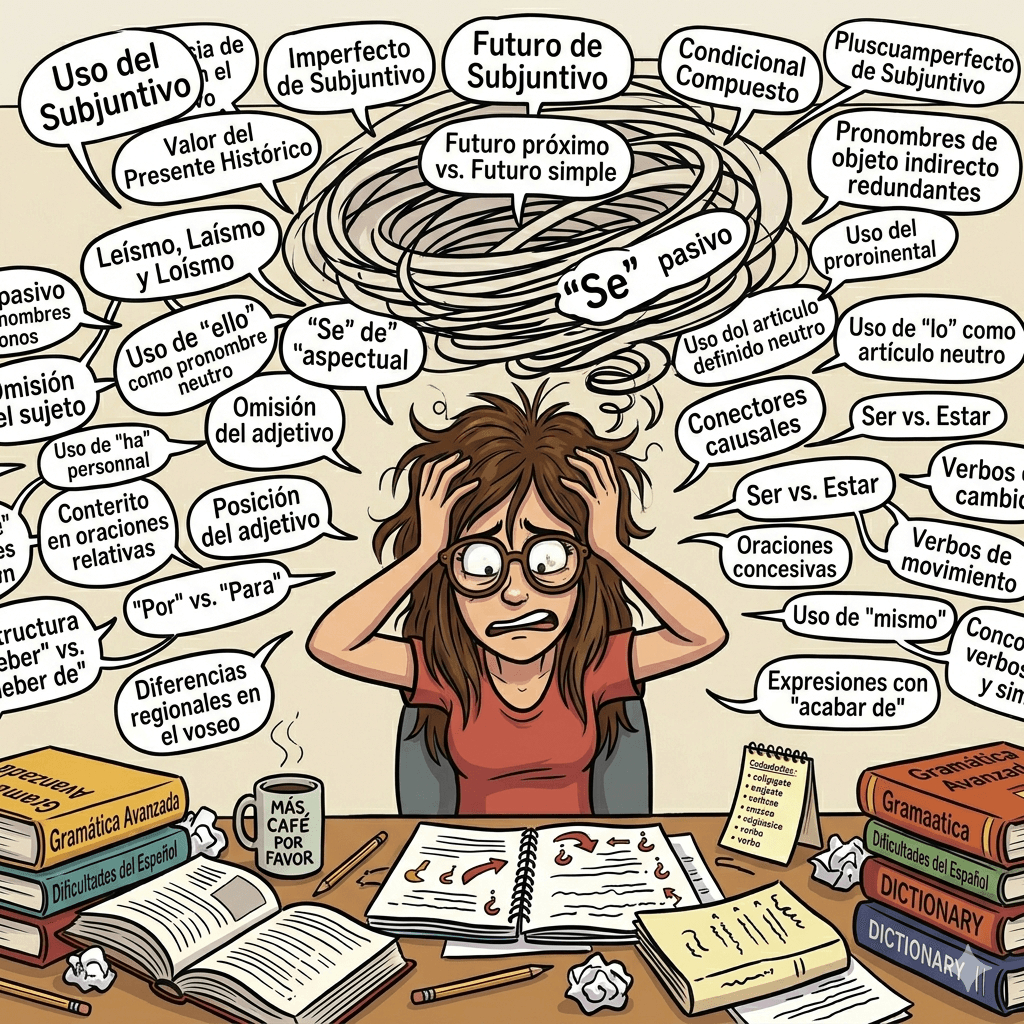
Learning conjugations can make French seem difficult to learn because the conjugates change depending on pronouns and tenses.
For instance, Eat (“manger”). I eat (“Je mange”), you eat (“tu manges”), and we will eat (“nous mangerons”).
Again, there’s a rule to all these, and once I learned the rules, it got easier.
- Liaisons in French
French words change pronunciation depending on the word next to them in a sentence. This concept is called “liaisons”, and they change the final consonant into /t/, /z/, or /s/ sounds when the words are followed by a silent h or a vowel
For instance, in the phrase ‘two children’ (“deux enfants”), the pronunciation of “deux” changes to “doz” because of the vowel following the word.
If these explanations already make some form of sense to you, then you’ll find that French isn’t so difficult after all.
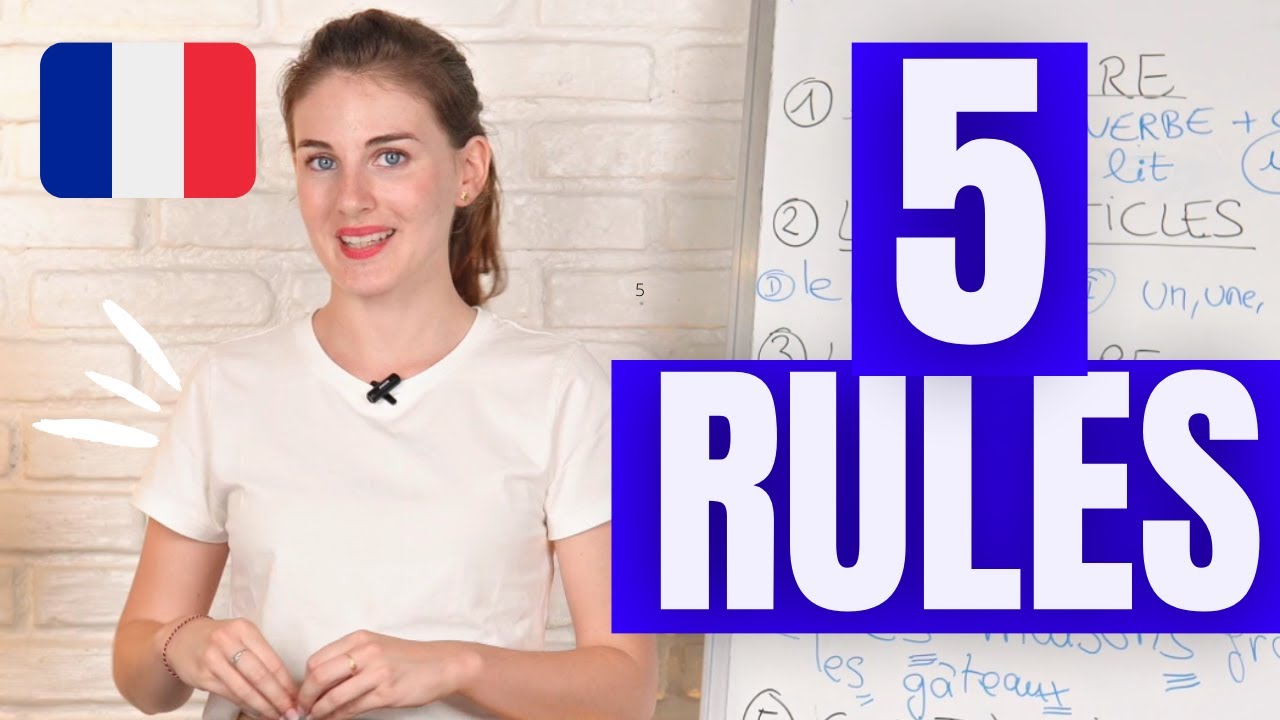
Learn more about gendered nouns and other French Language rules here:
French Language Learning: Myths vs Facts
There are lots of myths surrounding French language learning. You’ve probably heard some of them, but let’s discover the facts.
- Myth: It’s Too Late/You’re Too Old to Start Learning French
I’ve heard this one too many times. A lot of people have a misguided belief that if you don’t start learning French at a young age, it’s too late for you. This assumption probably stems from the fact that it is easier to learn a new language when you’re young. But it isn’t impossible when you’re older.
Fact: It is never too late to learn French.
While kids have age and neural functions on their side, as an adult learning French, if you’re dedicated, disciplined, and have resources at your disposal, you can easily learn the language.anguage.
2. Myth: You Need to Travel Abroad to Learn French Properly

If I had a dollar for how often I’ve heard this one, I would probably be wealthy. People believe you can’t be fluent in French without studying in France or other French-speaking countries. This is far from the truth.
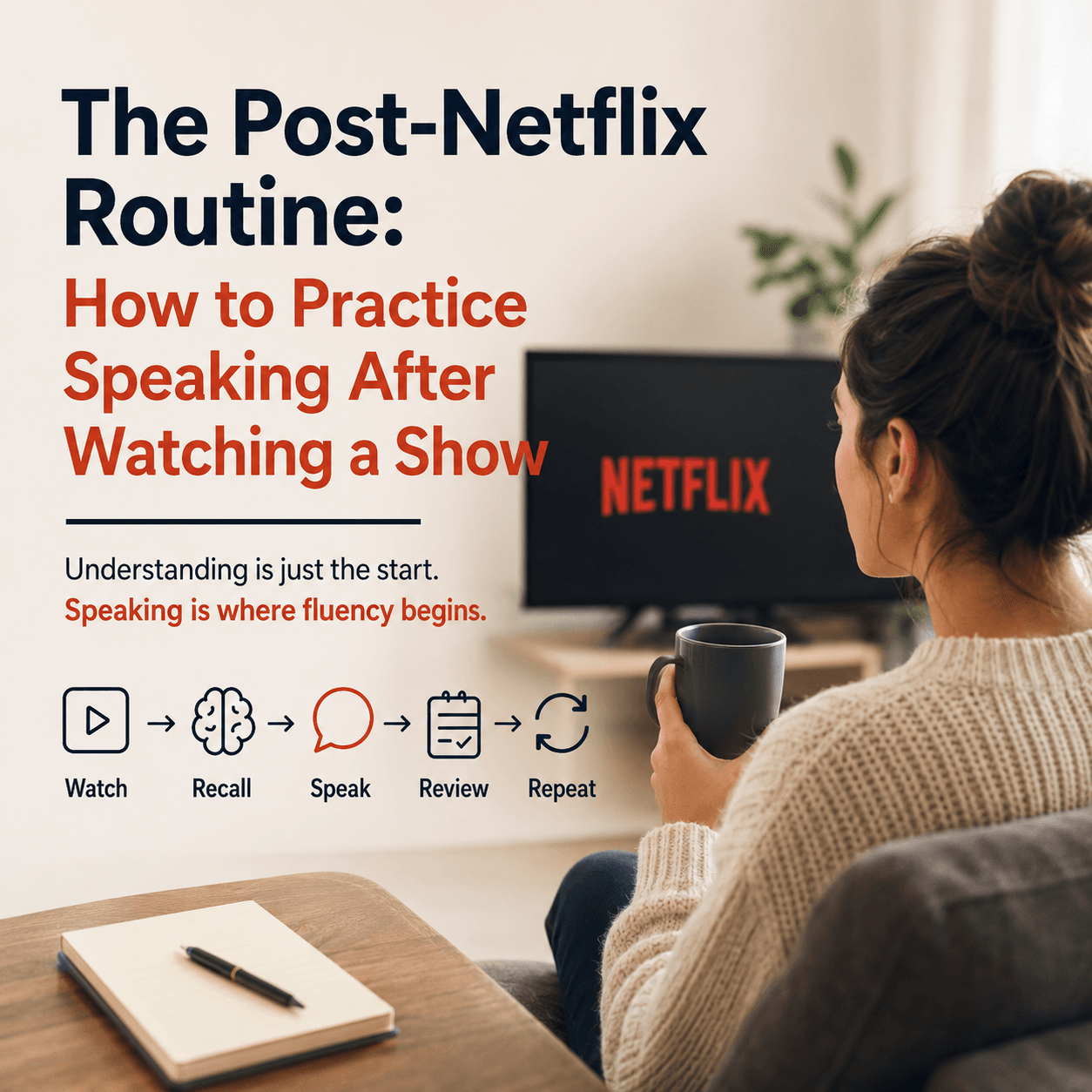
Fact: Studying abroad can be helpful because you’re surrounded by the language and culture. However, you can be fluent even if you learn in your home country. Using language learning apps, movies, music, and joining study groups make it easy to immerse yourself in the language without leaving your home country.
Pro Action Tip: Create an immersive French learning environment at home, from speaking to yourself in French, labeling items in French, watching and listening to French media, and practicing the language daily.
3. Myth: English Speakers Find It Difficult to Learn French
This myth holds no water. Although French has its pronunciation rules and grammar (as do other languages), nothing makes it particularly difficult for English speakers compared to speakers of other languages.
Fact: Actually, many of the English words we use today are derived from French words or have a shared Latin origin with French words, so there is a familiarity to work with. I would even dare to say that English speakers might find it easier to learn French than speakers of some other languages.
Pro Tip: A major challenge for English speakers when learning French is pronunciation. You can fix this by listening to audios or watching videos where these words are pronounced. Practice with them, and you’ll get your pronunciation game on!
4. Myth: French Grammar is Overwhelming and Hard to Understand
As we saw earlier, French grammar rules are quite different from those of other languages, and expectedly so. They can also be tricky to pick up in the beginning, but the rules aren’t overwhelming to the point that you can’t learn them.
Fact: French grammar has consistent rules and patterns. Once you know the rules and understand the patterns, the language becomes easy to understand and follow.
5. Myth: It is Hard to Converse in French as a Learner
I don’t know where this myth originated, but I guess a lot of people think you would sound silly or weird if you attempt to speak French before you master the language. This myth goes against an important rule in language learning, which is to practice speaking as you learn.
Fact: There’s no fixed level of understanding you need to reach before having conversations in French. Even if you’ve only mastered how to greet or ask simple questions, you can hold simple conversations in French.
Action Tip: Learn simple phrases, questions, and answers, and practice speaking them with fellow language learners or French natives. The more you practice, the more your skills improve.
Final Thoughts
French isn’t difficult to learn. It is a medium-difficulty language and can be easy and exciting to learn. If you’d love to start learning French, I recommend trying Jolii.ai to learn French with movies, music, and interactive sessions. If you’re waiting for a sign to get started, this is your sign.