My students in Panama often ask me what the best ways to practice English are when they have no English-speaking family at home to talk to. The same answer applies to Spanish learners as well. So, let’s break it down and answer the question. Here are the best ways to practice speaking Spanish when you have no one to talk to.
The following tips are engaging ways to learn that have helped me in my own language-learning journey. These tips are perfect for practicing speaking Spanish alone.
Online Language Exchange Groups
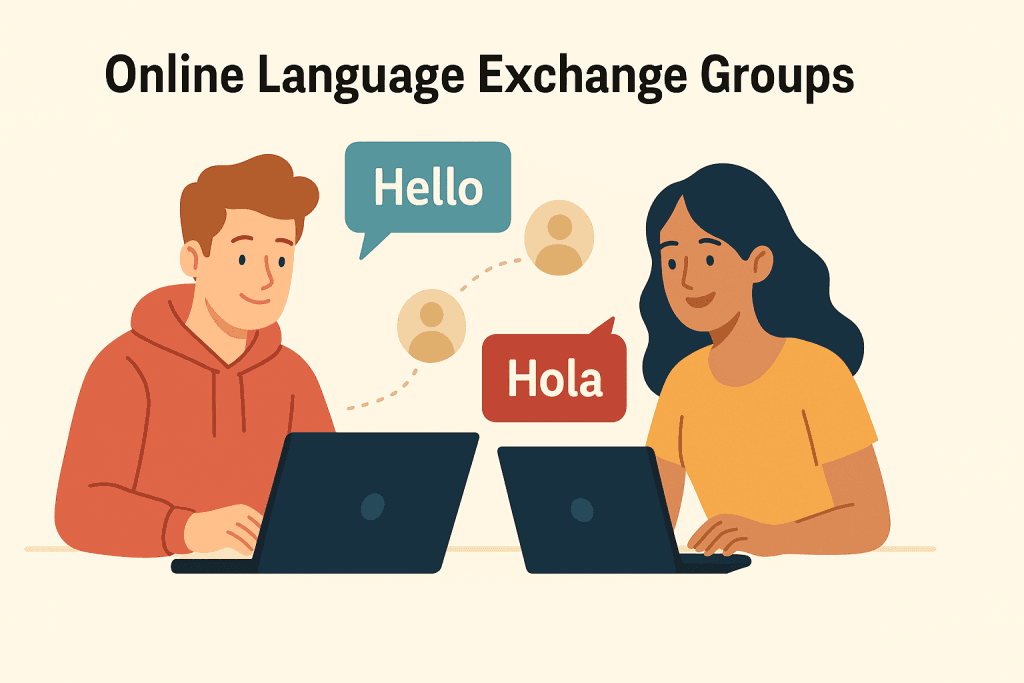
When I was living in London and learning Spanish, I had no Spanish-speaking friends, but I was lucky to find a group of people online. Each week, we would meet at a café and practice Spanish for 30 minutes, then English for the same amount of time. It was a language exchange and a great way to practice speaking and build confidence. Unfortunately, not everyone has access to these types of meetups or language exchange groups, especially if you live in a rural area.
Good thing we have the internet. There are many online forums you can use to meet new people, practice Spanish, and make new friends. Many of these sites are completely free, so you don’t have to worry about paying for another internet subscription. On my Spanish learning journey, I used a website called Conversation Exchange, where I spoke to many interesting people, practicing my written and spoken Spanish daily. Having a correspondence or pen pal is a fun and engaging way to learn a language. Many of these websites offer audio and video chat options. Eventually, I even met one of my pen pals from the site, and we remain good friends to this day.
Alternatively, you can converse with AI language learning models at all times of the day. This is great when your language exchange pen pal is offline. Check out the chatbot feature on the Jolii AI app.
Read Spanish Texts out loud
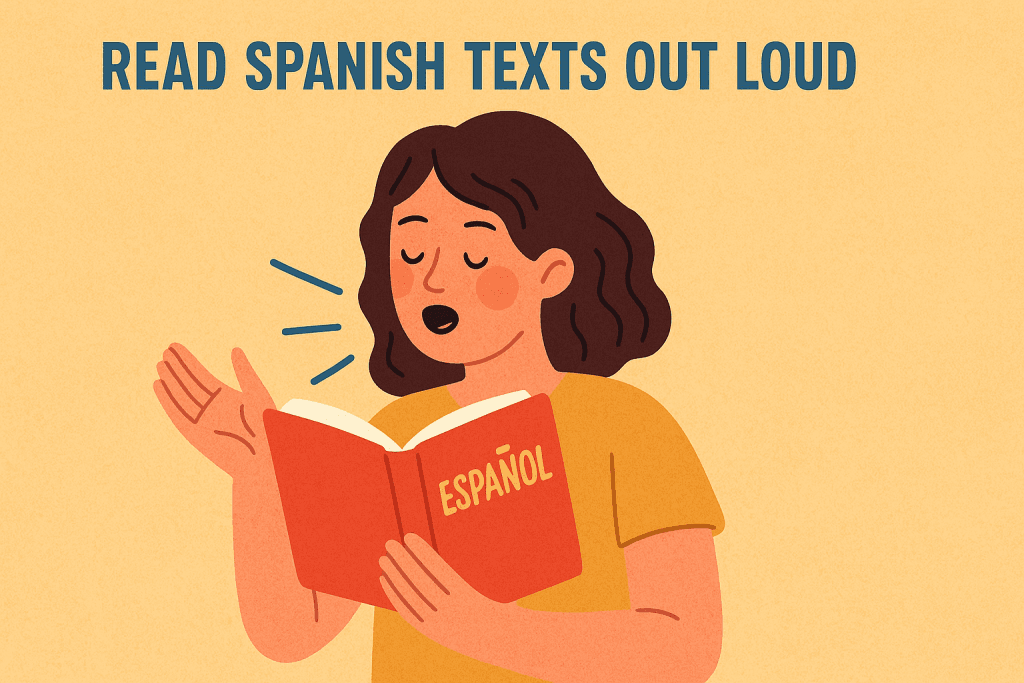
This might sound pointless – why read out loud whenever most of us read using our inside voices? But research shows that reading aloud is a great way to retain information. Teachers, like me, often ask our students to read aloud in groups or individually, helping them retain information more easily. This is especially true when learning new vocabulary.
A study from the University of Waterloo found that speaking text aloud “helps to get words into long-term memory” through what’s called the “production effect.” The key is to find some text that you enjoy so that you stay motivated to keep reading and practicing your spoken Spanish.
Kwiziq is a great online resource for Spanish learners of all levels to find interesting reading materials. They have a range of topics for you to choose from, including geography, history, science, and fiction. Find some reading material suited to your ability and write down words you don’t understand to look up later. You could also experiment with recording yourself and playing it back to spot your mistakes, independently, or with your tutor during your next session.
Shadow a native speaker by copying them
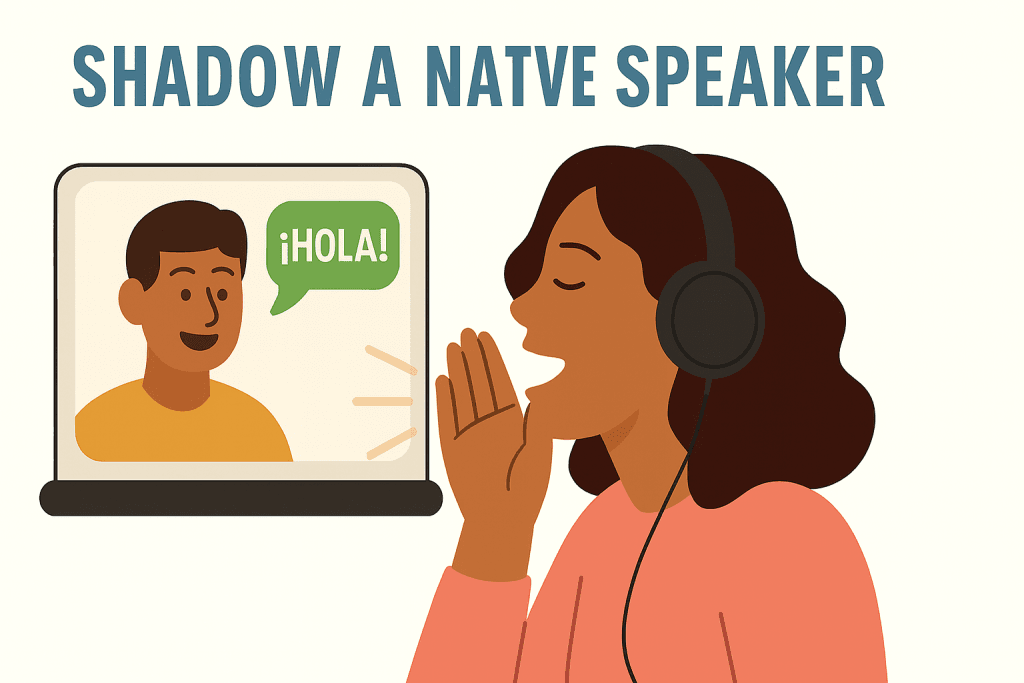
Like reading Spanish texts out loud, this tip requires you to speak out loud by copying or mimicking words or phrases spoken by a native speaker. Research shows that when learners mimic native speech in real time (known as shadowing), they improve their pronunciation, fluency, and listening-production link more than if they only listen or repeat afterwards. This article explains why this shadowing method works so well for language learners by describing how and why it works within the classroom.
Luckily, the shadowing method can also be used at home, even when we have no one to talk to, thanks to technology. Find Spanish language resources you like online, on YouTube, Spanish language learning podcasts or use language learning sites that feature audio listening exercises. Watch movies in Spanish.
You can also use the shadowing method using music. By listening to popular songs and singing them out loud, we train our memory recall and word repetition feels more natural and fun. Here are some song recommendations to get you started.
Final Thoughts on practicing speaking Spanish alone
Practicing spoken Spanish on your own might feel challenging at first, but it’s possible and surprisingly fun when you use the right techniques. Whether you’re shadowing native speakers, reading out loud, joining online language exchanges, or singing your favourite Spanish songs, every one of these methods helps you build confidence and keep progressing, even without a conversation partner at home.
The secret is consistency. A few minutes a day of intentional speaking practice can transform your fluency far more than you might expect. As I always tell my students in Panama, you don’t need perfect conditions to learn a language. You need curiosity, a willingness to try, and the courage to speak out loud—even when no one is there to hear you.
Keep exploring, keep practicing, and most importantly, keep speaking. Your future Spanish-speaking self will thank you.