Quick Answer (TL;DR)
You learn Japanese more effectively when language appears inside real situations, not isolated study. Shows like Banshaku no Ryuugi help you understand how tone, context, and relationships shape language, allowing your brain to build patterns you can actually use in real conversations.
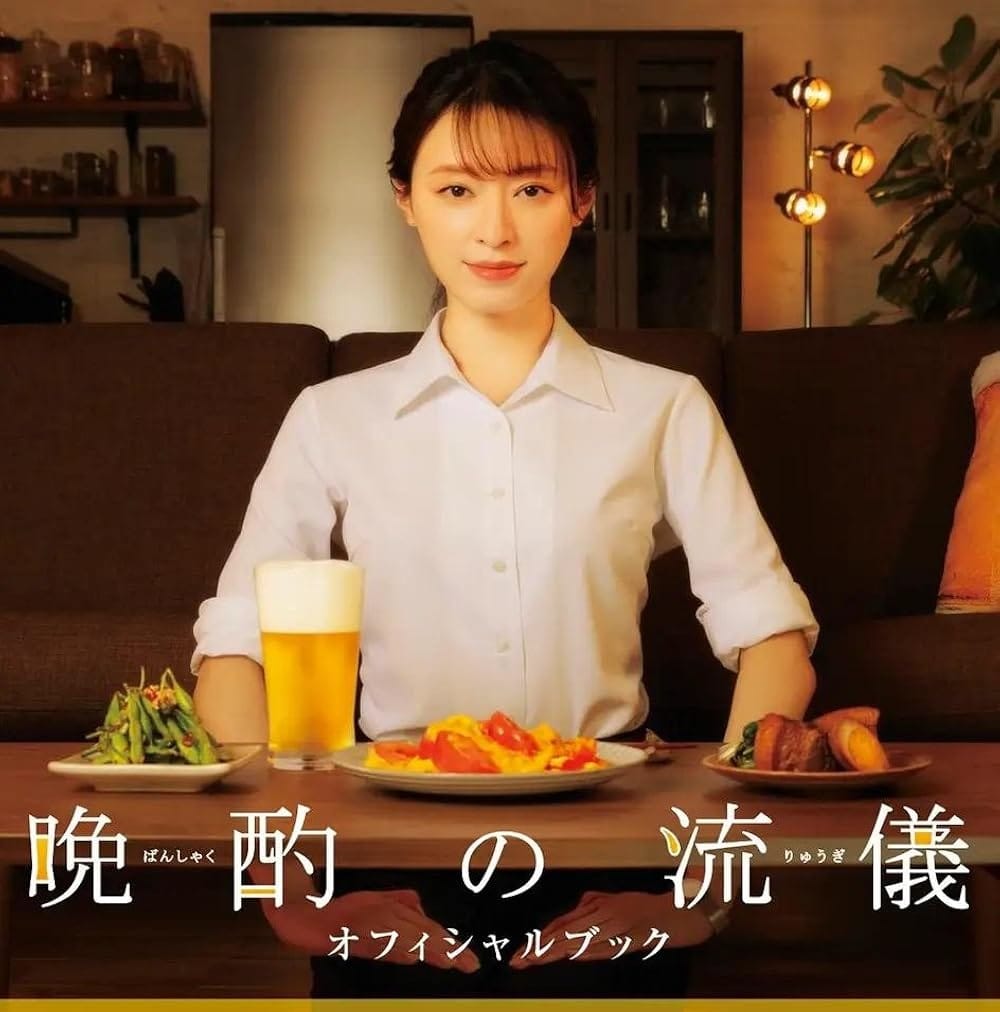
In Banshaku no Ryuugi, a Japanese drama available on Netflix, the story follows Mizuki as she enjoys simple meals and drinks after work, turning everyday routines into small rituals.
Through everyday conversations, cooking routines, and inner thoughts, the show creates natural context that helps your brain connect meaning, tone, and usage at the same time.
Before reading the analysis, watch one episode of Banshaku no Ryuugi on Netflix. Pay attention to how Mizuki’s language shifts between work conversations, casual moments with colleagues, and her inner monologue. Notice when the tone changes even if you don’t yet understand every word — that shift is what this article is built around.
Banshaku no Ryuugi is available on Netflix Japan and select regions. If unavailable in your region, a VPN or alternative streaming platform may provide access.
Why Japanese Feels Difficult Without Context
Japanese is often considered one of the most difficult languages to learn.
And there is a reason for that.
It’s not just vocabulary or grammar.
It’s how language changes depending on context.
In Japanese culture, respect and hierarchy matter deeply.
That shows up directly in how people speak.
The same idea can be expressed in completely different ways depending on:
- Who you are talking to
- your relationship with them
- The situation you are in
For example:
When speaking to a customer, the language becomes formal and careful.
With a colleague, it becomes more relaxed.
With close friends, it becomes even more casual.
And when speaking to yourself, it changes again.
Even though the meaning stays the same, the expression changes.
That is how respect is built into the language.
So learning one sentence pattern is never enough.
You need to understand:
- When to use it
- Who to use it with
- How it should sound in that moment
Without context, this becomes extremely difficult.
If you only study from textbooks, practice alone, and repeat patterns, progress will eventually slow down.
Not because you are not learning.
But because you are missing the situations that give language meaning.
Context is what makes Japanese flexible, natural, and usable.
The Cognitive Insight: Why Context Builds Real Japanese Fluency
Language is not stored as individual words.
It is stored as patterns tied to situations.
When you watch a show like Banshaku no Ryuugi, your brain processes:
- Tone
- Facial expression
- Social relationship
- Emotional context
All at the same time.
This shifts your learning from recognition to real usage.
You don’t just “know” a phrase.
You begin to understand:
- When to use it
- How it sounds
- What it feels like
Another layer appears over time.
Your brain starts predicting what comes next.
When Mizuki says something like:
- 「やっぱりいいな」 (as expected, this is really nice)
You don’t process each word separately.
You recognize the pattern.
And that is what fluency actually looks like.
How Japanese Changes Depending on Context (Mizuki as an Example)
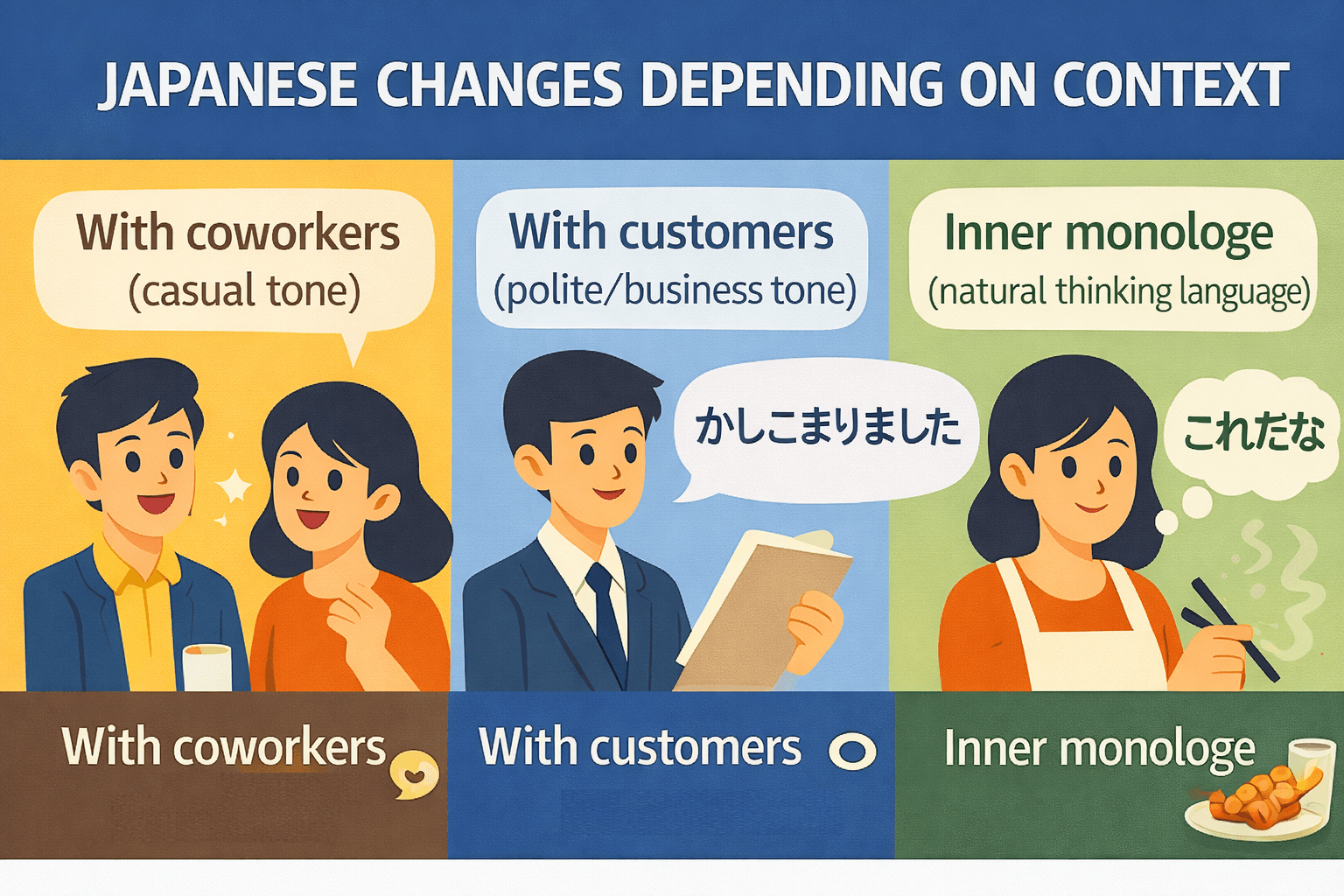
One of the most valuable things in this show is how the same person speaks differently depending on the situation.
1. With colleagues (casual tone)
When Mizuki speaks in relaxed settings, the language becomes softer and more natural.
You often hear expressions like:
These are not textbook sentences.
They are reactions.
2. With customers (polite / business tone)
In work situations, everything changes.
The structure becomes more formal:
- 「かしこまりました」 (certainly / understood)
- 「少々お待ちください」 (please wait a moment)
- 「ご確認いただけますか」 (could you please confirm)
This reflects respect, distance, and professionalism.
3. Inner monologue (natural thinking language)
When Mizuki is alone, the language becomes more personal.
Expressions like:
This is closer to how people actually think.
4. Cooking Vocabulary (learning through action)
Food scenes introduce practical vocabulary:
Because these words are tied to action, they are easier to remember
This reflects a well-established principle in language acquisition: words and phrases learned in meaningful, emotionally engaging situations are retained more effectively than those memorized in isolation. When visual input, audio, and context arrive simultaneously — as they do when watching a drama — the brain builds richer, more durable connections between meaning and language.
A Moment I Noticed This Myself
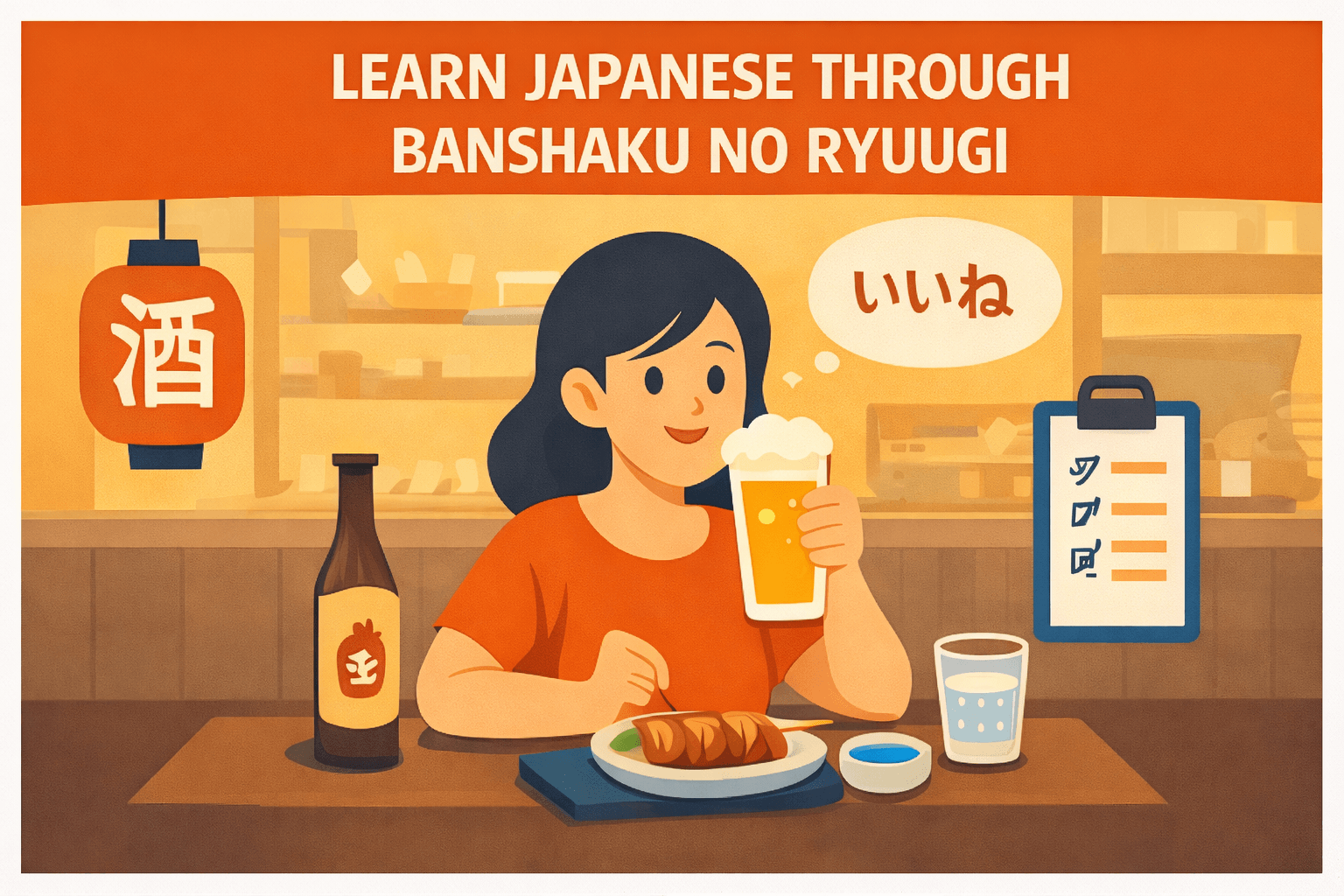
I remember hearing the phrase 「やっぱりいいな」 (as expected, this is really nice) before.
A colleague used it once during a casual conversation.
At the time, I understood the meaning.
But I didn’t really pay attention to it.
Later, while watching Banshaku no Ryuugi, I heard Mizuki use the same expression.
This time, it felt different.
The situation made it clear.
It wasn’t just about meaning.
It was about feeling.
And in that moment, I realized something.
There were situations in my own life where I could use that phrase naturally.
Not because I memorized it.
But because I finally understood when it fits.
Context vs Study-Based Learning
| Learning Mode | What It Feels Like | What the Brain Builds |
| Vocabulary Study | “I know this word” | Isolated memory |
| Grammar Practice | “I understand the rule” | Abstract knowledge |
| Context (Netflix) | “I get how this is used” | Pattern recognition |
| Context + Repetition | “I can use this naturally” | Automatic retrieval |
How to Learn Japanese Effectively from This Drama
Watching alone is not enough.
You need to engage with the situation.
1. Focus on Situations, Not Sentences
Ask yourself:
Who is speaking?
To whom?
In what context?
That is where meaning comes from.
2. Notice Repeated Expressions
Some phrases appear again and again.
Expressions like:
These are the real building blocks of conversation.
3. Replay Key Moments
When something feels clear or memorable, go back to it.
Not to memorize.
But to reinforce patterns.
Over time, those patterns become automatic.
Over time, your brain starts shifting.
You stop focusing on individual words.
And start recognizing complete patterns.
That is where fluency begins.
Why This Connects to The Mobile-First Netflix Learning Revolution
Context only works if exposure happens consistently.
That depends on how easy it is to access.
If learning feels heavy, it becomes less frequent.
If it fits naturally into your day, it becomes a habit.
Context only works if exposure happens consistently. Tools that make language learning feel lighter and fit naturally into your routine are more effective than those that require separate study sessions — not because they are more sophisticated, but because they get used more often.
When learning becomes part of your routine, context appears more often.
And that is what builds fluency.
FAQs
1. Is this better than studying grammar?
You need both. Grammar gives you structure, but without context, it’s hard to use that structure in real situations.
2. Can I learn Japanese just from this show?
You can learn a lot from it, but it works best when combined with vocabulary and grammar study—because the show gives you real context and culture that help you understand how Japanese is actually used.
3. Why does Japanese change so much depending on context?
Because Japanese culture places a strong emphasis on politeness and social awareness. Language reflects that by changing based on situation and relationship.
A Simple Way to Make This Work
By now, the idea is clear.
Context is what makes language usable.
But consistency is the real challenge.
That’s where Jolii becomes useful.
It helps you:
- Follow real scenes with support
- Notice patterns more clearly
- Replay moments without breaking the flow
So instead of switching between studying and watching, you learn directly inside the content.
Final Thoughts
Fluency in Japanese is not about knowing more words.
It is about understanding when and how those words are used.
That only happens through context.
Shows like Banshaku no Ryuugi give you something rare.
Not just language.
But situations where language makes sense.
And something even more important.
You also begin to understand the culture behind the language.
You start to see:
- How respect is expressed
- How relationships shape communication
- How meaning changes depending on context
And that cultural understanding is just as important as vocabulary or grammar.
Because language is never separate from culture.