First published: November 2025. Last updated: June 2026
Speaking Italian doesn’t need to be difficult.
If you really want to know how to learn Italian fast, then music can really help.
Why? Because when you listen to Italian music (and sing), your brain floods with dopamine and starts tagging new words as fun.
Research in neurolinguistics consistently shows that music engages both language processing areas and the brain’s reward system simultaneously. This dual activation helps explain why song lyrics are often easier to remember than isolated vocabulary — the melody acts as a retrieval cue that passive study can’t replicate.
So yeah, singing Volare might actually make you smarter!
Why You Should Learn Italian With Songs
Music makes repetition addictive. Lyrics repeat high-frequency words you’ll use every day. They teach you real-life expressions, not textbook filler.
Songs engage the brain differently from reading or listening exercises — the combination of melody, rhythm, and repeated lyrics creates stronger memory encoding than isolated repetition alone.
Thus, you mimic native pronunciation without even trying.
You’ll remember Bella Ciao faster than buongiorno, come va? in Italian from a worksheet.
If you want to understand how music accelerates language learning, read our complete guide to learning Italian through songs.
In my experience teaching Italian, songs often help learners remember vocabulary longer and they are just a fun way to engage with the language! Students who regularly listen to Italian music tend to remember words and phrases they actively use in conversation.
How to Learn Italian Faster with Songs
Anyone can boost fluency using music! Follow these steps for quick language improvement:
- 1. Pick Songs: Start with slow ballads; save complex rap for later.
- 2. Read Lyrics: Use LyricsTranslate for side-by-side translation.
- 3. Listen & Track: Follow pronunciation using subtitles (or dual subs).
- 4. Sing Along: Mimic rhythm and stress for pronunciation training.
- 5. Review Vocab: Note new words and replay the song later.
Frequency Tip: 10–20 minutes per session, 3–5 times weekly = noticeable fluency in 3 months.
Best Genres to Learn Italian (Pop, Ballads, Classics)
Not all Italian songs teach the same way.
- Pop & Ballads: slow tempo, clear vowels, emotional storytelling. Perfect for beginners.
- Classics & Opera: dramatic diction, formal grammar, clear vowel length
- Rap & Indie: real slang, filler words, and speed listening.
Pro Insight: 40–60% of common words appear in popular Italian songs. That’s everyday vocab with a beat.
15 Popular Italian Songs to Learn Italian With
This list of 15 popular Italian songs is your favorite cheat sheet for quickly boosting your Italian fluency! It is ideal for A1–B1 learners who want exposure to authentic Italian pronunciation and everyday vocabulary. Many of these songs come from Sanremo Festival or iconic Italian pop culture moments, also offering insight into contemporary Italian identity.
For a complete lyric breakdown of one Italian song — with verse-by-verse grammar analysis, cultural context, and practice exercises — the Bella Ciao article on this site applies this method in depth to one of Italy’s most recognisable folk songs.
| Level | Recommended Songs |
|---|---|
| A1 | Volare, Felicità, A Te |
| A2 | La Solitudine, L’Essenziale, Perdono |
| B1 | Zitti e Buoni, Soldi, Roma-Bangkok |
| B2+ | Tu mi piaci tanto, Musica (E il resto scompare) |
1. “Volare” – Domenico Modugno
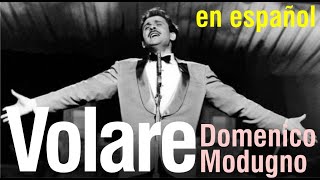
What it teaches: Italian vowel sounds and basic present tense — slow tempo and phonetic clarity make it ideal for pronunciation training.
Key vocab: volare (to fly), cielo (sky), blu (blue), felice (happy)
Why it’s memorable: One of Italy’s most recognisable songs internationally, which means you’ll encounter it again and again outside of study sessions — reinforcing vocabulary naturally.
2. “Zitti e Buoni” – Måneskin
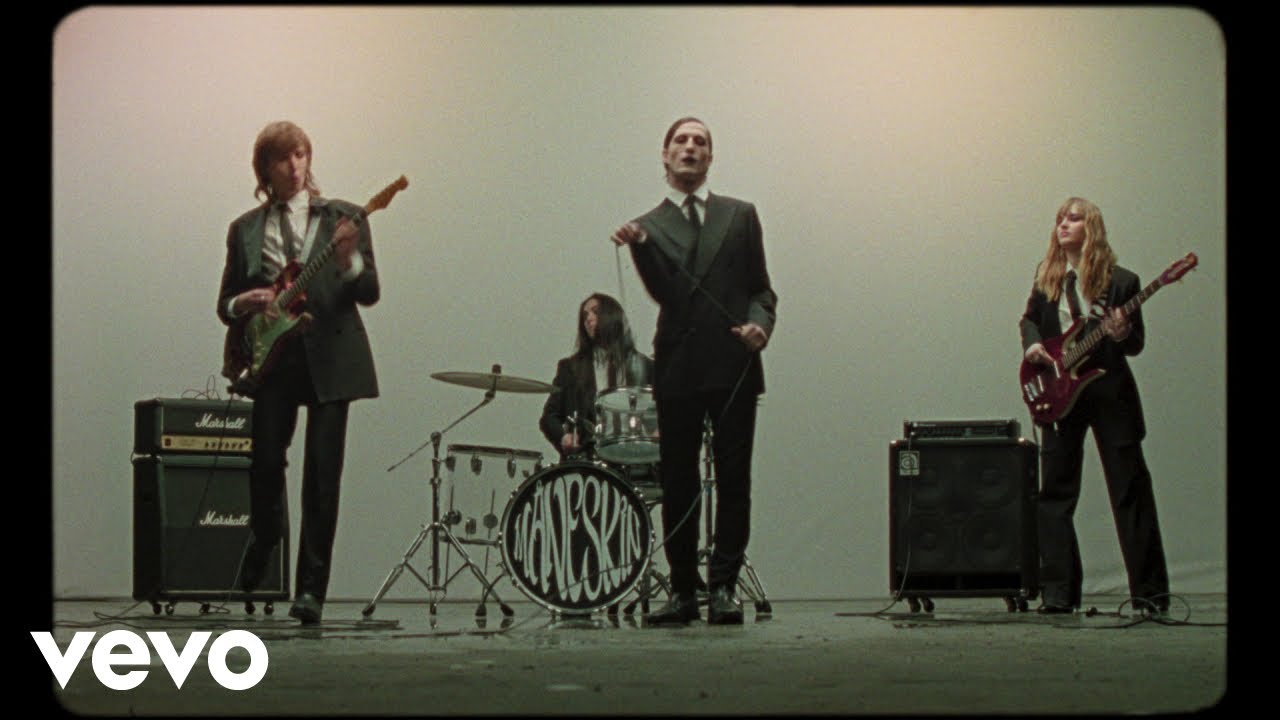
How it helps? With Zitti e Buoni you learn idioms, slang, and native speed.
Key vocab: zitti, buoni, testa.
3. “La Solitudine” – Laura Pausini
How it helps? Teaches storytelling grammar, past tense and emotion-heavy vocabulary.
Key vocab: solitudine, ritorno, consiglio.
4. “Senza Una Donna” – Zucchero
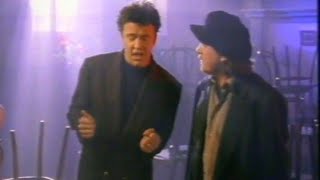
How it helps? Introduces conditional tense and everyday idioms.
Key vocab: senza, domani, donna.
5. “L’Essenziale” – Marco Mengoni

How it helps? Short phrases, frequent repetition, and clear enunciation.
Key vocab: essenziale, importante.
6. “Con Te Partirò” – Andrea Bocelli

How it helps? Future tense mastery with elegant pronunciation.
Key vocab: partirò, vedrò, luce.
7. “Roma-Bangkok” – Baby K ft. Giusy Ferreri

How it helps? Fun, fast vocabulary on travel and distance.
Key vocab: strada, viaggio, distanza.
8. “Soldi” – Mahmood
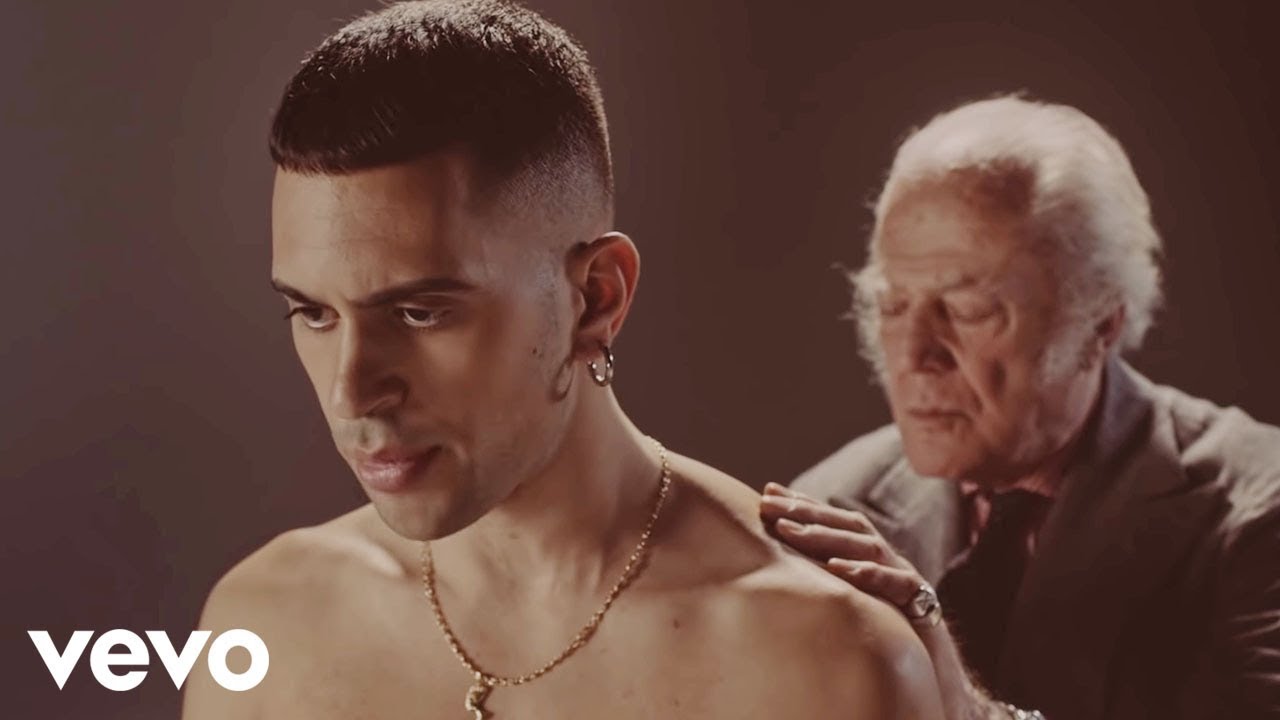
How it helps? Natural slang and filler words; everyday conversational rhythm.
Key vocab: soldi, babbo, fiducia.
9. “Musica (E il resto scompare)” – Elettra Lamborghini
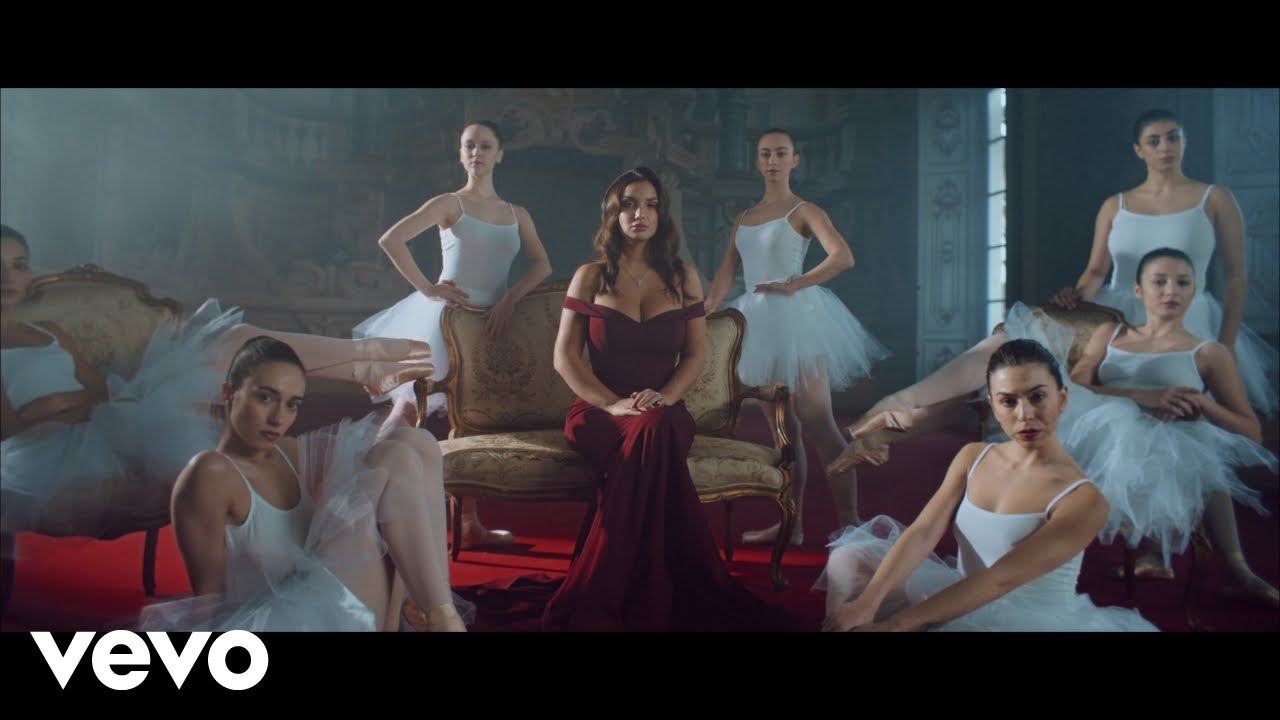
How it helps? Fast recall phrases and Italian reflexive verbs.
Key vocab: musica, scompare, resto.
10. “Tu mi piaci tanto” — Sayf (Sanremo 2026)
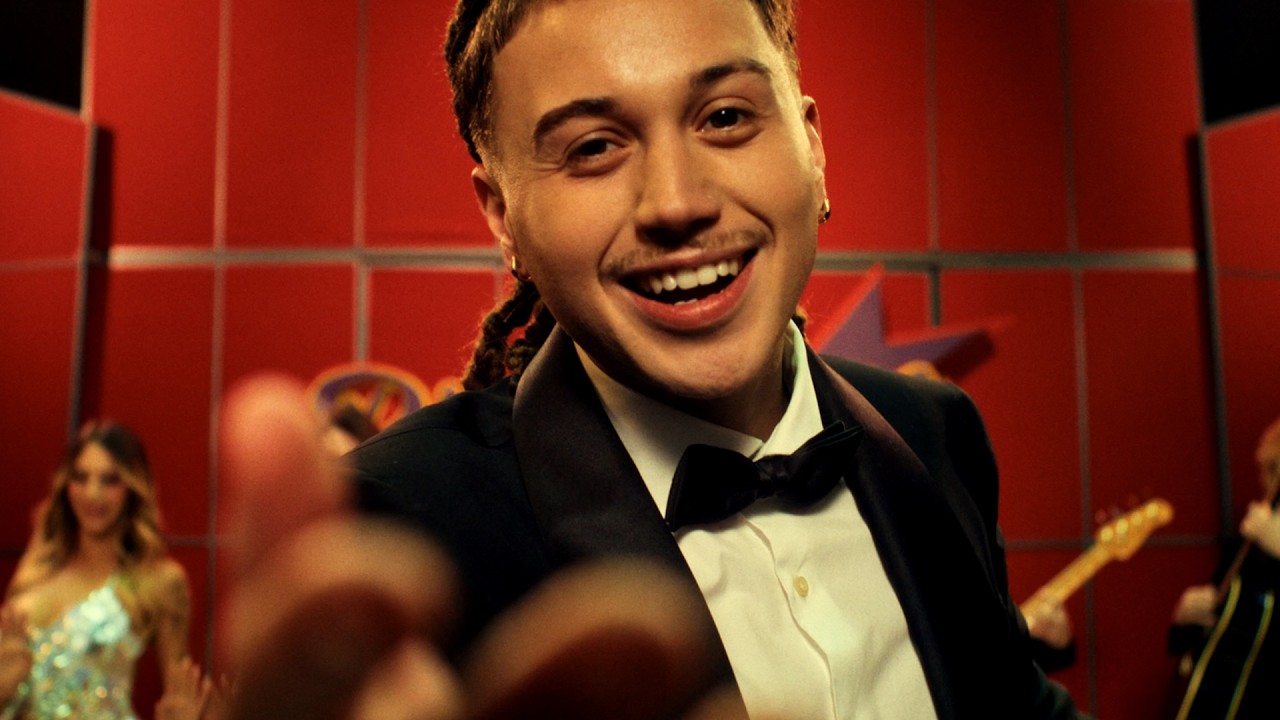
What it teaches: Present tense verbs, social and political vocabulary, and the structure mi piace/mi piaci — one of the most common and most confused constructions for English speakers learning Italian.
Key vocab: piacere (to like/to please), rallentare (to slow down), uguale (equal/same), amore (love), ripartire (to restart/start again)
Why it’s memorable: Second place at Sanremo 2026, “Tu mi piaci tanto” is deceptively simple — the hook repeats constantly, drilling the mi piaci construction — but the verses are dense with contemporary Italian vocabulary around work, class, and identity. The fact that Sayf is addressing Italy itself rather than a person gives the song cultural depth that makes it worth discussing beyond the language lesson.
11. “Perdono” – Tiziano Ferro
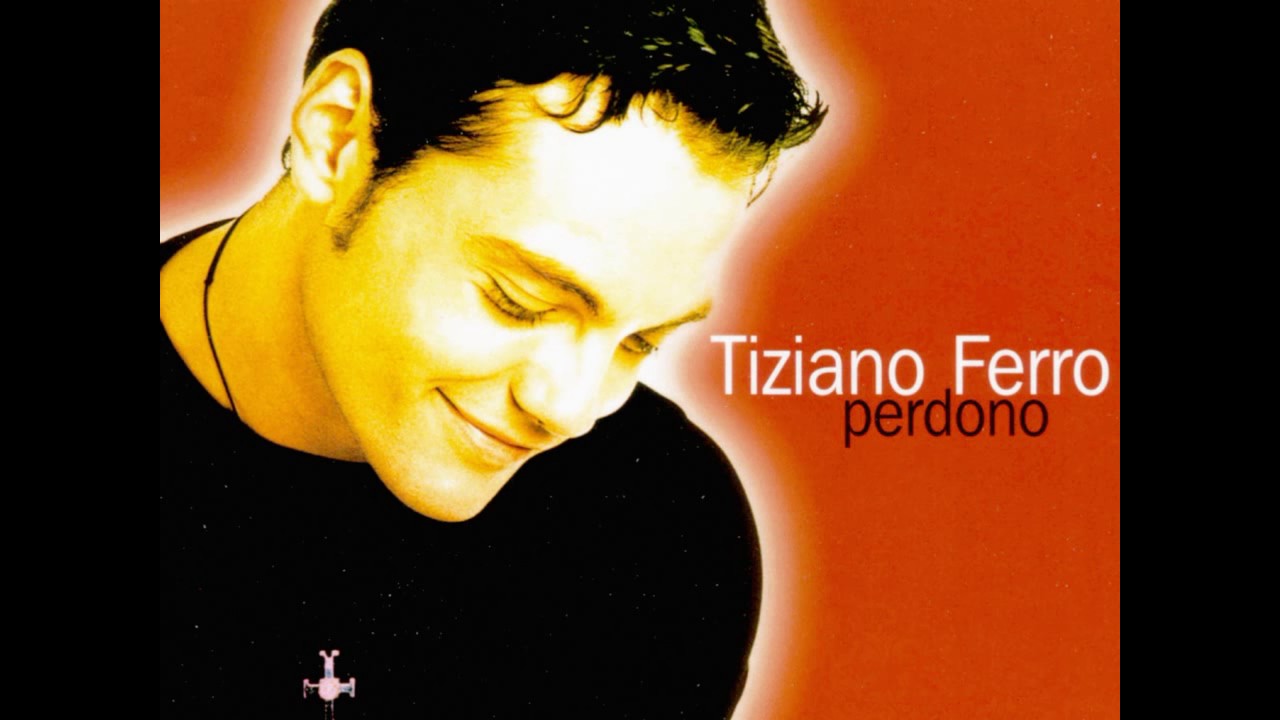
How it helps? Modal verbs and everyday emotional vocabulary.
Key vocab: perdono, scusa, posso.
12. “A Te” – Jovanotti
How it helps? Simple present and past tenses with emotional vocabulary.
Key vocab: amore, giorni, sostanza.
13. “Come Saprei” – Giorgia

How it helps? Conditional and modal forms; emotional nuance.
Key vocab: saprei, potrei, sentire.
14. “Io Canto” – Laura Pausini

How it helps? Repetition-based; drills verbs and subject drops.
Key vocab: canto, voce, vita.
15. “Felicità” – Al Bano & Romina Power
How it helps? Simple structure and high-frequency nouns.
Key vocab: felicità, sorriso, abbraccio.
Bonus Apps to Learn Italian Through Lyrics
Ready to make your lyric study even easier? Check out these bonus apps and extensions that integrate seamlessly into your routine.
- LyricsTraining → free web, $4.99/mo premium mobile. Fill lyric gaps in Karaoke mode.
- LyricsTranslate.com → free lyric translations; great for cultural nuance.
- YouTube Subtitles + AI Dubbing→ dual subtitles via extensions; 9+ supported languages.
- Spotify Playlists → curated study hubs like “Let’s Learn Italian!” and “Italian Languagecast.”
Pro-Insight: What’s New in 2026!
Passive listening is a starting point, not a destination. To get the most from these songs:
- First listen — follow the melody without looking at lyrics
- Second listen — read along with the Italian lyrics
- Third listen — pause after each line and repeat aloud, matching rhythm and stress
- Fourth listen — cover the translation and test your understanding
This active cycle turns a song you enjoy into a pronunciation drill, a grammar lesson, and a vocabulary review simultaneously. Ten to fifteen minutes per session, three to five times a week, produces noticeable improvement within a few months.
Jolii integrates this method into a structured workflow — import Italian YouTube content, extract vocabulary from the audio, and practice speaking the phrases you’ve heard with AI pronunciation feedback.
FAQs
Q. How effective is it to learn Italian with songs?
A. Compared to simple memorization, music-based study increases vocabulary retention by 20–30%. Songs like “L’Italiano” are a great way to boost Italian vocabulary, while learning about the rich Italian culture.
Q. At what level should I begin speaking Italian?
A. Level should be A1. “Volare” and “Felicità” are literally designed for newbies.
Q. What is the easiest Italian song to learn?
A. “Volare.” Slow, clear, unforgettable.
Q. Is Bella Ciao an Italian song?
A. Absolutely. The song Bella Ciao is a folk anthem. Great for repetition and rhythm drills.
Final Thoughts:
Music is not fluff. It’s neural training in disguise.
Singing along forces you to imitate the rhythm of the language. It also helps you match the stress and melody. These elements are crucial for a native-like accent.
You build vocabulary through rhythm and fix pronunciation by singing. This way, you stay motivated without flashcard fatigue.
Want to fast-track your learning? Find a song and use an app like Jolii.ai to practice the key Italian vocabulary today!