Ever found yourself in a café, eavesdropping on conversations at neighboring tables, trying to figure out whether you’re hearing Italian or Spanish?
You’re not alone.
These two languages can sound remarkably similar to untrained ears. And there’s a good reason for that.
Yes. The melodic rhythm and overlapping words might confuse you as a learner, but these languages have distinct personalities.
So, should you learn Italian or Spanish? If you know one, can this help you pick up the other? If these questions are on your mind, here is an Italian vs. Spanish language comparison to clear things up.
Is Italian Like Spanish? Key Differences and Similarities
Italian and Spanish are similar because both come from Latin, sharing vocabulary and grammar structures. However, they differ in pronunciation, verb usage, and false friends. Knowing one language makes learning the other much easier, but they are not interchangeable.
Italian vs Spanish: The Shared Roots
Here’s a fun fact. Both Italian and Spanish descended from Vulgar Latin, the everyday spoken Latin of the Roman Empire.
And when the Roman Empire collapsed, communities across Europe picked up their own versions of Latin. Italian and Spanish are a result of this.
And that’s why they are called Romance languages.
There’s even academic research on this. Romance languages like Italian and Spanish share extensive phonological and lexical features. And it’s all because of their common origin.
What does this mean? Words might have the same origin and sometimes similar meaning, but they are not always identical.
Some good examples:
- Italian: famiglia / Spanish: familia (family)
- Italian: importante / Spanish: importante (important)
- Italian: musica / Spanish: música (music)
What’s more? Both languages follow similar sentence structures (Subject – Verb – Object). They also gender nouns and conjugate verbs in comparable ways.
It makes sense why you may sometimes read a Spanish text if you know Italian, or vice versa.
Italian vs Spanish: Grammar Differences
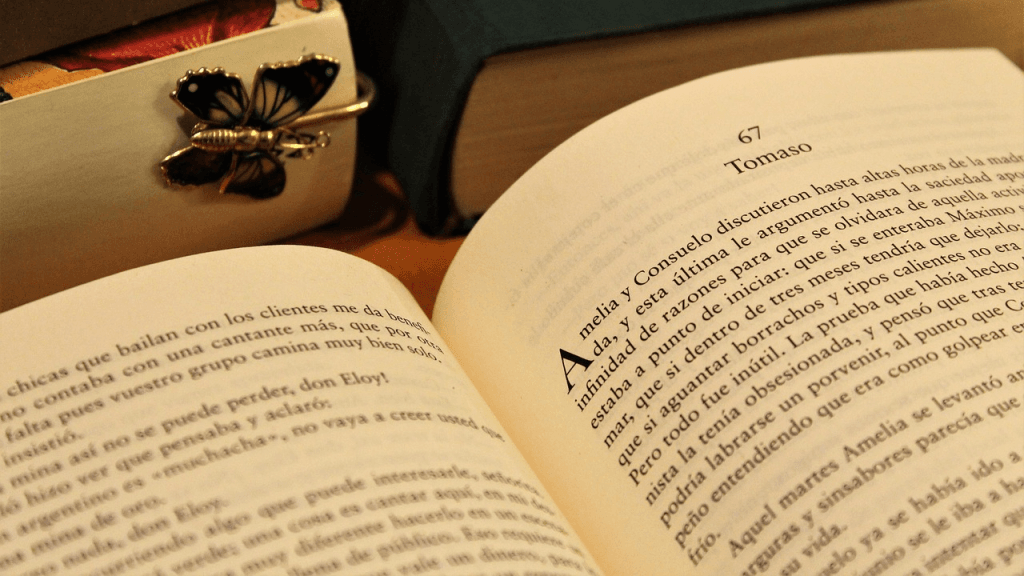
While the grammatical foundations look similar, the details paint a different picture.
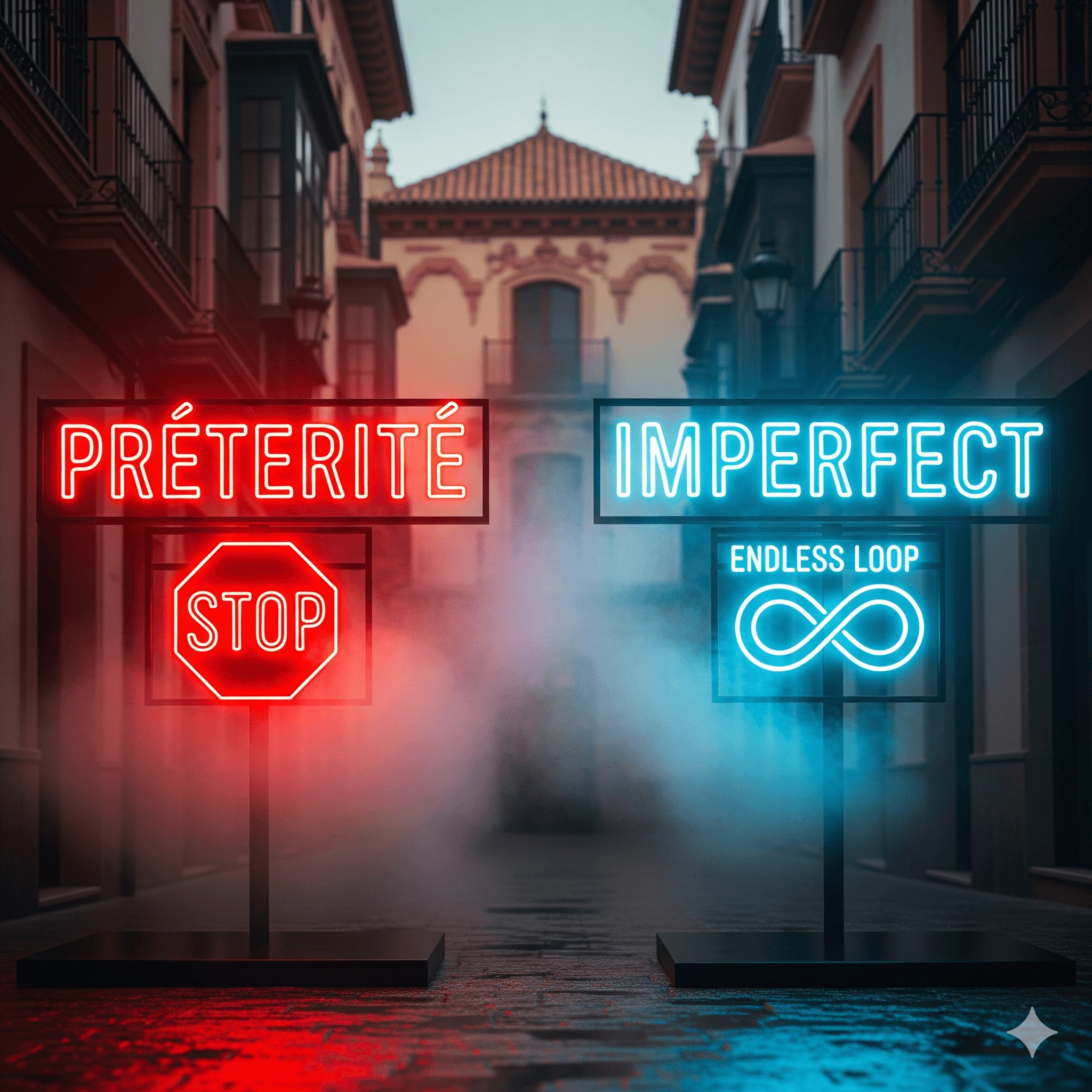
Verb tenses: Italian loves its verb tenses. The “passato remoto” (remote past) is still actively used in Italian, especially in formal writing. Spanish, on the other hand, has simplified past tense usage in everyday conversation.
If you say “I ate dinner last night” in Italian, you might use either “ho mangiato” (present perfect) or “mangiai” (remote past), depending on context and region.
Articles and possessives: Italian often uses articles with possessives. You’ll see “il mio libro = my book,” while Spanish usually doesn’t.
| Grammar Feature | Italian | Spanish |
| Articles | 7 forms (il, lo, la, i, gli, le, l’) | 4 forms (el, la, los, las) |
| Verb Tenses | More extensive | Simpler past tense system |
| Pronoun placement | More flexible positioning | Stricter rules |
Pro tip: Italian’s pronoun system is more forgiving. This flexibility makes Italian feel more intuitive for some learners.
Italian vs Spanish: Pronunciation
Yes, Spanish is not a hard language. But how does it differ from Italian when it comes to pronunciation?
Here’s where these languages really diverge. Even if you see the same word written down, it’ll sound different.
Italian pronunciation is musical and rhythmic. Every vowel is pure, and double consonants actually matter. For instance, the word “caro” (dear) sounds completely different from “carro” (cart) because of that double ‘r’.
Think of classic Italian words like cappuccino. That emphasized double ‘p’ is distinctly Italian.
Spanish pronunciation varies wildly by region. The ‘j’ and ‘g’ create sounds that don’t exist in Italian, such as “jefe” and “gente.”
Spanish distinguishes between single and double ‘r’ sounds too, but the overall rhythm feels different. Latin American Spanish tends to be softer, while Castilian Spanish from Spain adds the famous theta sound (the ‘th’ in gracias pronounced like “grathias”).
Italian vs Spanish: Vocabulary
Watch out for false friends.
This is where the lexical similarity becomes a trap for new learners. Yes, the words look similar, but they mean completely different things.
Some examples:
| Word | Italian | Spanish |
| Burro | Butter | Donkey |
| Vaso | Vase | Glass |
| Oficina | Garage | Office |
| Pronto | Ready | Soon |
| Largo | Wide | Long |
Definitely a clear reminder that these languages aren’t interchangeable.
And it doesn’t stop there. The two languages have what we call cognates. These are words that look and mean the same in both languages.
A good example:
- University: università (Italian) / universidad (Spanish)
These make learning easier.
Italian vs Spanish: Which Should You Learn?
Here’s the practical question. If you learn one, will it help with the other?
Absolutely yes. That shared vocabulary and grammatical foundation give you a massive head start.
You’ll recognize thousands of words immediately and understand grammatical concepts you’ve already internalized.
But the most important part. Don’t assume they’re interchangeable. Speaking Italian won’t magically make you fluent in Spanish.
You still need to study properly, learn the distinct pronunciation, memorize those false friends, and practice the specific grammatical quirks.
And good thing, there are different AI language apps to help you learn both Italian and Spanish fundamentals much faster.
Final Takeaway
So, is Italian like Spanish?
The short answer: yes, and also no.
Both languages share the Latin DNA but have some distinct pronunciation patterns and grammatical nuances. The good news? Knowing one definitely helps you learn the other. Whether you choose Italian’s musical flow or Spanish’s global reach, you’re opening doors to rich cultures and literature, and millions of new conversations.
Ready to start your language journey in 2026? Download Jolii.ai and begin learning Italian or Spanish with personalized lessons that adapt to your pace.
FAQs
Is Italian or Spanish easier to learn for English speakers?
Yes. Both are Category I languages. They are close to English. Italian might take you 24 weeks, while Spanish takes an average of 30 weeks with consistent practice.
Can Italian speakers understand Spanish speakers?
Partially. Italian speakers often grasp written Spanish more quickly than spoken Spanish. This is because of pronunciation and regional variation.
Which should I learn first, Italian or Spanish?
It depends on your goals. Spanish has broader global use, while Italian’s phonetic clarity can make it easier to get started. Either choice gives you a big head start on the other.