English prepositions show relationships of time, place, movement, and meaning. The most common patterns are in (long periods or enclosed spaces), on (days and surfaces), and at (specific times and points). Because prepositions often follow usage rather than logic, the best way to learn them is through exposure, memorizing common combinations, and noticing how native speakers use them in real context.
Prepositions are some of the shortest words in English, but that doesn’t mean using them correctly can be taken for granted for learners.
Words like in, on, at, to, for, with, and by often cause problems for English learners because:
- They don’t follow clear logic
- They change meaning depending on context
- A small mistake can make a sentence sound unnatural
In this guide, you’ll learn how English prepositions really work, with clear examples and tips to help you use them more confidently.
What Are Prepositions in English?
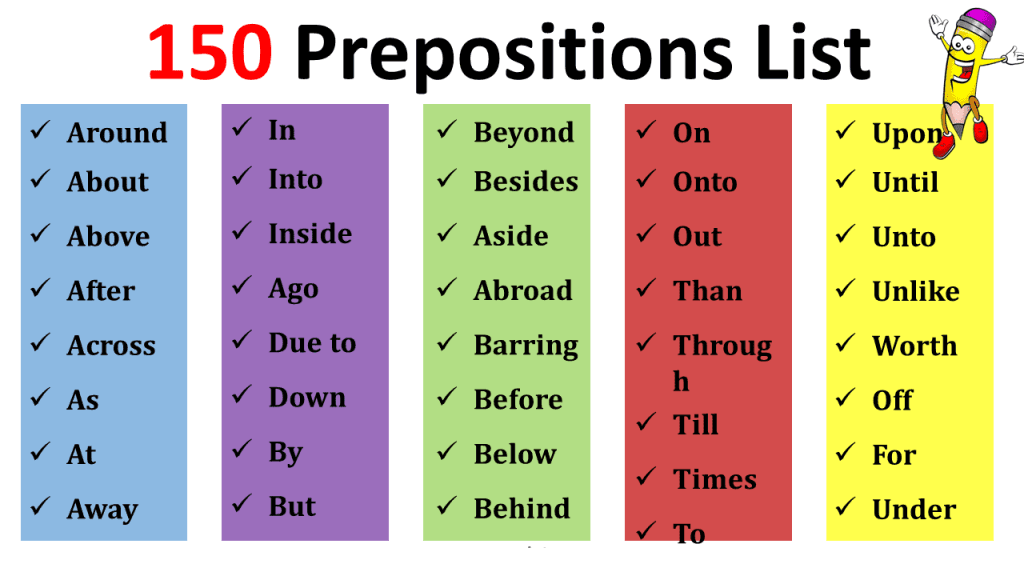
A preposition shows the relationship between:
- time
- place
- movement
- ideas
They usually come before a noun or pronoun.
Examples:
This song helped my 3rd-grade class learn about prepositions. While it’s aimed at a younger audience, you won’t help but bop along to it. It’s an earworm.
Why Do Some People Find English Prepositions Difficult to Learn?
Prepositions are hard because:
- One preposition can have many meanings
- Different languages use different prepositions for the same idea
- There are few reliable rules
- Prepositions are often fixed in expressions
This is why learners often say:
“I know the grammar… but I’m never sure which preposition to use.”
My students normally find English grammar lessons boring. So, I need to be creative with how we learn. When we started playing games to remember prepositions, such as placing an object somewhere in the room and having students ask their peers to identify the correct preposition to describe the object’s placement, they began to have fun. For example, they would place the water bottle under the chair. I’m not suggesting you do this exactly; chances are, you’re not in 3rd grade. However, word association techniques are a really great learning tool.
The Most Common English Prepositions (and How to Use Them)
1. In / On / At (Time)
The following prepositions are commonly used in conjunction with nouns describing time.
IN
- Months, years, long periods
- in July
- in 2025
- in the morning
ON
- Days and dates
- on Monday
- on my birthday
AT
- Specific times
- at 7pm
- at night
2. In / On / At (Place)
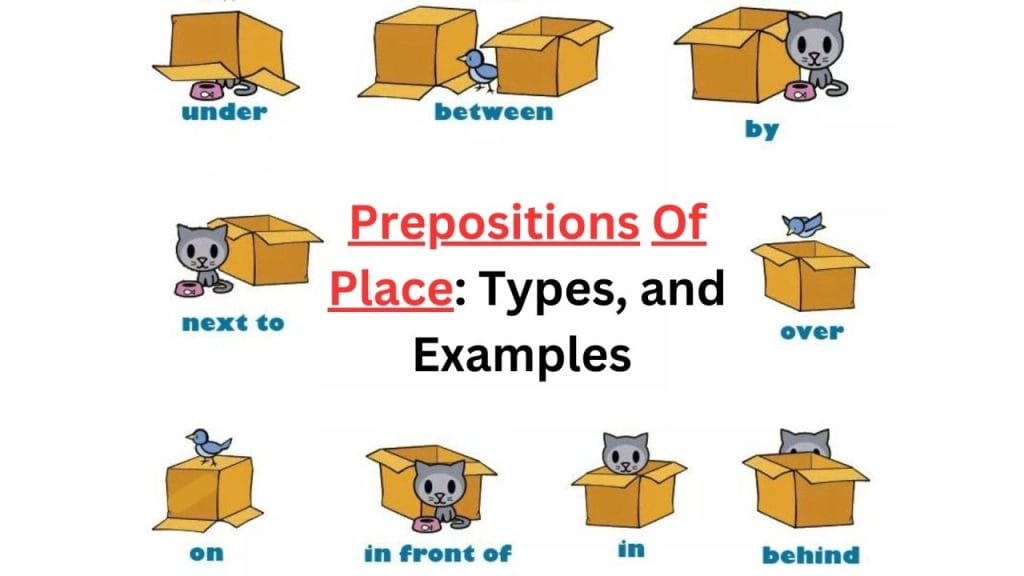
The following prepositions are commonly used in conjunction with nouns describing place.
IN: Used to describe when you are in enclosed or large areas:
- in a room
- in a city
- in the country
ON
- Surfaces
- on the table
- on the wall
AT: Specific points or locations
- at the bus stop
- at home
- at work
3. To / Into / Onto (of Movement)
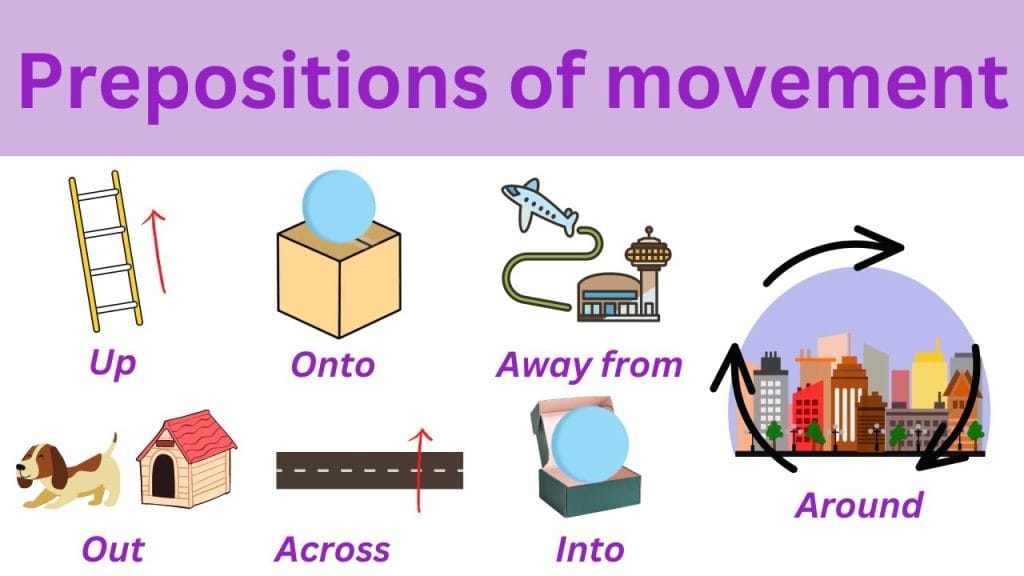
The following prepositions are commonly used in conjunction with nouns describing movement.
- to → direction
go to school - into → movement inside
walk into the room - onto → movement onto a surface
jump onto the bed
Common Verb + Preposition Combinations
Many English verbs require a specific preposition.
Examples:
- depend on
- listen to
- wait for
- agree with
- apply for
Incorrect: listen music
Correct: listen to music
These combinations must be memorised, not guessed.
Adjective + Preposition Patterns
Adjectives also often need fixed prepositions.
Examples:
Incorrect: interested on English
Correct: interested in English
Prepositions That Change Meaning
Sometimes, changing the preposition changes the meaning.
Compare:
- angry with someone (person)
- angry about something (reason)
- good at maths (skill)
- good for you (benefit)
Ending Sentences with Prepositions
You may have heard that English sentences cannot end with a preposition.
That rule is outdated. Native speakers frequently end sentences with prepositions. For example:
Forcing the preposition earlier often sounds unnatural.
For example: To whom are you talking? This would have been the correct version in the past, and you can still use it today, but it sounds informal and not very conversational.
How to Learn English Prepositions More Effectively
1. Learn Prepositions in Chunks
Don’t learn depend. Learn depend on.
2. Notice Patterns in Real English
Podcasts, TV shows, and articles show how prepositions are actually used.
If you want structured exposure instead of random videos, platforms like Jolii.ai make this much easier. You can watch real videos with interactive subtitles, save preposition phrases in context (like depend on or interested in), and then practice using them in short speaking exercises — all based on what you just watched. This helps turn passive noticing into active usage.
3. Don’t Translate Directly
The correct English preposition often doesn’t match your first language.
4. Accept That Some Are Illogical
Prepositions follow usage, not logic.
Conclusion: Accuracy Comes with Exposure
Prepositions improve through:
- repeated exposure
- noticing corrections
- learning common patterns
Even advanced speakers make mistakes — what matters is clear communication.
If you’d like to practice prepositions in real context, Jolii.ai lets you learn from real videos, save phrases in context, and practice speaking English based on what you actually watch — helping you move from guessing to confident usage.