Japanese is a Category IV language, means that it is one of the hardest languages for English speakers. The writing system alone scares off full-grown adults.
Yet somehow, in 2026, more people are learning Japanese than ever.
Why? Because AI apps now prioritize spaced repetition, guided listening, and incremental output over time-heavy study models.
This breakdown covers tested, current good apps for learning Japanese, who they’re actually for, and where each one quietly fails.
Why Use Apps to Learn Japanese in 2026?
Private tutors still work. But the price and time commitment make them unsustainable for many. AI apps now deliver:
- AI-powered speech feedback for pronunciation.
- Adaptive spaced repetition that actually adjusts, not pretends.
- Micro-immersion loops that fit into commute time.
Retention is driven by spaced recall and listening repetition rather than isolated memorization. That’s why apps now outperform most casual classroom tracks for beginners.
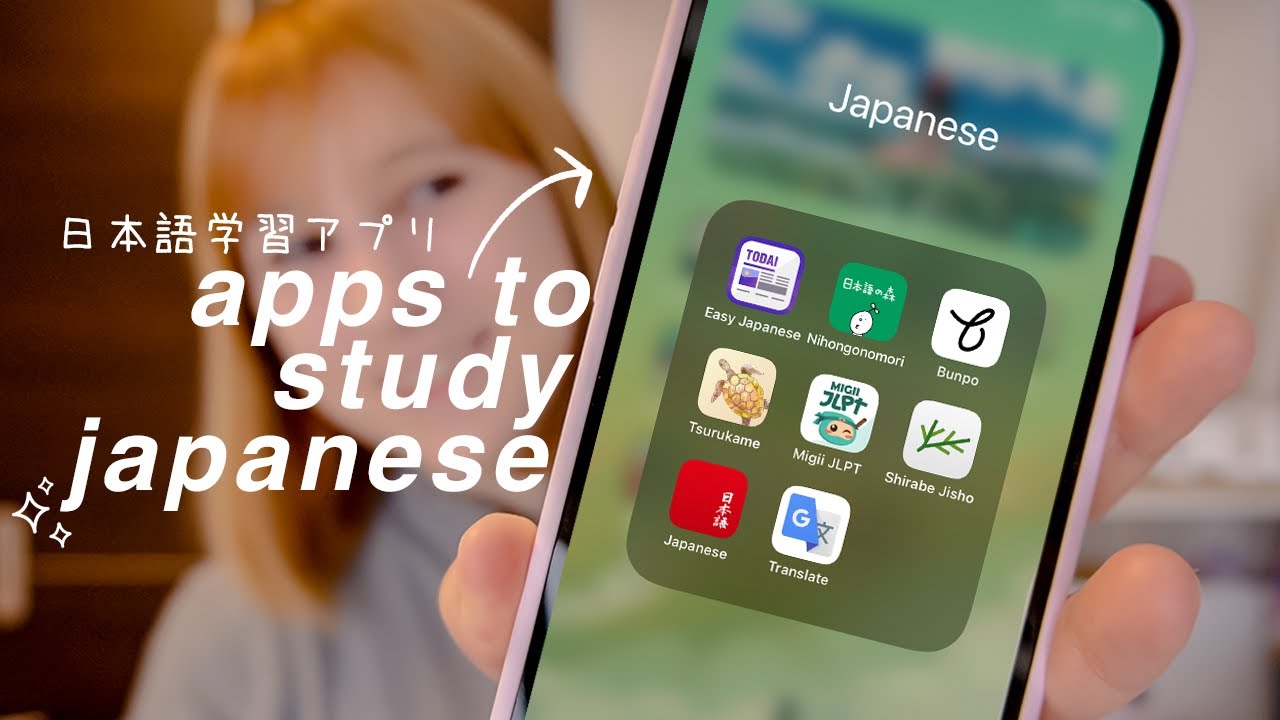
Best Apps for Learning Japanese in 2026
Japanese AI learning apps in 2026 are more advanced and personalized.
You will find specialized tools to suit every learner’s needs, from absolute beginners to those mastering advanced characters.
1. Jolli – Best for Beginners
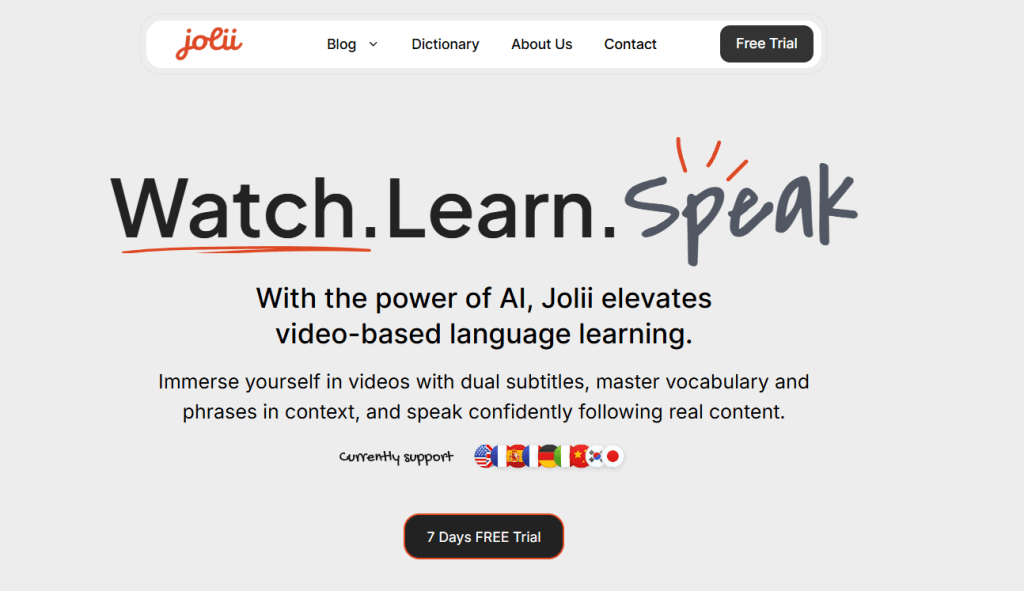
Best for: Absolute beginners tackling Hiragana and Katakana
Jolli strips away intimidation. It treats early Japanese like a game, not a civil service exam.
You hear and repeat words. You don’t drown in grammar tables on day one. This is how people actually stick.
- Pros: Gamified lessons, daily habit loops, free tier, natural-input AI dialogues
- Cons: Light on formal grammar
2. LingoDeer – Best for Structured Learning

Best for: Learners who want instruction, not vibes
If your brain needs structure to function, this is your anchor app. LingoDeer lays out grammar, vocabulary, and sentence patterns in a consumable manner.
Lessons don’t force you to guess. You get clear drills on particles, verb forms, and syntax that most gamified tools skip or bury.
- Pros: Clean grammar sequencing, Asian-language-first design
- Cons: Limited live conversation
3. BunPro – Best for Grammar Junkies
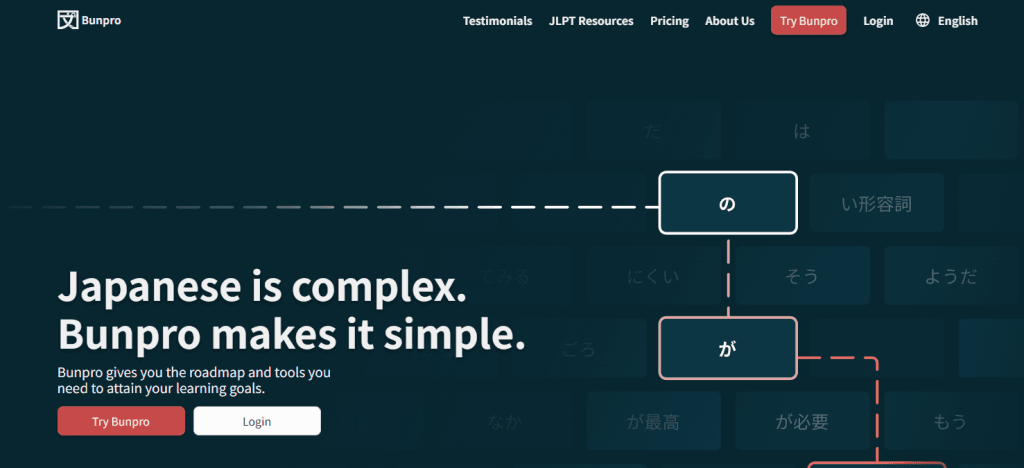
Best for: JLPT N4–N1 prep
BunPro doesn’t teach. It enforces. You either remember the rule or you don’t.
This makes it ideal for intermediate learners who already understand how Japanese works and now just need it drilled into muscle memory.
- Pros: JLPT-aligned SRS grammar drills
- Cons: Useless without a base
4. Anki – Best for Vocabulary Mastery
Best for: Self-directed learners building a massive vocabulary
Anki is not friendly. It is effective. This is the tool behind most serious kanji progress you see online.
Ugly interface? Yes. But with Nuclear results.
- Pros: Total customization, unmatched long-term retention
- Cons: Steep setup, zero hand-holding
5. Pimsleur – Best for Speaking & Listening

Best for: Travelers and auditory learners
Pimsleur is built around audio, not screens. Each lesson trains you to hear Japanese clearly, respond out loud, and recall phrases under light pressure.
You repeat words and sentences at timed intervals, which strengthens pronunciation and listening faster than passive study.
- Pros: Audio immersion, native pacing
- Cons: Expensive, no writing
6. WaniKani – Best for Kanji Learning
Best for: Reading-focused learners
WaniKani is a kanji factory. You learn meanings and readings together, which speeds up reading comprehension.
Progress is linear and enforced, so skipping reviews quickly backfires. This makes it effective but demanding
- Pros: Mnemonics-based kanji system, fast recognition gains
- Cons: Kanji tunnel vision
How to Choose the Right Japanese Learning App for You
Define the constraint first:
- Speaking-focused? Audio-first tools.
- Reading-focused? Kanji + vocab.
- Test-focused? JLPT-aligned grammar drills.
Second constraint:
- Beginner or intermediate.
- Visual vs audio preference.
- Time per day.
Then stack two to three apps. Anything less caps your progress. Anything more fragments it.
Pro-Insight: What’s Actually New in 2026?
Most advice about learning Japanese hasn’t changed in years.
Study more. Be patient. Don’t quit. None of that explains why progress looks different in 2026.
What’s new is how people learn day to day.
- AI speech engines now detect pitch accent errors, not just vowel accuracy.
- Short-form immersion via algorithm-fed micro-dialogues now beats long passive study blocks.
- 65–70% of learners now prefer app-based learning over classrooms
- Japan EdTech market: ~$18B in 2025, growing near 20% CAGR
- Apps now push small, repeatable actions that add up instead of overwhelming beginners.
FAQs
Q. What is the best free app for learning Japanese?
Jolli and Anki dominate the free tier for beginners and vocab growth.
Q. Can you become fluent in Japanese using apps?
Functional fluency, yes. Native-level nuance, no.
Apps handle input and recall. Output still needs pressure.
Q. How long does it take to learn Japanese with apps?
- A2 basics: ~1–2 years at 2–5 hours/week.
- B1 independence: ~3–5 years with consistency.
Q. Can apps alone teach you Japanese?
Apps can build strong foundations and functional ability through structured input and recall. Advanced speaking still needs real interaction.
Q. Is Japanese harder than other popular languages?
For English speakers, yes. Writing systems and pronunciation increase the learning curve.
Q. Do you need to learn kanji from day one?
No. Early focus on sounds and basic structure improves retention before heavy kanji study.
Final Thoughts:
People don’t fail at Japanese because it’s impossible. They fail because they keep switching tools instead of building pressure inside one system.
There is no singular “best” app. There is only the best stack for your tolerance level.
If you’re starting from zero, build the base with Jolli, lock structure with LingoDeer, and enforce recall with Anki or WaniKani.