Multilinguals tend to be high performers, excelling at problem-solving with sharper instincts.
Learning a language can be an easy thing but acquiring a language to native level is truly a hard nut to crack. Being multilingual is rewarding, but the road is not straight.
Are you doubting your learning potential and feeling already overwhelmed by your struggles to learn Spanish?
Relax!
We are here to guide you in learning Spanish with the Vivir Mi Vida song by Marc Anthony.
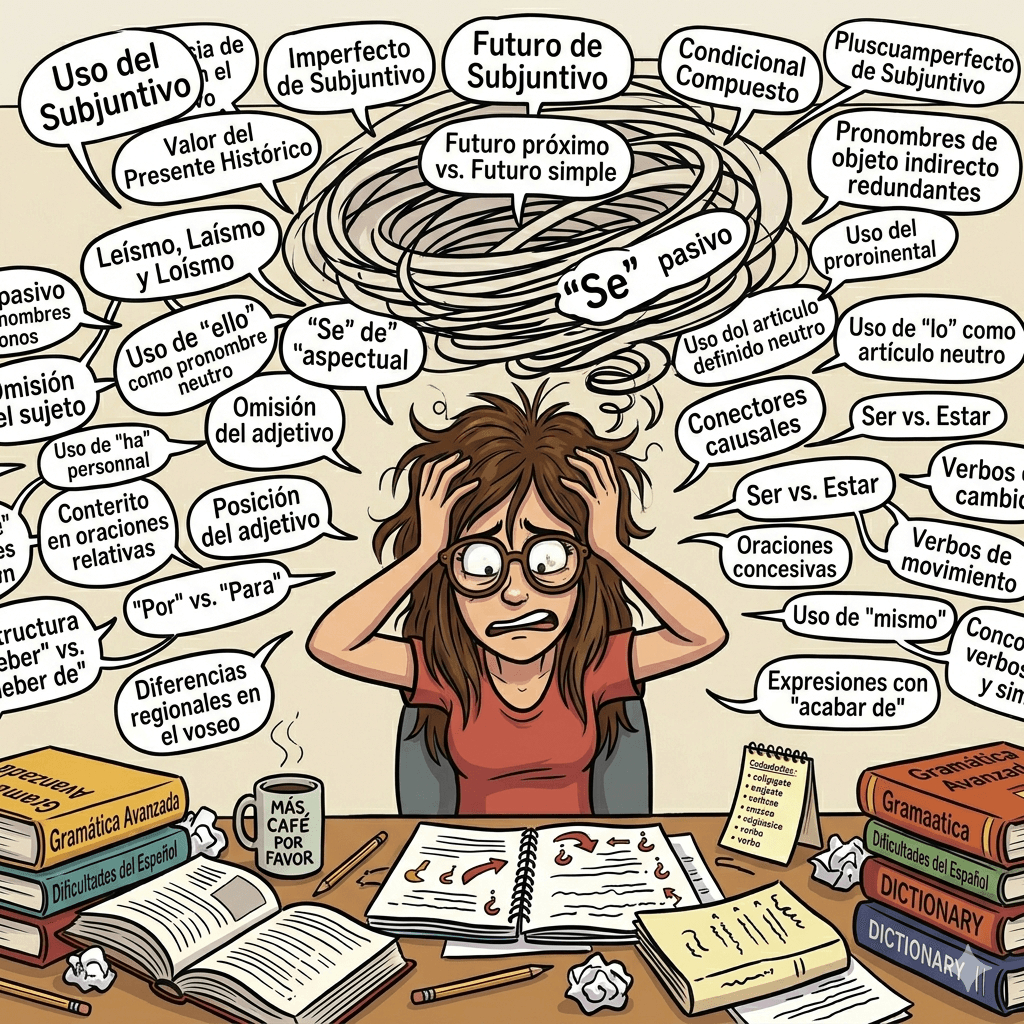
Many aspiring Spanish learners have that mid-way crisis that hits hard when they can’t retrieve what they’ve learned so far.
One of the main reasons is that the Spanish language has a rich history and comes in various forms. Spanish is spoken in many countries, from Spain to Latin America, and each region has its own pronunciation, accent, and even vocabulary. Navigating these differences can feel tricky at first— not to mention the complexities of Spanish grammar, it is not all roses.
However, the key is avoiding the monotonous path of learning Spanish through free, repetitive online resources. Instead, you will dance to each new learning using a unique learning app like Jolii to improve and adapt your accent like a native speaker.
Ready to salsa your way to Spanish fluency? Let’s break it down.
Why Learn Spanish with Vivir Mi Vida?
If you’re learning Spanish and want a fun, engaging way to practice, music is a great tool. One song that’s perfect for beginners learning Spanish is “Vivir Mi Vida” by Marc Anthony. With its catchy rhythm and positive message, this song is more than just entertainment – it’s an opportunity to practice essential Spanish structures and vocabulary.
Let’s dive into the song’s lyrics and explore how it can help you improve your Spanish! ¡Vamos!
Learn Spanish with music: Benefits of Music for Language Learning
Learning a language through music is not only fun, but it’s also an effective way to absorb new words and grammar structures naturally. Music exposes you to pronunciation, rhythm, and cultural nuances, all while helping you memorize phrases and vocabulary more easily.
The power of repetition in “Vivir Mi Vida” for beginners
Vivir Mi Vida is a great choice for Spanish learners because its repetitive lyrics make it easier to understand, while the energy of the song inspires positivity and keeps you engaged.
When you learn through songs, your brain absorbs the rhythm of the language, making it easier to recall vocabulary and sentence structures later. Ready to break down the lyrics of Vivir Mi Vida?
Lyrics Analysis of “Vivir Mi Vida”
Have you listened to “Vivir Mi Vida” by Marc Anthony? Whether it’s your first time or you’ve heard it before, take a moment to play it a couple of times before reading on. Even if you don’t understand the lyrics, you’ll feel the vibrant energy and rhythm that inspire joy and make you want to dance.
That’s exactly the essence of the song—an anthem celebrating the joy of life. As you listen, try to pick up on the vocabulary and see if you can already grasp the main message of the song before diving into the details.
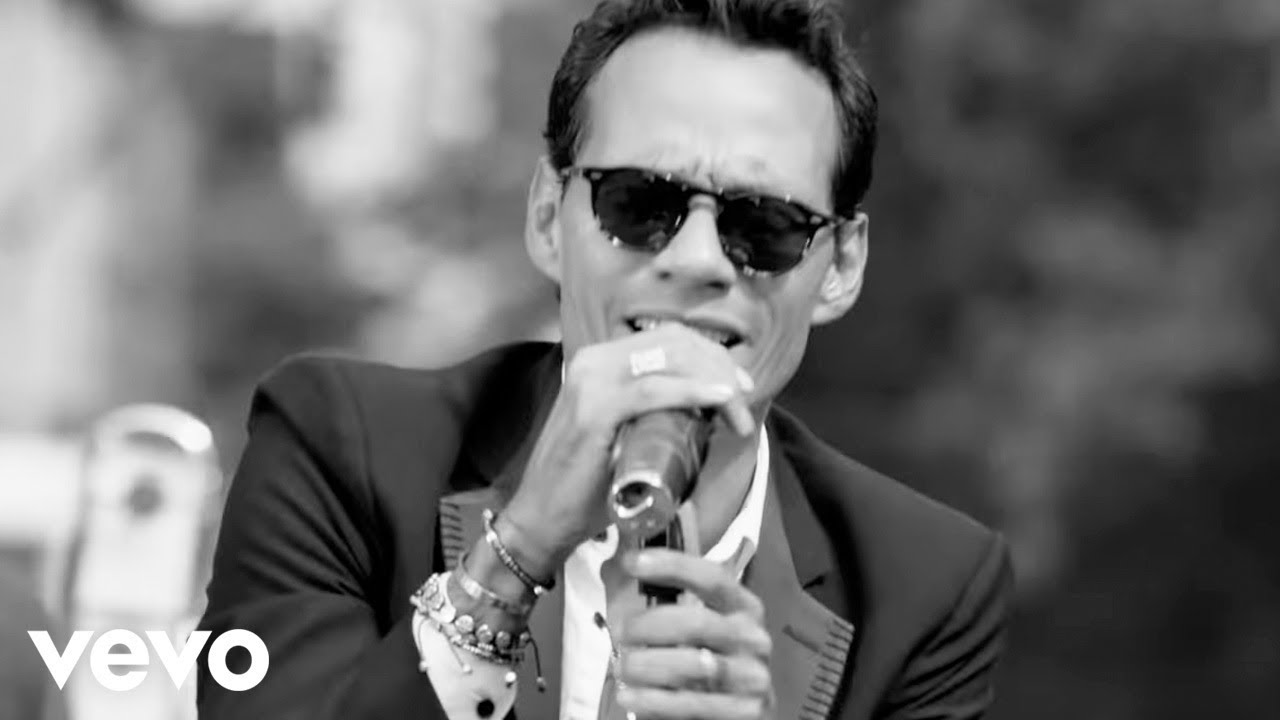
Title Breakdown – Understanding “Vivir Mi Vida”
The title “Vivir Mi Vida” translates to “Live My Life.” This phrase encapsulates the essence of the song, which is about embracing life and making the most of every moment. The use of the first-person perspective in “mi” (my) personalizes the message, inviting listeners to reflect on their own lives and choices.
3 Key Grammar Lessons in “Vivir Mi Vida” to Learn Spanish
1. Voy a + Infinitive: Future Tense Structure
The intro already sets a vibrant and joyful tone with the lines:
| Spanish Lyrics | English Translation |
| Voy a reír, voy a bailar Vivir mi vida, la-la-la-la Voy a reír, voy a gozar Vivir mi vida, la-la-la-la | I’m gonna laugh, I’m gonna danceLive my life, la-la-la-laI’m gonna laugh, I’m gonna enjoyLive my life, la-la-la-la |
The phrase “Voy a” translates to “I am going to” in English and is used to indicate future plans or intentions. This structure involves conjugating ir (to go) in the present tense, followed by a and the infinitive verb. In “Vivir Mi Vida”, the repeated use of “Voy a” with verbs like reír (to laugh), bailar (to dance), and gozar (to enjoy) emphasizes the speaker’s commitment to living life joyfully and fully. This repetition reinforces the structure, making it easier for learners to grasp and apply it in their own conversations.
Additional Examples:
● Voy a comer (I am going to eat)
● Vamos a viajar (We are going to travel)
● Ella va a estudiar (She is going to study)
Note: In Spanish, the personal pronoun (yo, tú, él, etc.) is often omitted when the conjugation of the verb is clear from the context. For example, instead of saying “Yo voy a estudiar,” one can simply say “Voy a estudiar,” as the subject is understood through the verb conjugation.
2. Para Qué: Expressing Purpose or Reason
The song also uses the phrase para qué to express purpose or reason.
| Spanish Lyrics | English Translation |
| ¿Y para qué llorar? ¿Pa’ qué? Si duele una pena, se olvida ¿Y para qué sufrir? ¿Pa’ qué? Si así es la vida, hay que vivirla, la la le | And why cry, for what?If the pain hurts, forget itAnd why suffer, for what?If such is life, we have to live it, la-la-le |
The phrase para qué (or shortened pa’ qué) translates to “for what purpose” or “why” in English and is used to question the relevance or necessity of something. In “Vivir Mi Vida”, it questions the need to cry (llorar) and to suffer (sufrir), suggesting that these actions are unnecessary when life should be enjoyed.
Additional examples:
● ¿Para qué estudiar tanto? (Why study so much?)
● ¿Para qué guardar el secreto? (Why keep the secret?)
● ¿Para qué preocuparse? (Why worry?)
3. Hay Que: Expressing Necessity
Another important phrase used in the song is hay que , which translates to “one must” or “it’s necessary to” in English.
| Spanish Lyrics | English Translation |
| Si así es la vida, hay que vivirla, la la le | If such is life, we have to live it, la-la-le |
The phrase hay que is used to make general statements about necessity or obligation. In Vivir Mi Vida, “hay que vivir” (You have to live) emphasizes the necessity of living life to the fullest, encouraging listeners to embrace life’s opportunities.
Additional examples:
● Hay que estudiar para aprender – (One must study to learn)
● Hay que respetar las reglas – (It’s necessary to respect the rules)
● Hay que comer bien para estar sano – (You have to eat well to stay healthy)
Understanding and using these phrases will enhance your ability to express reasons, purposes, and necessities in Spanish.
What “Vivir Mi Vida” Teaches You About Spanish Culture and Language
Born in New York City to Puerto Rican parents, Marc Anthony introduces essential Spanish vocabulary and represents his origins through his music. A prime example is the verb gozar, which means “to enjoy” or “to have a great time.” This term captures the vibrant spirit of Latin culture by celebrating joy, resilience, and living in the moment.
Vivir Mi Vida is therefore more than just a catchy tune; it encourages listeners to embrace life’s pleasures and reflects the song’s celebration of living fully and dancing with joy. Through its relatable lyrics, learners gain valuable insights into everyday expressions and cultural nuances, enriching their understanding of both Latin culture and the Spanish language.
More Songs To Learn Spanish
If you enjoyed Vivir Mi Vida, you might also like songs with similar themes and structures. For instance, “Bailando” by Enrique Iglesias and “Si Antes Te Hubiera Conocido” by Karol G are a great way to learn Spanish as they offer lively rhythms and repetitive lyrics that are great for practicing. Additionally, exploring songs by artists like Shakira and Carlos Vives can provide a variety of musical styles and language practice opportunities.
Conclusion: Mi Gente La Vida es Una!
How to integrate “Vivir Mi Vida” into your study routine
Marc Anthony’s powerful line, “Mi gente, la vida es una,” serves as a reminder to live fully, as life is a one-time experience. Just like the joy found in “Vivir Mi Vida,” learning a language should be an enjoyable journey. Through music, you’re not just memorizing grammar; you’re connecting with the culture and emotions behind the language.
Bonus Spanish learning Tool
To enhance your learning experience, consider using the Jolii app. This innovative tool allows you to analyze song lyrics, practice pronunciation, and immerse yourself in Spanish through music. Embrace the joy of learning and remember: mi gente, la vida es una—let’s live it fully!
FAQs
Q: Can you learn Spanish by listening to songs?
A: Yes! Listening to songs in Spanish helps you improve pronunciation, vocabulary, and sentence structure in a fun way. You can also use apps like Jolii to analyze lyrics, practice pronunciation, and understand grammar in context.
Q: What is an infinitive in Spanish?
A: An infinitive is the base form of a verb, such as vivir (to live), gozar (to enjoy), or bailar (to dance). In Spanish, infinitives end in -ar, -er, or -ir. They are the form of the verb before it is conjugated to match the subject and tense.
Q: Can I find an app to help me learn Spanish?
A: You can find numerous apps to learn Spanish easily. The one that we have an eye on is the Jolii app for learning Spanish fast with music. You can import your favorite songs, like Vivir Mi Vida, and use the app to break down the lyrics, practice vocabulary, and even receive feedback on your pronunciation. It makes learning through music interactive and engaging.