Quick Answer (TL;DR)
You don’t become fluent by memorizing words—you become fluent when your brain learns patterns in real situations. Netflix-style learning works because it provides context, repetition, and emotional signals that make language easier to recall.
Context is what turns language into something your brain can actually use.
When words appear inside real situations—like conversations in a Netflix scene—they stop being isolated information and start forming patterns.
Over time, those patterns become easier to recognize, predict, and use naturally.
Why Learning Without Context Feels Ineffective
Many learners spend months studying vocabulary and grammar.
They usually follow a familiar pattern:
- Memorize word lists
- Review grammar rules
- Complete structured exercises
On paper, everything looks organized.
But when real conversations happen, something feels off.
A few patterns start to appear:
- You hesitate more often, even with simple ideas
- Familiar words don’t come out when you need them
- Responses don’t flow as naturally as you expected
The issue is not effort.
It is how the brain stores language.
Without context, words remain abstract.
Meaning feels unstable.
And recall becomes unreliable.
Language is not meant to be stored as isolated pieces.
It is meant to be experienced.
The Cognitive Insight: Why Context Changes Everything
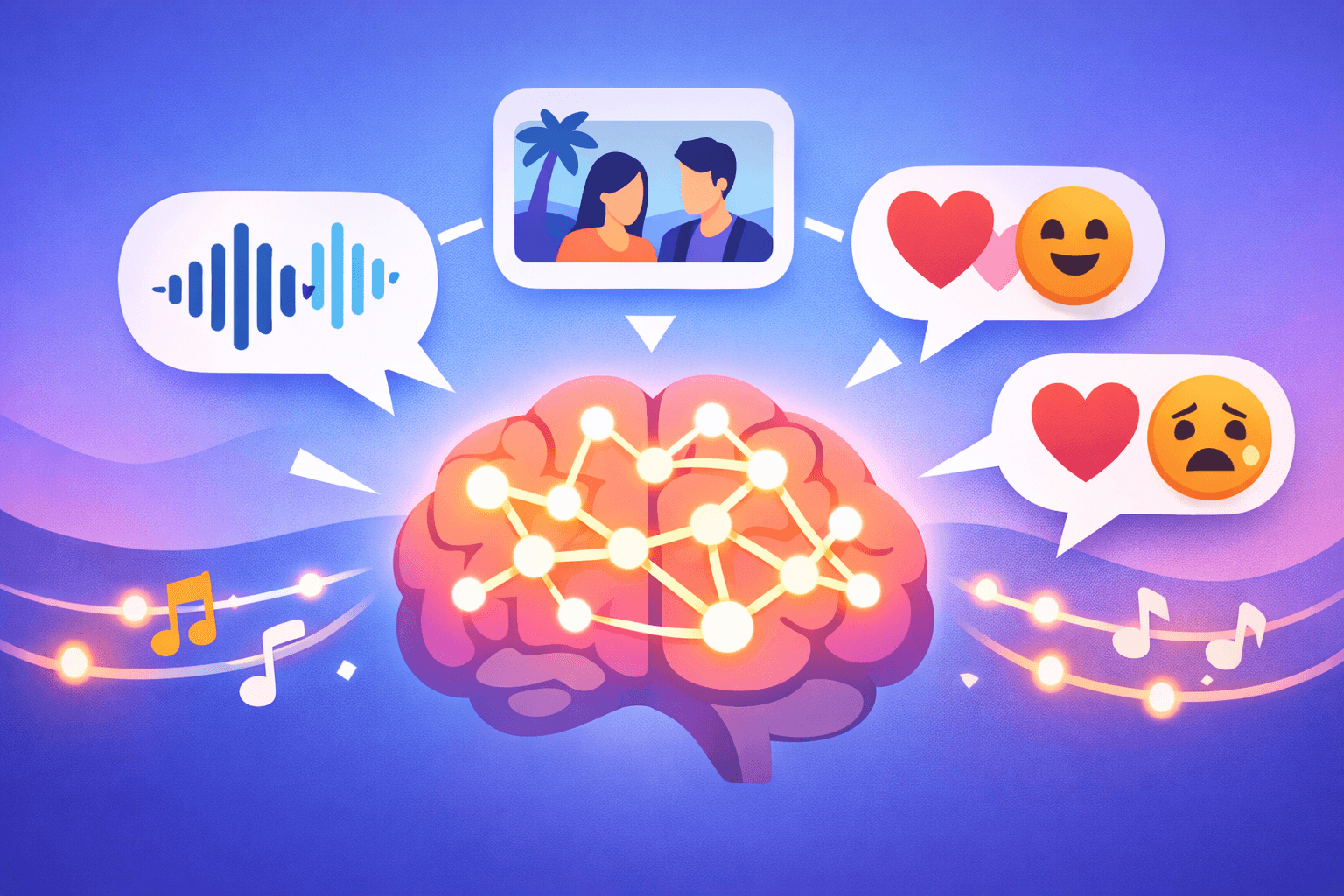
The difference comes down to how the brain processes information.
There is a gap between learning something and being able to use it.
When learning is isolated, the brain stores fragments.
You may recognize them later, but retrieving them takes effort.
When learning happens in context, multiple signals activate at once.
Sound, emotion, and situation begin to connect.
This is what strengthens memory.
It also explains why watching a scene feels different from reading a sentence.
You are not just seeing language.
You are experiencing it.
Another important detail is how patterns form over time.
When the brain encounters language in context repeatedly, it starts to predict what comes next.
This prediction process is what makes comprehension feel faster and more automatic.
Without context, there is nothing to predict.
Each sentence feels new.
And the brain has to process everything from scratch.
With context, patterns begin to stabilize.
And once that happens, language stops feeling random.
This is not just a feeling.
It reflects how learning actually works.
Research on multimodal learning shows that when language is experienced through multiple channels—such as sound, visuals, and context—learners develop stronger comprehension and communication ability compared to isolated input.
At the same time, studies on interactive learning environments suggest that engaging with language in meaningful situations improves both retention and motivation, making it easier to reuse what has been learned.
In simple terms, the brain does not just store words.
It stores experiences.
A Moment I Noticed This Myself
I remember a moment that really changed how I see Japanese.
When I was studying in Japan, I worked part-time at a convenience store.
At that time, I often used the phrase 「いいです」 (it’s okay / that’s fine).
To me, it simply meant “okay” or “yes, that works.”
One day, while checking out a customer, I asked if he wanted a plastic bag.
He replied: 「いいです」 (it’s okay / that’s fine).
So I assumed he agreed.
I took a bag and started packing his items.
But his reaction was unexpectedly irritated.
He said something like:
“Didn’t I say it’s fine already?”
I froze for a moment.
I didn’t understand what went wrong.
Later, I realized something important.
In that situation, 「いいです」 (it’s okay / that’s fine) did not mean agreement.
It meant:
“no, I don’t need it”
or
“that’s enough, no need.”
Same words.
Completely different meaning.
Depending on context.
That moment stayed with me.
Because it showed me something clearly.
Language is not just about words.
It’s about situations.
Without context, even the simplest phrase can become confusing.
And that’s when I truly understood why context matters so much.
Context vs Isolated Learning
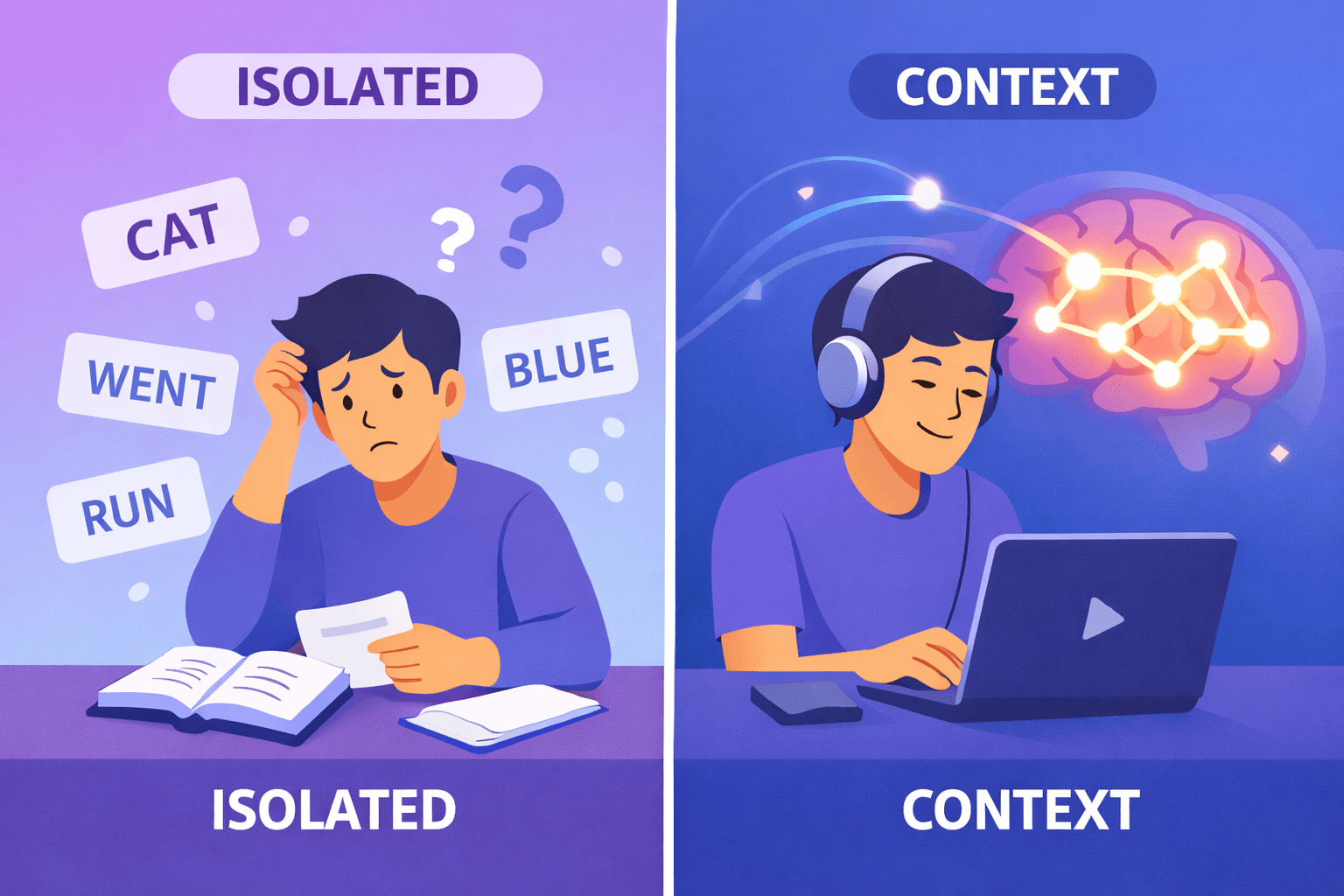
| Learning Type | What It Feels Like | What the Brain Builds |
| Vocabulary Lists | “I know this word” | Weak, isolated memory |
| Grammar Study | “I understand the rule” | Abstract knowledge |
| Netflix Context | “I get what they mean” | Connected patterns |
| Context + Repetition | “I can use this naturally” | Strong retrieval pathways |
How to Use Context Effectively
Context only works when you engage with it.
Watching alone is not enough.
You need to slow down and notice what is happening.
1. Focus on Short Scenes
Instead of full episodes, work with short moments. This reduces overload and helps you stay focused on how language is actually used.
2. Notice Patterns, Not Words
It is tempting to translate everything.
But that often slows you down.
A better approach is to notice patterns—phrases that repeat and structures that appear across situations.
That is what builds fluency over time.
3. Replay What Feels Meaningful
Some moments stand out more than others.
They might feel funny, tense, or surprising.
Going back to those moments helps anchor the language in memory.
Emotion makes the pattern easier to recall later.
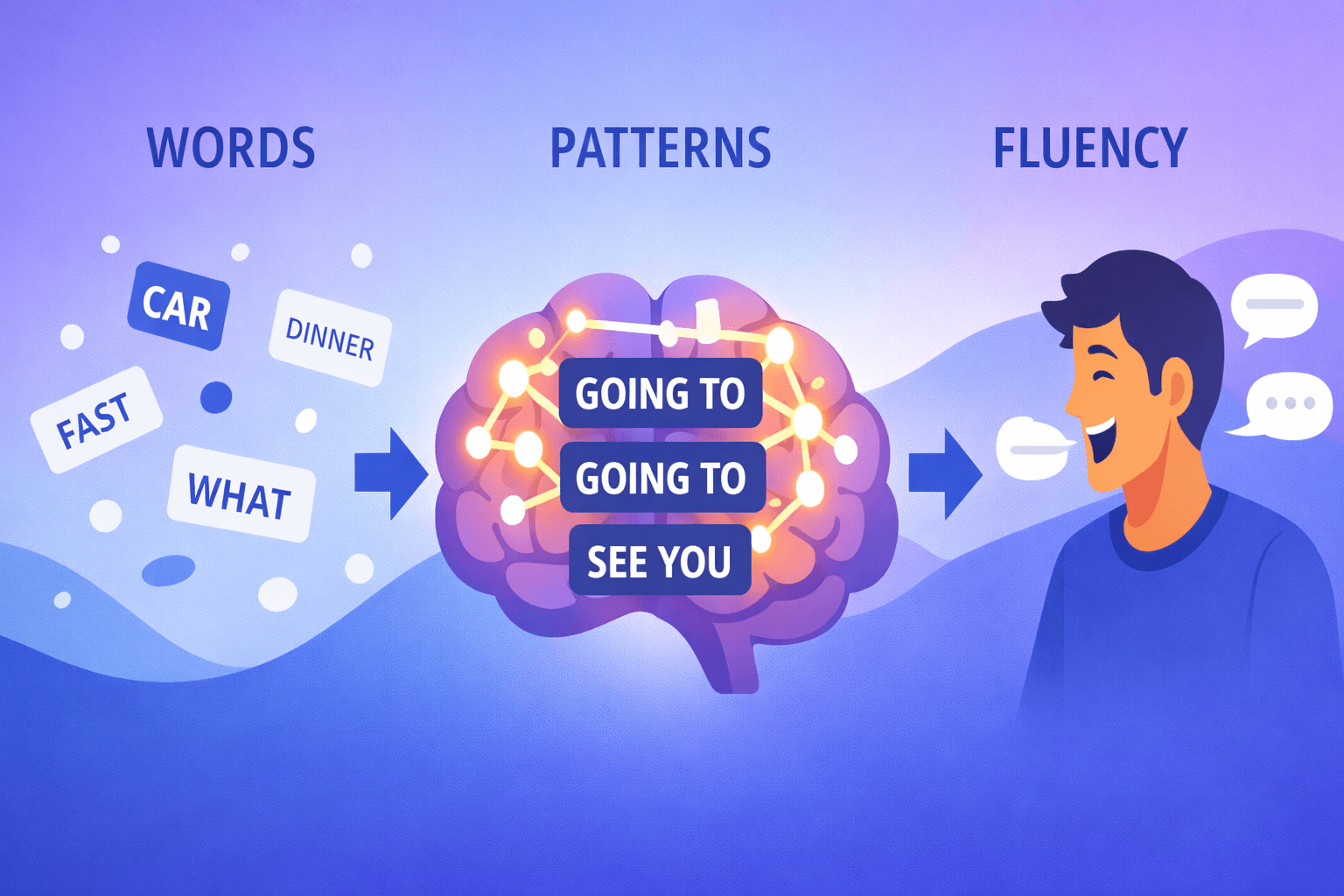
Over time, these small adjustments start to change how your brain processes language.
Instead of focusing on individual words, you begin to recognize patterns as complete units.
This is where fluency starts to build—not from memorization, but from repeated exposure to meaningful situations.
Context works best when it appears frequently.
And that depends on how easy it is to access.
If learning feels heavy, you return to it less often.
If it fits naturally into your day, you engage with it more consistently.
This is exactly why many tools struggle.
As explained here:
👉 Why Browser Extensions Fail Where Apps Succeed: The Mobile-First Netflix Learning Revolution
When learning is tied to a desk, it starts to feel like effort.
But when it is mobile, it becomes part of your routine.
And that is what increases exposure over time.
FAQs
1. Is context more important than vocabulary?
It is what makes vocabulary usable.
2. Can I learn just by watching Netflix?
No, you need to combine vocabulary and grammar study, and watching Netflix is only one part of your practice.
3. Why do movie lines stay longer in memory?
Because they are tied to emotion and situation, which helps your brain connect the language with real experiences, making it easier to remember and recall later.
A Simple Way to Make This Work
By this point, the idea is already clear.
Context is what makes language usable.
But in practice, consistency is the hardest part.
That’s where Jolii becomes useful.
It helps you:
- Notice patterns inside real scenes
- Replay meaningful moments
- Stay engaged without turning learning into effort
So instead of switching between watching and studying,
you start learning directly from the content you already enjoy.
Final Thoughts
Fluency is not built from isolated knowledge.
It comes from connected experience.
Context is what makes language usable.
Without it, learning feels slow and unclear.
With it, patterns begin to emerge.
Words become easier to recall.
And language starts to feel natural.
The goal is not to learn more words.
It is to understand how those words actually work.
Because that is what your brain remembers.