“Volare” is one of the best-known Italian songs of all time. After becoming a smash hit in Italy, it took the world by storm, and has been covered by both Italian and English-speaking artists from all walks of life, ranging from Dean Martin to David Bowie to Vitamin C. Let’s take a look at the original “Volare” Italian lyrics and what they mean.

The Origins and History of “Volare”
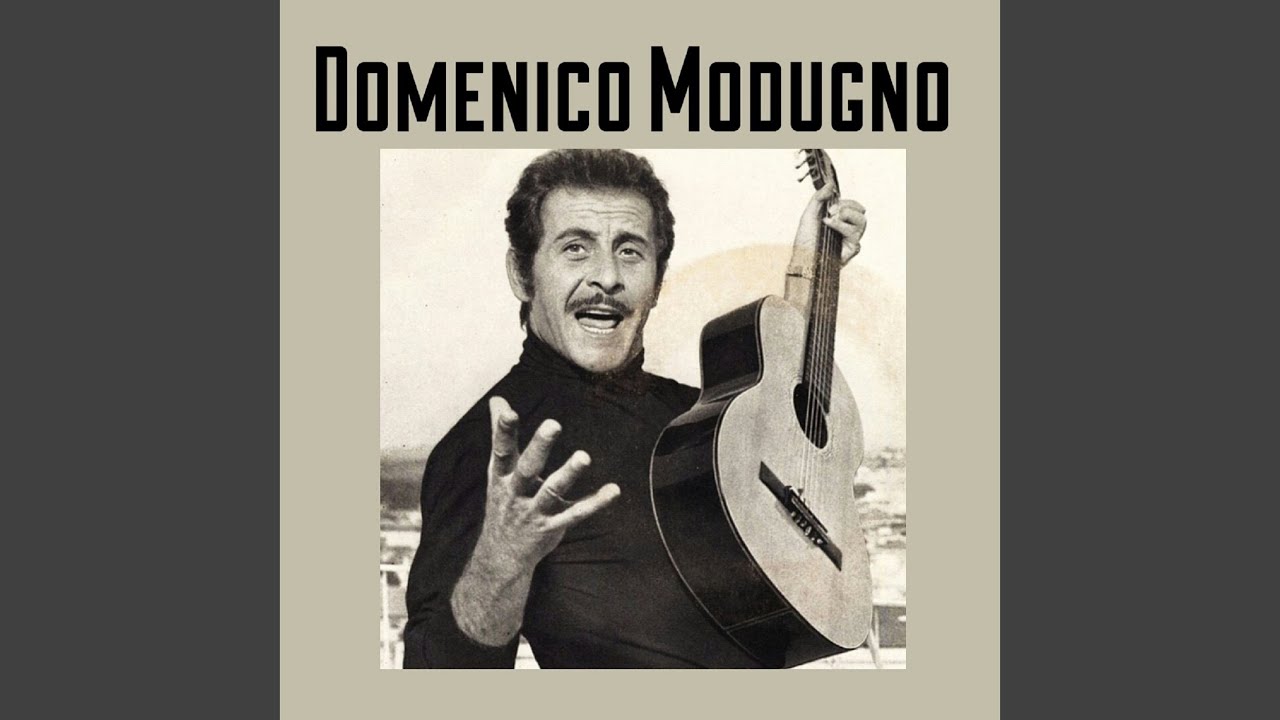
Did you know that “Volare” is not actually the original title of the song? When Italian singer-songwriter Domenico Modugno wrote/composed the song with the help of Franco Migliacci in 1957, the title was “Nel blu, dipinto di blu.” This means “In the blue [sky] [as I was] painted blue.”
The song (which kept that longer, less memorable title) was inspired by some very vivid (and wine-induced) dreams Migliacci had one day while waiting for Modugno to go to the beach. The dreams melded together with some paintings he saw by Marc Chagall when he woke up, which made him think about a man painting himself blue and getting the ability to fly.
Migliacci told Modugno about the dream, and together they came up with the lyrics, with Modugno introducing the word “volare,” “to fly,” after a stormy gust of wind made his window fly open.
Modugno recorded and released the song as a single in February 1958 and went on to win the Sanremo Music Festival, a very famous Italian singing competition. He then competed with it in the Eurovision Song Contest, where it came in third place, but became Billboard’s number one single for 1958. Modugno’s original version won both Record of the Year and Song of the Year at the Grammys in 1959, and the song became immensely famous worldwide.
It was so popular, in fact, that it has been recorded by many, many different artists and translated into many, many languages. Here are a few of the most popular and interesting covers:
Dean Martin

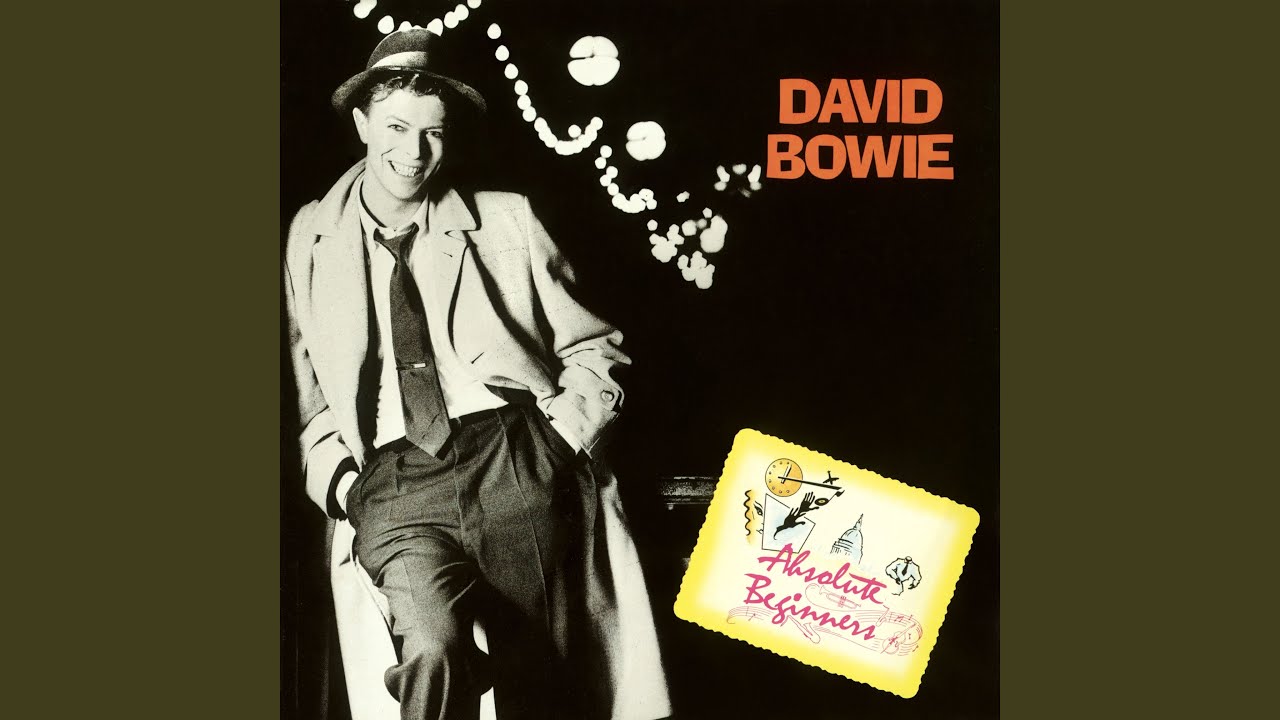
David Bowie
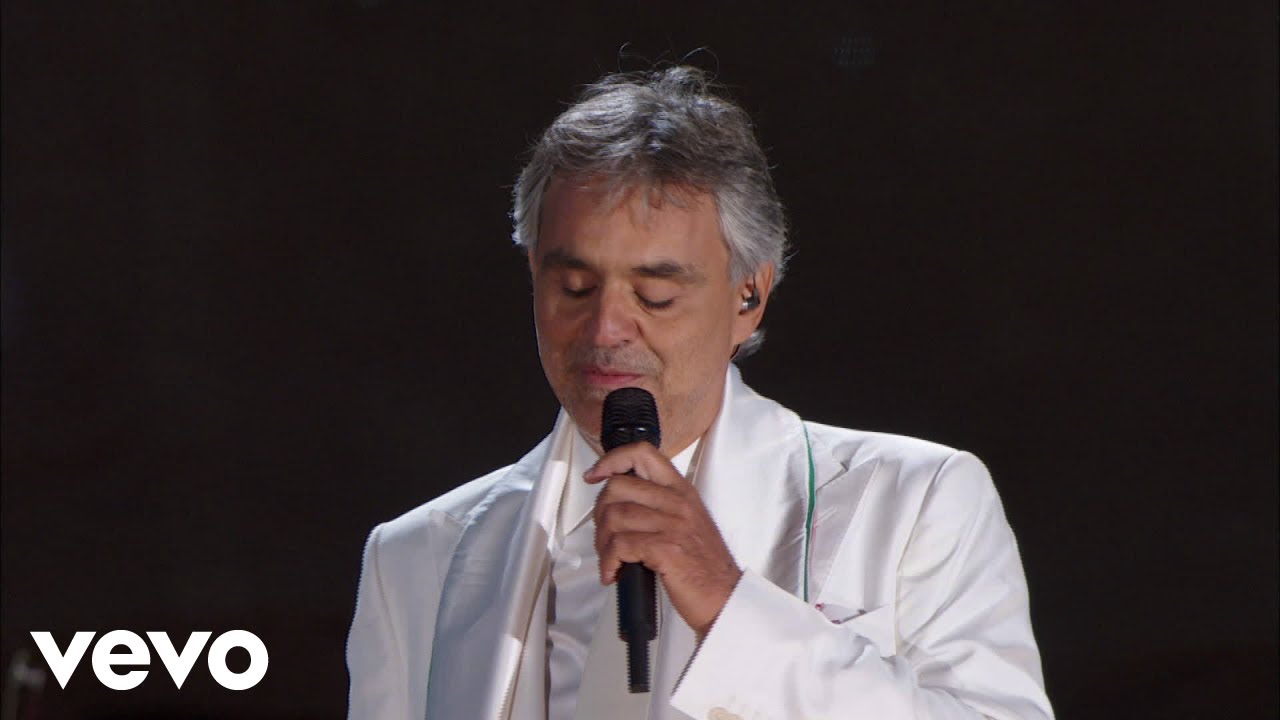
Andrea Bocelli and David Foster
“Volare” Italian Lyrics and Translation
Below, you can find a music video with the original version of “Volare,” as well as the “Volare” Italian lyrics and their English translation.
What Is the Song “Volare” About?
So, now that we have seen the lyrics and the translation, what is this song about?
First of all, the word “Volare” means “to fly.” The song describes a dream (un sogno) a man had in which he is flying around, high above the Earth, in the blue sky, with his hands and face painted blue: “nel blu dipinto di blu.” It is a nice dream, as he is happy to be up there: “felice di stare lassù.”
After the second chorus, the song transforms into a love song. “Ma tutti i sogni nell’alba svaniscon perché, quando tramonta, la luna li porta con sé,” the narrator sings: “But every dream vanishes at dawn because when the moon sets she takes them away with her.” But, the narrator keeps dreaming thanks to his lover’s eyes, which are “blue like the star-spangled sky” – “occhi tuoi belli, che sono blu come un cielo trapunto di stelle.”
Luckily, even if the dreamer is no longer up in the sky, he is equally happy to be lost in the blue of his lover’s eyes. “Nel blu degli occhi tuoi blu, felice di stare quaggiù, con te!” (“In the blue of your blue eyes, so happy to be down here, with you!”)
Learning Regular -are Verbs with “Volare”
Looking to get a little more out of your listening experience? “Volare”’s Italian lyrics can also teach us how to use some basic Italian –are verbs. Let’s take a look at a few of them and how they are used in the song.
| Verb | English Translation | Use in Song Lyrics + Explanation |
| volare | to fly | E volavo, volavo felice – And I flew, I flew happily This is the imperfect tense of the verb, describing an ongoing action done by the narrator in the past. |
| sognare | to dream | Ma io continuo a sognare negli occhi tuoi belli – But I continue to dream in your beautiful blue eyes This time, the verb sognare is used in the infinitive: “to dream,” because it follows another conjugated verb: continuo, meaning, “I continue.” |
| stare | to stay, to remain | felice di stare quaggiù – happy to stay down here This is another instance of the infinitive form, this time because it follows “di” and describes an action that the speaker/singer is happy “to be” doing. |
FAQs
What does “Volare” mean in the song?
In the song, “volare” is used literally to mean “to fly.”
What is the original title of “Volare?”
While many modern listeners are unaware of it, the original title of “Volare” is not actually “Volare,” but “Nel blu, dipinto di blu.”
Who originally sang the song “Volare?”
“Volare” has been covered many times, perhaps most famously by Dean Martin, but the man who originally wrote and sang the song is Domenico Modugno.
Final Takeaway
“Volare” is one of the most famous Italian songs of all time. Learn more about it and other Italian songs and shows with Jolii.ai today.