People often ask
“Can Mobile Apps Really Help You Learn English Fast?”
100% Yes! And faster than most classes you’ve ever taken.
Today’s language apps don’t just drill words. They talk back, and correct your mistakes. They also remind you to practice before you forget.
Such language apps use AI tutors, voice recognition, and short daily lessons that actually stick. You speak, get feedback, and move on. Simple.
In this guide, you’ll see how AI-enabled apps like Jolii, Fluently, and ELSA Speak help you learn English fast, without wasting time on outdated exercises.
Table of contents
Why Mobile Apps Help You Learn English Fast
Mobile apps to learn English work really well because they are integrated into actual life.
You don’t need a classroom desk, a textbook, or a fixed schedule. You just need a phone and ten spare minutes.
Studies from the Journal of Computer Assisted Learning show that mobile apps were able to help people improve their language skills way faster than those in traditional classrooms.
Why? Because these apps use short, focused lessons that help your brain remember better. They also include speech recognition and instant feedback.
For example, ELSA Speak’s AI can catch pronunciation errors with 95% accuracy. Tools like Fluently even analyze real conversations and suggest fixes immediately.
Apps don’t replace teachers. They just make practice faster, easier, and more personal. That’s how they help you learn English fast — by putting real learning into your pocket.
Best Mobile Apps That Help You Learn English Fast
Let’s cut the noise. Most apps claim they’ll make you fluent in 30 days.”
Spoiler Alert: they won’t.
However, a few actually deliver when used correctly. We will begin with those that combine science, AI, and actual-life language.
1. Jolii
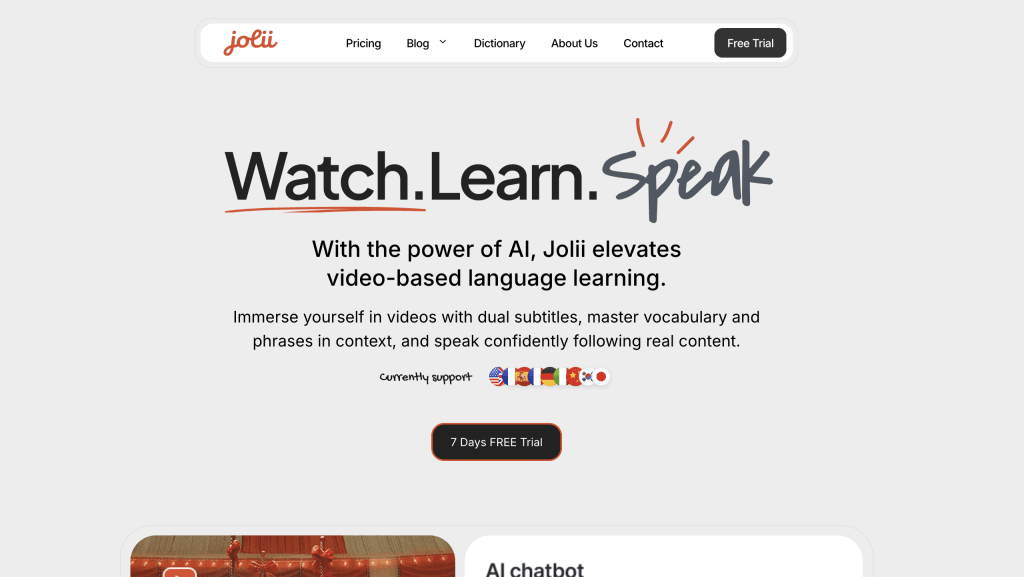
Best for: Beginner to Intermediate learners who hate boring, long drills.
Jolii turns YouTube and Netflix into English lessons. It adds dual subtitles, instant grammar notes, and AI chat to help you use new words on the spot.
Words come alive when you watch a scene you love. Tap a phrase, and the app explains it clearly. Thus, learning feels natural with context.
Users love this approach as well, since it’s more fun and less boring.
Why it works: Context-rich input boosts recall. Your brain stores words better when tied to emotion or story.
2. Fluently
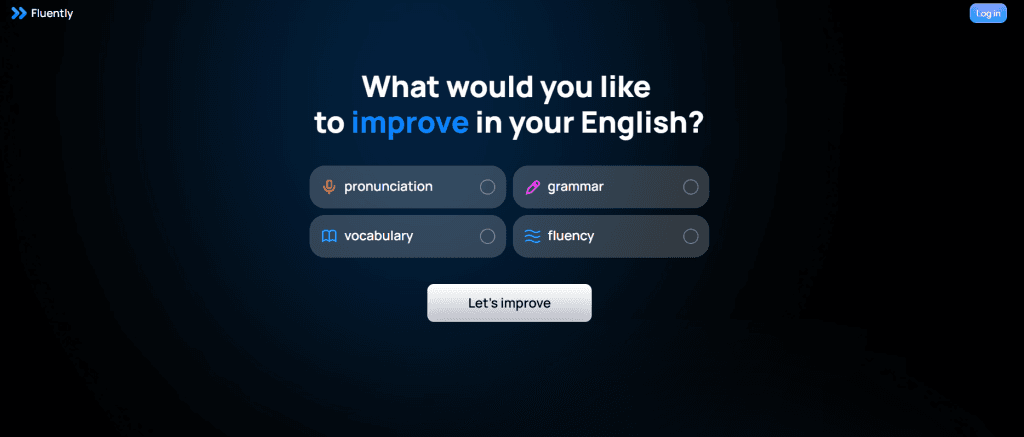
Best for: Intermediate to advanced professionals (B1–C1).
Fluently isn’t another app that throws vocabulary at you. It listens, analyzes, and tells you exactly why your English sounds off.
You can connect it to Zoom or Google Meet. After your meeting, the app gives feedback on grammar, tone, and delivery.
Why it works: It’s built for real-world communication. You practice the English you actually use at work.
3. Memrise
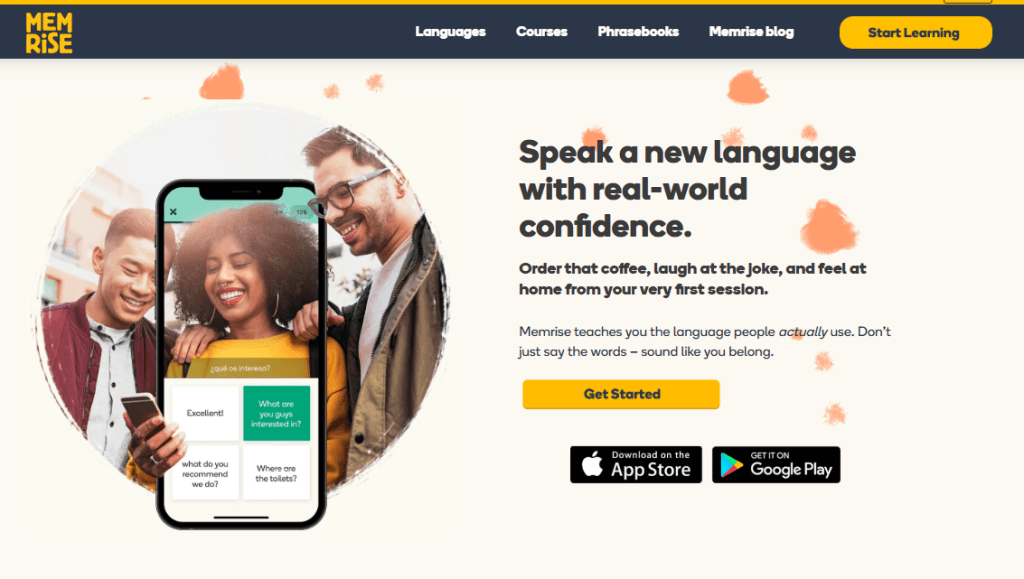
Best for: Individuals looking to enhance their vocabulary and listening skills without boring drills.
Memrise language app employs a Spaced Repetition System (SRS) that is driven by neuroscience. Studies indicate high vocabulary and pronunciation improvement, all thanks to SRS.
The application employs brief video clips of native speakers such that you listen to real accents and actual contexts.
Why it works: You hear English as it’s naturally used. After that, you are able to review it right when your brain needs a reminder. That cycle builds automatic recall.
4. Rosetta Stone

Best for: Beginners who want structure and immersion
Old, yes. Outdated, no.
Rosetta Stone built its name on immersive learning long before AI tutors were cool. It skips translation entirely.
The app looks really simple and visually appealing.. You learn just like a little kid does i.e by matching up a picture, the sound, and what it means.
It’s the perfect way to get a solid start before you try out the super smart AI tools.
Why it works: The brain learns faster when it connects meaning directly, not through translation. Visual memory anchors words faster than memorized lists.
5. ELSA Speak
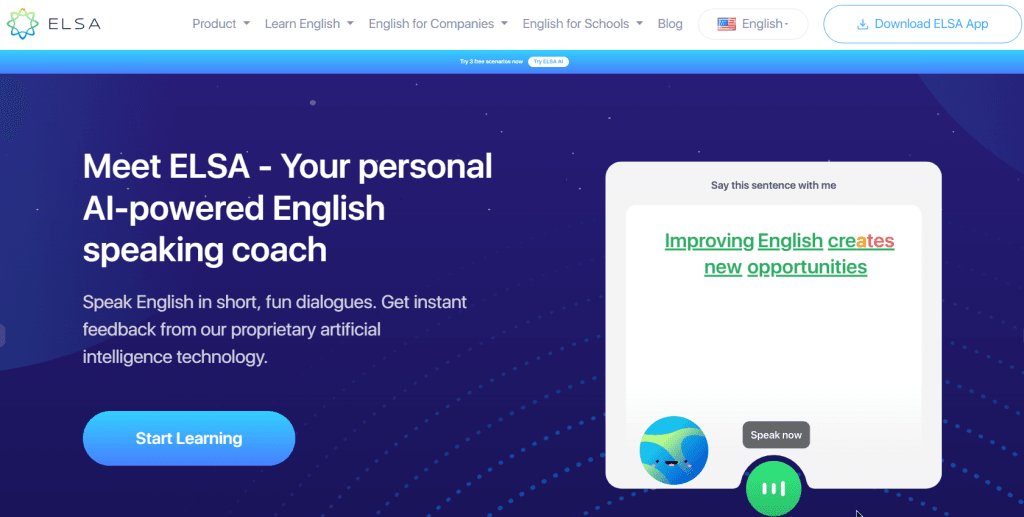
Best for: People who want to improve their pronunciation.
ELSA Speak has a super smart computer brain (AI). Its AI was trained by listening to millions of non-native English speakers.
This mobile app listens to how you talk and finds your pronunciation mistakes. Then, it shows you the exact way to fix them. You’ll learn rhythm, stress, and intonation, not just phonetics.
Why it works: Real-time feedback closes the gap between “knowing” and “sounding natural.”.
6. LingQ
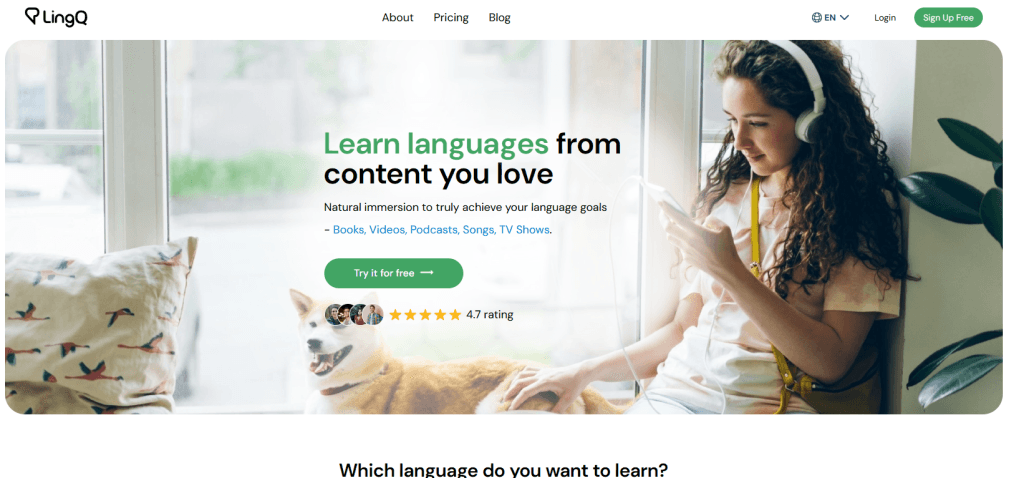
Best for: Advanced learners who prefer reading and listening.
With LingQ, you learn languages through blogs, news, and podcasts.
Simply import any form of content you find interesting, and LingQ will turn it into an interactive learning lesson that helps you learn easily.
Based on Krashen’s Input Hypothesis, LingQ app helps you track new words and learn English as it is actually spoken.
Why it works: Learning from authentic material helps you learn faster.
Pro Insight: How Real-Life Use Speeds Up Learning
Language apps are evolving beyond drills.
Fluently listens to real meetings and gives feedback right after. Jolii turns YouTube clips into fast, adaptive lessons that match your real conversations.
Studies confirm this approach works.
A meta-analysis of 23 studies found mobile learning improves outcomes with an effect size of g = 0.88, while AI speech tools show a g ≈ 0.69 boost in pronunciation. Real-life use accelerates progress more than isolated practice ever could.
Common Mistakes Slowing You Down & their Solutions
Even the best app can’t save you from bad habits. Here are some mistakes and their solutions.
1. Relying on one app only.
No single platform covers input, output, and feedback.
Fluency comes from combining complementary tools — think Jolii + ELSA + Fluently.
2. Skipping speaking practice.
Typing doesn’t train your tongue. Without oral output, pronunciation and rhythm fossilize.
Aim for daily speech exposure, even if it’s talking to an AI.
3. Chasing vocabulary instead of fluency.
Memorizing a list of words means nothing if you can’t use them properly.
Learn by using short to medium sentences in different situations.
4. Being inconsistent.
Miss a few days? Expect your progress to backslide.
Inconsistency makes you forget up to 80% of what you have learned, studies reveal.
Practice consistently and on a regular basis.
5. Ignoring feedback.
AI corrections exist for a reason.
Repeating uncorrected errors trains your brain to make them permanent.
FAQs
Q. How do I learn English fast?
Practice 10-15 minute daily language sessions using apps like Jolii or ELSA.
Q. How fast can you learn English using mobile apps?
Daily usage of smartphone apps for 8-10 weeks improves language proficiency considerably.
Q. What’s the best app to learn English fast?
It all depends on your level.
- Beginners: Rosetta Stone, Memrise.
- Intermediate: Jolii, LingQ.
- Advanced/Professional: Fluently, ELSA.
Q. Are paid mobile apps better than free ones?
Yes. Paid plans of these mobile apps unlock features like full speech feedback, progress tracking, and adaptive learning.
Final Thoughts
Mobile apps help in bridging the gap between studying and speaking with disciplined use.
Steady use of the app like Jolii fuels rapid learning.
Recap:
- Combine AI tools for faster learning
- Keep daily sessions short i.e 10–15 minutes is enough if consistent.
- Use AI feedback to correct errors
Try Jolii AI to experience adaptive learning with real media lessons and instant correction.