TL;DR
To understand French dating culture through The Hook Up Plan, you must look beyond the subtitles to decode “le plan cul” (casual hookups), the lack of a formal “dating” phase, and the high value placed on intellectual flirting. Unlike American dating, French relationships often start with exclusivity from the first kiss, a nuance that is frequently lost in literal translations.
Why Literal Subtitles Miss the Real “Plan Cœur”
Many learners watch The Hook Up Plan and feel they understand the plot, but they miss the cultural subtext that drives the characters’ decisions. Literal translations often sanitize the raw, colloquial nature of Parisian French, leaving learners with a “commodity” understanding of the language. To truly speak like a local, you need to decode the frame-by-frame cultural anchors that the show provides.
Decoding the Parisian Dating Scene: A Comparison
| Cultural Element | American Dating | Parisian Dating (Plan Cœur Reality) |
| The “Talk” | Necessary to define the relationship. | Non-existent; the first kiss usually implies exclusivity. |
| Flirting Style | Often direct and goal-oriented. | Intellectual, playful, and centered on “la joute verbale” (verbal sparring). |
| Casual Dating | “Seeing each other” for weeks/months. | More binary: you are either “together” or it’s a “plan cul” (hookup). |
| Social Context | Dating apps are the primary driver. | Social circles and “les potes” (friends) are the ultimate gatekeepers. |
Frame-by-Frame: The “Plan Cul” vs. “Plan Cœur” Nuance
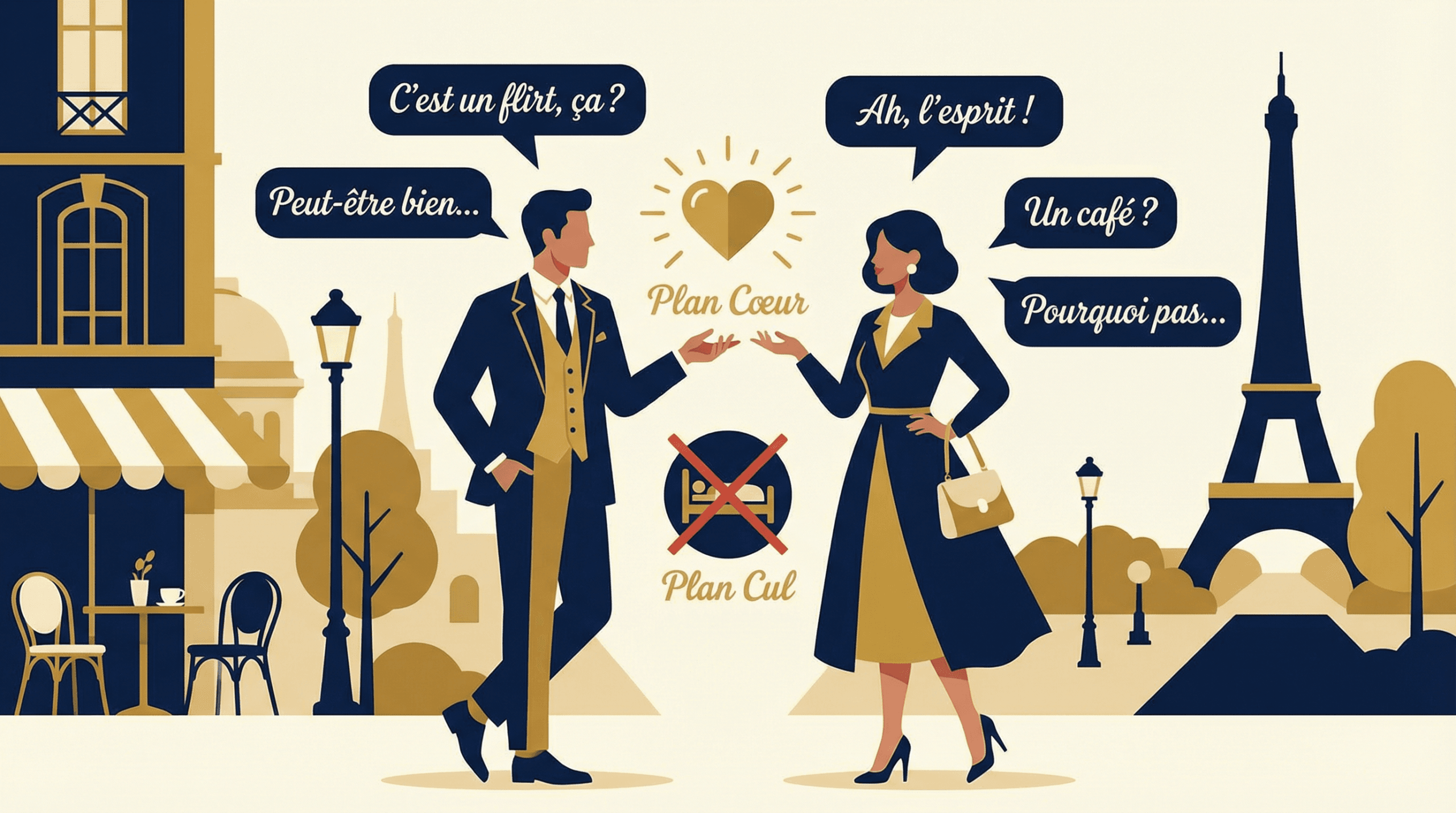
In the very first episode, the title itself—Plan Cœur—is a play on the common French slang “plan cul” (a hookup or “fuck buddy”).
•The Subtitle: Often translated simply as “The Hook Up Plan.”
•The Cultural Reality: By changing “cul” (ass) to “cœur” (heart), the show immediately signals a shift from casual sex to a search for genuine love.
•Learner Insight: If you only read the English title, you miss the clever, slightly edgy wordplay that defines the show’s entire premise.
For a deeper look at how this slang works in a real scene, check out this official clip from Netflix France:
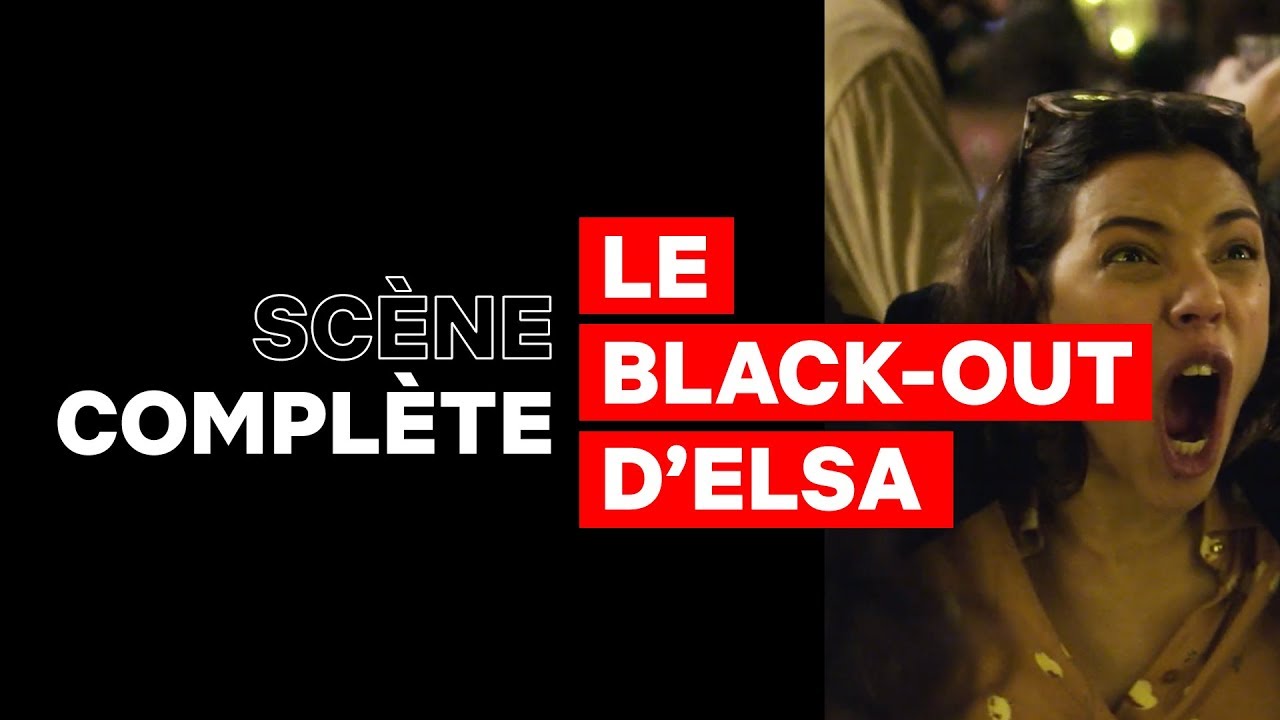
This scene is a masterclass in informal Parisian French, featuring rapid-fire dialogue, dropped negatives, and the raw social dynamics of “les potes.”
Frame-by-Frame Analysis: “Le Black Out d’Elsa”
In this iconic scene from Season 1, we see Elsa waking up after a night of heavy drinking, surrounded by her friends. This clip is perfect for learners because it captures the chaotic, high-speed energy of real Parisian social circles.
1. The “Ne” Drop
Listen closely to Elsa and her friends. You will rarely hear the formal “ne” in their negative sentences. Instead of saying “Je ne me souviens pas” (I don’t remember), Elsa says “Je m’en souviens pas.” This is the #1 rule for sounding like a native: in spoken French, the “ne” is almost always silent.
2. “Gueule de Bois” (The Hangover)
The scene revolves around Elsa’s “gueule de bois” (literally “wooden throat,” the French term for a hangover). The friends use various colloquialisms to describe her state, moving far beyond the polite vocabulary found in textbooks.
3. The Role of “Les Potes”
Notice how the friends—Charlotte and Emilie—take charge of the situation. In French culture, your “potes” are your second family. They are intrusive, protective, and brutally honest. Their dynamic in this scene perfectly illustrates why social circles are the ultimate gatekeepers in Parisian dating; they know everything before you do.
4. Rapid-Fire “Verlan”
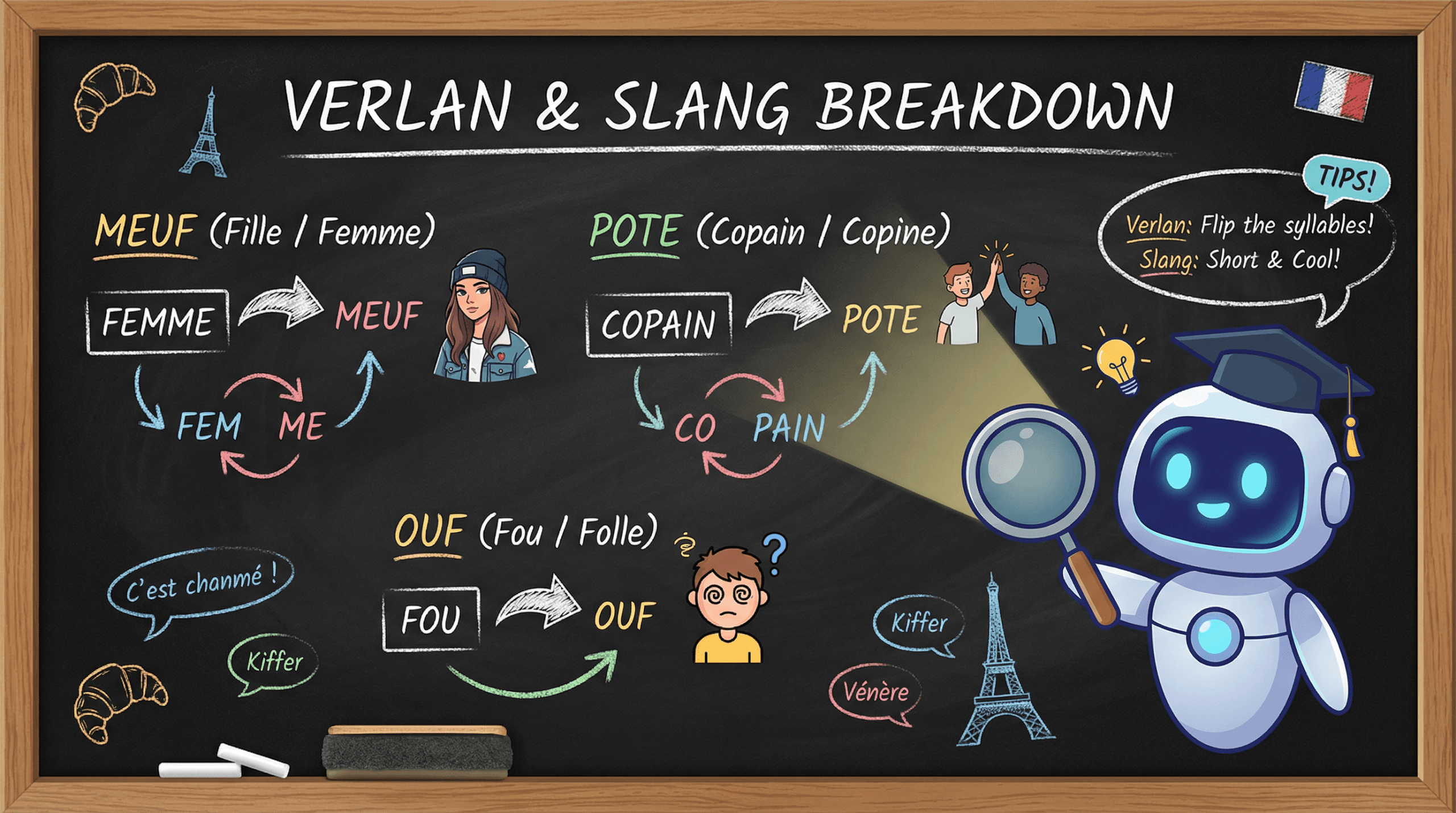
Throughout the dialogue, you’ll catch snippets of Verlan. When they talk about being “crazy” or “weird,” they might use “chelou” (Verlan for louche, meaning shady or weird). This isn’t just slang; it’s the linguistic glue that holds their social group together.
Follow-Up Questions for French Learners
What does “pote” mean vs. “ami”?
In the show, characters constantly refer to their “potes.” While “ami” is a general term for friend, “pote” is much more common in casual Parisian speech. It implies a closer, more informal bond, similar to “buddy” or “mate,” but with a specifically French social weight.

Why is the French in the show so fast?
The Hook Up Plan uses “le français familier” (informal French), which involves dropping the “ne” in negatives (e.g., “Je sais pas” instead of “Je ne sais pas”) and using Verlan (backwards slang). This is why it feels faster than your textbook audio.
Is “The Hook Up Plan” good for B1 learners?
Yes, but only if you use active immersion. Because the slang is heavy, B1 learners should use dual subtitles to map the colloquial sounds to the written words. It is one of the best shows for learning how young Parisians actually speak in 2026.
Mastering the Art of “La Joute Verbale”
The characters in Plan Cœur don’t just talk; they spar. This intellectual flirting is a cornerstone of French attraction. If you want to move from understanding to speaking, you must practice this playful, slightly argumentative style of conversation.
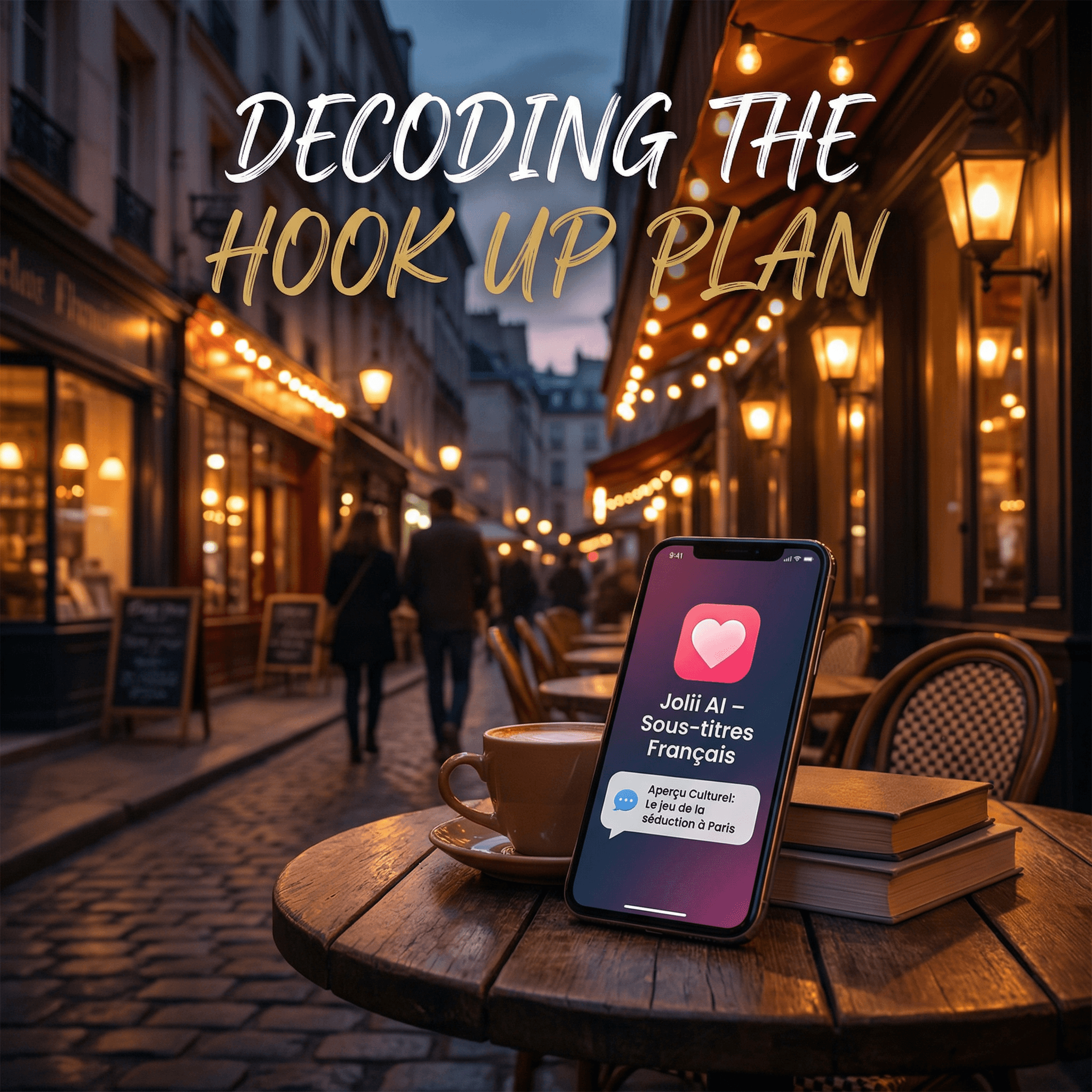
If you want to practice your own “joute verbale,” Jolii’s AI Chatbot can simulate a Parisian dating scenario using the exact slang and cultural nuances you see in The Hook Up Plan, giving you a safe space to fail before you try it in real life.
A Note on Cultural Discovery:
The first time I understood the ‘Plan Cœur’ vs. ‘Plan Cul’ pun without needing a translation was a lightbulb moment for me. It was more than just learning slang; it was unlocking a piece of the Parisian sense of humor. That’s the magic we want to share with Jolii.. the little ‘aha!’ moments that make language learning so rewarding.
FAQs
What is “Verlan” and is it in the show?
Yes, Verlan is a type of French slang where syllables are inverted (e.g., “meuf” for “femme”). It is used frequently in The Hook Up Plan to reflect authentic youth culture in Paris.
How can I use Jolii AI with “The Hook Up Plan”?
You can use Jolii to highlight specific slang terms in the show, get instant cultural explanations for dating etiquette, and then practice those phrases with an AI tutor.
Is French dating really that different from the US?
Yes. The lack of a formal “dating” phase and the immediate expectation of exclusivity after a kiss are two of the biggest cultural shocks for expats in France.
What is a “plan cul”?
It is a vulgar but very common French term for a casual sexual partner or “friends with benefits.” The show’s title, Plan Cœur, is a direct pun on this term.