Welcoming a new year feels exciting in any language! But learning how people celebrate around the world gives the moment extra meaning. This guide walks you through saying “happy new year” in Spanish, lets you explore the rich customs that shape these festive moments, and hints at how tapping into local celebrations might level up your language adventure. Want to pop open the bubbly?
Why Learning “Happy New Year” in Spanish Matters
New Year messages roll right off the tongue in Spanish, and locals nail them from Madrid straight down to Buenos Aires. Still, every place tosses in its own twist. Getting to know these different styles basically makes you sound much smoother, and you get a peek into what makes each spot special. Language usually matches up with tradition, so knowing these sayings helps your chats get a little deeper.
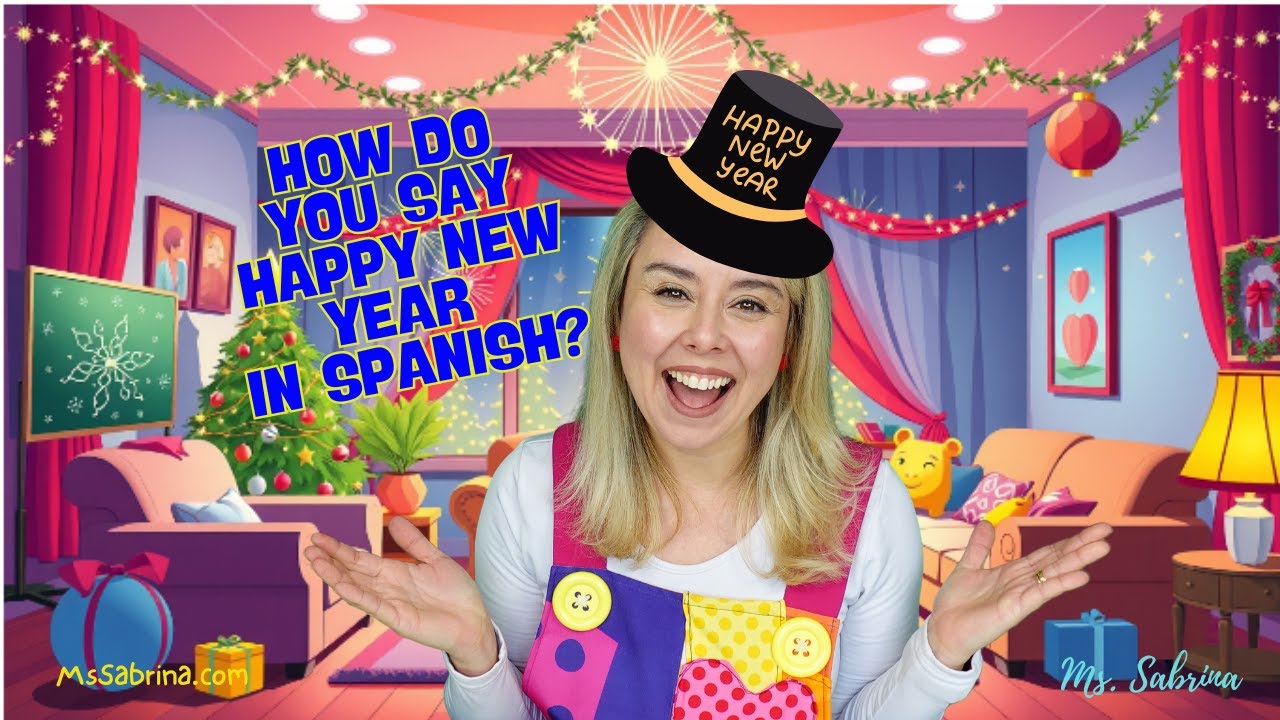
Different Ways to Say Happy New Year in Spanish
You’ll hear a mix of phrases as the holidays roll around, not just one. “¡Feliz Año Nuevo!” is the classic go-to greeting people nail down everywhere you go. If you want something a bit more chill, “¡Feliz año!” is the casual way folks often say it. Spain uses “¡Feliz comienzo de año!”, which means “Happy start of the year,” and sounds fresh, while a lot of Latin American spots, “¡Próspero Año Nuevo!” comes through as a warm wish for prosperity. “¡Que tengas un año lleno de éxitos!” is a friendly and pretty personal wish you’ll also find spoken around.
| Spanish Phrase | English Translation |
| ¡Feliz Año Nuevo! | Happy New Year! |
| ¡Feliz año! | Happy year! |
| ¡Próspero Año Nuevo! | Prosperous New Year! |
| ¡Feliz comienzo de año! | Happy beginning of the year! |
| ¡Buen año! | Have a good year! |
| ¡Que tengas un año lleno de éxitos! | Wishing you a year full of success! |
Remember: You can also wish someone a happy new year in Spanish by saying “Feliz” plus the next year’s number: A phrase like “¡Feliz 2026!” will be super popular and common.
Happy New Year in Spanish: Regional Differences
Of course, there are regional differences throughout the Spanish-speaking world. Let’s start in Argentina, Chile, and Uruguay, where people keep it brief and cheerful with a “¡Feliz año!”, or “¡Buen año!”. Moving up, Mexico and Central America use phrases like “¡Que este año te traiga mucha salud y alegría!”, while the Caribbean keeps it joyful with phrases like “¡Muchas bendiciones en el año nuevo!”.
Spain does the basics perfectly: people usually say “¡Feliz Año Nuevo!” or “¡Feliz año!” in relaxed, everyday settings. You may also hear “¡Feliz salida y entrada de año!” (Happy end-of-year and new-year transition!), especially during family dinners.

Happy New Year in Spanish Traditions – Spain’s Customs and Their Meaning
1. The Twelve Grapes
When the clock hits midnight, all across Spain, they eat twelve grapes: one with each ring of the bell. This tradition kicked off back in the early 1900s and stands for snagging good luck for every month ahead. Plus, it pulls together families and buddies for a wild, giggly moment, because getting all those grapes down is actually trickier than you think! Loads of Latin American countries are in on this ritual, too.
2. Red Underwear
Red means love and life. People who slip on red underwear as the New Year arrives are hoping it’ll bring them luck and a little bit of happiness for the next twelve months.
3. Cava
Sure, lots of countries sip sparkling wine as midnight hits, but in Spain, cava is the number one choice for making that toast. Everyone lifts their glasses, wishing for plenty of prosperity and a sense of togetherness.
Happy New Year in Spanish Traditions Across Latin America
1. Burning the Old Year (El Año Viejo – Ecuador, Colombia, Peru)
Families create life-size dolls that represent the previous year. At midnight, they burn them to let go of negativity and welcome renewal. This custom symbolizes release and transformation.
2. Suitcases for Travel (Argentina, Venezuela, Mexico)
You’ll often see people running around the block with an empty suitcase. It’s a playful way to attract new adventures and a year full of travel.
3. Money Rituals (Peru, Bolivia, Mexico)
Placing money in your hand or inside your shoes or pockets invites economic prosperity.
4. Colorful Underwear (Various Countries)
Red for love, yellow for prosperity, green for health—colors tell a story!
5. Throwing Water Out (Uruguay, Argentina, Cuba, Venezuela)
Tossing out a bucket of water outside (from the door or the balcony) has a symbolic cleansing for many, since the water takes away all the “bad” from the year that ends, and so the new year can arrive with calm energy.
6. Prosperity Lentils (Chile, Venezuela, Brazil’s Spanish-speaking border regions)
When the clock strikes midnight, folks eat a spoonful of lentils to stand for plenty and steady cash flow. Others even stuff their pockets full of raw lentils, hoping to bring in some good fortune right through the whole year.
7. Wearing White for Peace (Brazil, parts of the Caribbean)
Although Brazil is Portuguese-speaking, the custom influences nearby Spanish-speaking areas. Many people wear white to bring peace and emotional harmony into the new year.
How Cultural Traditions Support Language Learning
Mastering a language isn’t solely a matter of cramming words. Culture shapes the meaning behind every phrase, and the way traditions weave in really helps you get why those expressions count. Multiple prominent linguistic studies nail down this point. This ACTFL report confirms that jumping into a new culture gets your motivation to the max, and sticks language in your head for the long haul, all because an emotional tie supercharges your learning.
Remember: Language thrives on social moments, and nothing beats the mix of global New Year customs for picking up new words.
FAQs – Happy New Year in Spanish
1. What’s the easier way to say happy new year in Spanish?
“¡Feliz Año!” and “¡Feliz Año Nuevo!” are the most popular phrases.
2. Do all Spanish-speaking countries say it the same way?
As it happens with every expression, accents do change from one region to another.
3. What are the most popular New Year traditions?
Gulping down a dozen grapes right when midnight strikes is Spain’s go-to tradition. You’ll also catch people in Latin America lighting up the old Año Viejo, sprinting around with luggage, or grabbing a handful of lentils for good luck!
4. How do traditions help with language learning?
Cultural habits shape the scene and bring real emotion, making it way easier to keep things in your head and pick up fluency.
Looking to actually boost your Spanish this year? Jolii.AI is here to help out. It gives you guided material, smart tips, and legit culture info so each phrase clicks just right. Dive in with some warmth and that steady confidence—your Spanish year kicks off right this moment!