When you decide to learn a new language, a lot of people will tell you to travel to a country where the language is spoken or sign up for a language school. But what if you want to learn Japanese by yourself and from the comfort of your home too?
Is it possible? Or will you be overwhelmed in a few weeks, wondering whether you should have learned French or Spanish instead?
Learning Japanese by yourself is an exciting experience, but the excitement often fades when you hit a roadblock and wonder if you’re doing it right.
When I started, I was so excited that I downloaded lot of apps to learn Japanese, bought a lot of Japanese textbooks, and just kept downloading every Japanese movie I came across. But in one week, I was already confused and overwhelmed. I was doing everything at once, but I wasn’t really making any progress. That was when I decided to delve into research, draft a study plan, and take it one step at a time.
This guide I am sharing with you is from my own experience, and will help you to learn Japanese by yourself without losing motivation from Day 1 until you’re fluent. All you need is the right approach, proven strategies, and a healthy mindset.
Shall we begin?
Start Out with a Realistic Mindset
When you decide to learn Japanese by yourself, it is normal to get excited. But as you continue, the same mind that was excited to start might become your biggest critic.
When you forget a word you’ve studied for years, misread a sentence, or confuse the different meanings of ‘kana,’ you might begin to feel like you’re failing.
But this is where you need to get realistic and remind yourself that struggle is a part of learning, and mistakes don’t mean you’ve failed.
A realistic mindset tells you that:
- It’s okay to learn at your own pace.
- You’re allowed to make mistakes.
- Some days you’ll make progress, and some days you won’t.
- You can’t understand everything overnight (and you don’t need to).
- It’s okay to take breaks, but you must keep going.
Helpful Tip: One thing that’s sure to help is to find your motivation and hold onto it. Ask yourself why you want to learn Japanese and what being able to speak Japanese means to you.
Studies have shown that learners with identity-based goals stay committed to a project compared to those with abstract goals. Set a goal, and watch your motivation thrive.
Create a Language Learning Routine
Keep things simple. You don’t need a hectic, rigid routine to learn Japanese by yourself. A rigid schedule is bound to make you quit faster than a flexible one.
Here’s something to try:
- 30 minutes a day
- 4 sessions a week
Dedicate each session to a different focus. For instance:
- Session 1: Listening
- Session 2: Vocabulary
- Session 3: Grammar
- Session 4: Reading
Pro Tip: If possible, practice daily. The human brain rewires itself based on repetition, and daily practice helps your brain build neural connections that help you speak and think in that language faster. This process is called neuroplasticity.
Start by Learning Kana: Hiragana and Katakana
When it comes down to actually learning Japanese by yourself, the first thing to get out of the way is Kana. If you don’t understand kana, Japanese will always look mysterious to you. But once you do, everything suddenly makes more sense.
To learn Kana effectively (and keep it fun):
- Learn a handful every day
- Write the words you’ve learned by hand (writing by hand improves remembrance).
- Use apps or flashcards
- Practice reading as you learn.
Some new learners make the mistake of trying to memorize the 2,136 Joyo kanji first, but you’ll only end up stuck. Learn kana first, and after that, you can learn the commonly used Japanese words.
Did you know? The top 1000 most commonly used Japanese words cover more than 75% of everyday language. That’s what you should learn.
Use Resources That Keep Things Interesting
There are so many language resources out there, but when you want to learn Japanese by yourself and have fun while you’re at it, the best sources are the interesting ones that keep you coming back.
Some learners love reading textbooks; others prefer videos; for others, it’s apps.
Some of the best resources to try include:
- Jolii (video-based language learning)
- NHK Easy (learning via news)
- Japanese Pod101 (audio learning)
- Tae Kim’s Grammar Guide (PDF)
Pro Insight: Start with one or two and make good progress before considering another one. Using all resources at once might be overwhelming. I love video-based learning, so I did a lot of that. I didn’t enjoy reading as much as watching videos, so I did less of that, and it worked for me.
Embrace Learning in Context
One of the most enjoyable ways to learn Japanese by yourself is to learn the vocabulary in context rather than randomly. Instead of memorizing standalone words, learn through sentences, conversations, quotes, stories, or even song lyrics.
Choose:
- Phrases over Isolated Words
- Sentence Flashcards (online or printable)
- Connect Kanji to real vocabulary
Before long, you’ll be recognizing words and phrases in sentences and actually knowing what they mean.
Start Listening and Speaking Early

Reading is great, but listening is one of the fastest ways to make shocking progress. Embrace active listening, beginning with short clips and songs and going on to longer-length content
Start listening to:
- Japanese podcasts (at a slow pace)
- Japanese YouTube channels for learners
- Japanese drama and anime with subtitles
- Listen to J-Pop
Pro Insight: Try dedicating 5 to 10% of your content time to Japanese content.
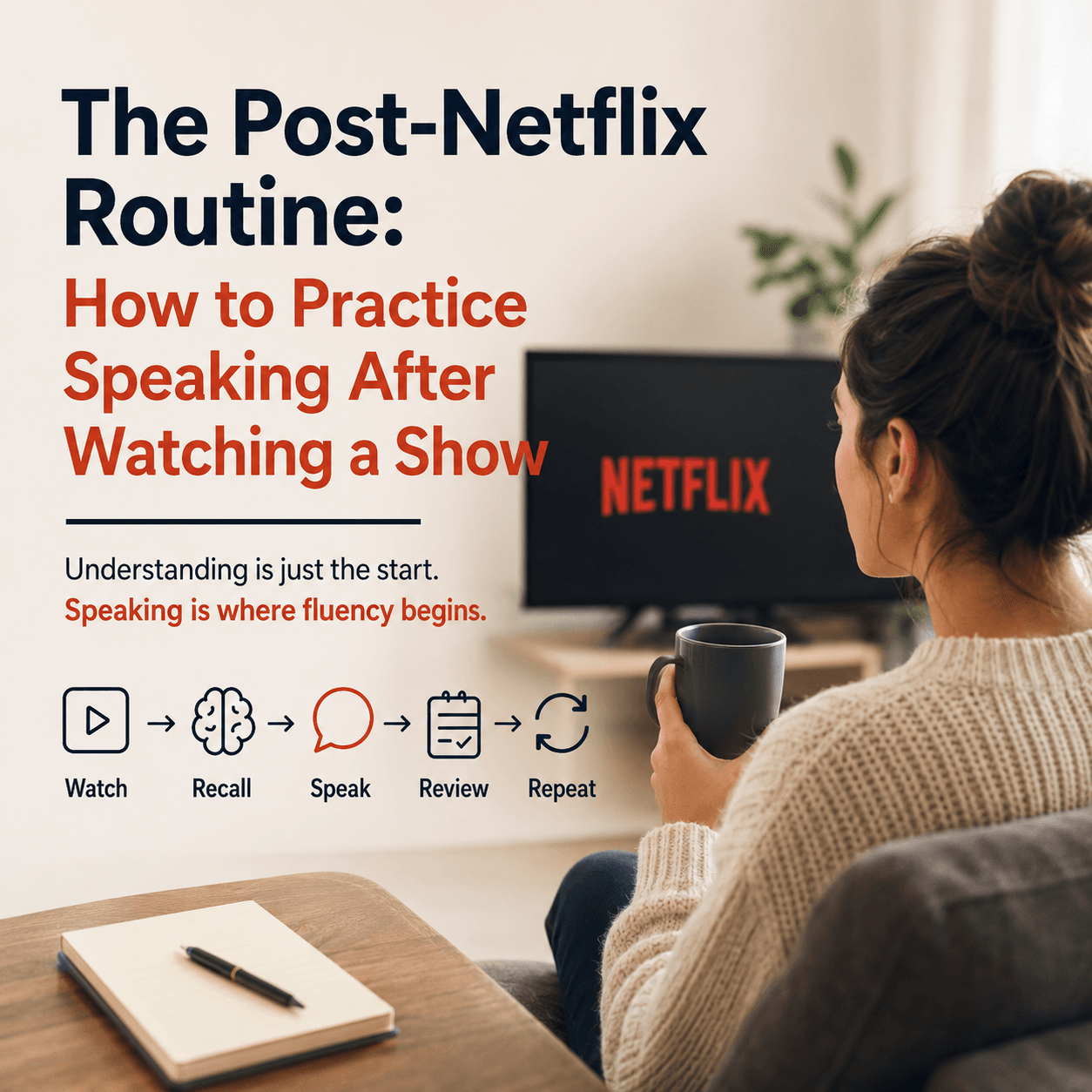
As for speaking, you’ll need to overcome the embarrassment and the nerves and speak whatever you hear. You might start out shaky, but the more you speak, the more you understand.
Start speaking by:
- Repeating what you hear in videos or audios.
- Writing out a short sentence and practicing speaking it.
- Recording yourself speaking and correcting yourself.
- Speaking with friends who are learning the language or joining online language exchanges.
Before long, you’ll go from a shy, embarrassed speaker to a confident and excited speaker.
Track and Celebrate Your Progress
It is often hard to see how much progress you’re making when you learn Japanese by yourself. But if you followed all the earlier tips, you’ll definitely make progress. So, all you need to do is track your wins and celebrate them.
Recent studies show that language learners are bound to stay committed when they see micro-growth indicators.
Here’s how to track your progress:
- Write down every new word/idea you’ve learned.
- Mark the lessons you have completed.
- Record snapshots of your monthly progress (writing or speaking).
- Mark and celebrate milestones.
Still not sure if you’ve made progress? If you can do any of these:
- Make a sentence in Japanese.
- Understand a conversation in a Japanese drama.
- Introduce yourself and what you do in Japanese
- Read a Kana Sentence
My first memorable moment of progress was when I watched a Japanese vlog on YouTube and understood a sentence without subtitle. The vlogger had simply said she was getting ready for work, but the fact that I understood it made me feel so good, like I could understand the entire Japanese language already. It was a big moment for me, and every time I felt demotivated, I reminded myself of that moment and it brightened me up instantly.
How to Deal with Poor Motivation

No matter how self-motivated you are, in the many months of learning Japanese, there will be times when your motivation will drop and you will find yourself in a learning slump.
There’s nothing wrong with that. Research shows that self-directed language learners often face motivation fluctuation throughout their learning periods.
What’s more important is getting back your motivation as soon as possible. Some of these things will help.
- Remind yourself of your reason for learning the language.
- Join a supportive learning community
- Take a short break (and return soonest)
- Watch some fun Japanese content
- Build confidence by taking stock of all you’ve learned.
It’s okay to pause and rest along the way. But remember, quitting isn’t an option!
Ready to Start Learning?
Today, my Japanese is at 80% and I am so proud of how far I have come. If I could do it, then you can absolutely learn Japanese by yourself. It’s time to get started.
One of the best resources I recommend to support your self-learning journey is Jolii. With Jolii, you can learn in a fun way, with interesting videos, and at your own pace, free of pressure. Check out Jolii today and get only the best assistance for your self-study.