You’ve probably heard this one before: “Spanish is easy, anyone can learn it fast!”
And yet, millions of learners give up after just a few weeks, frustrated and convinced that “their ears just aren’t made for languages.”
But what’s the truth? Can you really learn Spanish quickly, or is it just another marketing illusion? Polyglots, those people who can juggle five, ten, sometimes even fifteen languages, have a secret.. Understanding how to learn Spanish as a polyglot reveals the real secret: they don’t try to learn Spanish fast, they learn smart. Because in reality, it’s not about talent or luck, it’s about method. Some manage to learn Spanish in just a few months, while others struggle for years… and the difference, more often than not, isn’t motivation.
Here, we’ll reveal what polyglots know (and actually do) to progress at a surprisingly fast pace. No magic promises, no miracle solutions, no endless grammar drills, just concrete, proven strategies and advice rooted in the reality of 2025.
“A language is not learned by memorizing, but by living it.”
- Benny Lewis, polyglot and founder of Fluent in 3 Months
Section 1: Why Learning Spanish Is More Accessible Than Ever
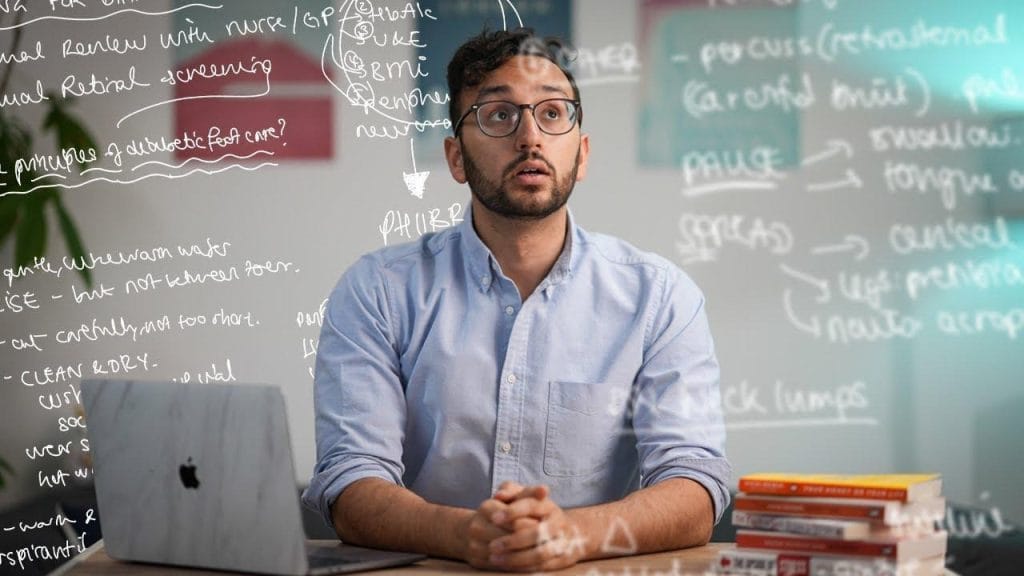
Learning a new language has never been easier than it is today. Not necessarily easy, but accessible, and that’s an important distinction.
In the past, you had to enroll in a language school, buy expensive textbooks, or move abroad if you wanted to make real progress. In 2025, that’s no longer the case. Learning is literally at your fingertips, in your pocket, on your phone. Free and interactive resources are everywhere: podcasts, apps, YouTube channels, Discord servers, language exchange communities, and even AI chat companions, on social media platforms like TikTok, hundreds (if not thousands) of creators now share short, educational videos that help you pick up the basics (and more) of a language in minutes. It’s a whole living ecosystem for people who want to learn differently.
But the real game-changer is artificial intelligence. Tools like Jolii AI, for instance, now give you access to a personal tutor available 24/7. The app adapts to your level, corrects your mistakes, and simulates natural conversations.
The result? You learn faster, more naturally, and with much more motivation.
Spanish, in particular, has an extra advantage: it’s a phonetic language (you write it the way you pronounce it), spoken by over 500 million people, and everywhere, from the Internet to TV shows, music, and social media.
So, in 2025, learning Spanish isn’t a matter of luck or privilege. It’s an open opportunity for anyone ready to dive in, as long as you use the right tools and strategies.
Section 2: The Illusions of “Learning Fast” and How To Learn Spanish like a Polyglot

You’ve probably seen those catchy promises before, like :
“Become fluent in 30 days!”
“Learn Spanish in your sleep!”
“Speak like a native with just 5 minutes a day!”
Let’s be honest: it’s all marketing.
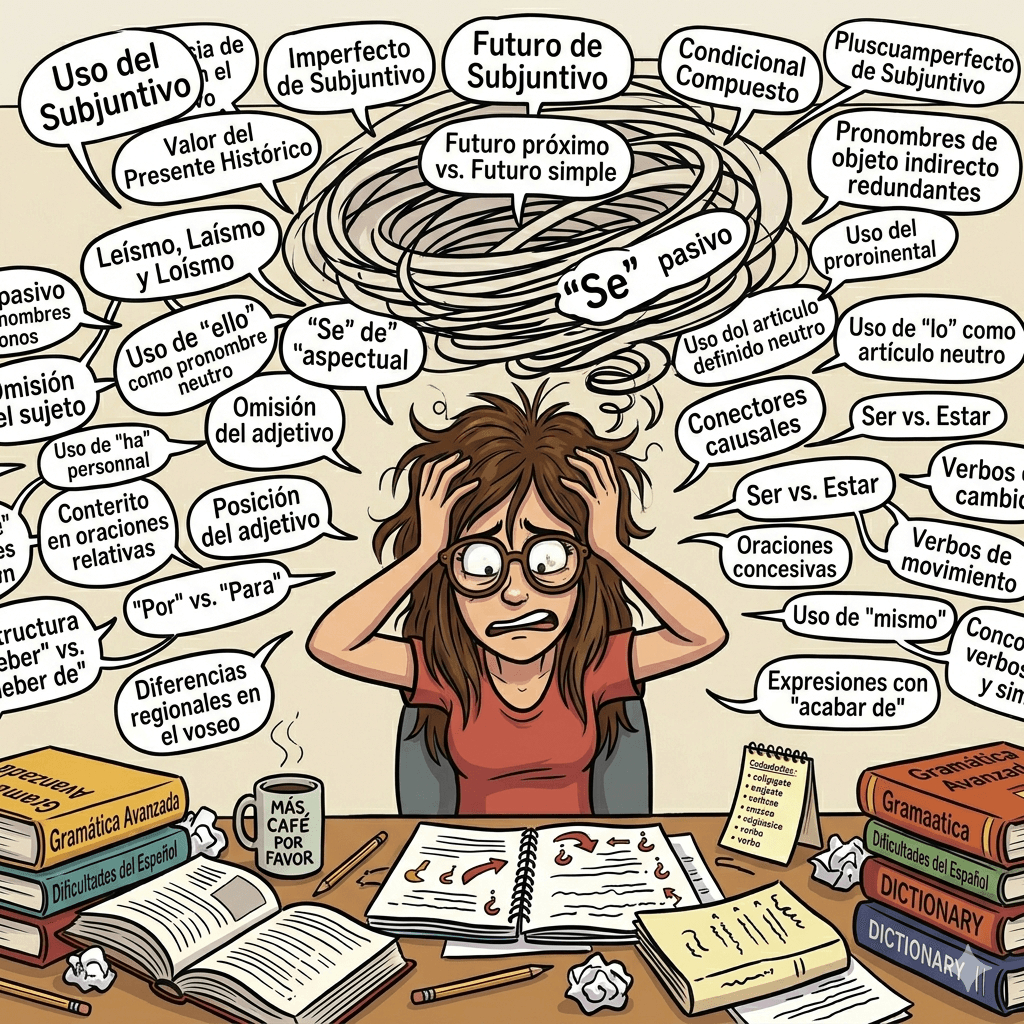
Learning a language is like learning to play an instrument or cook. You can grasp the basics quickly, but mastery takes consistency, curiosity, and a bit of patience. Polyglots, those passionate people who speak five, ten, even fifteen of the hardest languages to learn, know this better than anyone. Their secret isn’t a hidden gift or a brain “wired for languages”… it’s a method.
They learn smart, not necessarily fast.
- They set micro-goals:
Instead of saying “I want to be fluent,” they aim for smaller milestones like “hold a five-minute conversation on a simple topic.”
- They multiply micro-exposures:
A 10-minute podcast in the morning, a quick voice message exchange in the evening, a song listened to attentively, these small, repeated habits build real skill.
- They allow themselves to make mistakes:
Instead of fearing errors, they treat them as tools for learning.
Polyglots don’t chase speed, they focus on rhythm. They move forward steadily, without skipping steps, making Spanish a small but constant part of their daily lives. It’s this patient, realistic approach that allows them to learn far more effectively than those who try to master everything in three weeks.
So don’t be too hard on yourself.
Section 3: Concrete Strategies to Learn Faster (Inspired by Polyglots)

No magic tricks for polyglots, they don’t have more hours in a day or a special brain wired for languages. They simply know how to learn. Their tested and refined methods can turn your Spanish learning journey into something smoother, smarter, and far more enjoyable. So, think like a polyglot.
1. Set clear and achievable goals
Before diving in, define what “progress” means to you. Do you want to order at a restaurant in Spanish without stress? Watch a show without subtitles? Hold a full conversation without switching back to English? Write these goals down somewhere and track them with tools like Notion, Trello, or even a simple to-do list. Having direction makes every study session more purposeful and motivating.
2. Practice a little every day (not three hours at once)
The brain loves consistency. Ten minutes every day is worth more than two hours on Sunday. Consistency in learning Spanish beats intensity, every time. Listen to a podcast while making your coffee, working out, or whenever you can. Read a few sentences on your phone, repeat words out loud, these micro-moments create lasting progress over time.
3. Use AI as your personal coach
In 2025, ignoring artificial intelligence means missing out on a powerful learning accelerator. Tools like Jolii AI, Elsa Speak, or ChatGPT Voice Mode can analyze your accent, correct your grammar, and adjust to your level in real time. It’s a tutor that’s always available, patient, and personalized. AI doesn’t replace human learning, but it makes it more precise, interactive, and motivating.
4. Create mini-immersions
You don’t need to move to Madrid to immerse yourself in Spanish. Change your phone’s language settings, watch shows with Spanish subtitles, or talk to yourself while cooking dinner. Transform your environment so the language becomes part of your life, naturally and effortlessly, just like a polyglot would do.
5. Learn in context
Memorizing isolated vocabulary lists is pointless. The word “pan” doesn’t mean much on its own, but when you read “Quiero pan con tomate”, it suddenly comes alive. Read, listen, watch, and learn words through real context. That’s how your brain remembers them naturally.
6. Don’t neglect active listening
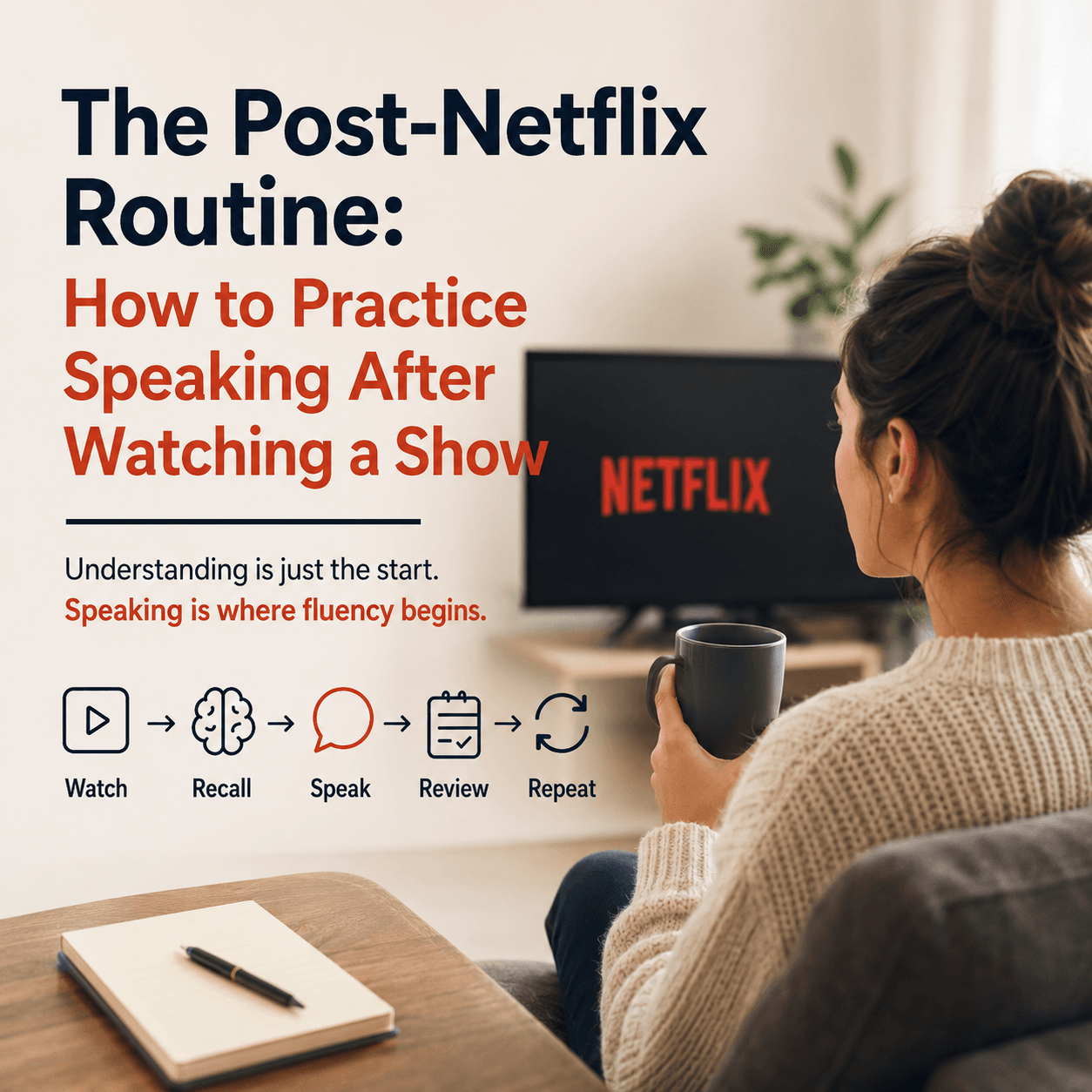
Watching shows is great, but active listening is even better. Try this simple three-step method:
- First listen → grasp the general meaning.
- Second listen → catch details and expressions.
- Third listen → repeat out loud.
This method, used by many polyglots, strengthens your ear and pronunciation without feeling forced.
7. Play, sing, have fun
Learning shouldn’t feel like a chore. Add pleasure to your routine, play games, sing spanish karaoke, do vocabulary quizzes, or join Discord chats with friends. When you have fun, you learn without even realizing it.
Section 4: The Importance of Daily Practice and Immersion

“Immersion is not a place, it’s a mindset.”
If you ask ten people how they learned a language, almost all of them will tell you the same thing: “By practicing every day.” And yet, that’s often the part most learners neglect. You review your vocabulary on Monday, skip two days, then promise yourself you’ll “get back to it over the weekend”… and that’s how the vicious cycle begins. (As the saying goes, never put off until tomorrow what you can do today.)
The truth is, your brain learns far better through regular exposure than through long, spaced-out study sessions. It’s exactly like going to the gym, one three-hour workout a week won’t beat thirty minutes a day. Immersion doesn’t necessarily mean buying a plane ticket to Barcelona. It’s a mindset, a habit of surrounding yourself with the language in your daily life. And today, it’s easier than ever:
- Set your Spotify playlists to Spanish.
- Watch YouTube videos from Spanish-speaking creators.
- Follow Spanish accounts on Instagram or TikTok.
- Talk to yourself in Spanish (yes, even if you feel a little crazy).
- Change the language of your phone or your GPS.
These small daily exposures to Spanish create what’s called micro-immersion, a subtle but constant way of learning. And before you even notice, your ear adjusts to the sounds, your brain recognizes patterns, and you start thinking naturally in the language. Polyglots learn so fast because they never separate “study time” from “everyday life.” For them, Spanish isn’t a subject, it’s a companion, an environment they live in continuously.
If you make the language a part of your everyday routine, even just ten minutes a day, your brain will take care of the rest.
Remember, the key isn’t perfection, but consistency. And that’s where the real magic happens.
Section 5: Modern Tools (AI, Apps, and Self-Learning Techniques)
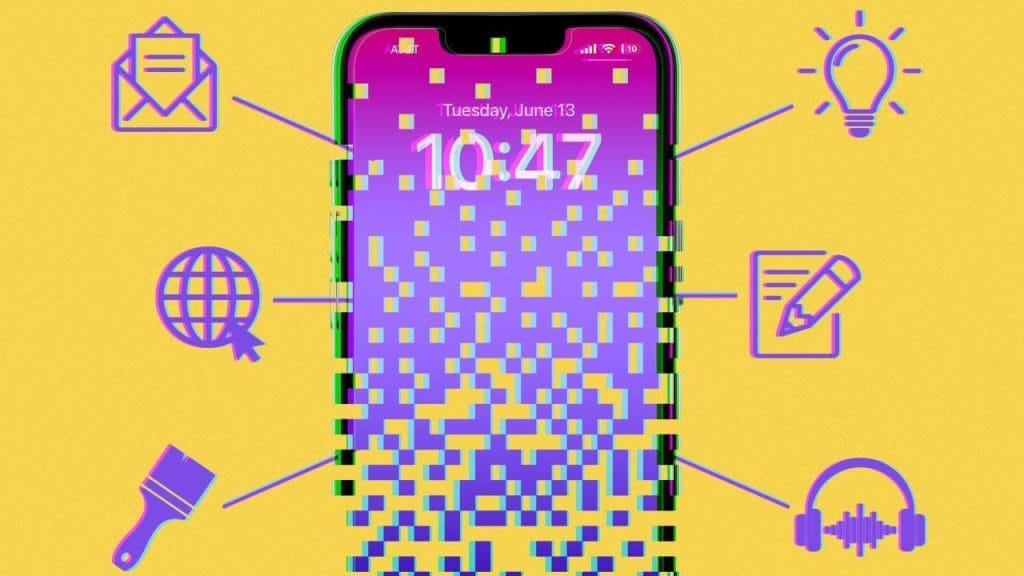
In 2025, your phone can literally replace half of a classroom. The rise of artificial intelligence, mobile apps, and interactive platforms has completely redefined the way we learn Spanish.
Modern tools no longer just teach, they adapt. Take Jolii AI, for example: this app acts like a real personal tutor, available anytime. It analyzes your pronunciation, corrects you in real time, adjusts exercises according to your level and learning pace, everything is taken into account. No more rigid lessons, each interaction is unique, dynamic, and tailored to you. Other apps like Duolingo Max, Babbel AI, and Elsa Speak use artificial intelligence models capable of mimicking natural conversations, giving you the feeling of talking to a real person.
But it’s not just about apps. Modern self-learning techniques play an equally important role:
- Spaced repetition (using tools like Anki or Quizlet) helps your brain retain vocabulary in the long term.
- Active transcription (rewriting excerpts from shows, podcasts, or songs in Spanish) improves your listening and spelling.
- And free speaking, simply talking to yourself or with a voice assistant, helps you build spontaneity and confidence.
The key is to combine these tools without getting lost in them. AI is an incredible accelerator, but your commitment is what truly makes the difference. Build your own learning ecosystem, mixing apps, conversations, reading, and enjoyment.
FAQ
1. How long does it take to speak Spanish fluently?
It all depends on your consistency, environment, and the tools you use. With daily practice (even short sessions) and gradual immersion, you can reach conversational level within a few months to less than a year.
2. Can artificial intelligence really replace a teacher?
No. A teacher brings the emotional connection, motivation, culture, and humor… But AI never sleeps. It corrects you without judgment, listens at any time, and adapts to your pace. Together, they form a perfectly complementary duo: humans for emotion, AI for consistency.
3. Do I have to live in Spain to become good at it?
Absolutely not (thankfully). Total immersion today can happen right from your couch. Thanks to the Internet, you can chat with native speakers. Adjust your daily activities (even just a little) to make progress. What matters most isn’t where you are, it’s how consistent you are.
4. What if I don’t have much time?
Don’t worry, you don’t need that much. Ten minutes a day is better than one hour once a week. Continuity is key. Use your spare moments: your morning coffee, commute, or lunch break. These micro-sessions add up faster than you think.
Conclusion
Polyglots and “naturals” don’t have a monopoly on language learning. It’s a living skill, accessible to everyone. Learning Spanish is within everyone’s reach, as long as you change your approach. In 2025, you no longer need dusty textbooks or endless grammar drills to make progress. What you need is a plan, a routine, and a smart tool that guides you step by step. Polyglots have figured it out: it’s not about speed, it’s about consistency, curiosity, and the joy of learning. Every new word, every sentence you understand, is a small victory. So, if you want to turn your Spanish learning journey into something smooth, motivating, and truly personalized, start today.
Try Jolii AI now, your intelligent companion for learning Spanish differently. A patient tutor, available anytime, who understands you, corrects you, and helps you progress at your own pace. Learning a language isn’t a race, it’s a journey. And Jolii AI walks beside you, not ahead of you.
“Languages are not learned, they are acquired, through curiosity, mistakes, and joy.”
- Kato Lomb, one of the first female polyglots and interpreters in the 20th century