Spanish is one of the most widely spoken languages in the world, yet most people think learning it takes years of costly classes.
The truth is, you can start speaking today for free, i.e, via YouTube.
YouTube gives you daily access to native speakers, subtitles, visual cues, and immersive Spanish lessons for zero dollars.
And it fits into the time you spend scrolling anyway.
In this guide, you’ll see how 8 beginner-friendly YouTube channels help you learn Spanish faster using proven language science like Comprehensible Input, daily repetition, and more.
Why Learn Spanish with YouTube?
Spanish is YouTube’s second-largest language. Approx. 11.8% of all videos are in Spanish.
That means you get endless native content with real pronunciation, gestures, and cultural context.
YouTube makes learning practical. You don’t need a classroom, a schedule, or a grammar book. You just need a phone and 20 minutes.
Comprehensible Input research shows that:
- 150–180 hours → A2 basic conversation
- 300–360 hours → B1 conversational fluency
One hour per day can take you from zero to speaking confidently in 5–12 months.
Why it works: YouTube combines listening, visuals, and subtitles. Thus, you recall words faster and speak more naturally.
Apps help as well, but YouTube gives you daily exposure to real Spanish.
The 8 Best YouTube Channels to Learn Spanish
YouTube has a lot of channels that claim to teach Spanish in the best way. We’ve selected the top 8 channels based on the following standards:
- Slow audio
- Clear visuals
- Subtitles
- Real-life context.
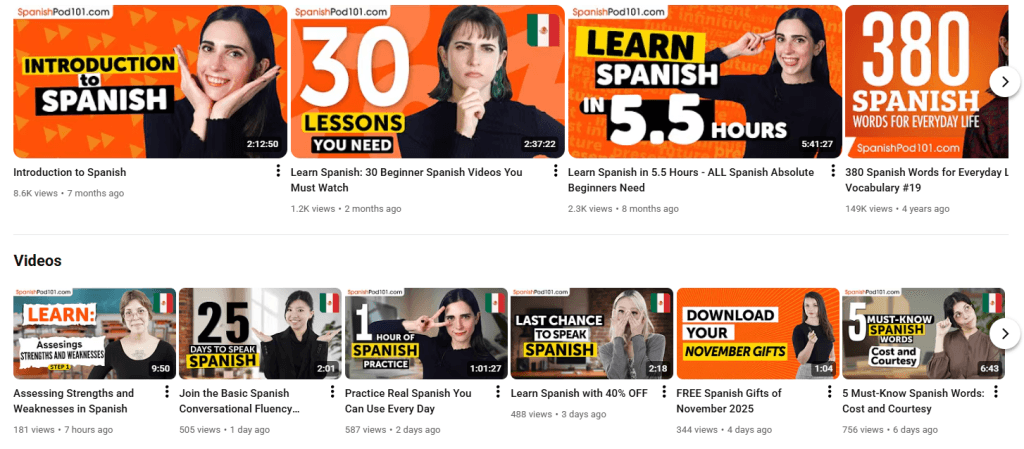
1. SpanishPod101
Best for: Structured lessons + grammar clarity
This channel has short videos that teach essential beginner-level vocabulary and dialogues. Videos also include cultural notes and pronunciation guidance.
Why it works: Frequent uploads support steady progress.
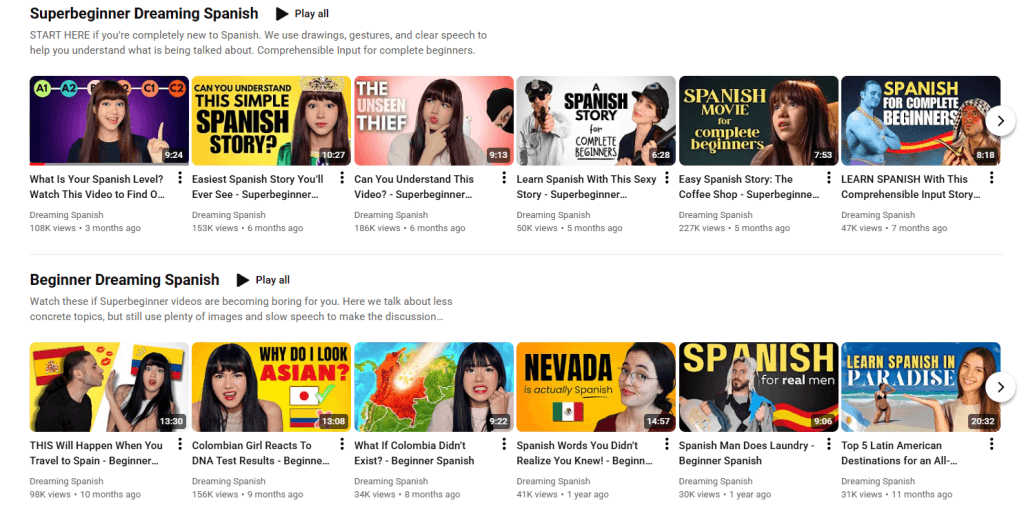
2. Dreaming Spanish
Best for: Total beginners using immersion
Comprehensible Input lessons are labeled by difficulty levels i.e. from Beginner to Advanced. The lessons are in full Spanish. No English is used.
Why it works: Your brain learns faster when it understands messages directly instead of translating first.
Pro Insight: CI video formats on YouTube help new learners reach A2–B1 faster than textbook-first methods.
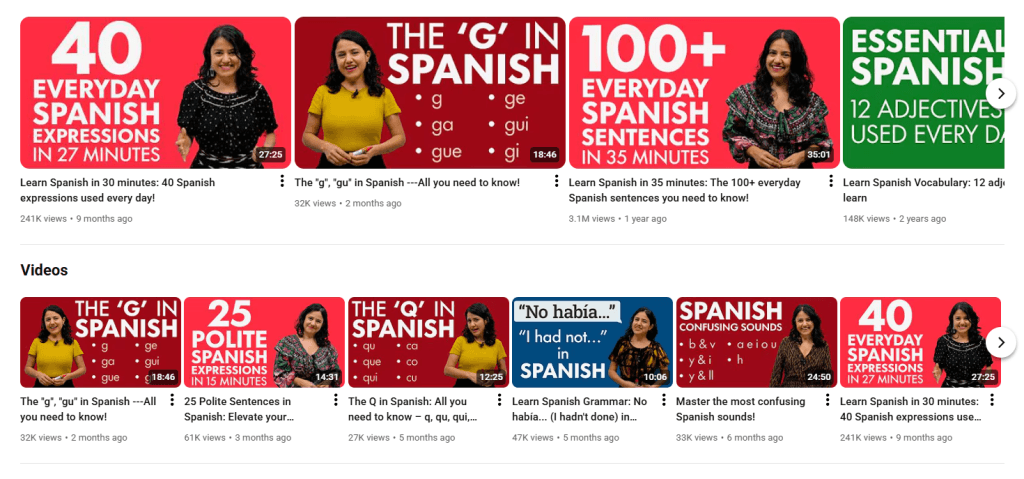
3. Butterfly Spanish
Best for: Beginners who want grammar explained clearly,
Ana covers grammar, pronunciation, and culture. She presents difficult topics simply and in a friendly way.
Why it works: Clear explanations reduce confusion early and prevent common mistakes from becoming habits.
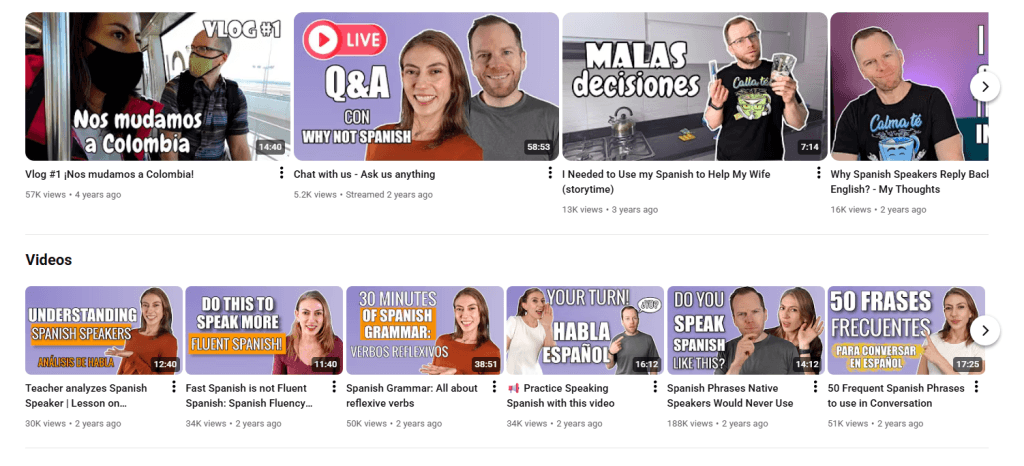
4. Why Not Spanish?
Best for: Real-life conversation examples
María and Cody teach Spanish for everyday situations like cafés, directions, hobbies, and travel.
Why it works: You immediately learn useful Spanish for real interactions, not random vocabulary.
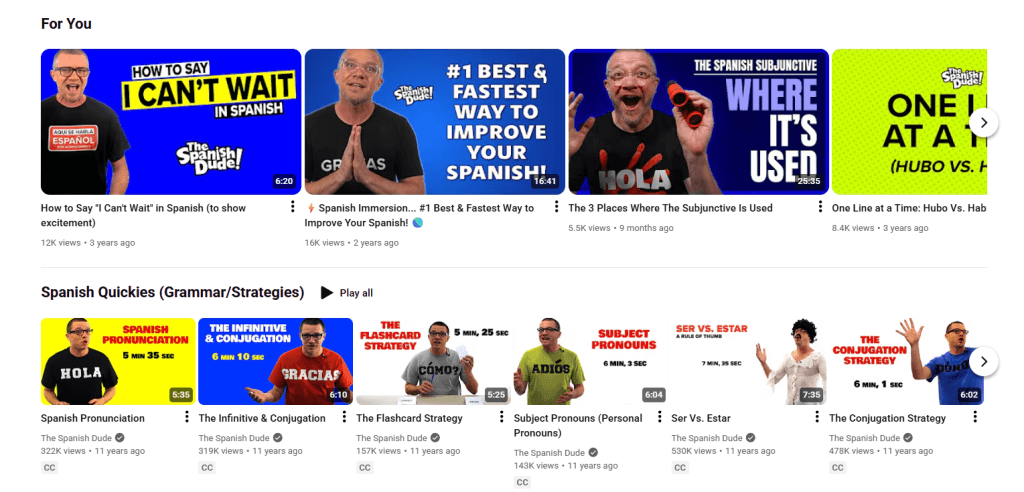
5. The Spanish Dude
Best for: Fixing grammar pain points
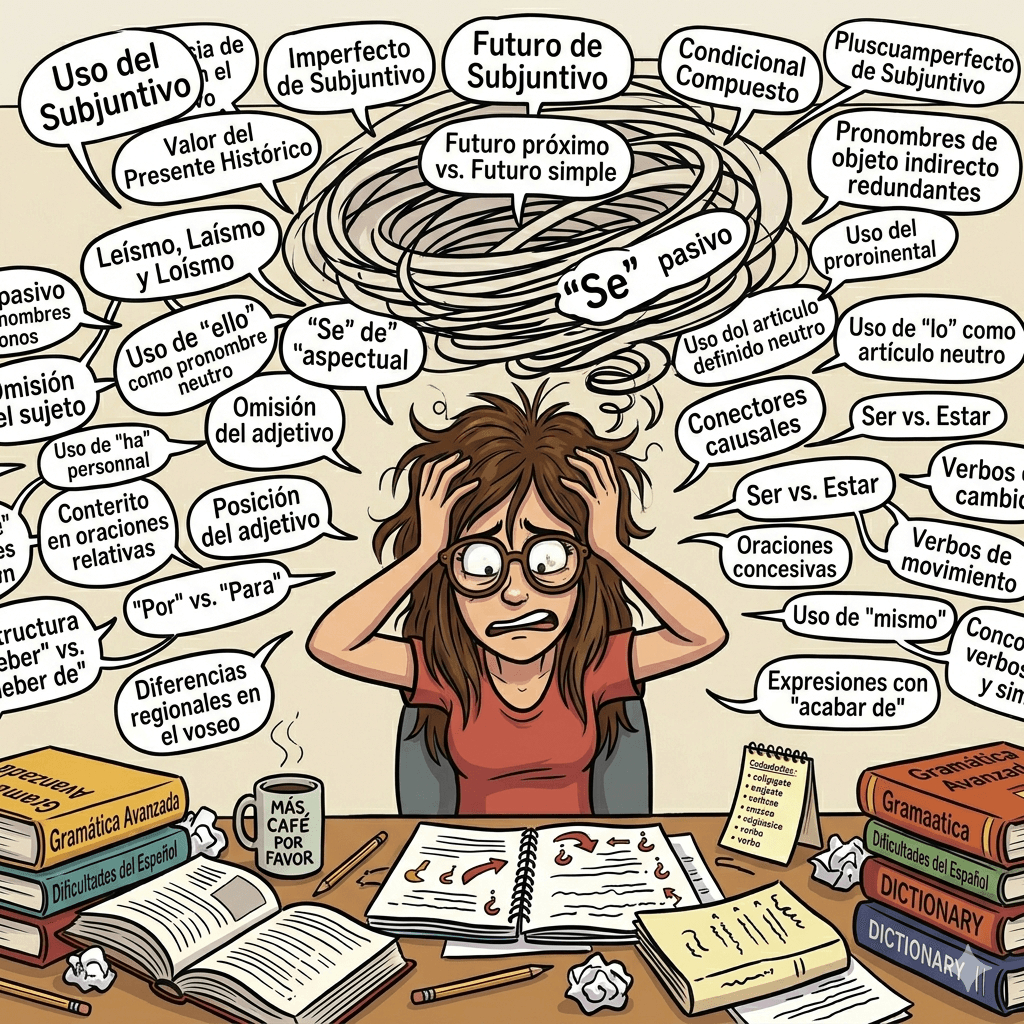
This channel covers tricky concepts like “ser vs estar” and “por vs para” using plain English.
Why it works: Breaking down challenges early prevents frustration while watching immersion-style channels.
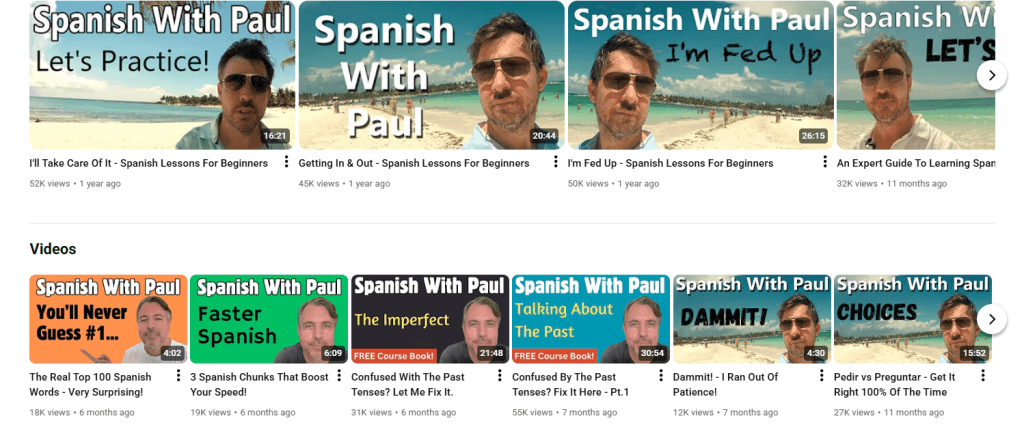
6. Spanish with Paul
Best for: Speaking confidently from day one
The channel focuses on English structure and cognates. This helps you build Spanish sentences quickly.
Why it works: You speak full sentences early on — before your brain overthinks grammar.
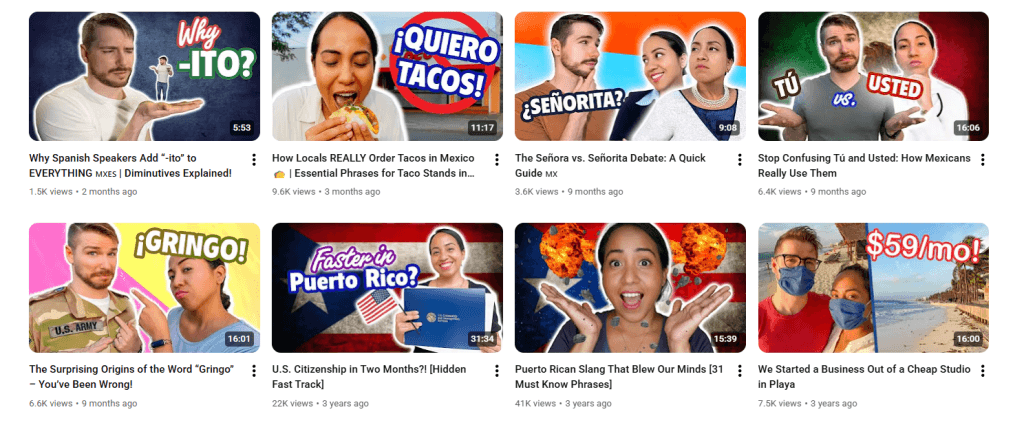
7. Spanish and Go
Best for: Travel and Latin American accents
Videos are filmed in local environments, such as markets and streets. The focus is on practical Spanish and its variations.
Why it works: Exposure to real accents and context improves listening and cultural confidence.
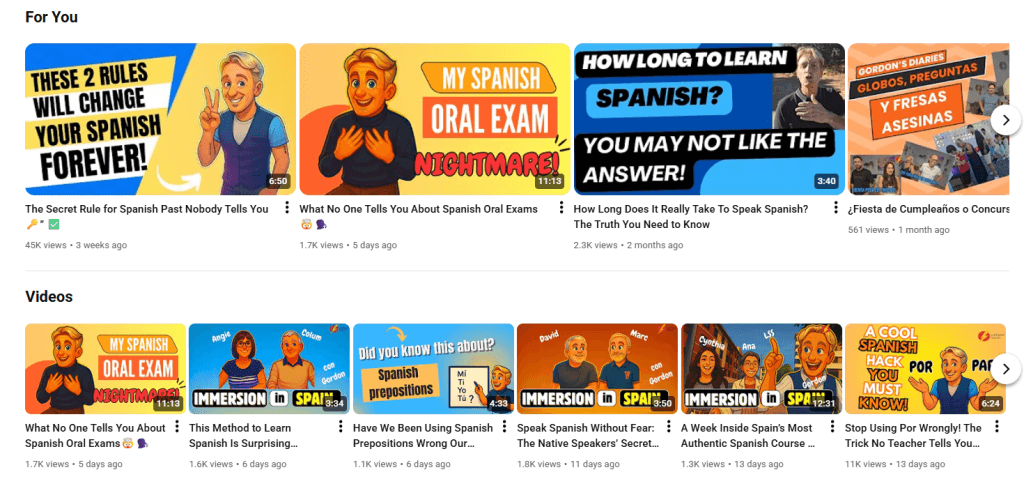
8. LightSpeed Spanish
Best for: Pronunciation + foundation building
Teachers guide basics step-by-step with high-quality audio and visual clarity. Lessons focus on the accent, vocabulary, and grammar of Castilian/Peninsular Spanish (Spain).
Why it works: Structured learning plus encouragement improves retention and reduces anxiety.
YouTube’s Speed Advantage
YouTube learning speeds up progress because:
- Visuals help decode meaning
- Repetition strengthens memory
- Native speech shapes accent early
- Real Spanish shows how people actually talk
Video makes learning intuitive. That’s why consistent Spanish YouTube learners often reach practical conversation faster than textbook-only students.
How YouTube Learning is Changing with AI in 2025?
AI now turns any video into a structured language lesson for beginners. This aligns with the massive projected growth of the AI in education market (to $32.27 billion by 2030), which is driven by the demand for adaptive content.
- Smart Transcripts: Tools like TurboScribe create accurate subtitles and searchable transcripts from YouTube videos.
- Instant Exercises: AI models, such as Jolli.AI, Gemini, or ELSA, convert transcripts into quizzes, comprehension tasks, and vocabulary lists.
- Beginner Advantage: Learners can study real native content with built-in, level-appropriate support, thereby making authentic material accessible from day one.
Combine YouTube With Other Spanish Learning Tools
To achieve fluency, you need more than just passive listening. You need a system that integrates core exposure with active practice.
The Two-Part System for Spanish Fluency
| Component | Role in Your Learning |
| Youtube | Core Exposure: This provides massive, authentic input, exposing you to native speech, culture, and context. |
| Tools | Reinforcement + Speaking Practice: These are your tools for memorizing vocabulary, filling knowledge gaps, and practicing output. |
Recommended Tools for Active Practice:
- Jolii: You can import any Spanish YouTube video to turn it into active learning. During playback, tap on words or phrases to instantly review the meaning. You can also reinforce new vocabulary with quick games.
- Anki: Its AI uses a spaced repetition system to keep new vocabulary and grammar concepts fresh in your long-term memory.
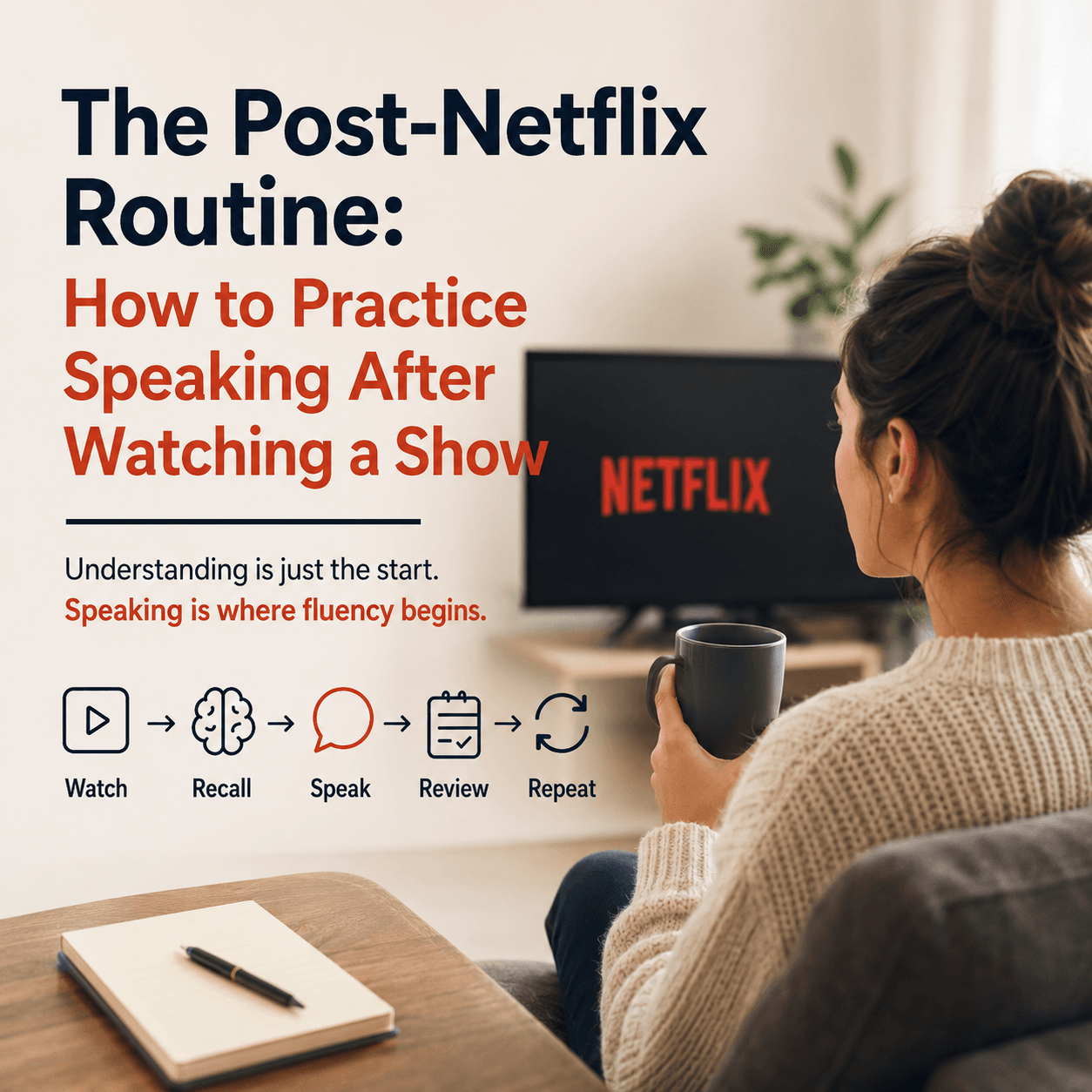
- Netflix: It serves as a source for more listening input with subtitles. There are many great Netflix shows to improve your Spanish.
FAQs
Q. Can I become fluent using YouTube only?
YouTube can take you to B1/B2. For C1/C2, add real conversation practice.
Q. How long does it take to learn Spanish with YouTube?
1 hour per day → conversational in 5–12 months.
Q. Best channel for absolute beginners?
Dreaming Spanish (Superbeginner level).
Q. Do I need paid tools too?
Optional. They provide feedback that speeds up speaking and retention.
Final Word:
Anyone can learn Spanish easily and for free with YouTube.
The channels mentioned can spark your interest, ignite curiosity, and boost your learning with exposure to authentic language and culture.
You can improve by combining video lessons with structured materials and a proper schedule.
Recap:
- Learn Spanish daily for 20–30 minutes
- Pair up video lessons and immersion
- Add speaking practice early
- Reinforce with tools like Anki or Jolii
Steady use of AI tools like Jolii.ai can turn YouTube videos into interactive Spanish lessons with dual subtitles and instant clarification.