Can you really trust AnnenMayKantereit enough to help you learn German? What if you don’t know a single German word? How can AnnenMayKantereit’s song ‘Oft gefragt’ lead you to learn the German language?
This is a big question to ask you when you have to understand that cringy grammar portion of the German language. And don’t forget those long and short vowel sounds that seem daunting to adopt.
But there is a silver lining in the form of ‘Oft gerfragt’, which lets you know how a song helps you learn the German language. The article here will ease out your nerves and let you enjoy learning German with music. You will understand the meaning of the lyrics, and with a complete lyrical analysis, you will have a touch of German grammar by using the Jolii app dedicated to easing out your German language journey.
Why Learn German? Reasons You Should Learn the German Language
Now, this question haunts many aspiring language learners who are struggling to learn the German language.
Let’s make a resonating impact on why you should learn German.
There are a few of the major reasons:
- Learning any language, not just German, puts you at an edge over the ones who don’t understand.
- German is the second most used scientific language; it is because of the fact that German is the 3rd contributor to any research fellowship. To avail of this opportunity, you must learn the German language.
- German tourists are among the high spenders when they are on vacation, and they want to communicate with staff and guides who can understand the German language.
- Admission to universities there in Germany is easier if you know the German language, and you get extra points for it.
After going into the reasons for learning German, now is the time to learn German with Annen’s ‘Oft gefragt’.
Learning German with AnnenMayKantereit’s “Oft gefragt”
Did you know that “Oft Gefragt” by AnnenMayKantereit is one of the most touching songs in the German indie rock scene? The band’s music often reflects on personal experiences and relationships, resonating with audiences. Since its release in 2015, the song has become a fan favorite, not only for its emotional depth but also for the simplicity of its lyrics.
Although German may not be seen as the most musical language, learning it through music brings a unique charm to the experience. So why not immerse yourself in their captivating melodies and enrich your understanding of the German language and culture?
Los geht’s!
Lyrics Analysis – “Oft Gefragt”
What Is the Song About?
The song “Oft gefragt” reflects on the relationship between a father and son. The singer questions how much time they spent together and contemplates the missed opportunities and unspoken words. The title itself, “Oft gefragt“ (Often Asked), reflects these recurring thoughts and questions. This theme of family, longing, and the complexity of fatherhood resonates emotionally, making it a relatable and meaningful song.
Ready to dive into the lyrics? Let’s listen to the song!
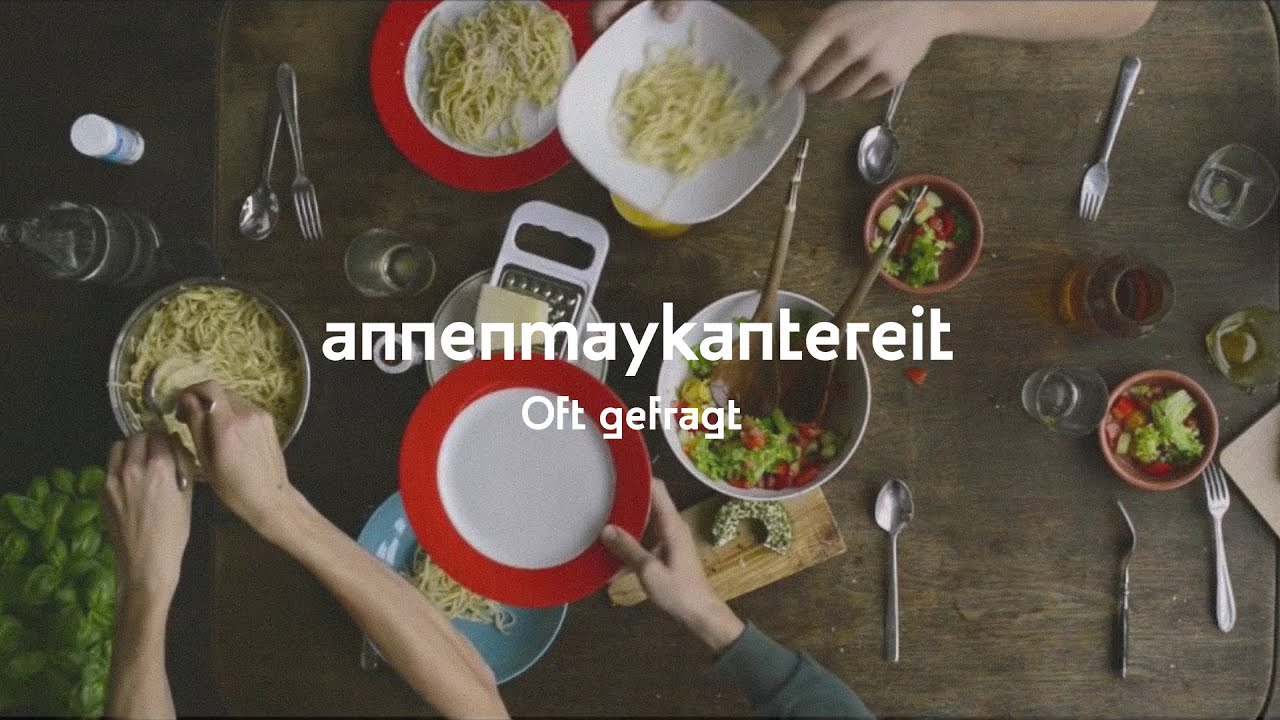
German Langauge Grammar Simplified in Song ‘Oft gefragt’
The Verb Ziehen – A Key Verb in German
The song opens with a repeated use of the verb ziehen , which means “to pull.” This versatile verb serves as the foundation for many common compound verbs, making it essential for learners of German. Even if you don’t catch every word, the song’s emphasis on ziehen allows you to internalize these patterns effectively.
To check out other grammar rules you can help yourself using the Jolii app to understand German way better.
The opening lines of the song are:
“Du hast mich angezogen, ausgezogen, großgezogen.
Und wir sind umgezogen, ich hab dich angelogen.“
(You dressed me, undressed me, raised me. And we moved, I lied to you.)
Right from the start, the song highlights four compound forms of ziehen :
- Anziehen – to put on (clothes)
Example: Ich ziehe meinen Mantel an.
(I’m putting on my coat.) - Ausziehen – to take off (clothes) or to move out
Example: Ich ziehe meine Schuhe aus.
(I’m taking off my shoes.) - Großziehen – to raise (children)
Example: Sie haben ihre Kinder großgezogen.
(They raised their children.) - Umziehen – to move (change residence)
Example: Wir ziehen nächste Woche um.
(We are moving next week.)
These compound verbs are crucial not only in the song but also frequently in everyday German conversations. Each verb is created by combining ziehen with prefixes (like an-, aus-, um-), which can significantly alter its meaning. This characteristic makes learning these verbs both fascinating and a bit challenging at first. However, listening to songs like “Oft gefragt“ can help you become more familiar with these patterns, as the repetition in the lyrics reinforces their connections.
With Jolii, you can explore the lyrics further, access interactive lessons, and practice pronunciation and vocabulary—all while enjoying your favorite music. Why not enhance your language learning experience today?
More Compound Verbs with Ziehen:
Here are a few more examples of compound verbs built from ziehen to illustrate how flexible this verb is:
- Einziehen – to move in
Example: Wir sind gestern in die neue Wohnung eingezogen – We moved into the new apartment yesterday. - Überziehen – to overdraw (as in a bank account) or to pull over (like a coat)
Example: Ich habe mein Konto überzogen – I overdrew my account. - Zurückziehen – to pull back or to withdraw
Example: Er hat seine Bewerbung zurückgezogen – He withdrew his application. - Nachziehen – to follow (as in to catch up or come after)
Example: Ich ziehe nach, sobald ich fertig bin – I’ll catch up once I’m finished.
Word Order and the Meaning of “Oft gefragt”
It’s not until the line:
“Du hast dich oft gefragt, was mich zerreißt”
(You often asked yourself what tears me apart),
that we truly understand the title of the song, “Oft gefragt” (often asked). This line reveals that the father has repeatedly questioned what’s going on in his son’s mind, highlighting the emotional distance between them.
The next line:
“Ich wollte nicht, dass du es weißt”
(I didn’t want you to know),
further emphasizes this emotional conflict, suggesting a desire to keep feelings hidden.
Both lines highlight an important aspect of German grammar related to indirect questions and statements. In the first line, the verb appears at the end of the indirect question. In the second line, the verb is also positioned at the end of the noun clause. This contrasts with English, where the subject typically precedes the verb.
Here are more examples of these structures:
- Direct Question: Was zerreißt dich?
Indirect Question: Du hast mich gefragt, was mich zerreißt.
(You asked me what tears me apart.) - Direct Question: Wann kommst du?
Indirect Question: Er wollte wissen, wann du kommst.
(He wanted to know when you’re coming.) - Direct Question: Warum bist du traurig?
Indirect Question: Sie hat mich gefragt, warum ich traurig bin.
(She asked me why I’m sad.) - Noun Clause: Ich hoffe, dass du es verstehst.
(I hope that you understand.)
By learning this word order structure, you not only deepen your understanding of German grammar but also enhance your ability to follow conversations. This skill is crucial for grasping the nuances of emotional expression in songs and everyday interactions alike.
German Phrases and Daily Expressions In Song ‘Oft Gefragt’
‘Oft Gefragt’ is full of everyday German expressions, making it an excellent tool for language learners. Take the line “Du hast mich abgeholt und hingebracht” (“You picked me up and dropped me off”)—a simple phrase you could easily use in daily conversation, but in the song, it carries a deeper emotional weight. Another powerful line is “Ich hab keine Heimat, ich hab nur dich” (“I have no home, I only have you”), a beautiful expression of love and belonging that is also easy to remember. The repetition throughout the song makes these phrases stick in your mind, so you can naturally start using them in your own speech.
Funny German Word In Song ‘Oft Gefragt’
A funny word in the song that might catch your attention is “großgezogen ,” which means “raised” or “brought up.” The literal translation is “big-pulled,” which can sound amusing when you break it down. German often forms verbs by combining words that can seem overly literal to learners. In this case, the verb “ziehen ” (to pull) is combined with “groß ” (big), creating an image of someone being “pulled up big,” a playful way to think about growing up. This structure is one of the unique quirks of the German language that makes learning compound verbs both fun and memorable.
‘Oft Gefragt’ and Use of German Idioms
One idiom in ‘Oft Gefragt’ is “was mich zerreißt” (“what tears me apart”). This phrase captures the intense emotional conflict the singer is feeling. It’s an example of how German idioms can be very expressive, adding depth and nuance to even the simplest conversation. Learning idioms like this is key to mastering the German language, helping you express emotions in a way that feels authentic and deeply personal.
Use of German Slang In The Song ‘Oft Gefragt’
While ‘Oft Gefragt’ doesn’t rely heavily on slang, the conversational tone in lines like Ich hab dich angelogen” (I lied to you) shows informal speech patterns. The contraction “hab” instead of habe is typical in spoken German, giving the song a more natural, everyday feel. This casual tone is a great introduction to real-world German, which often differs from the more formal structures found in textbooks.
The Benefits of Learning German Through Music
Learning a language doesn’t have to feel like a chore —it can be immersive and fun! Music, like “Oft gefragt,” brings language to life by helping you absorb expressions and recognize key verb patterns without even realizing it. The song’s catchy repetition of compound verbs like ziehen makes picking up essential vocabulary feel effortless.
With Jolii, you can explore the lyrics, unlock interactive lessons, and fine-tune your pronunciation—all while jamming to your favorite songs. Jolii makes language learning intuitive, fun, and—best of all—effective!
More Songs to Learn German
If you’re enjoying learning with “Oft gefragt,“ , here are more songs to help you along your language journey:
- “99 Luftballons “ by Nena – A classic that’s great for vocabulary building and learning about German history.
- “Du Hast “ by Rammstein – Perfect for beginners, this song is slow-paced and clear, helping with basic verb structures.
- “Auf anderen Wegen“ by Andreas Bourani – A beautifully emotional song that helps with understanding German sentence structures.
- “Alles nur geklaut“ by Die Prinzen – A catchy song that’s easy to follow along with, perfect for practicing pronunciation.
What Strategies Can Help You Learn German Language Better
- Learning German with Netflix Online For Free
- Private Tutoring
- Speaking With Natives
- Using Language learning Apps Like Jolii
Conclusion
“Oft gefragt” is not only a moving song about family relationships, but it’s also a valuable resource for German learners. By paying attention to key verbs like ziehen and zerreißen, you can deepen your understanding of the language. Through music, you can make learning German more enjoyable and effective.
And with the Jolii app, you can turn every song into a personalized lesson, making the process even more fun. So why not give it a try and start mastering German with your favorite music today?
FAQs
Q: How does listening to music help with learning German?
A: Music makes it easier to remember vocabulary and phrases through repetition and melody. By listening to German songs, you also pick up on common expressions and improve your pronunciation. With the Jolii app, you can explore interactive lessons that enhance your learning experience.
Q: Can I learn German just by listening to songs?
A: While listening to songs alone won’t make you fluent, it’s an excellent way to reinforce vocabulary, improve listening skills, and immerse yourself in the language. To maximize your learning, try the Jolii app for structured lessons alongside your musical explorations.
Q: What’s the best way to learn German with music?
A: The best approach is to combine listening with active learning—like using the Jolii app, where you can practice vocabulary, grammar, and pronunciation with interactive lessons based on the lyrics.
Q: Why is learning German difficult?
A: The German language seems difficult because of its complex grammar. The use of gendered nouns and the presence of four cases in German grammar, including the nominative, accusative, dative, and genitive, are the two most difficult concepts in learning the German language.
Q: Is learning German hard for an English speaker?
A: The German language is a little bit hard for English speakers because English speakers mix up the pronunciation of German vowels. German grammar is another factor that makes learning German difficult for English speakers. To ease out learning German, you can use the Jolii app because it will help any English speaker make the transition to the German language accessible.
Q: How much time it takes to learn German?
A: It is not possible to give a pet time to learn German because it depends on various factors, including the learning capacity of the learner and the learning opportunities one might have. Normally, a 3-month German Language course is good for getting a kick-start on learning German. You can use Jolii to learn German quickly.
Q: What is the fastest method to learn German?
A: The immersion method is the fastest method for learning German. In this method, the learner stays in close proximity to the German speakers at a place where German is widely spoken and understood. You can even use an all-immersive Jolii app also makes it easier to learn German.