Quick Answer:
To improve your English accent without sounding fake, focus on rhythm and pronunciation rather than copying every sound perfectly. Choose one accent model, listen actively, practice shadowing, and work on stress, pacing, and connected speech. Natural clarity matters more than eliminating your accent completely.
Learning a new language is an admirable goal. But no matter how proud you are of your English speaking skills, you may at times feel embarrassed or self-conscious about your accent. The good news is that with a bit of effort and concentration, you can learn an English accent and speak more like a native.

Choose an English Accent
First things first: there is no one, single “English accent.” There are English speakers from many different countries like the United States, Britain, and Australia. Plus, each of those countries has different regional accents and dialects!
So, it isn’t enough to say you want to learn an English accent. You have to start by choosing which accent you want to emulate and then focus your studying on that specific accent.
Takeaway: Before you start learning an English accent, you have to choose which English accent you would like to learn: American, British, Australian, etc.
Listen to (and Watch) Native Speakers
Once you have chosen a specific English accent to learn, you can start the next most important step in the process of learning an English accent: listening to native speakers. Improving your accent is not just about speaking, it is also (and very much so) about listening.
Think about it this way: when you were learning your first language, you listened to your parents, paying careful attention to how they formed words and mimicking the sounds they made. The same can be done when learning an English accent!
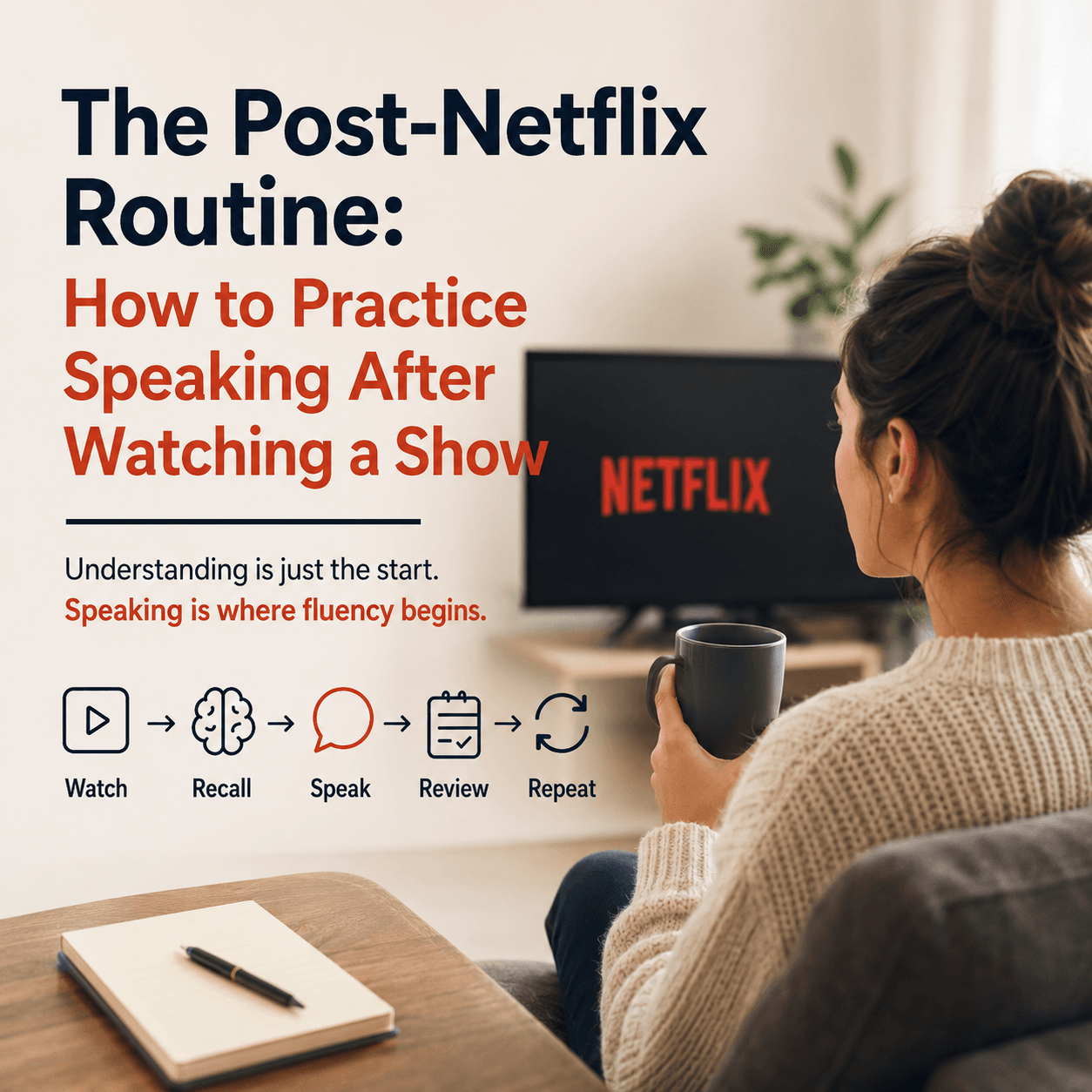
The first best option is to listen to native speakers like friends, family, or a tutor on a regular basis. But if that isn’t possible or you want even more well-rounded practice, you can also watch English-language shows in their original language on streaming sites or apps like Jolii.ai. Focus on listening to the way the speakers form syllables and where they pause or emphasize things. Also watch how they move their mouths and tongue when speaking. This will give you a feel for how to properly form and pronounce those words yourself.
Takeaway: Listen to native speakers and watch how their mouths move when they form words so you can see how words should be pronounced.
Mimic Native Speakers to Learn English Accent
The next step in improving your English accent is to actually try it out. While you are listening to native speakers talk in real life or on your screen, mimic the way they pronounce words. Pay close attention to how their voice changes at the beginning and ends of words and listen for the accents on the syllables – this is something that can vary widely between languages, so it is important to focus on. Try to move your mouth like the native speakers when you practice and see if the sounds that come out match theirs.
Here are some additional tips for sounding more like a native English speaker:
Pronunciation Matters
The most important part of learning an English accent is learning how words are pronounced with that accent. Listen intently to how native speakers say the words and which parts of a word or sentence they put emphasis on. For visual learners, you can also check pronunciation guides in dictionaries.
Focus on Pacing
Accents aren’t only about pronunciation, they are also about pacing and timing. Listen to how native speakers talk and moderate your own speed. Speaking too fast or too slow, or even breaking at different points in a sentence can give you away as a non-native speaker.
Use Contractions
While contractions are casual, they are something that all native speakers use on a daily basis when speaking fluidly. To sound more like a native yourself, use contractions like “can’t,” “don’t,” or “won’t” when applicable.
Use Some Slang
Another way to sound more natural when speaking is to use a bit of slang. I’m not saying that you should walk up to your boss and say “What’s cooking, bro?” (to mean, “how are you?”), but you should be aware of some of the common slang words and phrases used by locals and sprinkle a few of them into your own speech. If you are aiming for an American accent, you can check out this article about US slang words to get started.
Takeaway: To improve your English accent, mimic native speakers, focusing on pacing and pronunciation and using contractions and slang.
Accept That You Will Likely Always Have a Bit of an Accent
The last thing to keep in mind when you want to learn an English accent is that yours may never be perfect. But don’t get discouraged! Everyone who speaks a foreign language retains a bit of their original accent, and they shouldn’t be ashamed of that. As long as you can get by and be understood, your accent is something that makes you unique and will be seen as an interesting trait to the native speakers you talk to.

FAQs
Is it possible to learn an English accent?
It is possible to improve your English accent through practice and listening to native speakers. You will likely always have at least a hint of your original accent, but don’t worry. As long as you can be understood when you speak, your goal has been accomplished!
How long will it take to learn an English accent?
Perfecting (or as close to perfection as one can get) your English accent will take time and dedication. It is a very personal and subjective experience, so there is no set time frame. However, the more you practice, the sooner you will see results.
Final Takeaway
You will likely always have a bit of your native accent (which you should embrace!). But you can learn an English accent by listening carefully to native speakers and practicing with apps like Jolii.ai.