Let’s be honest. If you’re thinking about learning Spanish, this question might have crossed your mind, “How long would it take to learn Spanish?”
You’ve got three language apps on your phone and a YouTube watch history full of “Learn Spanish in 10 Minutes!” videos. But fluency? Still feels impossible.
While every learner is different, actual learners will tell you:
“I learn new things about Spanish constantly, so it’s more of a journey than a destination.”
Here’s what actually matters: not “how long does it take?” but “how much time do you have?” Ten minutes a day? An hour? That changes your whole timeline.
Let’s dig into the real numbers and the strategies worth your time (plus the ones you should skip).
How Long Does It Really Take to Learn Spanish?
Most learners reach basic conversational Spanish in 6–12 months with daily practice, and solid fluency in about 2 years. According to the FSI, English speakers need roughly 600–750 hours of focused study to reach professional working proficiency.
How Long Would It Take to Learn Spanish? Based on Research and Data
The Foreign Service Institute (FSI) provides a clear answer. According to its estimates, English speakers need 30 weeks or close to 600 hours of study to reach “professional working proficiency” in Spanish.
That’s one of the shortest timeframes.
And you know why this is possible? The English and Spanish languages share some vocabulary thanks to their Latin roots.
That explains why Spanish is not so hard to learn.
But what does 600 hours actually look like in your life?
- Casual learner (2-3 hours/week): You’re in this for 2-3 years. No rush, no pressure. Just steady progress; perfect for hobby learners or future travelers.
- Dedicated learner (1 hour a day): Plan on 1-2.5 years to get conversational. This is the sweet spot for most people juggling work and life.
- All-in (3-4 hours/day): You’ll hit conversational ability in 6-10 months. This pace works if you’re relocating to Barcelona or need Spanish for your job soon.
Pro tip: Those first 100 hours feel clunky. You’re fumbling through “¿Dónde está el baño?” But somewhere around month 4 or 5? Something clicks. Suddenly, you’re not translating in your head anymore. You’re just speaking. That’s when it gets fun.
5 Factors That Speed Up (or Slow Down) Your Spanish Learning Progress

Some people surge forward while others feel stuck. Here’s why:
Your Native Language Matters More Than You Think
English speakers have a massive head start with Spanish.
Words like “information” (información), “restaurant” (restaurante), and “important” (importante) are practically free vocabulary.
Prior Language Learning Experience is Your Secret Weapon
Have you learnt Italian before? You are a step ahead.
Your brain already knows the process. As you learn Spanish, you’re activating neural pathways you’ve built before.
Quality Beats Quantity
Yes, you have your favorite Spanish YouTubers. But passively listening won’t get you to fluency.
You need active conversation to progress much faster. This is where AI conversational apps come to play. Combine your tools and get the best results.
Consistency is a Must-Have
Thirty minutes every day before you sleep beats 3.5 hours every Sunday.
Your brain consolidates language learning during sleep. So that daily exposure gives you seven consolidation cycles per week instead of one.
Immersion = Progress
Want to travel to Madrid in the next few months? You can speed up your language lessons by immersing yourself.
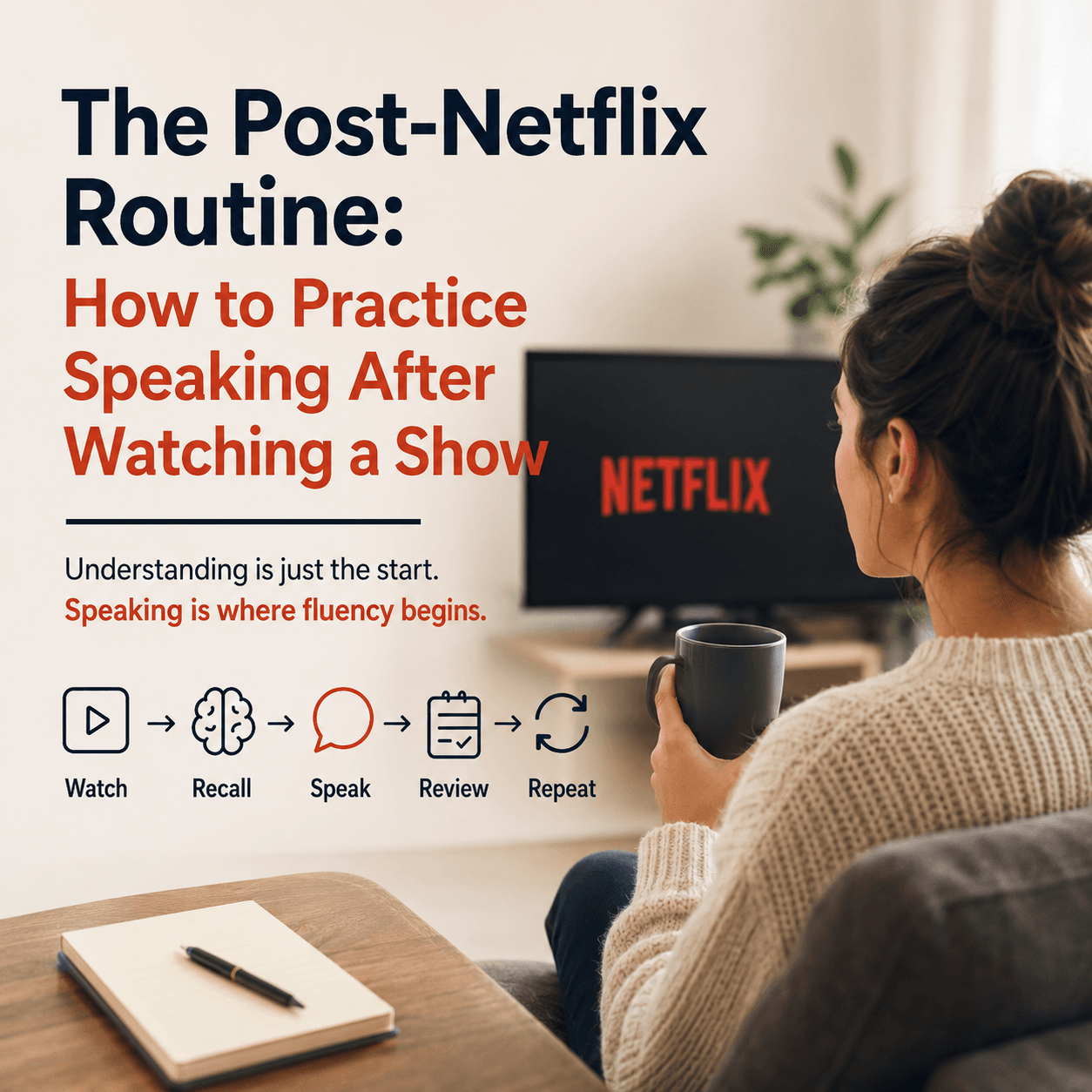
Watch your favorite Spanish shows on Netflix or text your language partners for that “extra credit.” That’s how to pick up slang and more vocabulary.
Pro insight: The learners who progress fastest aren’t using one method. Stack up the three: structured learning via Spanish apps and classes, immersive content, and real conversations.
What a 6-Month, 1-Year, and 2-Year Spanish Journey Really Looks Like
Here’s a realistic timeline to help you set expectations and pace your learning:
| Timeline | What to Expect | Learning Focus |
| Month 1-3 | Basic phrases, simple conversations | High-frequency words, pronunciation |
| Month 3-6 | Everyday chats, improved listening | Past tense, shadowing practice |
| 6 Months – 1 Year | Comfortable small talk | Grammar patterns, conversation practice |
| 1-2 years | Strong fluency, minimal subtitles | Advanced vocabulary, complex conversations |
Pro tip: And if you’re looking to become professionally fluent, you can follow the Common European Framework of Reference (CEFR) guide that categorizes learners from A1 (beginners) to C2 (mastery).
Final Takeaway
So, how long would it take to learn Spanish? With dedicated daily practice, you’ll be having real conversations within 6-12 months and reach solid fluency within 2 years.
But here’s what matters more than timelines. Spanish is one of the most rewarding investments you’ll make.
Every hour you invest opens doors to 500 million Spanish speakers, to new career opportunities, to understanding music and movies, to deeper travel experiences.
Commit a few minutes every day to achieve progress.
And if you need support during your daily sessions, you can use language apps like Jolii.ai. You can easily integrate the app into your YouTube shows and Netflix to build your Spanish skills from day one.
FAQs
Can I learn Spanish in 3 months?
Basic conversational skills? Possibly with intensive daily study. Fluency? Not quite. Three months of dedicated practice gets you comfortable with introductions, ordering food, basic questions, and simple conversations. This is a solid foundation to build on, especially if you’re preparing for a trip.
Is 30 minutes a day enough to learn Spanish?
Yes, but progress will be slower. The upside? Consistency matters more than duration. Daily 30-minute sessions beat sporadic 3-hour weekend marathons because your brain consolidates learning with time.
What’s the hardest part of learning Spanish for English speakers?
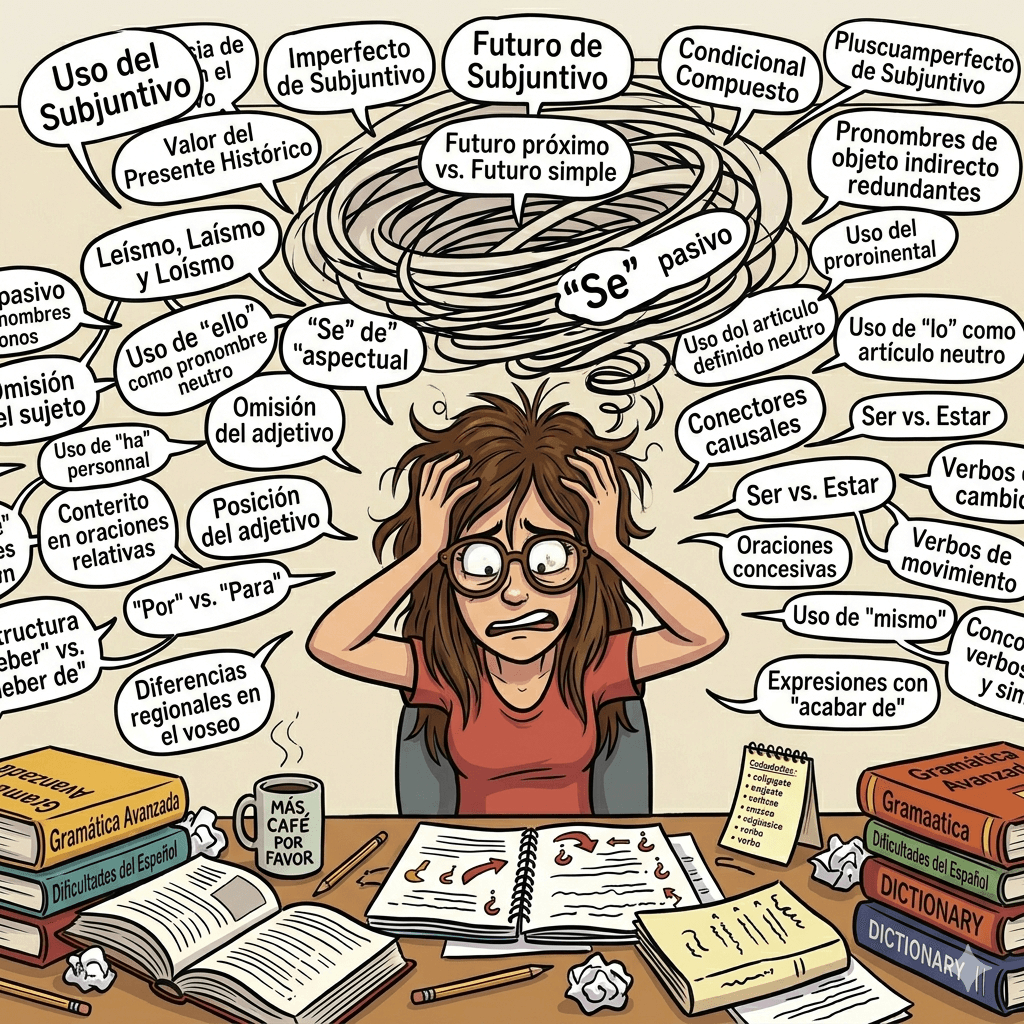
Two things. Verb conjugations and gendered nouns. Spanish has 14 major verb tenses while English has 12. Everything is either masculine or feminine in Spanish. The good news? Spanish pronunciation is straightforward. You read it exactly as it’s written, and immersion improves your grammar.