Mandarin can prove to be one of the most difficult languages to learn for many students. The sheer volume of material can be overwhelming. Motivation wanes when practice feels like work.
Fortunately, music solves the problem. Chinese songs train your ear for tones. They repeat high-value phrases. They use real Mandarin that you actually remember.
A study of 6,700 learners shows that music improves pronunciation, fluency, and motivation. It also reduces the anxiety that slows speaking.
Singing improves Mandarin learning. Tones become easier to hear, copy, and memorize. Singing locks tone patterns into long-term memory faster than drills.
This guide shows how Chinese songs accelerate learning and gives you 25 curated tracks plus a simple method to use them daily.
Why Learn Mandarin Through Chinese Songs?
Chinese is a tonal language. Tone mistakes change meanings. Songs give you natural tone patterns you can recall quickly. Rhythm helps you retain vocabulary.
Music and language share brain networks. Shadowing songs improves pronunciation and sentence rhythm. Daily song practice can look like this:
- 10–20 minutes for beginners.
- 30–60 minutes for steady improvement.
- Focus on one song per week for deeper learning.
How to Use Chinese Songs for Learning?
Just use the following simple sequence.
- Listen once without lyrics. Let your brain vibe before you work.
- Then add pinyin + characters. Start linking sounds → print.
- Shadow the chorus. Tone training without thinking about it.
- Use lyric tools: Pleco, Migaku, LingQ, Du Chinese.
- Break songs into micro-chunks. No hero points for attempting the entire track at once.
- Use slowdown tools: Music Speed Changer, Audacity, and Language Reactor.
25 Best Chinese Songs to Learn Mandarin Fast
Here are 25 carefully selected tracks that help you learn Mandarin faster!
Beginner-Friendly Chinese Songs
These Chinese songs are slow, clear, and ideal for tone training.
1. The Moon Represents My Heart – Teresa Teng (月亮代表我的心)
Very slow and clear. Repetitive emotional phrases and clean tones.

2. Love Confession – Jay Chou (告白气球)
Modern vocab, simple chorus, easy mid-tempo tone practice.

3. Childhood – Lo Ta-yu (童年)
School-life phrases and daily routine vocabulary.

4. Little Apple – Chopstick Brothers (小苹果)
Extremely repetitive. Great for basic verbs and nouns.

5. The Ordinary Road – Pu Shu (平凡之路)
Reflective but easy. Clear sentences and accessible phrasing.
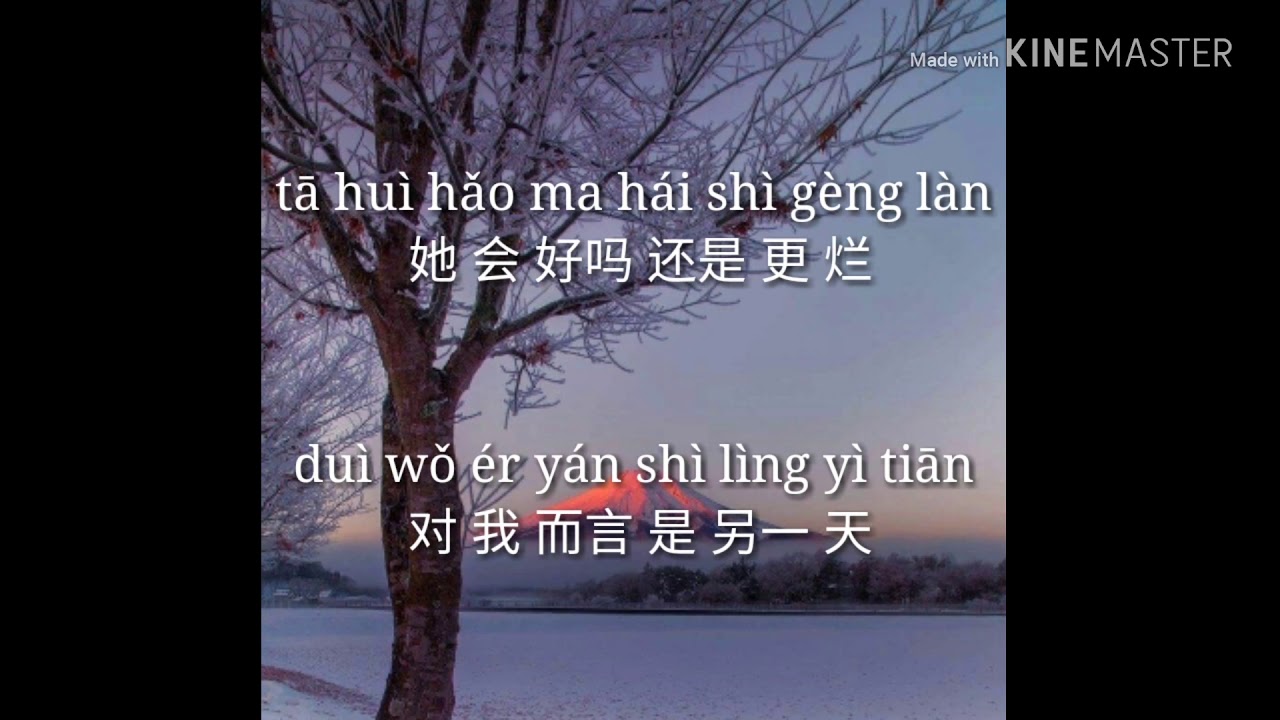
6. Fairy Tale – Michael Wong (童话)
Slow, emotional, highly clear pronunciation.
7. Take Me to Your Heart / 吻别 – Jacky Cheung (吻别)
Straightforward emotional vocabulary: tears, goodbye, embrace.
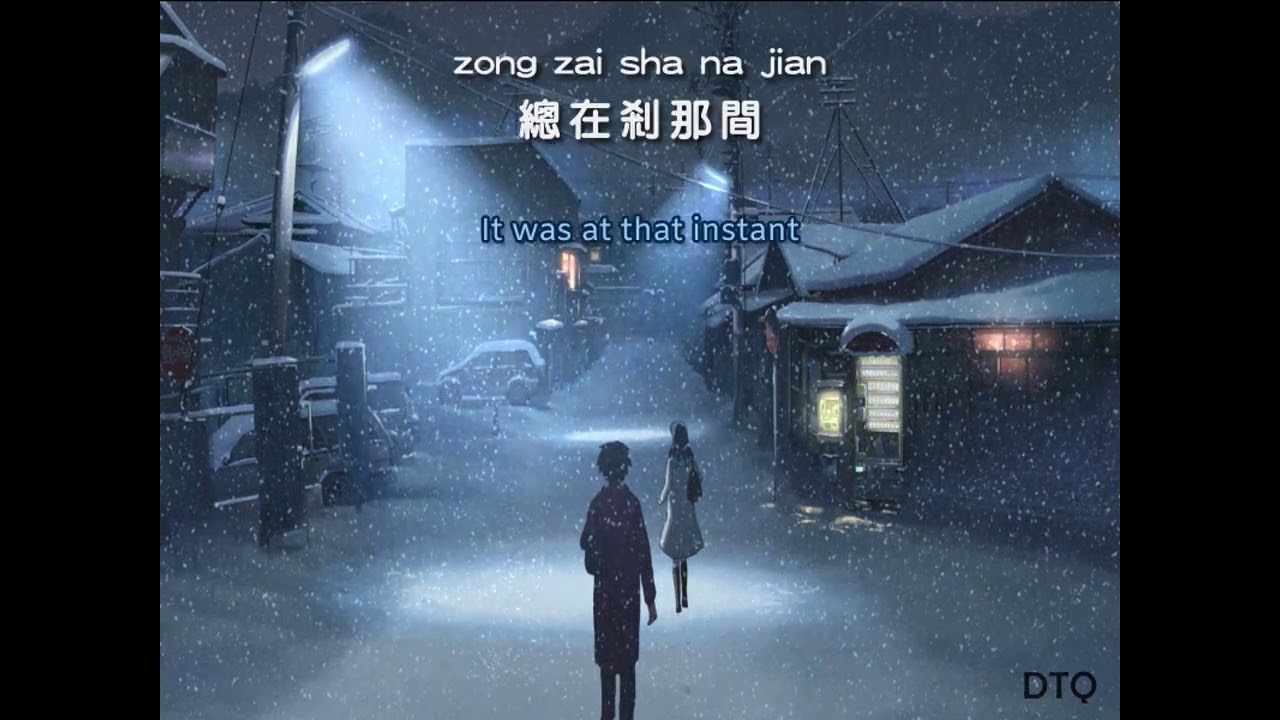
8. Old Boy – Xu Wei (老男孩)
Simple storytelling with youth and memory vocabulary.

Intermediate Chinese Songs
These tracks add narrative structure and richer emotional language.
9. Quiet – Jay Chou (安静)
Conversational breakup language. Clear delivery.

10. Green Light – Stefanie Sun (绿光)
Descriptive metaphors and everyday imagery.

11. Those Years – Hu Xia (那些年)
School nostalgia with clear narrative sequencing.

12. Suddenly Missing You – Mayday (突然好想你)
Strong “突然 + verb” patterns for expressing sudden emotion.

13. Actor – Joker Xue (演员)
Metaphors, sarcasm, and idioms in modern Mandarin.

14. Rainbow – Jay Chou (彩虹)
Conditional grammar and nature vocabulary.

15. Listen to Mom – Jay Chou (听妈妈的话)
Family, discipline, and imperative structures.

Advanced Chinese Songs
These Chinese songs push listening speed, slang, and metaphor.
16. Lover from the Past – Faye Wong
Poetic language and classical imagery.

17. Stranger in the North – Namewee ft. Leehom Wang (漂向北方)
Urban slang and migrant-life vocabulary.

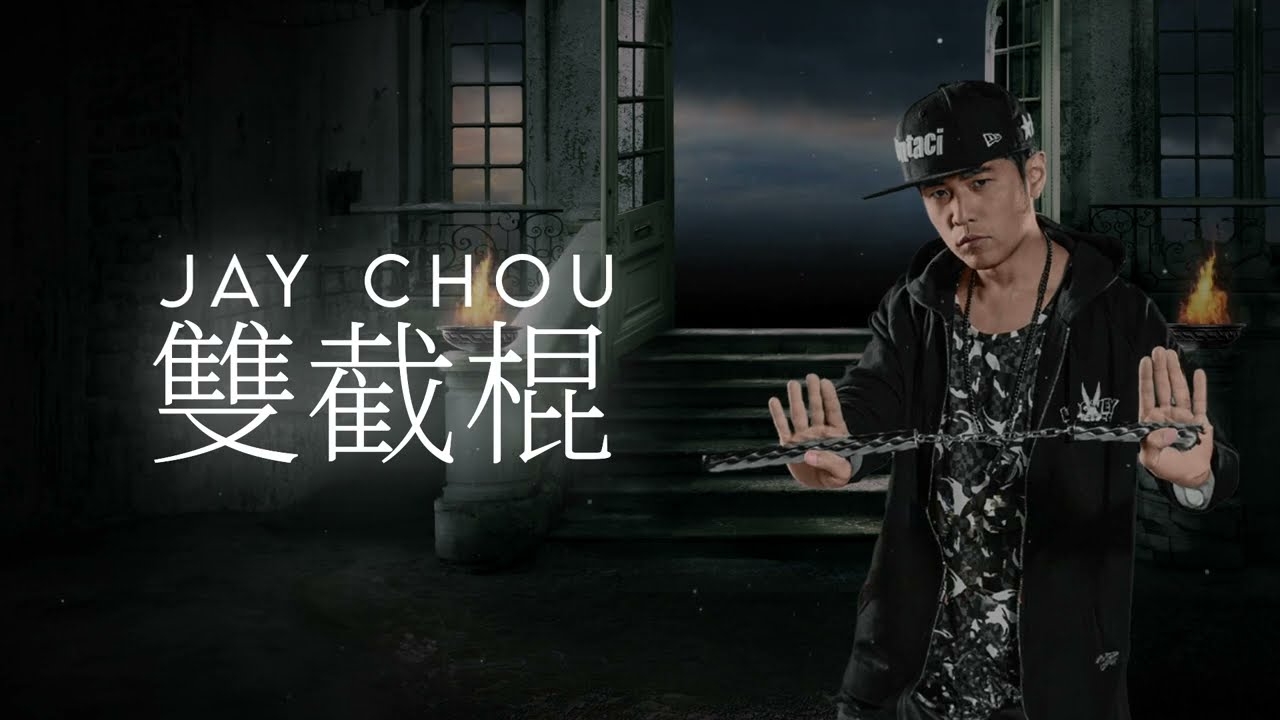
18. Nunchucks – Jay Chou (双截棍)
Fast rap with martial arts terminology.
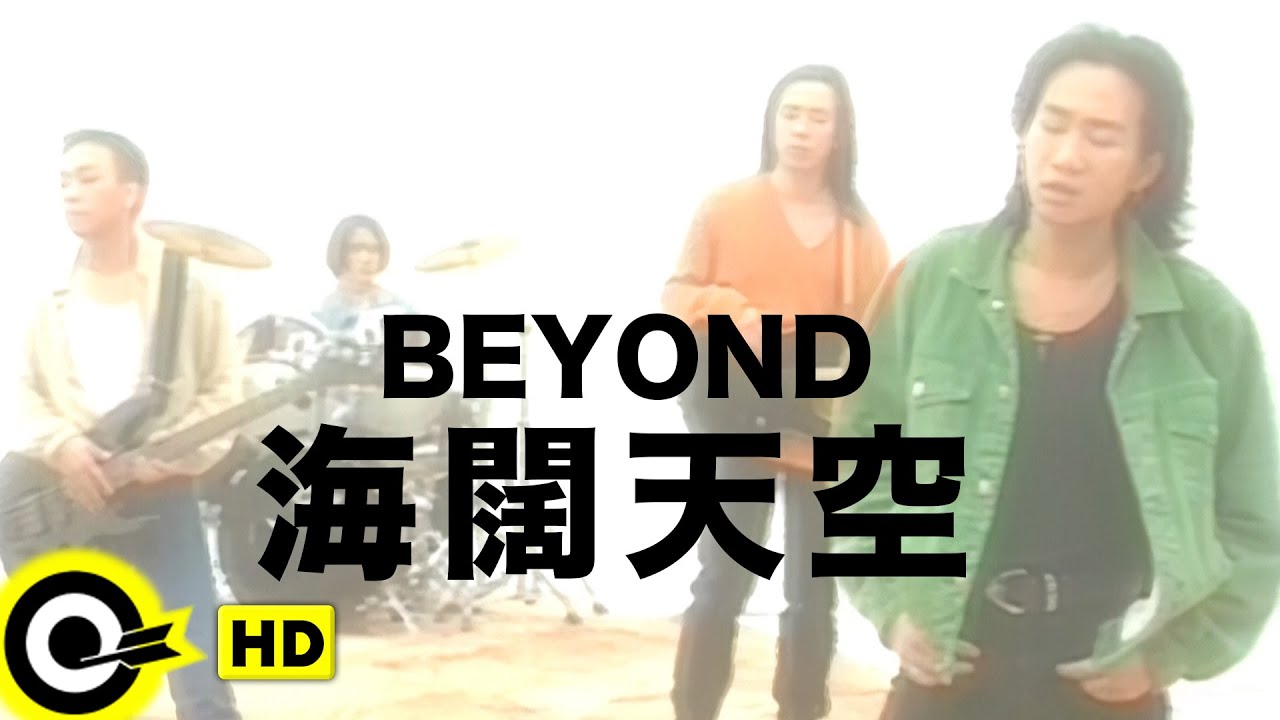
19. Boundless Oceans, Vast Skies by Beyond
A classic rock anthem about perseverance and freedom.
20. I Believe – Van Fan (我相信)
Clear motivational vocabulary and repetition.

21. Drunken Butterfly – Hua Chenyu (酒醉的蝴蝶)
Mix of literary and colloquial phrasing.

22. If You Also Think of Me – A-Lin (如果你也想起我)
Conditional structures and rhetorical questions.

23. Falling Leaves Return to Their Roots – Jacky Cheung (落叶归根)
Chengyu mastery and the symbolic nature of language.
24. Courage – Fish Leong (勇气)
Social-pressure vocabulary and emotional tone.

25. Let It Go (Mandarin Version) – Yao Beina (随它吧)
Poetic imagery and faster descriptive phrasing.

How to Make the Focus on depth, not breadth.
Ready to go deep? Learn how concentrating your effort on what matters most leads to real expertise.
- Add 3–5 of these songs to a daily playlist.
- Shadow choruses for tone and rhythm.
- Build flashcards from full lyric lines, not isolated words.
- Use SRS tools like Migaku to review phrases with audio.
- Write down new idioms, slang, and emotional phrases in a notebook or digital doc.
What’s New in 2025?
Music-based language learning is getting mainstream!
- 2025 studies show music-based learners experienced improved pronunciation and tone accuracy in a very short time.
- Rhythm-supported learning now links directly to better grammar processing in new neurocognitive research.
- Music exposure is associated with higher retention rates and stronger motivation across long-term learners.
FAQs
Q. Do beginners need to know characters first?
No. Pinyin + repeated listening bridges the gap until you reach the 500–1000 character range.
Q. How many songs should I study at once?
One deeply → then scale to two or three for rotation.
Q. Is Jay Chou actually good for learners?
Yes, but start with ballads. Save the rap tracks for your “I’m unstoppable now” arc.
Q. Do lyric videos help?
Yes. Music videos add visual context, mouth shapes, and cultural cues.
Final Thoughts:
Chinese songs make tone practice and vocabulary feel routine rather than tiring.
Use the 25 tracks as your core playlist. Loop them daily. Shadow the simple ones. And break down the harder ones.
Or, if you want the AI edge, Jolli.ai is here to help. Use it to shadow tones, correct pronunciation in real-time, and practice lyrics regularly. With Jolii, you can learn from Chinese dramas, Chinese songs, and much more!