First published: December 2025. Last updated: June 2026
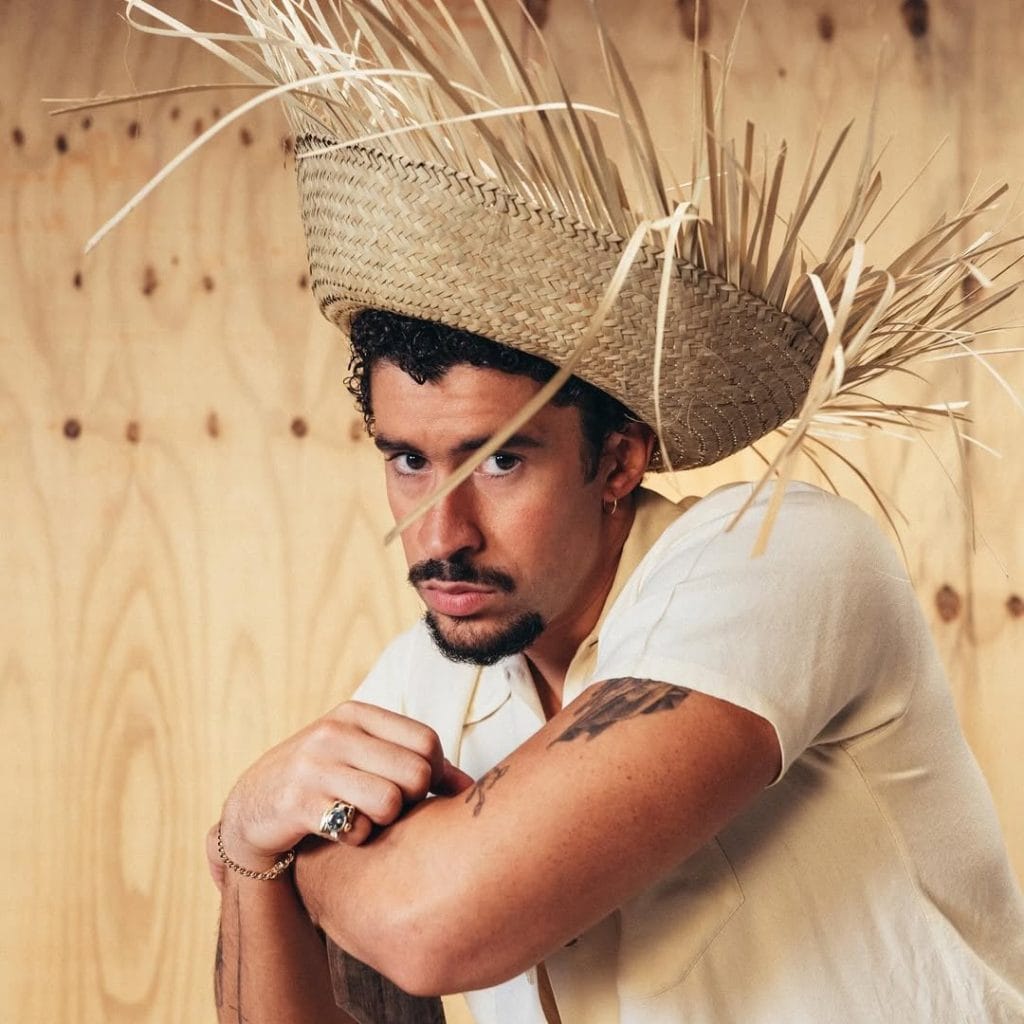
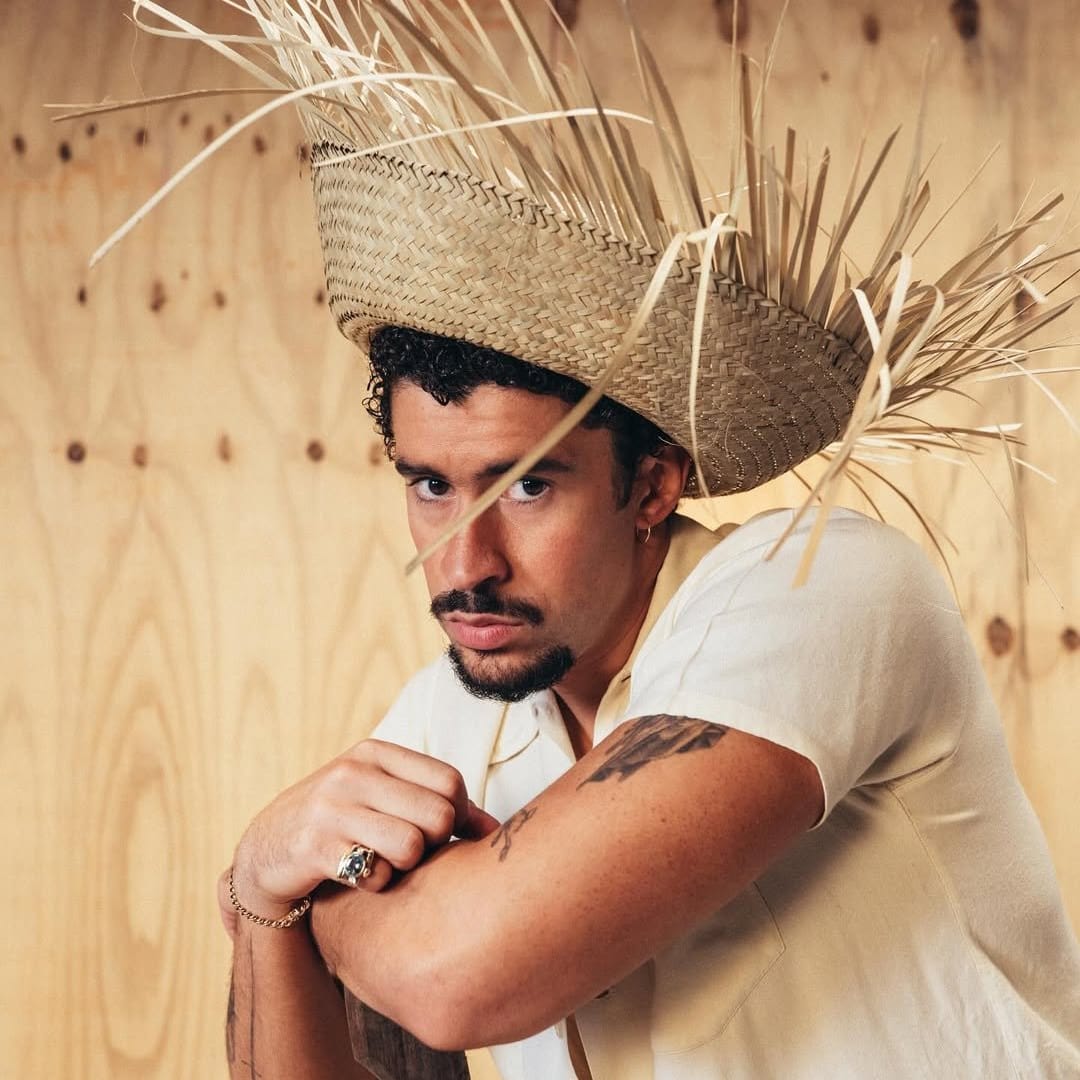
If you’re looking for a soft, heartfelt way to get your Spanish on point, learning Spanish with Bad Bunny by diving into his thoughtful song “DTMF” nails down the vibe. This track mixes up some nostalgia, bits of real Puerto Rican living, and regret over the moments that seemed to rush by. It also gives Spanish learners clear sentence patterns, friendly slang, and cultural hints that come easily instead of feeling heavy. Up next, you’ll check out the lines that really hit hardest, along with their English versions, and get to the heart of what Bad Bunny’s words mean—both culturally and emotionally.
For more Latin American music analysis using the same method, the Calle 13 Latinoamérica breakdown covers political Spanish vocabulary, and the Bomba Estéreo Soy Yo analysis focuses on identity and Colombian Spanish.
Why is It Beneficial to Learn Spanish Through Music?
Music, packed with emotion and culture, ends up tying the language and the learner together in a way that feels much more natural and sticks better. You know what? Studies pretty much show that picking up Spanish through music totally helps. Research in language acquisition consistently supports the use of music as a learning tool — not just for motivation but for phonological awareness, the ability to perceive and distinguish the sounds of a language. Songs reinforce rhythm, intonation, and natural sound patterns in ways that isolated vocabulary study doesn’t replicate. Plus, they are an engaging and fun way to learn!
Decoding “DTMF”: Learn Spanish Through Key Verses
A little background on “DTMF”: Bad Bunny nails his most thoughtful mood in the song, hitting pause on everything to really soak up those tiny moments we tend to miss. He gazes at San Juan, mixing a sense of pride with nostalgia, and mentions that life speeds along while memories slip away if we don’t actually take time to enjoy them.
Watch the video before reading the analysis — the visual storytelling of San Juan sunsets and family scenes adds a layer of meaning that makes the language and cultural notes land differently.
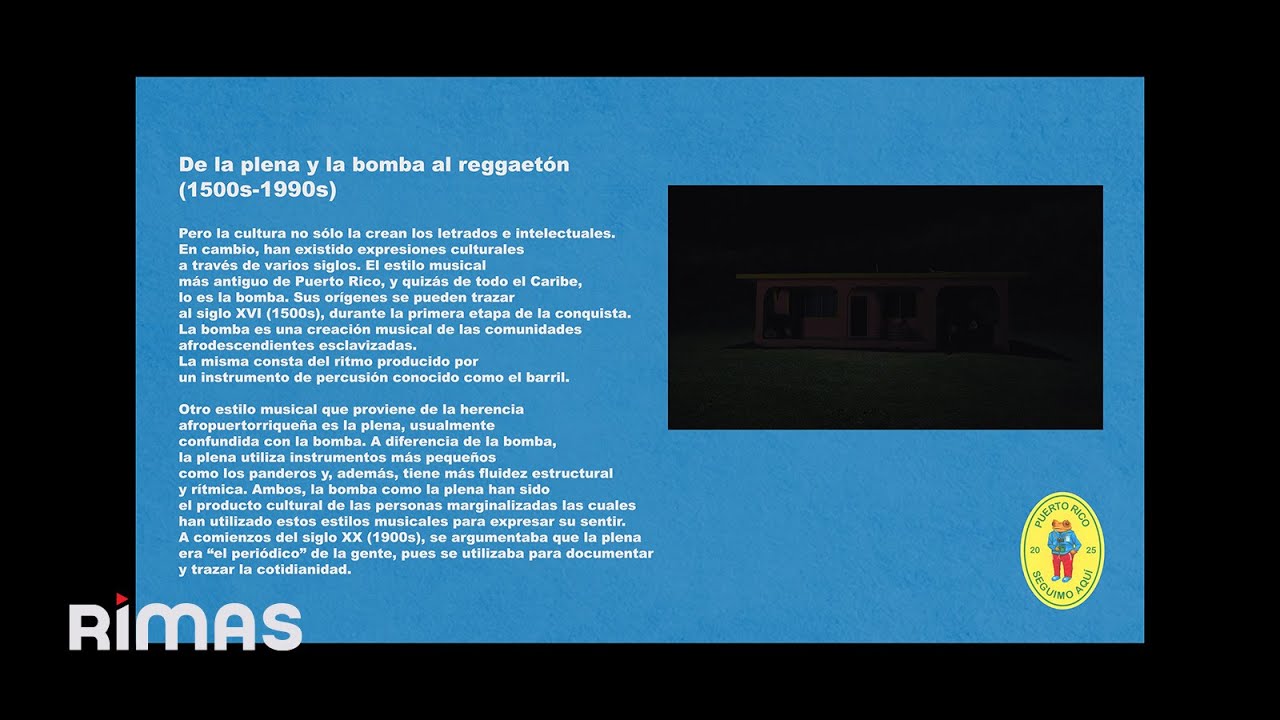
Verse 1 — Learn Spanish with Bad Bunny Through Everyday Nostalgia
The first verse opens with Bad Bunny watching a sunset over San Juan, describing the pleasure of appreciating things that those who leave the island can no longer enjoy. The final lines circle back to a specific moment of eye contact — a last time he looked at someone before they were gone.
The key line: “Disfrutando de todas esas cosas que extrañan los que se van“ — enjoying all those things missed by the ones who leave.
Language notes: Disfrutando de uses the gerund to describe an ongoing action — one of the most natural constructions for talking about what you are currently experiencing. Extrañan los que se van demonstrates natural Spanish word order: the subject (los que se van — the ones who leave) follows the verb (extrañan — miss), which is the reverse of typical English order.
Cultural note: The verse captures a feeling common among Puerto Ricans who stay on the island — an awareness of what those who emigrate lose access to, mixed with the knowledge that economic and personal pressures often make leaving unavoidable.
Chorus — Learn Spanish with Bad Bunny and Explore Regret
The chorus is built around one of Spanish’s most useful structures for expressing regret.
The key line: “Debí tirar más fotos de cuando te tuve“ — I should have taken more photos when I had you.
Language notes: Debí + infinitive expresses regret about a past action — something you should have done but didn’t. It’s the everyday equivalent of “I should have…” and appears constantly in natural Spanish conversation. Ojalá que los míos nunca se muden uses the subjunctive after ojalá — one of the clearest and most memorable demonstrations of why the subjunctive exists. Los míos (my people, my loved ones) is distinctly Caribbean Spanish — you won’t find it in a standard textbook but you’ll hear it constantly in Puerto Rican and Dominican Spanish.
Cultural note: The chorus speaks to the Puerto Rican diaspora experience — many families are split between the island and the mainland, and the fear of people moving away is not abstract but lived.

Verse 2 — Learn Spanish with Bad Bunny Through Family Moments
The second verse pulls back from romantic regret to family — a day with his grandfather playing dominoes, an afternoon in Santurce.
The key line: “Hoy voy a estar con abuelo to’l día, jugando dominó“ — today I’m going to spend the whole day with Grandpa, playing dominoes.
Language notes: To’l día is a Caribbean contraction of todo el día — you’ll hear this constantly in Puerto Rican and Dominican Spanish, and recognising it is essential for understanding natural speech. Voy pa’ Santurce uses pa’ for para, another Caribbean feature that appears in informal speech across the Caribbean. Voy a + infinitive — the construction used throughout — is the most common way to express immediate future plans in spoken Spanish.
Cultural note: Dominoes are not just a game in Puerto Rico — they are a generational ritual, particularly among older men. The grandfather scene is a return to emotional safety and cultural grounding after the romantic loss described in the chorus. Santurce is a historically significant neighbourhood in San Juan, known for its art, food, and nightlife — naming it specifically rather than just “San Juan” signals belonging and local identity.
FAQs
Is “DTMF” hard for beginners?
Not really. The vocabulary is clear, and the emotional tone makes the lyrics easier to follow.
Is learning Spanish with artists like Bad Bunny effective?
Yes. His songs often use conversational phrases, slang, and simple structures that reflect real life.
What dialect does Bad Bunny use?
Mostly Puerto Rican Spanish, known for its relaxed pronunciation and warm expressions.
If you want to continue learning Spanish through authentic content beyond music, the Spanish TV show analyses on this site apply the same method to dramatic dialogue — slang, grammar, and cultural context from real scenes.
Jolii lets you practice the vocabulary and grammar structures from this analysis in context — AI speaking practice built around Spanish content you’re already engaged with, so the language moves from recognition into something you can actually produce in conversation.