If you’re anything like me in my Italian A1 beginner days, you’ll be sorting through piles of grammar books, apps, and YouTube videos, trying to figure out the really, truly, 100% best way to learn Italian. But, jumping between too many tools will only leave you feeling stuck.

Image via Stockvault
The good news? You don’t need dozens of apps or endless study sessions. You need a simple framework that fits your goals, your schedule, and the way you naturally learn.
Plus, you have the added benefit of AI (something that wasn’t around when I first started out). AI-powered tools are constantly improving, aiming to make the learning experience more immersive and efficient.
So, whether you’re starting from zero with limited time or investing in long-term fluency, consistency is key, and here’s how to achieve it (and maintain it).
Quick Answer: What’s the Best Way to Learn Italian?
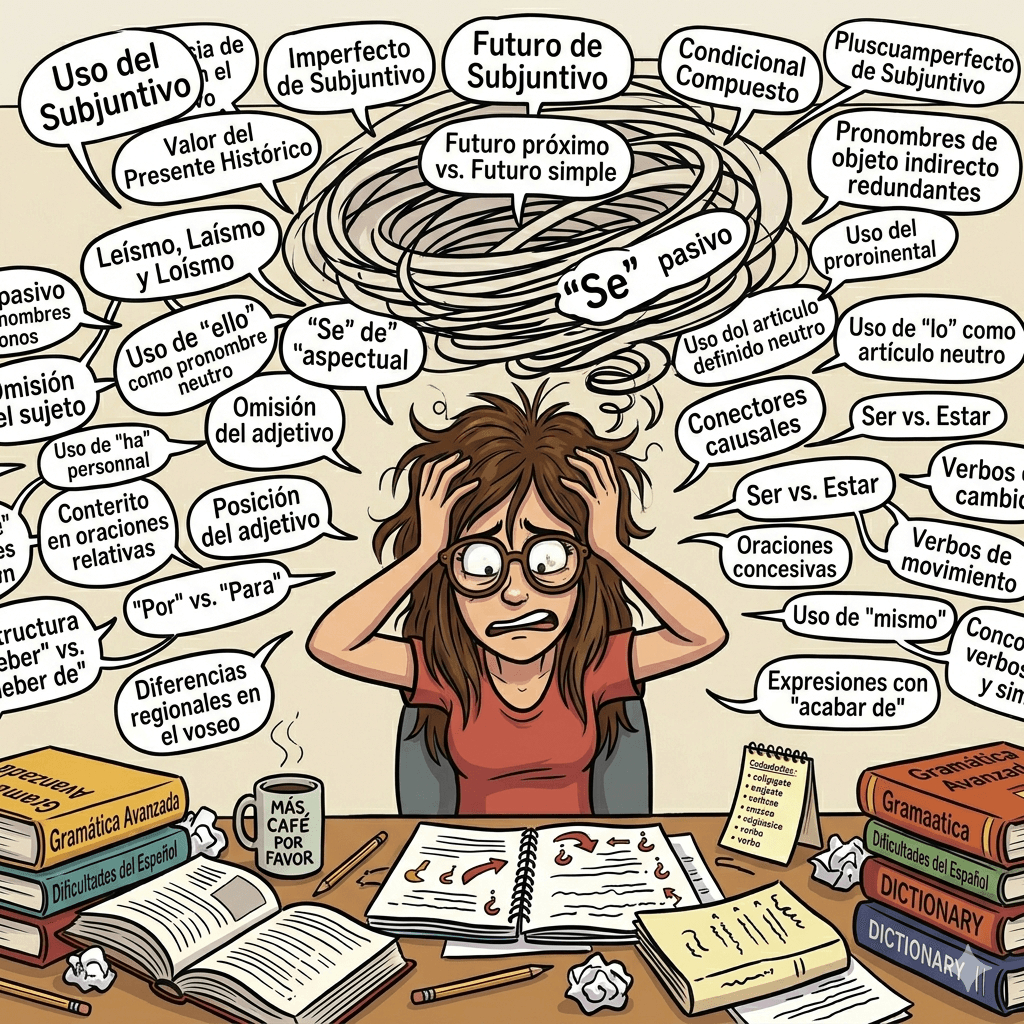
Learners often quit because grammar rules become confusing or speaking feels too scary. You don’t know what to practice next and the materials you use feel disconnected from real Italian.
Based on analyzing real-learner behavior, linguistic research suggests that the most effective way to learn a language combines three core elements:
- Immersive input (listening + reading at your level) to quickly build vocabulary and comprehension.
- Low-pressure speaking practice to help you activate what you’ve learned without fear.
- Consistency over intensity – even 20 minutes per day beats one long weekly study session.
If you have:
20 minutes per day: include short listening practice and review 10–12 new words
40 minutes per day: add reading practice or a beginner podcast
90 minutes per day: combine structured learning (an online or offline course) with free-form input (real content) and a speaking session
This approach makes it easy to build a learning system that works for you because it adapts to your goals, skill level, and preferred style.
Three Core Elements Explained: How to Learn Italian Efficiently
1. Input First: Build Vocabulary & Comprehension Through Immersive Exposure
Italian is easier to learn when you absorb it the way you absorbed your first language – through meaningful listening and reading. This is known as comprehensible input, and it’s the fastest path to understanding and remembering new vocabulary.

Image via Gemini
Movies, music, TV shows, and podcasts give you exposure to natural Italian exactly as it’s used. Instead of memorizing isolated words, you absorb meaning through context.
Start with content you can follow:
- Beginner podcasts with transcripts
- Short stories written for learners
- YouTube channels with slow, clear Italian
- Lyric videos (Måneskin, per favore)
Input gives you the “feel” of Italian, its rhythm, structure, and common expressions.
When you learn through real media, your brain adopts patterns naturally, and you can use AI to get personalized practice. A study published in the International Journal of Linguistics, Literature & Translation in 2025 showed that using AI tools like chatbots and AI-driven quizzes significantly improved vocabulary among intermediate English learners.
Italian language learning apps use AI to provide personalized feedback, and recent research confirms how effective these tools can be in building vocabulary.
2. Output Second: Activate Your Italian through Low-Pressure Speaking
Many of us freeze when trying to speak Italian (especially with native speakers) because we assume that we “don’t know enough yet.” But you only need a few hundred words to start simple conversations.
You can try practicing 5-minute monologues about your day. Short, but frequent speaking sessions, even with an AI partner, can help you build confidence. For example, if you use an AI chatbot, you can record your voice, get pronunciation feedback, and practice real dialogues.
AI seems to be particularly helpful when it comes to practicing pronunciation. A 2025 study by Cornell University shows that by using an AI app that gives feedback on pronunciation, participants were able to produce target sounds more accurately (in this study, English vowels).
This implies that AI can be effective in improving subtle pronunciation skills, something that is typically hard to achieve without a human tutor.
Remember, the goal is not perfection – it’s activation. Low-pressure speaking reduces the fear of making mistakes. An AI speaking partner can help create a safer environment for learners, where you feel free to experiment, without fear of being judged.
3. Consistency Beats Intensity Every Time
Learning Italian is all about frequency. A consistent routine creates memory reinforcement and makes Italian part of your daily life. We’re not talking hours here, just minutes. Only 10 – 20 minutes of listening or reading Italian books at a time creates neurological “hooks” that grow over weeks.

Image by StartupStockPhotos from Pixabay
For instance, you can try to incorporate a 15-minute evening reading or a Sunday weekly review to help you maintain consistency. Daily routines, streaks, reminders, and personalized suggestions can create fluency through momentum. This is where AI steps in again to help you keep that momentum.
Immersive apps offer AI habit tools that track streaks and send review reminders. They might also suggest videos that match your interests, which plays a role not only in maintaining consistency, but motivation as well.
A 2024 study by Cambridge University found that watching videos with dual subtitles (native lg + foreign lg) expands your vocabulary. Repeated viewing makes it easier to remember words, but it also boosts learner engagement and motivation. When you enjoy the content, you are more likely to rewatch it and revise what you’ve learned.
Grammar Without Context Won’t Help
I feel your frustration when you’re forced to drill grammar rules before you’ve seen real examples. At the beginning, use grammar only to clarify patterns you’ve already noticed, and apply the rules through mini-practice or speaking.
In my experience, grammar sticks best when it’s connected to what you’ve already seen in real media. Instead of memorizing conjugation tables, you come in contact with structures naturally. Then, you can use the rules to clarify what confused you.This keeps grammar practical and digestible.
Common Mistakes that Slow Learners Down
Pay special attention to these common learner traps:
- Overusing grammar books before building comprehension
- Switching tools constantly
- Avoiding speaking
- Trying to memorize without context
- Studying once a week instead of briefly every day
Fixing these alone can impact your progress.You learn faster when everything stays connected to real content.
If You Speak Spanish or French
If you already speak French or Spanish, you have a major head start in Italian because you already know hundreds of cognates.
The following words are almost the same across the Romance languages:
- Telefono – Spanish teléfono, French téléphone
- Musica – Spanish música, French musique
- Università – Spanish universidad, French université
- Energia – Spanish energía, French énergie
- Interessante – Spanish interesante, French intéressant
- Perfetto – Spanish perfecto, French parfait
- Visitare – Spanish visitar, French visiter
- Immaginare – Spanish imaginar, French imaginer
This means you can focus less on memorizing vocabulary and more on tuning your ear to Italian sounds, rhythms, and intonation.
Because of the shared Latin roots, you’ll also make progress faster by learning the most common false friends right away. For example, libreria in Italian means “bookstore,” not “library,” and attualmente means “currently,” not “actually.” Catching these early won’t make you confused as you practice speaking.
FAQs
How do I learn Italian by myself?
Get immersed in real content (movies, music, podcasts) and practice short daily reviews. Use grammar to help you understand the structures you noticed in real examples.
How can I learn Italian quickly if I’m short on time?
Practice listening and reading for 15-20 minutes every day to build vocabulary (500 words is enough to start simple conversations). Include short speaking sessions (alone or with the help of AI) to boost confidence.
What are the best strategies to remember Italian vocabulary long-term?
Learning words in context, including short stories or dialogues to create mental associations. Also, actively using new vocabulary to form your own sentences. You can use AI apps to help you review words just before you’re likely to forget them.
How can I stay motivated to keep learning Italian consistently?
Watch and listen to the content you actually enjoy. Using your favorite movies, shows, or songs as immersive input will keep you coming back to it and maximize the learning effect.
Final Thoughts
Apps combined with AI help you develop learning habits and remove the friction that stops most learners. If you want Italian to feel natural (not like homework), remember to incorporate contextual learning, real media, speaking practice, and AI-powered personalization.
That’s the research-supported method behind Jolii.ai, and the model today’s learners stick with long enough to become fluent.