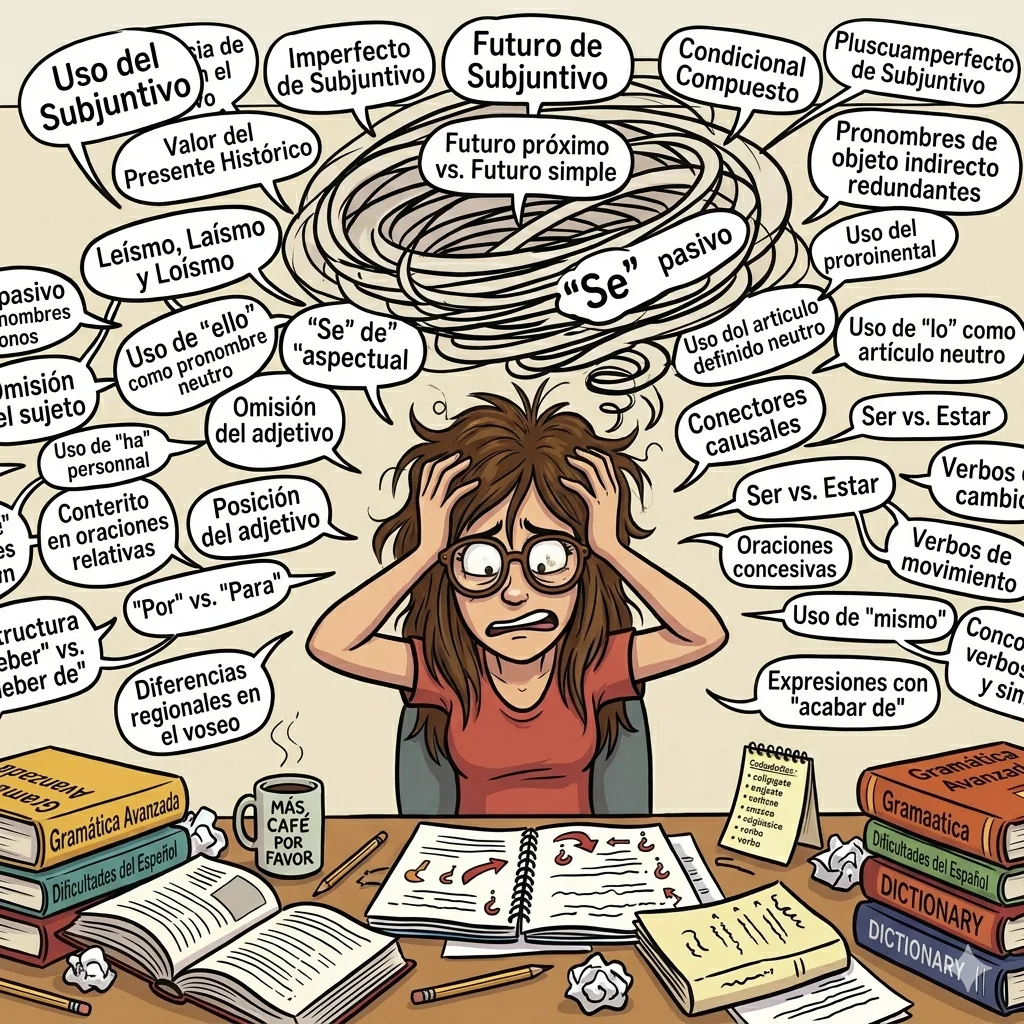
So you’ve escaped beginner hell… and then slammed face-first into the B1 plateau.
You can survive in Paris without crying. You can order coffee, complain about the weather, and maybe flirt badly. But debates, nuance, and native-speed conversations still steamroll you.
That’s the B1 → B2 wall.
Here’s the unsexy truth: most “Best French apps” are built to get you to B1.
Very few apps are built for the brutal middle zone. Grammar gets messy. Vocabulary turns abstract. Your brain wants to bail.
This guide cuts through that chaos. You’ll learn which apps actually move you toward CEFR B2!
What Does “Intermediate” Even Mean? (B1 vs B2)
CEFR B1 means you can handle everyday topics with simple sentences and survive in France or Quebec without Google Translate on life support.
CEFR B2 is different. You:
- Argue, explain, and justify opinions.
- Handle politics, environment, work culture, and abstract ideas.
- Follow native speakers at normal speed without mentally pausing every sentence.
Reaching B2 takes about 200–250 focused hours, within a total of 600–800 hours from A0. You only get there if your app pushes you past comfort-zone repetition.
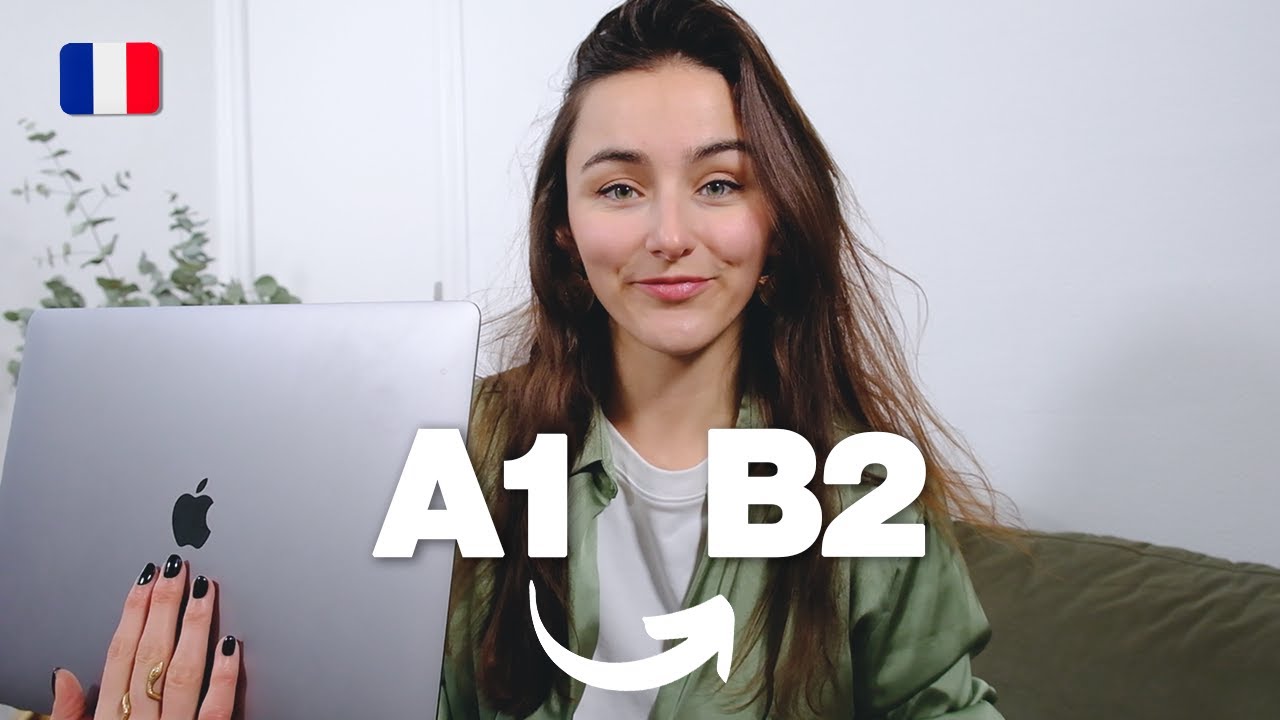
What an App Needs to Help You Progress
At this level, an app is useful only if it forces:
- Active recall, not multiple-choice guessing.
- Grammar in context: subjonctif, conditionnel, pronouns, tense interaction.
- Listening comprehension at near-native speed, not teacher slow-motion.
- Conversation simulation with voice feedback, not just typing.
If it can’t make you speak, think, and rebuild sentences under pressure, then it’s totally useless.
Common Pitfalls of Intermediate French Language Learning Apps
Most intermediate French apps fail in the same boring ways:
- Too much review, not enough new input – you spend 30 minutes re-learning “Je vais au cinéma”.
- Infantilized content – gamified, but stuck on French travel phrases and zoo animals.
- No native-level material – slow, overly curated “learner” content that never prepares you for real France or Quebec.
- Binary feedback only – “Correct/Incorrect” with no explanation or forced rebuild.
You don’t need more XP. You need more complexity.
The Best French Learning App for Intermediate Level Learners
Here’s where the real climb begins. These are the best french learning apps for intermediate level learners, built to push you past B1 and into true B2 territory.
1: InnerFrench
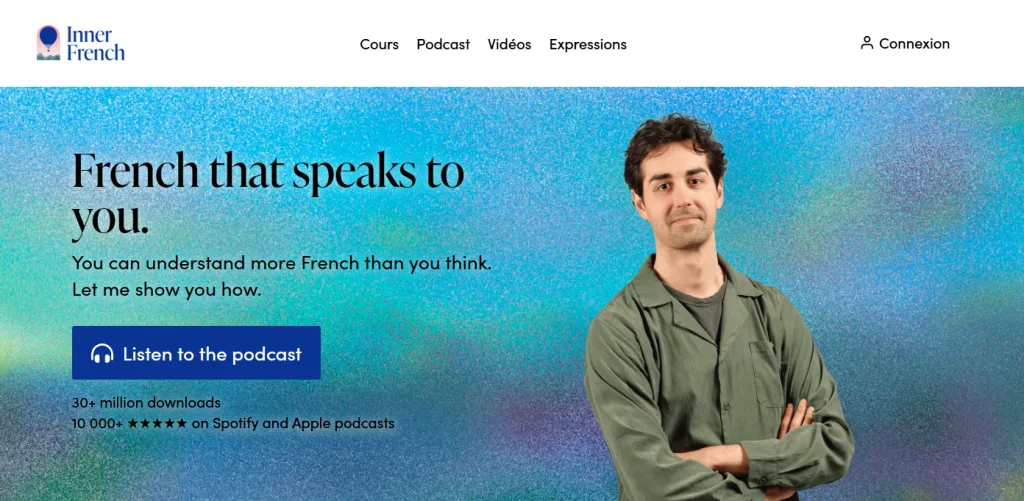
InnerFrench is built for B1–B2 learners and centers on long-form, all-French podcasts and courses.
You listen at a natural pace and read transcripts side by side, which makes grammar patterns click without drilling.
It’s ideal if you need stronger listening skills and real-world vocabulary.
2: Jolli
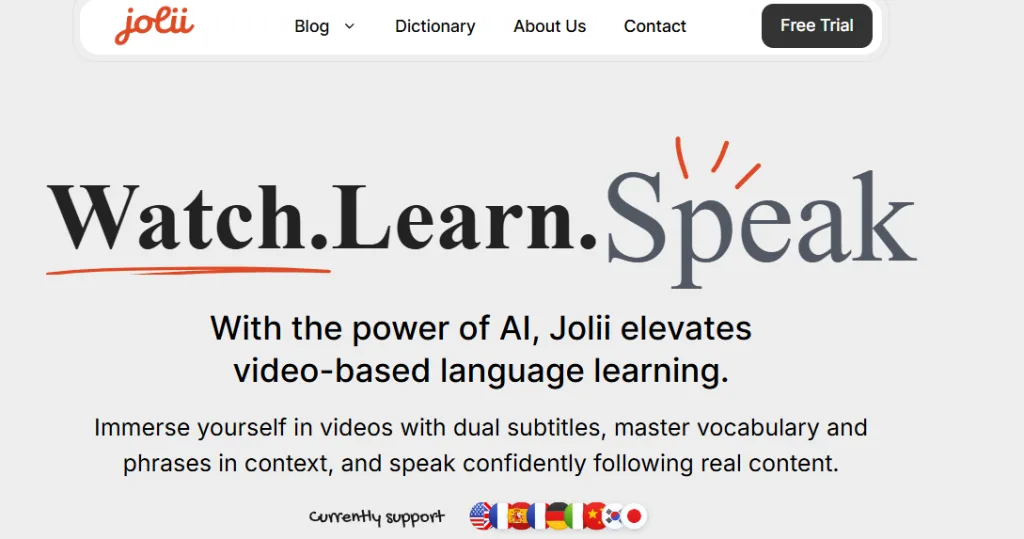
Jolli focuses on speaking pressure and real-time feedback. It gives you AI conversation practice, pronunciation correction, and hesitation tracking.
The app helps to improve confidence and fluency faster than flashcards when you don’t have a tutor available.
3: Kwiziq French
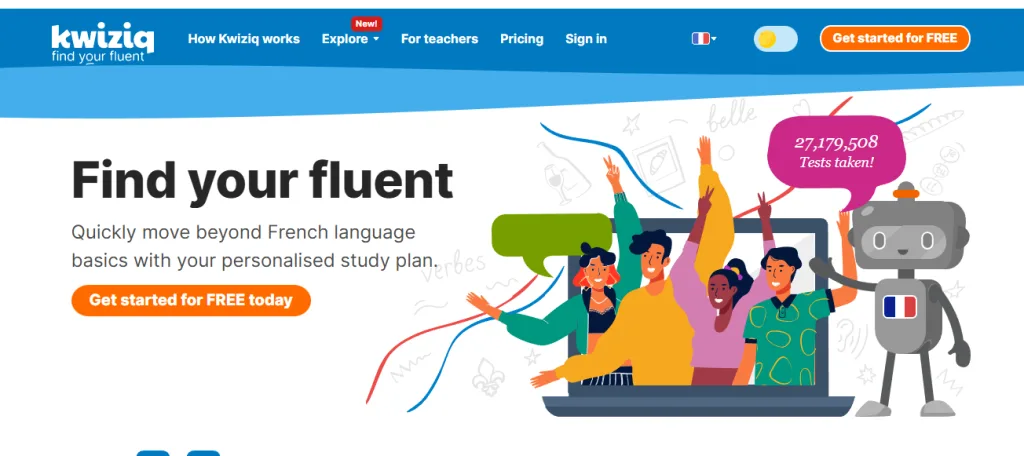
Kwiziq works like a grammar diagnostic tool. It tests your CEFR level, finds weak points, and sends targeted drills on tense interaction, subjonctif, and pronouns.
The app also explains your errors and forces rebuilds, which is exactly what most apps skip.
4: LingQ
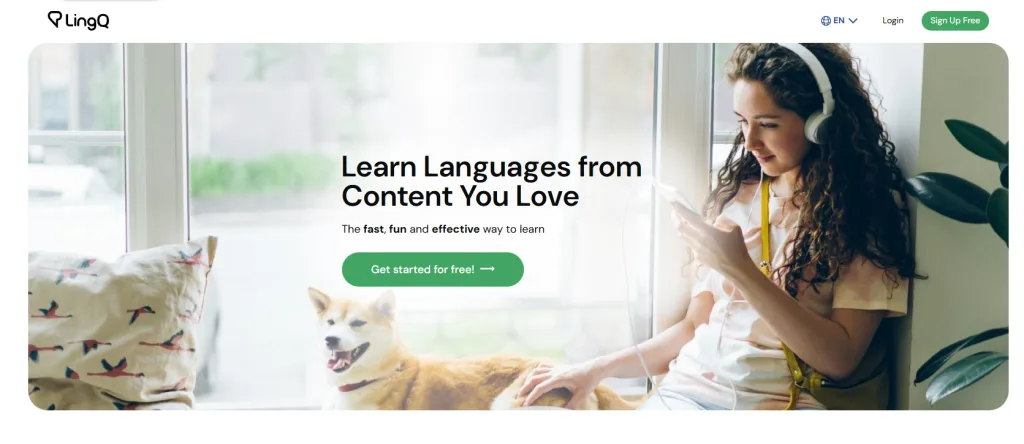
LingQ gives you massive input from real French articles, podcasts, and stories.
You highlight unknown words, track progress, and recycle vocabulary through spaced repetition.
It helps you stop translating, handle longer texts, and turn passive words into active ones.
5: Langua
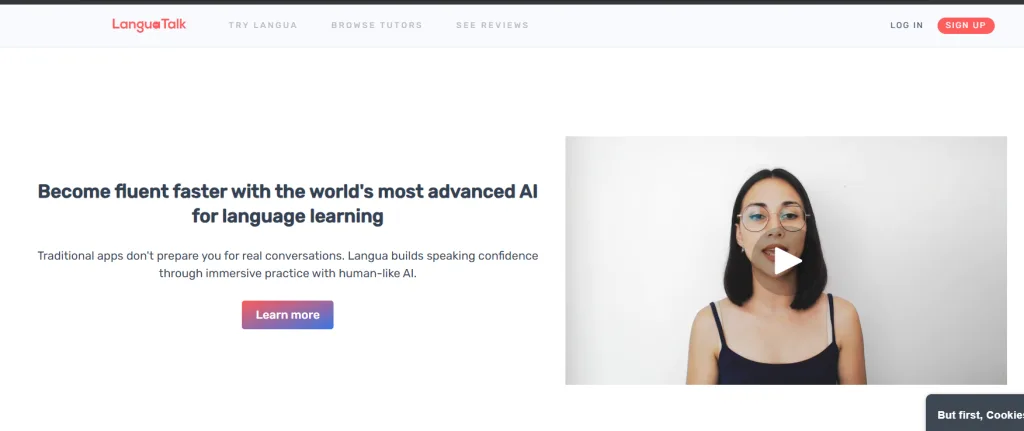
Langua is built for quick, focused conversational practice.
The app uses simple AI role-plays, topic prompts, and image descriptions to get you speaking without overthinking. It works well if you need low-pressure, daily dialogue to boost fluency.
6: Talkpal
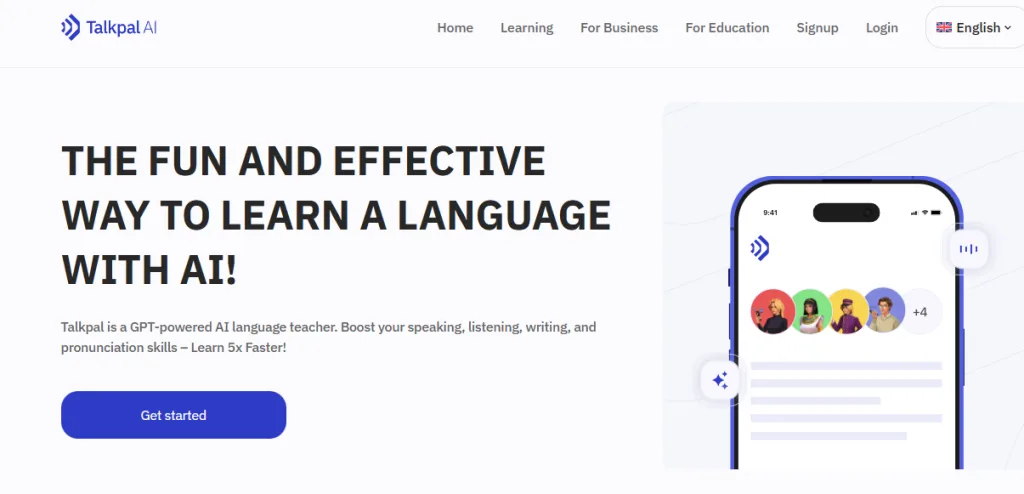
Talkpal centers on conversational AI with clean, structured practice.
You chat through realistic scenarios, switch topics freely, and refine answers with guided hints. It’s useful for steady, everyday speaking warmups.
Honorable Mentions:
- TV5Monde – Authentic news clips, CEFR-aligned exercises. Great realism, zero hand-holding.
- Busuu – Structured lessons plus feedback from native speakers. Good supplement for writing and basic conversation.
- French Today – Audio courses with clear explanations and real-life dialogue. Solid for polishing listening and pronunciation.
Use these as supporting tools, not your main B2 engine.
Pro-Insight: 2025 Data That Actually Matters
Here’s where we leave generic advice behind:
- Moving from B1 to B2 reliably takes 200–250 focused hours, not “a few months if you feel like it”.
- B2 learners who actually make it log 2–3 hours of conversation per week i.e with tutors, exchanges, or AI tools like Jolli.
- App studies similar to Busuu’s 2025 research show 60%+ improvement in vocabulary and grammar in around 8 weeks, but only when learners do at least 1 hour/week of active speaking.
Any app that isn’t aligned with those realities is selling vibes, not outcomes.
FAQs
What’s the fastest way to go from B1 to B2 in French?
Stack one input app (InnerFrench or LingQ), one grammar sniper (Kwiziq), plus 2–3 hours per week of speaking via tutor or AI like Jolli. Maintain at least 1 focused hour per day.
Can I reach B2 using an app only?
Technically, maybe. Realistically, no. Apps can structure input and grammar, but B2 speaking needs live or AI conversation pressure.
How many hours does it take to reach B2 from B1?
Plan for 200–250 focused hours on top of your existing base. With consistent work, that’s roughly 6–12 months, depending on intensity.
Final Verdict
The best French learning apps for intermediate learners work as a system, not a shortcut. Each one handles a different weakness you hit at B1.
One strengthens your input. One sharpens your grammar. One forces you to speak. Together, they cover the skill gaps that stall progress.
If you want the speaking side handled without tutors, Jolli.ai fills that gap fast with on-demand conversations and instant correction.