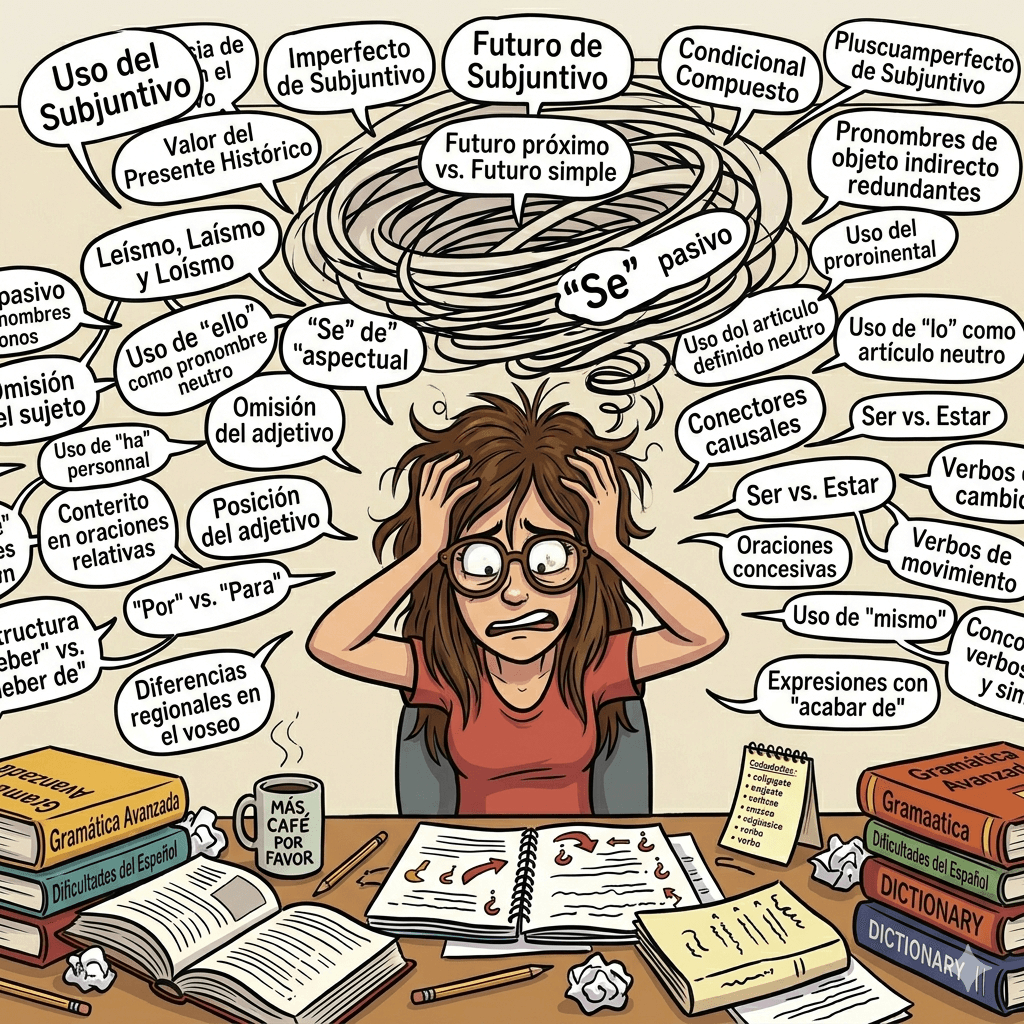
Building mastery of a language is a venture that requires a strong foundation. Think of it this way, a sturdy house built on a strong foundation will withstand almost anything, but a house, no matter how good built on a weak foundation will be felled by a small gust of wind. This principle is especially true when learning French – a language that is both elegant and complex.
The objective of this article is to guide you through the core elements of French, providing a clear and concise understanding of the essentials. By focusing on these foundational aspects, you can accelerate your journey to fluency. We will delve into the intricacies of French phonetics, grammar, and vocabulary, underscoring why these are the backbone of an effective and rapid language acquisition.
By the end of this article, you will have a comprehensive primer that will serve as your roadmap to mastering French, enabling you to communicate with ease and confidence.
Now why don’t we dive right in?

Phonetics And Pronunciation
French has some very unique sounds. These may trip you up. Nasal vowels, like in “Pain” (Bread) and “Maman” (Mom), give a nasal quality not in English. Getting used to this will ensure that you pronounce French words correctly. Then there are the silent letters – another trip-up. For instance, “eau” in “eau” (Water) sounds like “oh” with the “e” and “au” being silent.
Mastering these sounds is very important. Not only do you speak better, but you also get better listening skills, and you can be understood better. For example, mispronouncing the French word “rouge” (red) and the English word “rouge” will be confusing for the natives. Getting it right helps you to understand and be understood.
Learning Techniques
Listening to the native speakers: French natives will be the best at teaching you the proper way to pronounce words. So, mimic the pros. Might take effort on your part too, because you need to listen and internalize the word and its pronunciation. You can also learn from French songs, podcasts, and shows.
Repetition: repeating words helps to solidify the sounds. Consider this as building muscle memory. So do not be afraid to speak out loud to yourself.
Phonetic exercises: consider breaking down words into their sounds and voicing them out. You can use language apps or learning partners to help you with this.
Grammar Basics
French grammar is all about structure. Except it looks very different from the English one.
Here are the big concepts to watch out for:
Gendered nouns: French nouns are either masculine or feminine. Often, the noun will be preceded by a gender-appropriate prefix. That is, “le” for masculine and “la” for feminine. For instance, “le chien” (the dog) and “la voiture” (the car).
Verb conjugations: French verbs change form depending on tense and subject. In the present, “Je parle” means “I speak”, but in the past tense it is “J’ai parlé” (I spoke), and in the future, it is, “Je parlerai” for (I will speak).
Sentence structure: French sentences typically follow a subject-verb-object structure. For instance, “I ate an apple” will be “Je mange une pomme”.
Solid grammar is like the backbone of clear communication. You need it to build sentences correctly and to understand more complex language. Without good grammar, your French will be like a puzzle with some missing pieces.
Tips To Ace Your Grammar
Practice: write sentences using the new grammar rules you learn. You can also use language exchange programs to get real-time feedback. Remember, Practice makes perfect.
Flashcards: this is one of the oldest ways to learn new words. It is helpful to learn gendered nouns.
Grammar apps: some language learning apps are uniquely structured to help develop grammar skills. Apps such as Duolingo, Babbel, and other similar ones are helpful.
Essential Vocabulary
We all know that vocabulary in a language is important. That is not to say that you need to learn all of them. You might want to start with a few essential vocabulary groups such as:
Greetings: Imagine you are in a French-speaking country, and you need to enquire something. But first, you need to greet people. You will learn how to use “Bonjour” (Hello), “Au revoir” (Goodbye), “S’il vous plâit” (Please), “Merci” (Thank you), and many others.
Numbers: you need to learn how to describe numbers in French
Common words: These are not only common, but they are the words that connect words to make sense such as “etre” (to be), “avoir” (To have), and “Faire” (To do/make).
Everyday nouns: these are the nouns you are bound to use every day because they are common such as “Maison” (house), “Voiture” (car), and “chaise” (Chair).
Having a wide vocabulary enables you to converse correctly right from the get-go. When you greet someone, how you greet someone, how to ask for directions, and use basic verbs and nouns, you can have clear conversations with someone.
Tips To Improve Your Vocabulary
Read French books: reading allows you to learn a word, how it is used in context, and to note those you would like to learn more about. Each book is different, so who knows what vocabulary you will pick from one?
Language learning apps: apps like Duolingo, Memrise, and Rosetta Stone use repetition to make words stick.
Engaging in conversation: nothing beats speaking with native speakers. Use language learning programs or find local meetups.
Listening And Comprehension
Right, we have looked at aspects of the French language from your point of view. But you won’t be speaking to yourself now, will you? Listening and comprehending is another important part of language that allows you to have clear and insightful conversations with other people.
Tips To Improve Your Listening Skills
French music: it is one thing to listen to people speak and another to listen to music in French. Singing along may help you get the hang of pronunciation and rhythm. We particularly recommend to learn French with Stromae or with the catcy lines of Zaz’s songs.
Podcasts: find French podcasts that match your interest, whether it’s sports to fashion, there is something for everyone.
Movies and TV shows: movies are important for you to immerse yourself in the French language. You can first use subtitles in your native language, then use subtitles in your target language. Also, try to match the words with the dialogue in the scenes. The Forest is a series in French you can use to improve your listening skills!
Practicing how to listen is important as it allows you to get used to normal speech in real-life events. You learn French slang, local dialects,and colloquialisms. Your conversations will sound smoother and more natural.
Speaking And Practice
Learning proper pronunciation, getting the vocabulary, and learning to listen are all fine but the most important is to use the language in real-life scenarios. Speaking a new language is where the magic happens. It is not only about being correct or even forming the sounds as required, but it is the confidence to speak and ensuring fluidity in your speech.
Without regular practice to speak, then all your effort to learn French is wasted. Here are some tips to get you speaking like a native:
Language exchange programs: you can learn to write, pronounce, and conjugate French words all on your own. But if you want to know how to speak better and quickly, consider getting into language exchange programs. Here you will meet fellow learners and native speakers who will guide you to fluency.
Speaking clubs: these are places dedicated solely to people learning to speak French. You will join as a beginner but leave a fluent speaker.
Practicing with friends or tutors: if you have friends who are learning French as well, you can hold a conversation in French to practice speaking. If not, most language acquisition apps feature tutor services who are mostly native speakers. They will guide you towards speaking clearly and smoothly.
In many ways, speaking French will have many applications as compared to writing it. Not that writing in French is important. But in everyday situations such as shopping, meet and greets, navigating the transport system, dining, and health care, you will need to be able to converse. You might consider practicing speaking as if you are in this situation to prepare yourself.
Final Words
Mastering French takes a strong foundation, learning the phonetics, mastering French pronunciations, building great grammar skills, and getting the essential vocabulary are crucial steps. Listening practice sharpens your comprehension skills and helps you better understand different accents and colloquial usage in French. Regular speaking practice, whether it’s through tutors, language exchange programs, or speaking with friends improves your skills and helps build your confidence.
In addition to providing, you with the things you need to focus on, we have also given you credible tips for each step to help you perfect each one. We have also included some extra resources like language learning apps such as Duolingo which helps a lot of learners learn French.
However, you need to remember that consistency and immersion are key to rapid learning and mastery. You need to practice daily, immerse yourself in French media, and not shy away from real-life conversations. Every bit of fluency brings you closer to fluency. Happy learning!