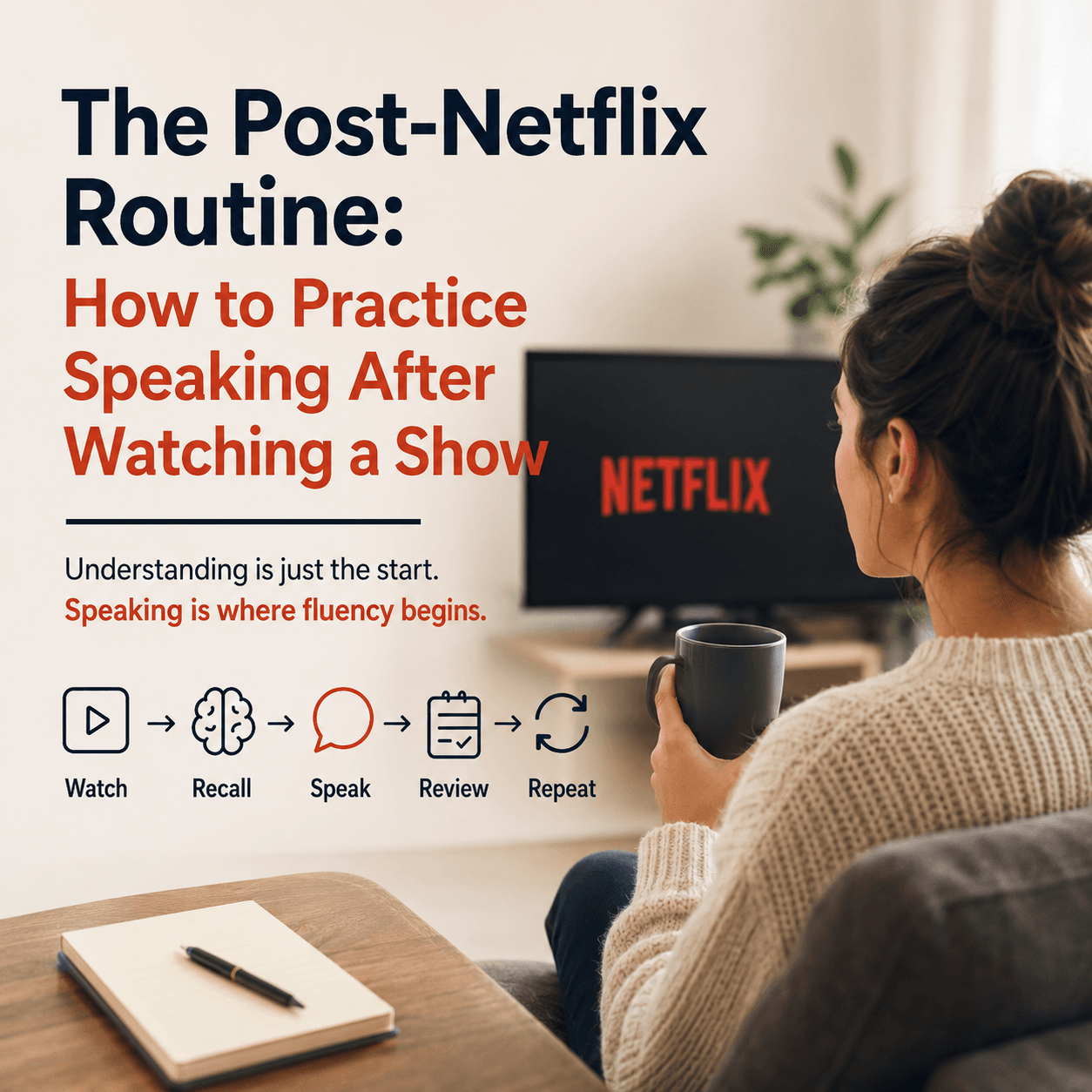
In a society where the English language facilitates worldwide communication, entertainment can be an effective tool for learning. Language learning with Netflix – the streaming channel, has an excellent catalogue that serves as an informal school. Here, we’ve uncovered the greatest Netflix series to help you improve your English, combining the delight of binge-watching with the benefits of language learning.
Why Learn English with Netflix?
Netflix provides content in a variety of accents, dialects, and levels of expertise, making it an engaging tool for English learners. Subtitles, a variety of genres, and the sheer amount of content available enable a personalized learning experience. Whether you’re a beginner trying to learn basic vocabulary or an established learner looking to improve conversational skills and comprehend cultural nuances, Netflix offers something for you to learn English.
Our Top Picks for English Learners
1. Friends (1994-2004)
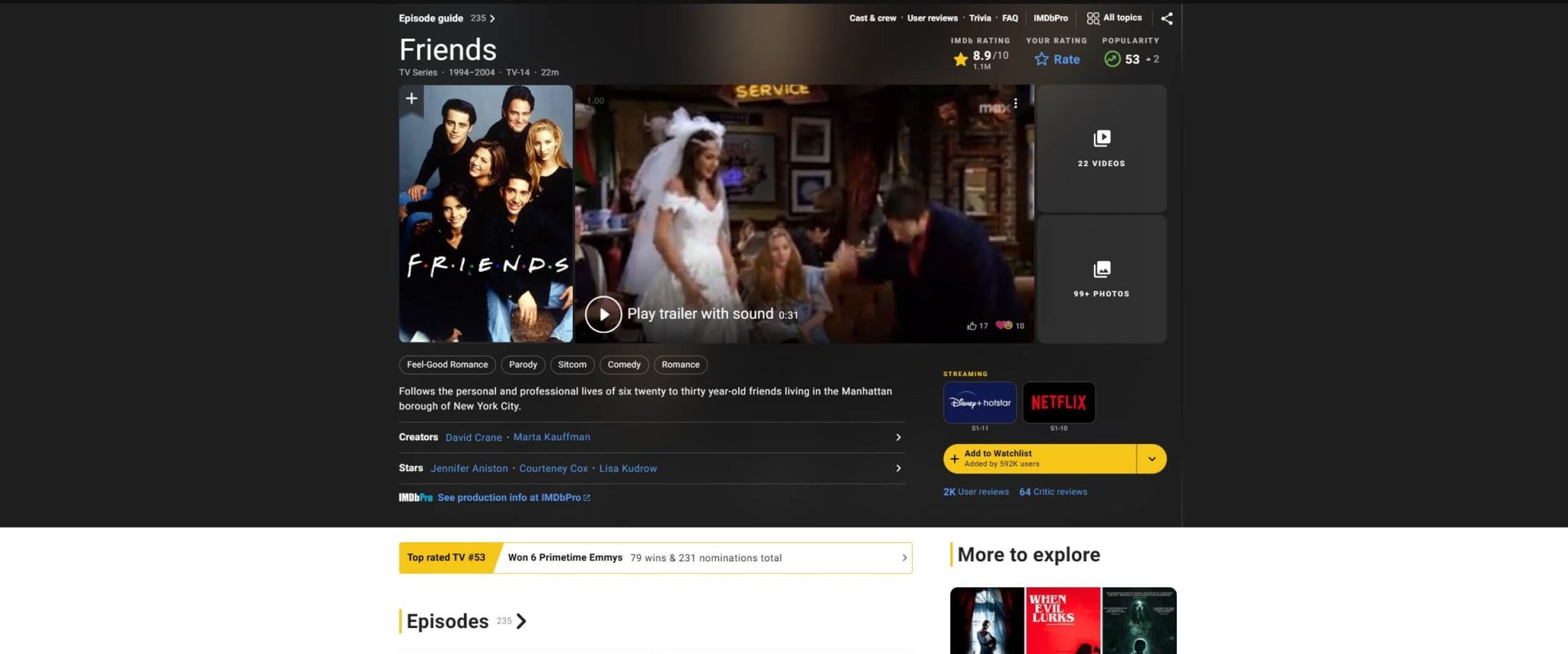
An iconic sitcom that has taught English (and given joy) to millions worldwide. The conversational language, humor, and everyday situations make it a perfect choice for learners. With ten seasons, the repetition of certain phrases and the evolving complexity of the language provide a natural learning progression.
The following is an elaboration on each element discussed:
Iconic Status and Global Impact
“Friends” is more than simply a television series; it is a cultural phenomenon that has touched viewers all over the world, connecting millions of people regardless of their native language.
Conversational language.
The dialogue in “Friends” is distinguished by its use of conversational, ordinary English. This suggests that the language is natural and representative of what English speakers might use in everyday interactions, as opposed to the formal or literary language seen in other media or literature.
Everyday Situations
The plot and setting of “Friends” give a backdrop of everyday life that appeals to a wide audience. The characters’ experiences address universal topics like as love, friendship, work problems, and personal growth. For students, this involves experiencing language and expressions used in a variety of everyday situations, from dealing with landlords to managing love relationships.
Repetition and Linguistic Progress
The repetition of essential phrases and patterns throughout the series improves language development. The more these phrases are heard, the more familiar they become, allowing students to better understand and use them in suitable settings. Furthermore, as the language becomes more sophisticated over the seasons, learners can steadily increase their vocabulary and comprehension skills.
2. The Crown (2016-)
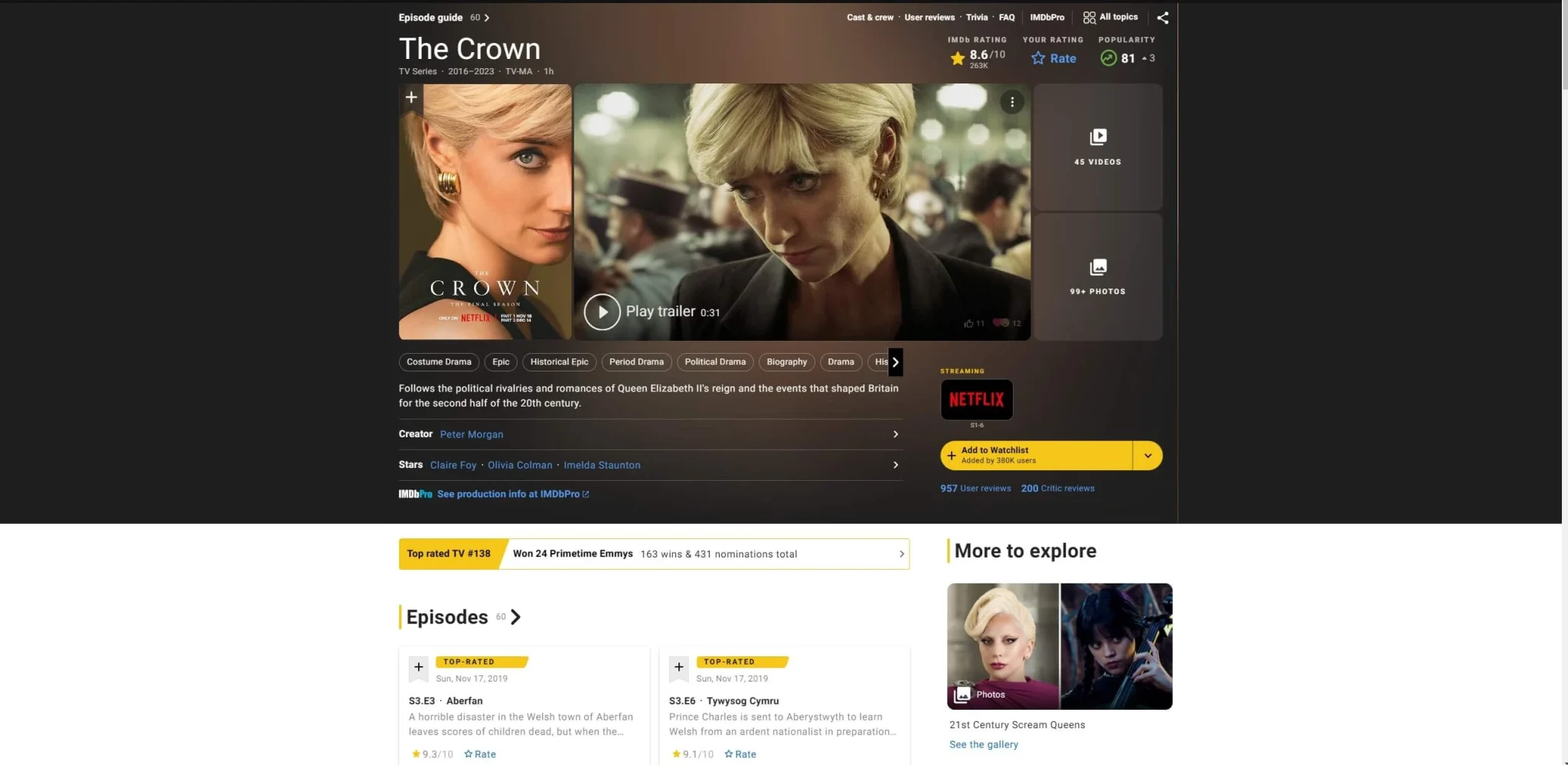
“The Crown,” which premiered in 2016, is a television series that takes viewers on a dramatic journey through British history, with a focus on Queen Elizabeth II’s reign. The following is an extensive description of the elements mentioned in the overview.
Dramatised British History
“The Crown” is a dramatization rather than a documentary, which means it is a creative retelling of historical events for entertainment. It takes spectators on a story-based journey through significant events and individuals in British history, providing a unique perspective on key milestones throughout Queen Elizabeth II’s reign.
Formal and Royal English
One of the unique aspects of “The Crown” is its use of formal and royal English, which reflects the high status and tradition associated with the British monarchy. This includes precise and courteous language—often quite different from the conversational English found in more casual or contemporary settings.
Sophisticated vocabulary
“The Crown” employs a complex vocabulary appropriate for formal and highbrow situations such as royalty and the higher levels of the British government. This makes the series a fantastic resource for advanced English learners wanting to broaden their vocabulary with more complex and possibly less widely used words.
3. Stranger Things (2016-)
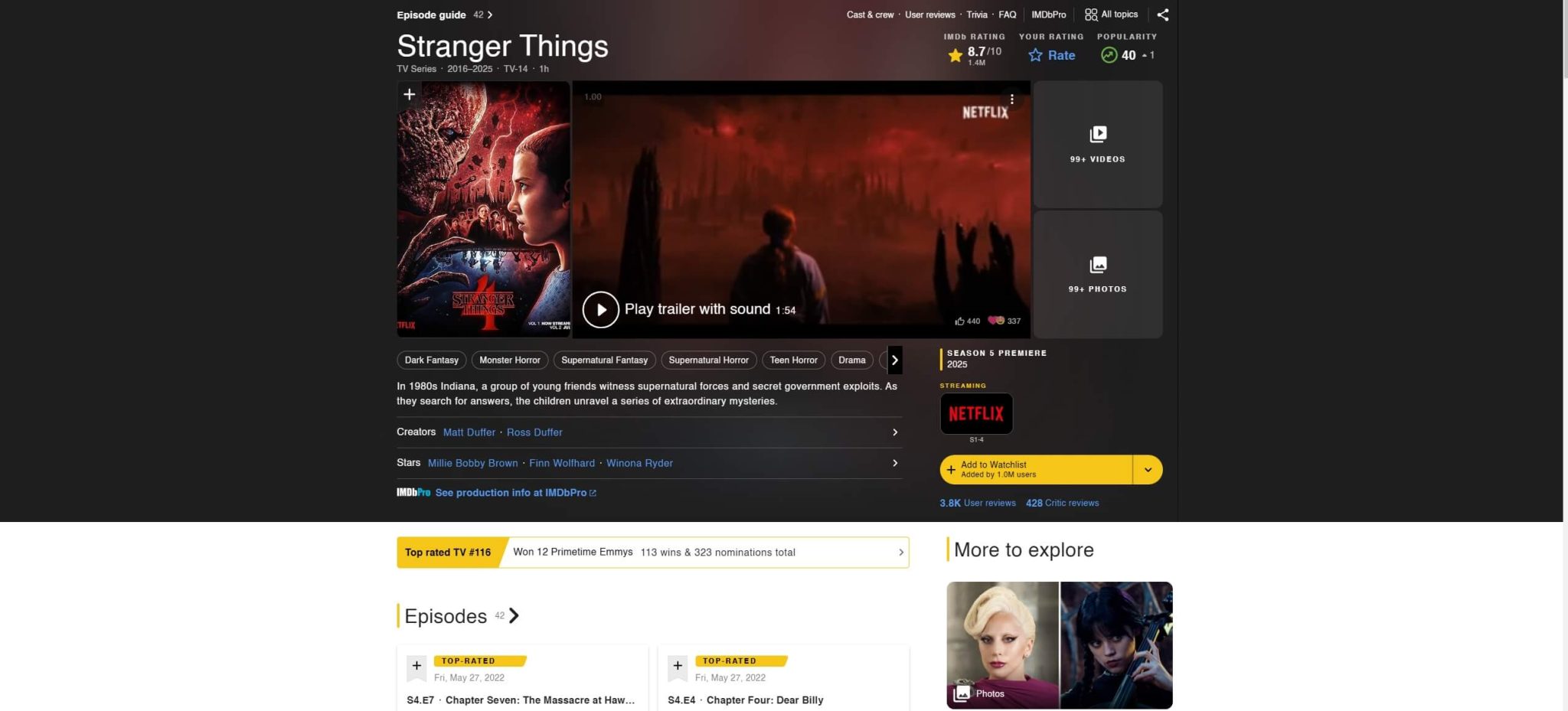
“Stranger Things,” first released in 2016, immerses viewers in the mysterious and supernatural adventures happening in the small town of Hawkins, Indiana, primarily through the experiences of a group of young friends in the 1980s. Below we explore how this series can be particularly beneficial for intermediate English learners:
Mixture of Simple and Complex Language
The vocabulary in “Stranger Things” varies greatly, representing the various group of individuals, from small children to adults, each with their own way of speaking. This mix of easy and complex vocabulary makes it appropriate for intermediate English learners. The dialogue includes both everyday conversational English used by children, which is more accessible, and more complex language found in scientific discussions, government dealings, and the exploration of supernatural elements, which can challenge learners to improve their comprehension and vocabulary.
Cultural References
“Stranger Things” has several references to 1980s culture, such as movies, music, video games, and technology. These references not only add to the tale, but also give English learners a better understanding of American society during that decade. Understanding such allusions can help learners gain socio-cultural awareness, making it simpler to understand idiomatic expressions and cultural nuances in American English.
Ideal for Intermediate Learners
Given its blend of simple dialogues that cater to basic conversational skills and complex narrative elements that challenge comprehension, “Stranger Things” is particularly well-suited for intermediate English learners. The show offers a balanced approach to learning, where students can comfortably grasp key elements while still being pushed to improve and expand their language abilities.
4. The Great British Baking Show (2010-)
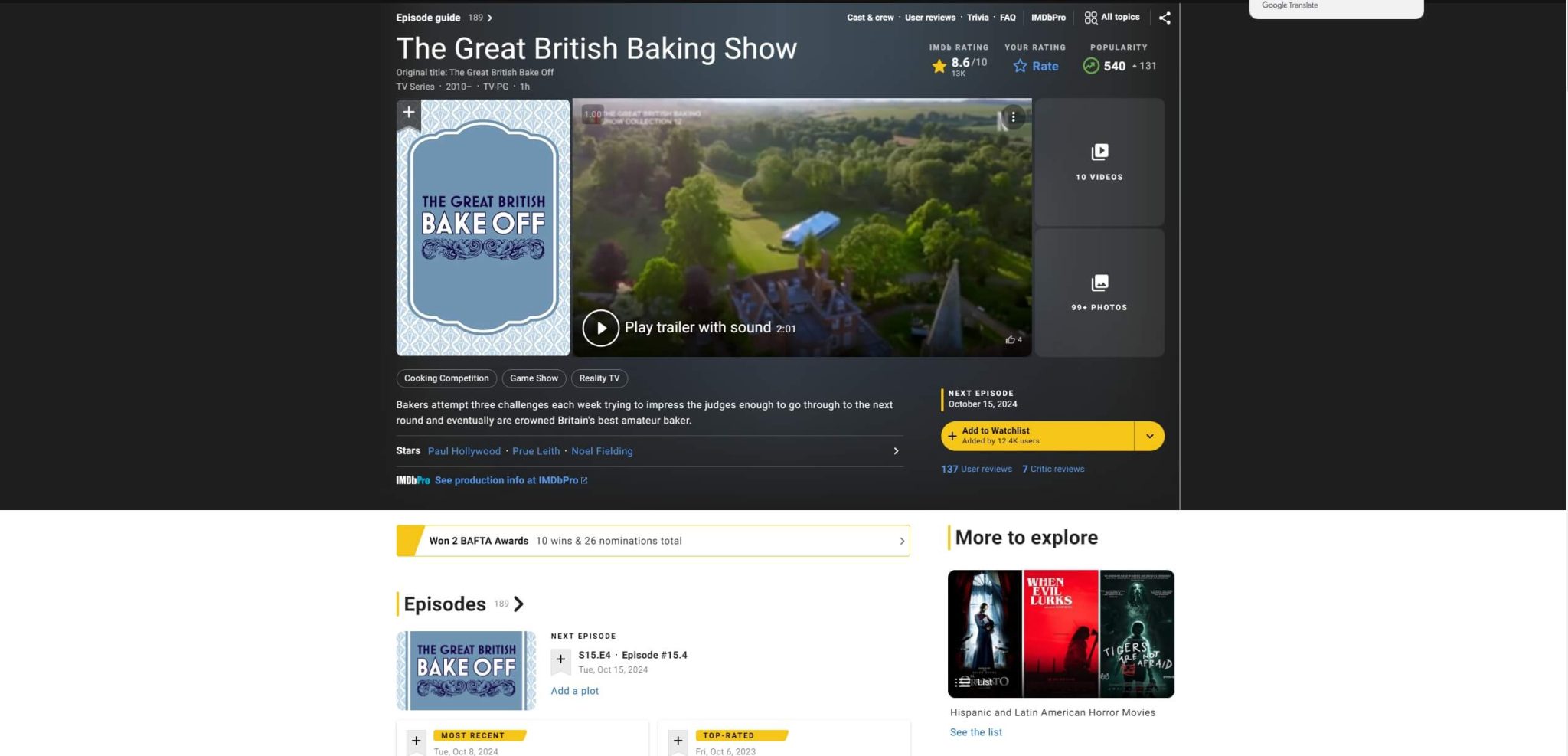
“The Great British Baking Show,” first aired in 2010, is a much-loved competitive cooking series set in the UK that features amateur bakers vying for the top baker title. Here’s how this show serves as a unique and effective tool for English learners:
Extensive culinary vocabulary
The show provides an extensive range of culinary terminology, teaching viewers phrases related to baking and cooking that they may not hear in normal English conversations. Some examples include “proofing,” “fondant,” “ganache,” and “choux pastry”. Learning these terminology might be especially useful for persons interested in culinary arts or who want to increase their general vocabulary.
Informal, conversational language
The conversations on the show frequently use ordinary, conversational language as participants and hosts chat, joke, and describe their baking processes. This setting exposes students to instances of casual English in real-life circumstances, which might be more accessible and simpler to absorb than the formal language commonly found in educational texts.
Practical and Engaging Learning Experience
Watching the participants explain their baking methods, cope with challenges, and receive feedback from the judges offers learners a practical and engaging way to hear English used in real-life scenarios. Also, the visual aspect of seeing the bakes take shape alongside the explanations helps in solidifying the understanding of the spoken words.
5. Modern Family (2009-2020)
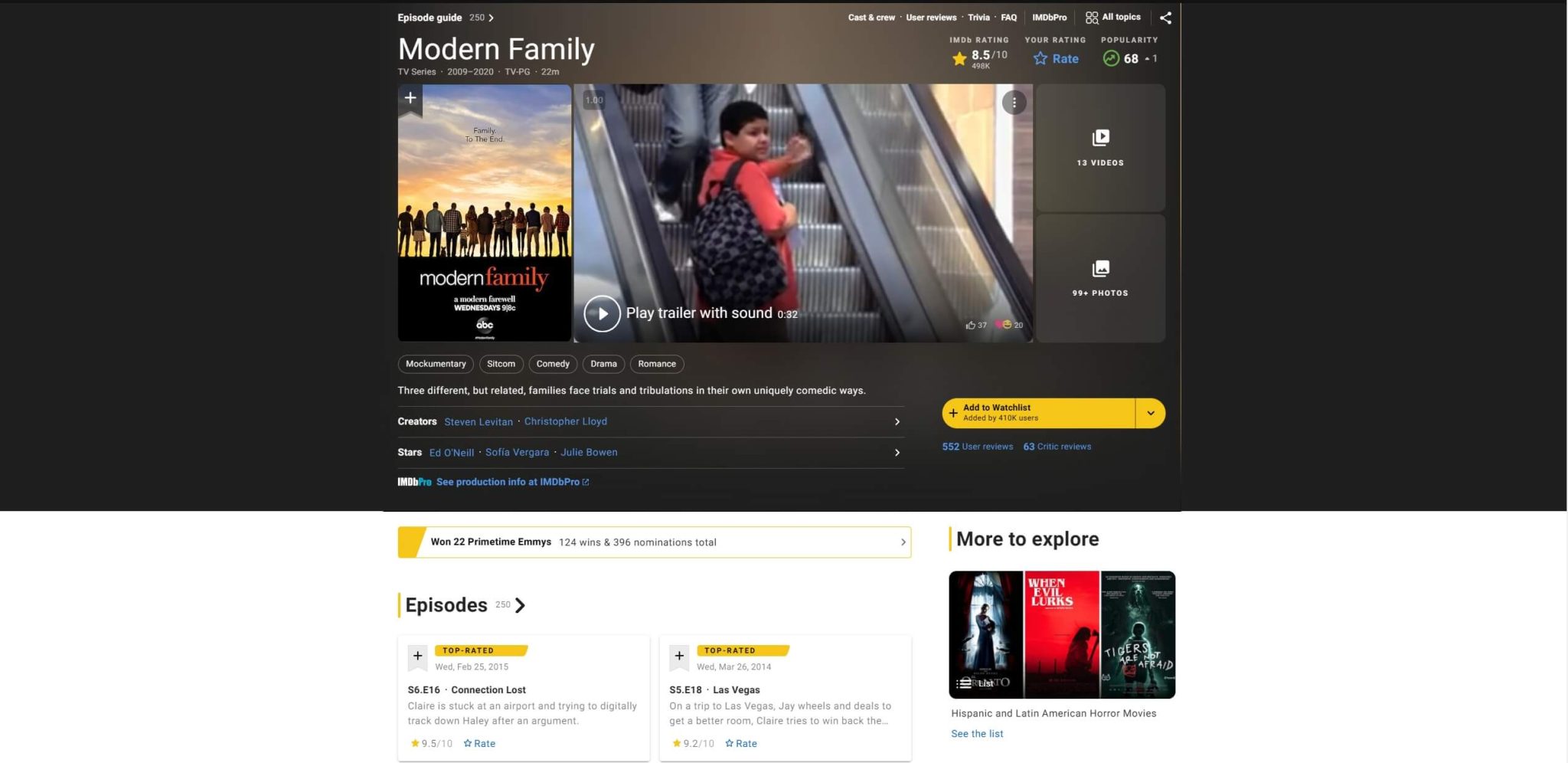
“Modern Family,” which ran from 2009 to 2020, is a highly praised American mockumentary comedy that depicts the lives of three different families. The show’s realistic depiction of family relationships, combined with its brilliant writing and diverse cast, makes it an excellent resource for English language learners for various reasons.
Conversational English
The speech in “Modern Family” is full with examples of conversational English, capturing how Americans communicate in everyday life. The show portrays a wide range of encounters, from casual conversations to intense disputes. This can assist students understand the intricacies of tone, colloquial idioms, and conversational pace.
Cultural insights
“Modern Family” explores several facets of American culture through the eyes of a multigenerational family. It looks at customs, holidays, societal conventions, and the American sense of humor. Understanding cultural allusions and settings can help English learners improve their comprehension and ability to engage in more meaningful conversations.
Different Accents and Slang
The show’s character Gloria Pritchett, played by Sofía Vergara, a Colombian immigrant, introduces viewers to a variety of accents and dialects in addition to American ones. Her persona adds not just a new accent to the mix, but also various Spanish terms and Colombian cultural references, which enriches the learning experience. The variety allows viewers to recognize and understand different English dialects and slang, resulting in a more inclusive understanding of the language.
Real-Life Situations and Vocabulary
The scenarios depicted in “Modern Family” span a wide range of everyday experiences, from school and work situations to family gatherings and vacations. This provides learners with context-specific vocabulary and situational dialogue, making it easier to understand and remember new words and phrases that are applicable to their own lives.
Emotional Connection and Engagement
Engaging with the characters and storylines on an emotional level can significantly enhance language retention. The show’s blend of humor and drama ensures that viewers are emotionally invested, which aids in the natural acquisition of language as viewers become more attuned to the characters’ ways of speaking and interacting.
Learning Through Entertainment
Lastly, “Modern Family” makes learning enjoyable. It’s easier to learn a language when the content is entertaining, as it encourages consistent engagement and provides a meaningful context for language use. Watching episodes regularly can help in gradual improvement in understanding and speaking English.
Tips for Learning English with Netflix
- Use Subtitles: Start with subtitles in your native language, then switch to English subtitles as you become more comfortable.
- Take Notes: Write down new vocabulary and phrases, and try to use them in your daily conversations.
- Repeat and Mimic: Don’t hesitate to pause and repeat after the characters. Mimicking their pronunciation and intonation can greatly improve your spoken English.
- Enjoy the Process: Remember, learning a language is a marathon, not a sprint. Choose series that interest you and enjoy the journey of learning!
Conclusion
Netflix is more than just a platform for entertainment; it’s a language learning resource that offers a rich array of content suitable for English learners at any level. By diversifying your watchlist and actively engaging with the content, by watching series to learn English,you can enhance your understanding, improve your vocabulary, and get a closer look at various English-speaking cultures. So, grab your remote, and let the binge-learning begin!