In a world where borders blur, cultures collide, and global connections thrive. Mastering a new language isn’t just a skill, it’s a superpower. However, you do not need to be a businessperson traveling the countries to learn a language, you may also want to learn a language because you want to connect with people from other cultures.
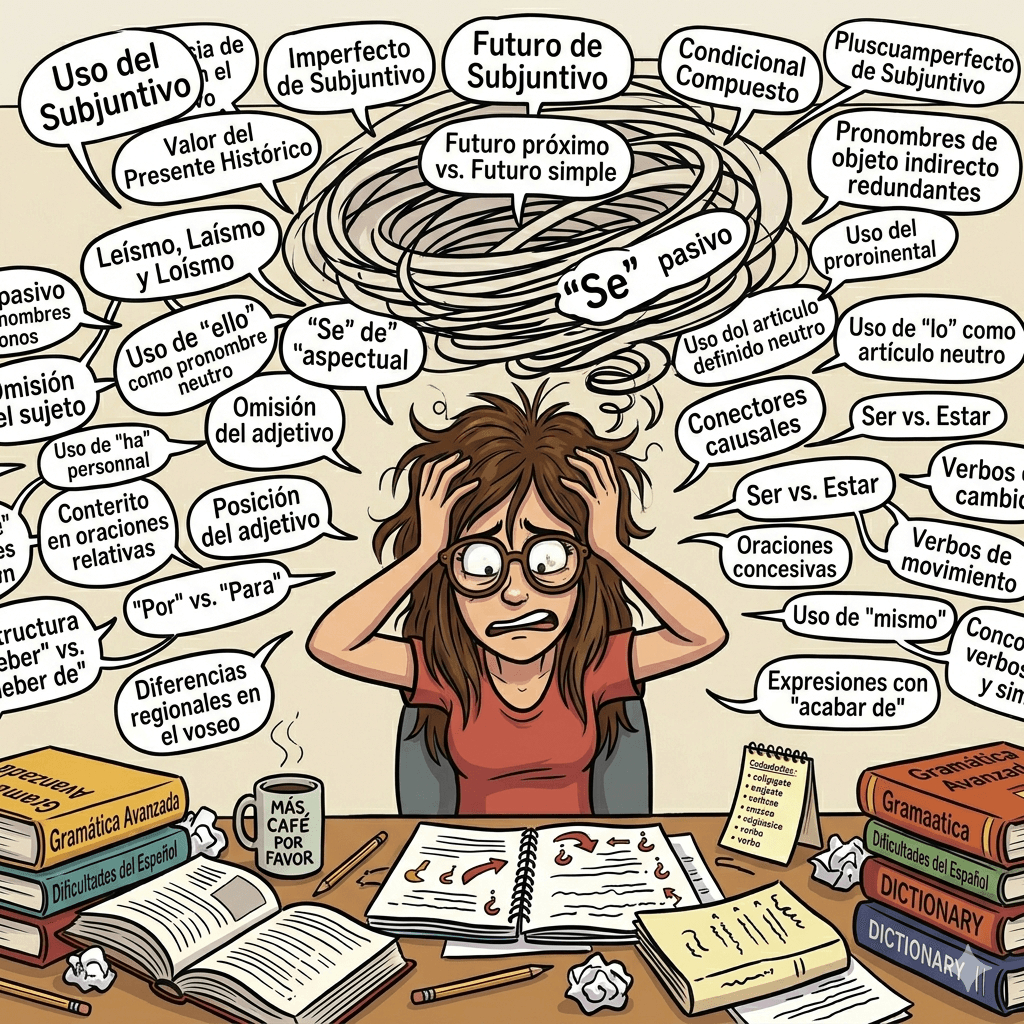
But here’s a catch: Learning a language isn’t always a walk in the park. It involves dedication, persistence, and a dash of magic as you start to understand a new language. You are after all learning a completely new language. AI will solve some of the problems for you.
This approach is often called Multimedia Assisted Language Learning (MALL), where AI, videos, audio, and interactive tools blend together to make learning more engaging.
In this article, we’ll unravel the top 5 AI-powered features that make learning a language a simple and fun journey. These features are shaping how we now learn languages, and they are necessary for your success. So, we are going to show you why.
Without much further ado, let’s begin.

1. Interactive Chatbots: Your Language Buddy
Let’s look at how AI-powered features are transforming language learning within the broader framework of Multimedia-Assisted Language Learning. A chatbot is an interactive computer program that simulates human conversation with a user. Not all chatbots are equipped with AI as older versions were not. However, the modern ones often come with AI capabilities such as Natural Language Processing (NLP) to understand users’ questions and automate responses for them.
You probably have used a chatbot before. Do you know that bubble or blinking icon on your screen that often introduces itself with a human-sounding name and prompts you to ask a question or seek help from them?
Previously, AI chatbots were limited, only answering what they have been told to answer. But now we have Generative AI which also learns from the questions it is asked. It is trained by being presented with large sets of data and it learns to find new and innovative answers are given to you. Imagine a friendly language tutor available 24/7, patiently answering your questions and engaging in conversation. Well, that’s precisely what AI-powered chatbots offer you. And what’s more, they will learn from your questions and curate better answers for you.
These digital assistants will help you practice grammar, vocabulary, and even dialogues, serving to help you achieve fluency.
So, take up the challenge and engage the chatbot in your app in a conversation that may make you a native-level speaker of your chosen language.
2. Personalized Learning Paths: Tailored Just for You
How do you know where you are as a language learner? How can you tell where you need to give more effort and where you excel? You will know this from your personalized learning pathway.
It is common for AI-powered language apps to assess your skill level to try and suggest the best point to start and how you progress further along. In fact, your app will even suggest how often you practice your language learning by giving exercises to you. With personalized learning paths, say goodbye to one-size-fits-all lessons. And the best part of it all is that you can access your personalized learning path at your pace and at any time. No worries about missing it as the assignment is due next week. And with your schedule, this may be inconvenient. Whenever you come back to class, you will always find your lessons waiting for you exactly where you left off. Again, no worries about being late to class and being left behind.
Your language learning app will find out if you are a beginner or an advanced learner and provide content that matches your level. You also have the option to adjust what you need most as a language learner. Learning a new language takes time, but you may only need a part of it. So, if you only need to practice travel words and phrases, your pathway will help you achieve this. Would you like to take a traditional pathway and learn all the complex literature, well, your pathway will provide this. It’s like having a favorite barista who knows your specific coffee order.
Now let’s look at the next feature that is built to help you learn better and faster.
3. Adaptive Voice Recognition: Fine-Tuning Your Pronunciation
Remember those clunky language labs with cassette tapes? Well, AI is an improvement of this. Modern language apps use voice recognition to listen and improve your wording.
If you have used an AI-powered app to learn a language, you may already have used this feature. You are given a phrase, you learn it, speak it and the chatbot feature tells you if you are good, need improvement, or couldn’t understand you.
AI using machine learning takes time to listen to human conversations and responses to develop advanced language skills. This way AI knows the best way to pronounce a word or phrase. Therefore, when given a spoken test, your app knows how you should respond and will give you recommendations on improvements or congratulate you for good work. It’s like having a virtual language coach who tells you, “Try enunciating that word a little bit.” Plus, it adapts. The better you speak the longer and harder the phrases will be. And when you nail those pesky syllables, it will throw you some tricky native words.
Voice recognition is also used in another way. To turn your spoken words as directed by a phrase, and the AI rewrites this into words. This helps boost your fluency. Your app will point out rooms for improvement and preserve performance stats to show you how well you are progressing. And the best part, it is always available to you. Do not be surprised when you start speaking better than you thought possible.
4. Gamification: Turning Learning into Playtime
Imagine learning a new language in class armed with wordy textbooks. Boring, right? And who said learning must be boring?
AI-powered apps have a feature that makes learning easier and more fun.
One, nothing is written in wordy texts, you may be asked to choose a word that matches a cartoonish picture. You may also get phrases spoken to you and you must write them out. And it is all like a game, including game sounds. Tests, vocab drills, and grammar exercises are made into addictive challenges.
After an exercise, you earn points that you can use to purchase much-needed resources in the app. You have to successfully finish a level to unlock the next level and each time, it gets more complex. Even better, you may have a leaderboard where you compete with other learners by clearing exercises faster and getting excellent results. Who doesn’t mind a little competitiveness? It serves to fuel our ambitions and for you, that’s a good thing as you will be encouraged to finish your lessons and get better.
5. Content Recommendations: From Telenovelas to TED Talks
AI algorithms analyze your interests and then suggest relevant or related content. You might have noticed this with your social media use. If you view a cooking view even for 1 minute, you suddenly get an influx of cooking and baking content. Some you will like but others you won’t. But AI does not know this, all it knows is that you like cooking videos.
It is the same with AI-powered language learning apps. Once you get so good with your spoken and written language, you might gravitate towards seeking content in that language. OR you simply get comfortable with the language enough to view content in it. So, AI takes it like a challenge to pull every piece of content in that language and show it to you. So, do you like cooking? How about a cooking video in Spanish? Or a Spanish telenovela that you would have never watched because of the language barrier?
These recommendations expose to local dialects, slang, idioms, and all. You eventually learn authentic language use. Plus, they cater to different learning styles, videos, podcasts, articles, and even memes. So, while you are scrolling through that new language content, you are secretly leveling up your language skills.
Final words
And that’s a wrap on top 5 features you get to enjoy in most of the AI language learning apps. Hopefully, this serves as a guide when you are choosing an app to use.
But remember, we are not saying that these apps take the place of traditional and human-led classes. When you look at the apps, one thing is lacking: human involvement. You rarely get to converse with fellow learners. And if you have written methods, you most certainly cannot have verbal discussions with your fellow language learners. And that is the best part of learning a new language. It is in speaking it with others and showing off your skills.
But you should use the apps together with any other language learning method you are using. We have looked at interactive chatbots, personalized learning pathways, voice recognition abilities, gamified learning experiences, and curated content for you. We hope you will embrace each one of these features and watch as your learning experience is elevated. With time you will speak like a native.
Are you looking for specific AI apps to learn a language? Check our other articles:
- 6 Best AI language learning apps to learn a new language in 2025
- How To Learn English with AI: A Beginner’s Guide
- Top AI Apps to Learn Spanish in 2025: Find Your Perfect AI Language Tutor
FAQs
What is Multimedia Assisted Language Learning?
MALL, or Multimedia Assisted Language Learning, is a modern approach that combines technology—such as videos, audio, apps, and AI-powered tools—with traditional study methods to make learning a new language more engaging and effective. By blending text, visuals, and sound, MALL creates an immersive experience that helps learners build vocabulary, improve pronunciation, and gain real-world communication skills
How is AI changing the way we learn languages?
AI-powered language apps are transforming language learning by introducing features like interactive chatbots, personalized learning paths, adaptive voice recognition, gamified lessons, and smart content recommendations. These innovations make studying more flexible, engaging, and tailored to each learner’s needs
Are AI-powered language learning apps better than traditional methods?
AI-powered apps don’t replace traditional learning but complement it. They provide instant feedback, personalized practice, and flexible study options, while classroom or human-led lessons offer real interaction and cultural exchange. Using both together often gives the best results.